Popcorn is a classic snack—light, crunchy, and loved by many. But while plain popcorn is one of the cleanest, whole grains you can eat, flavored and microwave versions often contain artificial popcorn flavors and chemicals that may contribute to long-term health issues. The consumption of artificial flavors over time can negatively impact your health, making it important to be mindful of what you eat. If you’re trying to make healthier snack ideas, lose weight, or simply choose cleaner food ingredients, understanding what’s in your popcorn matters more than you might think. To determine whether your popcorn is a healthy choice, carefully assess its ingredients and look for any additives or artificial substances.
At Doudlah Farms, we believe the best snacks start with non-GMO, organic food you can trust—no chemicals, no shortcuts, just real, nutrient-rich foods grown the right way.
What Exactly Are Artificial Popcorn Flavorings?

Most people assume the buttery smell in movie-theater or microwave popcorn comes from butter. It doesn’t.
Artificial popcorn flavorings are chemical mixtures designed to imitate real butter, cheese, or caramel flavor. One of the most familiar is diacetyl, used for buttery aroma and creamy texture. While some companies removed it after safety concerns emerged, many replaced it with similar chemicals like 2,3-pentanedione.
These flavorings can be found in:
- Microwave popcorn bags
- Pre-packaged seasoned popcorn
- Some “diet” popcorns
- Flavored popcorn sold in stores
Similar artificial flavorings are also used in many foods beyond popcorn, making these additives widespread in the food industry.
This is where consumer confusion begins—because labels rarely list these chemicals individually.
Why Artificial Popcorn Flavorings Are a Problem
1. They’re Linked to Respiratory and Other Health Risks
Research suggests inhaling heated artificial flavoring vapors in large amounts may increase the risk of lung irritation. While everyday consumers are exposed to far less than factory workers, many scientists still caution that repeated exposure—especially from microwave popcorn—may not be harmless.
Artificial additives can also contribute to inflammation or sensitivities, which may affect heart health, digestion, or even increase long-term disease risk.
2. They Hide Behind Vague, Misleading Labels
Terms like:
- “Natural flavor”
- “Buttery coating”
- “Artificial flavors”
…can hide dozens of ingredients.
This causes widespread food label confusion, leaving many consumers unaware of the chemicals they’re eating. Even “light butter” popcorn versions often contain added sugar, emulsifiers, and preservatives that make the product taste delicious, but not healthy.
3. They Add Unnecessary Fat, Sugar, and Sodium
Artificially flavored popcorn tends to be high in:
- Fat
- Sodium
- Sugar
- Synthetic additives
All of these can work against your goals if you’re trying to eat fewer calories, manage weight, support heart health, or reduce the risk of conditions like heart disease, high cholesterol, or diabetes.
Natural popcorn, on the other hand, is low in calories and high in dietary fiber, making it an excellent choice if you want to lose weight while enjoying a satisfying snack. Unlike artificially flavored popcorn, natural popcorn does not provide added calcium or vitamins, but it also doesn’t contain unnecessary additives.
Why Plain, Organic Popcorn Is One of the Healthiest Snacks
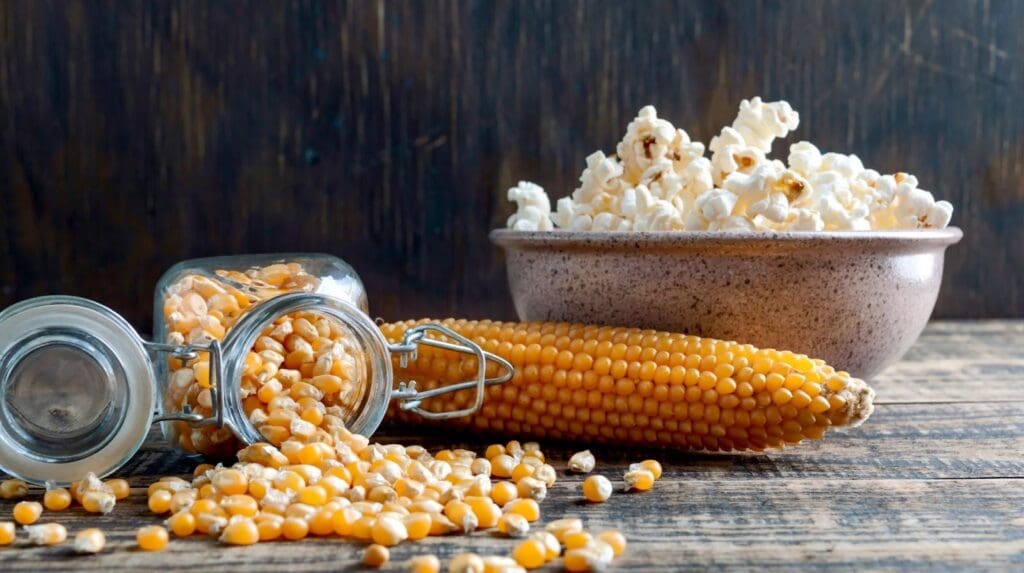
When you strip away flavor chemicals, popcorn becomes one of the most nutrient-packed whole grains you can eat.
Clean, plain popcorn is:
- High in fiber (supports gut health and helps you feel full)
- Naturally gluten-free
- A good source of antioxidants
- Low in calories (you can eat fewer calories while feeling satisfied)
- Free from artificial chemicals, preservatives, or hidden ingredients
You can pair it with other healthy snack ideas like nuts and seeds, fresh berries, or vegetables with nut butter, giving you a balanced, nutrient-rich mini meal. Other great foods to pair with popcorn or include in your diet are leafy greens, broccoli, kale, celery, fish, and oatmeal, all of which are rich in vitamin C and other essential nutrients. There are many types of healthy snacks and protein sources available, including options that can replace meat, offering plenty of variety for a balanced diet.
Popcorn and Digestive Health
Popcorn isn’t just a classic snack—it’s also a smart choice for supporting digestive health when enjoyed in moderation. As a whole grain, popcorn is a good source of dietary fiber, which plays a key role in keeping your digestive system running smoothly. Just three cups of air-popped popcorn provide about 3.5 grams of fiber, helping to regulate bowel movements, prevent constipation, and reduce the risk of heart disease and other health issues.
Choosing air-popped or lightly seasoned popcorn lets you enjoy the benefits of this nutrient-rich food without the drawbacks of added fat, sugar, or salt. Adding large amounts of butter, salt, or sugar can quickly increase the calorie and fat content of your snack, leading to an increased risk of weight gain, diabetes, and other health problems. Instead, try enhancing the flavor with herbs, spices, or a small drizzle of olive oil. For a creamy texture and extra nutrition, a touch of nut butter can be a delicious addition.
Pairing popcorn with other healthy snack ideas—like fresh fruits, crunchy vegetables, whole grain crackers, or a side salad with a light salad dressing—can help you create a balanced, satisfying mini meal. These combinations not only boost the overall nutrition of your snack but also help you eat fewer calories while feeling full and energized.
When choosing popcorn, look for non-GMO and gluten-free options to minimize exposure to potentially harmful chemicals and food ingredients. Reading labels carefully can help you avoid hidden additives and ensure you’re getting a clean, wholesome product.
Remember, while popcorn is a great source of fiber and whole grains, it’s important to enjoy it as part of a varied diet that includes plenty of fruits, vegetables, lean proteins, and healthy fats. Staying hydrated by drinking water and limiting sugary beverages also supports digestive health and overall well-being.
By making mindful choices about the foods you eat—including healthy snacks like air-popped popcorn—you can support your nutrition goals, maintain a healthy weight, and reduce the risk of chronic diseases such as heart disease, diabetes, and cancer. Moderation and variety are key to a balanced diet and long-term health.
How to Avoid Artificial Popcorn Flavorings Completely
1. Choose Organic, Non-GMO Popcorn Kernels
Doudlah Farms’ popcorn is:
- Certified organic
- Non-GMO
- Grown without harmful chemicals
- Produced using regenerative agriculture
Starting with clean popcorn means you control every ingredient that goes into your snack.
2. Air-Pop or Stovetop Pop Your Popcorn
These cooking methods let you skip artificial additives entirely. Like air-popping, baking is another method that allows you to control ingredients and avoid artificial additives.
Flavor it naturally with:
- A drizzle of olive oil
- A sprinkle of sea salt
- Nutritional yeast (for cheesy flavor without dairy)
- Herbs and spices
- Freshly ground seeds
Each option adds nutrients—not chemicals.
3. Create Your Own Healthy Mix-Ins
Instead of chemical-laden seasoning packets, try:
- Cinnamon
- Smoked paprika
- Turmeric
- Freeze-dried blueberries
- A touch of mineral salt
- Crushed walnuts or pumpkin seeds
These additions enhance flavor while supporting good nutrition—unlike artificial ingredients that lead to nutrient loss and unnecessary fat.
The Bottom Line: Natural Popcorn Is Better for You
Artificially flavored popcorn may taste good, but the trade-offs—chemicals, higher fat content, and possible long-term health issues—aren’t worth it.
Choosing organic, non-GMO popcorn gives you:
- A clean, delicious snack
- Better control over your diet
- More nutrients per bite
- A way to enjoy popcorn without worrying about hidden chemicals
At Doudlah Farms, we believe food should come from the soil—not a lab. That’s why we grow popcorn the way nature intended: without GMOs, pesticides, or synthetic flavorings.
Frequently Asked Questions (FAQs) About Popcorn Health
1. What is diacetyl, and why is it a concern in flavored popcorn?
Diacetyl is a chemical compound historically used as an artificial flavoring to give microwave popcorn, and other products, a rich, buttery taste and aroma. It became a serious concern due to its link to “popcorn lung” (bronchiolitis obliterans), a severe, irreversible lung disease primarily found in factory workers who inhaled large amounts of the heated vapor. While many manufacturers removed it, some replaced it with similar chemicals like 2,3-pentanedione. To avoid this risk, choose plain, air-popped popcorn or kernels (like organic, non-GMO options) and flavor them naturally at home.
2. Is plain popcorn a healthy snack, and is it a whole grain?
Yes, absolutely! Plain popcorn is one of the healthiest snacks available and is naturally a 100% whole grain. When air-popped without excessive oil, sugar, or artificial flavorings, it is high in dietary fiber and antioxidants, low in calories, and naturally gluten-free. Its fiber content supports digestive health and helps with weight management by promoting feelings of fullness.
3. How can I avoid artificial flavorings and chemicals in microwave popcorn?
The best way to avoid artificial flavorings, hidden fats, and excess sodium is to stop buying pre-packaged microwave popcorn bags. Instead, purchase plain, organic, non-GMO popcorn kernels and prepare them yourself. You can easily air-pop them or use a stovetop method with a small amount of healthy oil (like olive oil). Flavor your popcorn naturally with herbs, spices, sea salt, or nutritional yeast for a healthier, clean snack.
4. What do terms like “Natural Flavor” on food labels actually mean?
On food labeling, the term “Natural Flavor” is often vague and can be misleading. While it implies the ingredients come from natural sources (like fruits, vegetables, or spices), it is a proprietary blend and can still contain dozens of other chemicals, solvents, or preservatives. These ingredients are added to enhance or mimic taste. For the cleanest choice, look for products, like those from Doudlah Farms, that list only one ingredient: popcorn kernels, and avoid products with long ingredient lists or generalized terms.
5. Does eating artificially flavored popcorn increase the risk of inflammation or long-term disease?
While the direct link in everyday consumers is still being studied, the consensus is that frequent consumption of foods with artificial additives, excessive sodium, and unhealthy fats can contribute to systemic inflammation over time. This chronic inflammation is a known risk factor for various long-term disease issues, including poor heart health, high cholesterol, and type 2 diabetes. Choosing healthy popcorn options, like clean, organic kernels, supports better nutrition and helps reduce your exposure to potentially harmful chemical additives.