Free Shipping when you spend $50! SHOP NOW!

Our Blog

A circular logo with a profile of a woman's face and flowing hair in the center, reflecting the freshness of organic farming. The text ROMAJI DENTAL CLINICS is written around the edge of the circle.
Glyphosate is the most widely used herbicide in history, often found in high concentrations in conventional oats, wheat, and legumes. Because residues can persist even in some organic crops due to environmental drift, the label glyphosate-free food is becoming a critical benchmark for purity. By choosing products that undergo independent laboratory testing, consumers can ensure their diet supports long-term health and the gut microbiome while avoiding controversial "probably carcinogenic" chemicals.
Your gut microbiome is a complex ecosystem of trillions of microbes that influence everything from your immune strength to your daily mood. Gut health organic food plays a dual role in supporting this system: it provides the essential prebiotic fibers that fuel beneficial bacteria while minimizing exposure to synthetic pesticides like glyphosate, which emerging research suggests may disrupt microbial balance. By choosing "Tested Clean," organic whole foods, you are providing your digestive system with the pure, nutrient-dense fuel it needs to thrive.
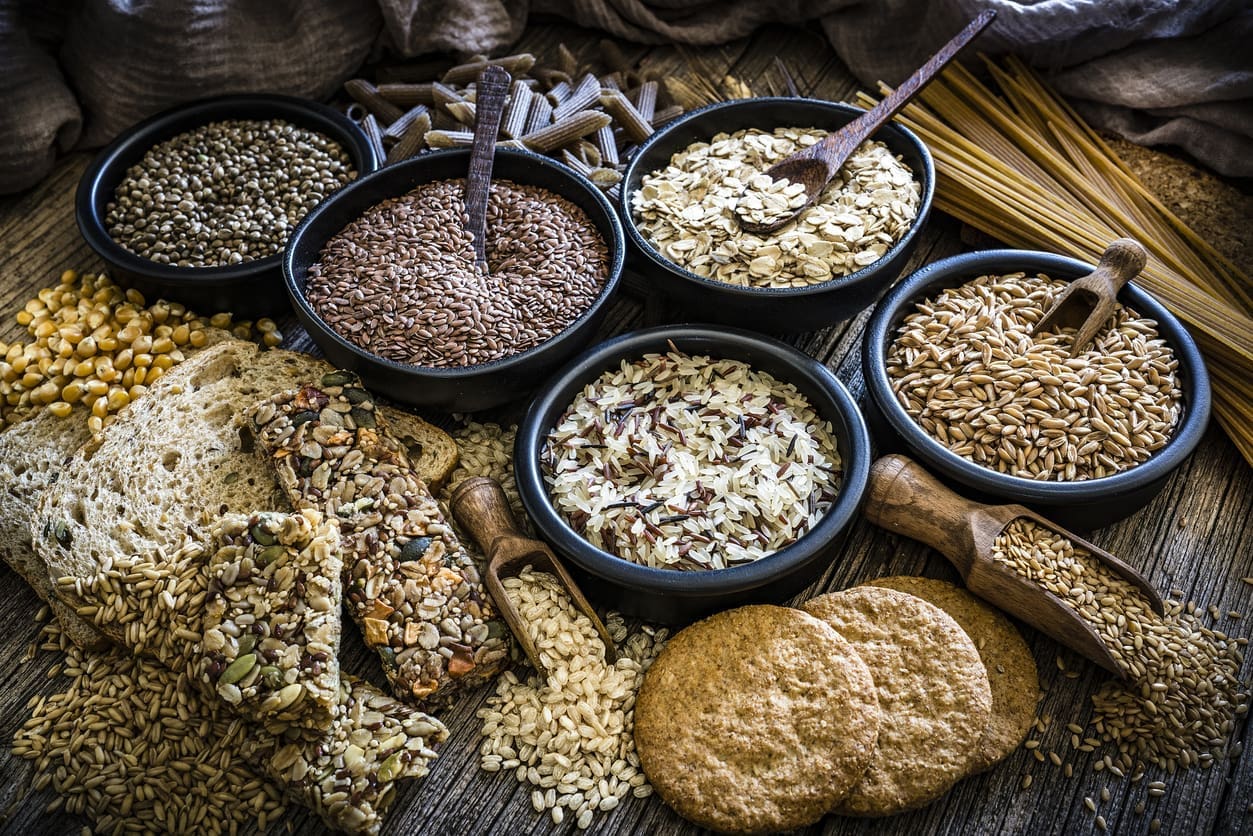
Most guides to an anti-inflammatory diet recommend eating more vegetables, beans, and whole grains, but they often ignore a critical variable: pesticide residue. To truly lower chronic inflammation, you need food that is as clean as it is nutritious. Organic foods for inflammation, such as those grown on regenerative and biodynamic farms, ensure you aren't consuming synthetic chemicals like glyphosate while trying to heal. Discover how nutrient-dense, soil-grown whole foods can help put out the fire of chronic inflammation.
Gluten-free cornmeal is a kitchen staple that opens doors to inclusive, high-margin menus. While corn lacks the gluten proteins found in wheat, cross-contamination during processing can pose serious risks for celiac guests. This guide explores the critical differences between fine, medium, and coarse grinds, how to verify supplier safety protocols, and innovative ways to use this naturally versatile grain in savory coatings, Southern-style baked goods, and elegant desserts.
When consumers ask about organic food safety, they are often navigating a complex mix of chemical concerns and microbiological risks. While the organic label guarantees a restricted use of synthetic pesticides, it does not exempt food from the pathogens that affect all agricultural systems. From the "One Substance, One Assessment" shift in the EU to the nuances of USDA oversight, this guide provides the evidence-based clarity needed to understand what makes our food safe in a changing global market.
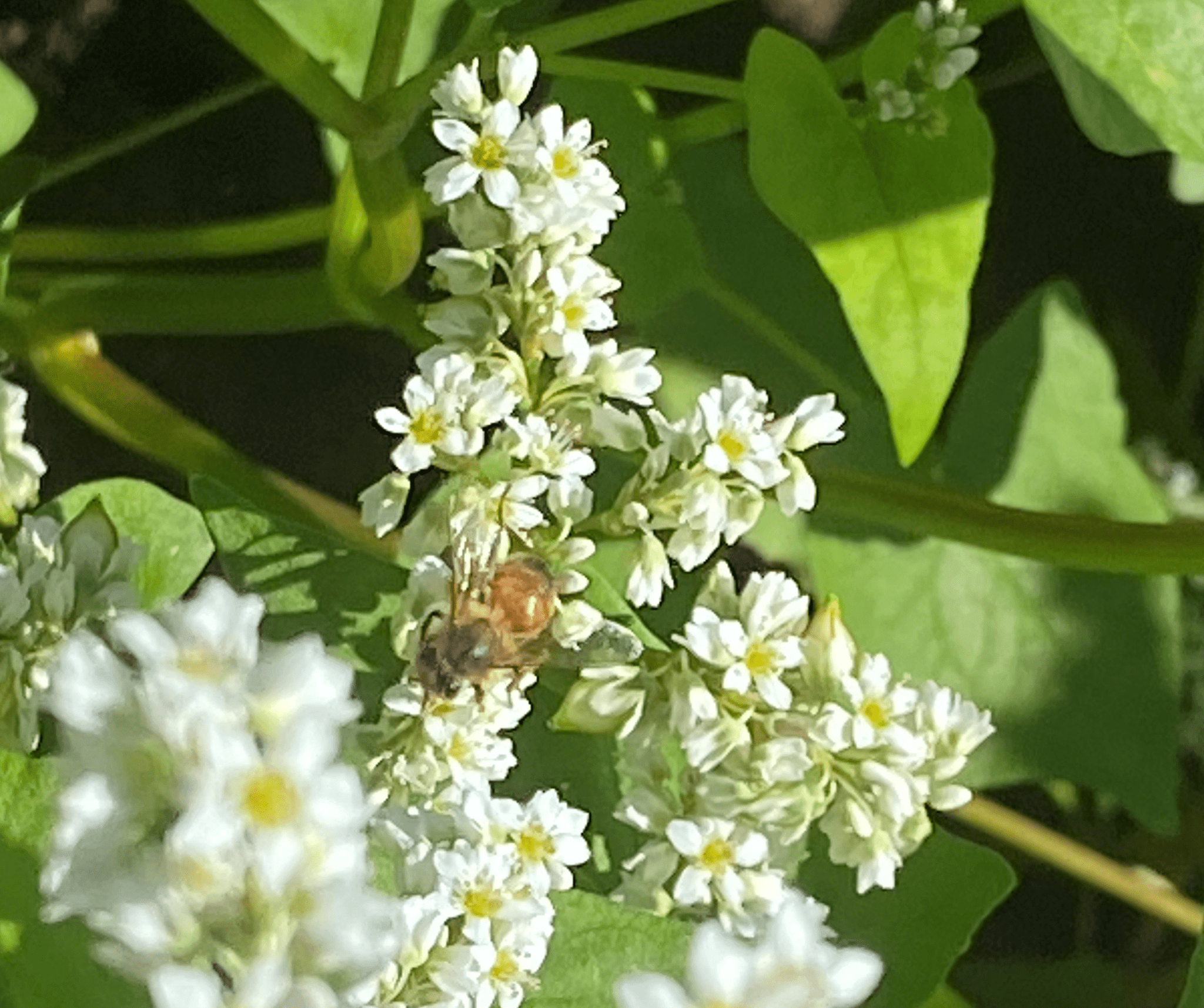
When we think of improving our digestion, we often look for quick fixes, but the real secret lies in nourishing our "second brain." The connection between buckwheat and gut health is rooted in its unique fiber profile and prebiotic properties. By providing the essential "food" your healthy gut bacteria need to thrive, buckwheat helps stabilize your microbiome, improve regularity, and even support your mental well-being through the gut-brain axis.
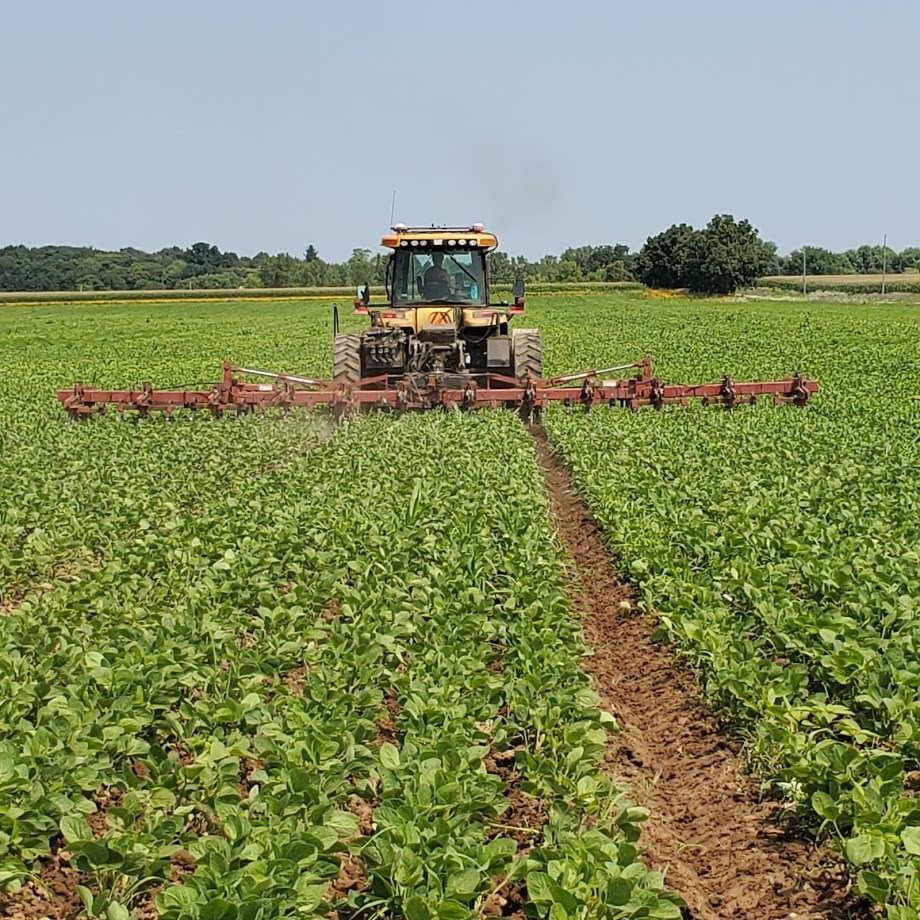
Behind every grocery shelf lies a growing divide: the high-efficiency, chemical-dependent world of "Big Ag" versus the regenerative, soil-first philosophy of small organic farms. The debate over industrial agriculture vs organic is about more than just labels; it’s a struggle for food sovereignty, environmental resilience, and community health. Explore how your food choices impact everything from the global carbon footprint to the survival of the independent family farm.
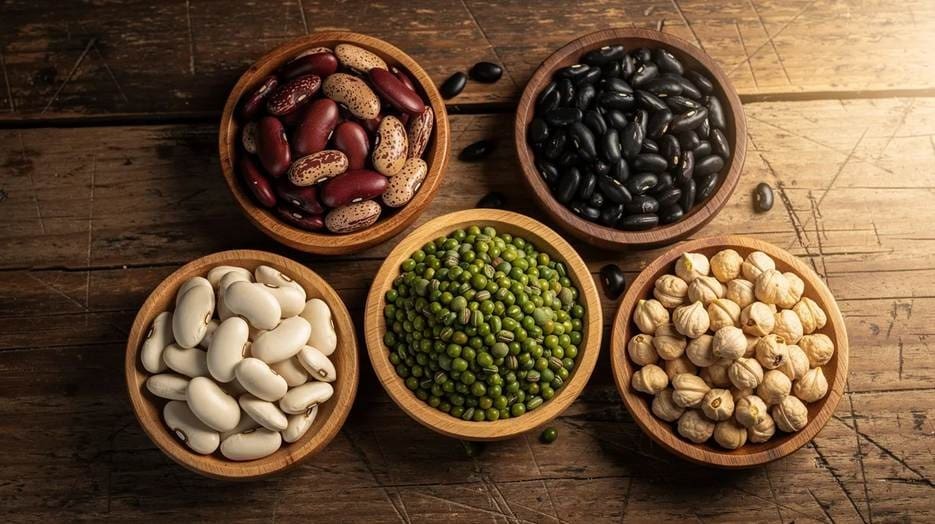
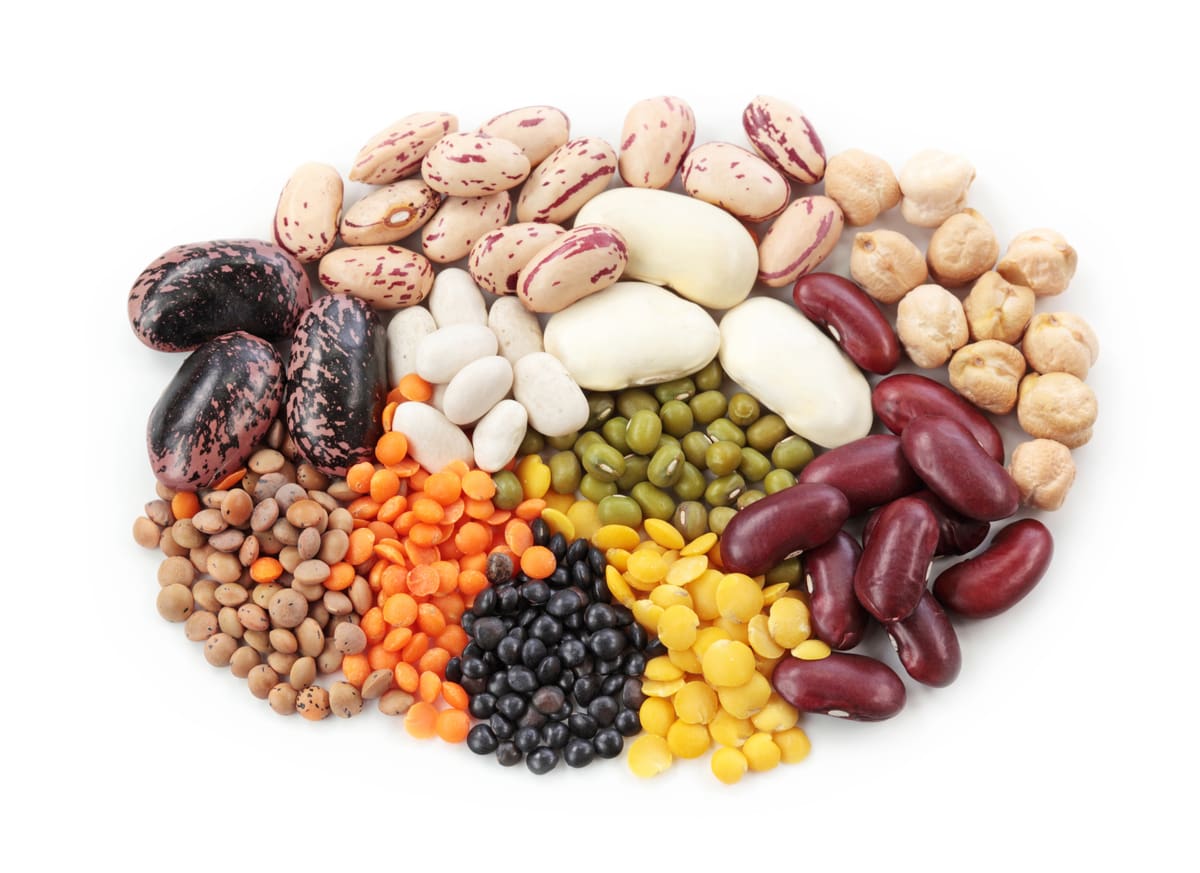
Many people transitioning to plant-based eating ask: Are beans a complete protein? While most beans are low in the essential amino acid methionine, they remain a nutritional powerhouse. Our guide explores the science of amino acids, identifies the "complete" exceptions like soybeans, and shows you how simple food pairings can ensure you get all the protein your body needs for long-term wellness.
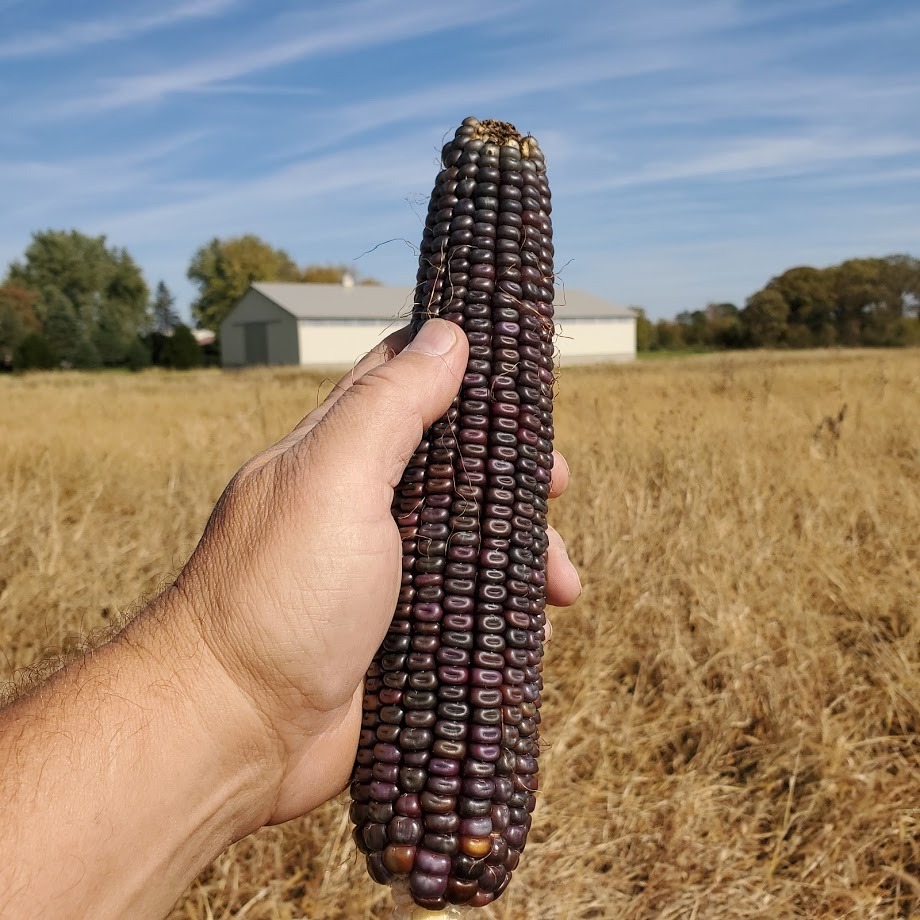
Looking for the best gluten-free cornbread that actually tastes like the real thing? This recipe skips the dry, crumbly texture of store-bought mixes and uses organic, non-GMO cornmeal to create a moist center with a signature cast-iron crunch. Whether you’re a lifelong gluten-free baker or just want a cleaner, more delicious side for your chili, this simple method is the only one you'll ever need.
national popcorn day