If you’ve ever wondered how many delicious things you can make with a single bag of organic cornmeal, the answer is: a lot. There are many recipes that use organic cornmeal, showcasing its versatility in breads, cakes, muffins, and more. From crispy coatings to wholesome breakfasts to a truly healthy cornbread that beats any boxed mix, organic stone-ground cornmeal is one of the most versatile baked goods ingredients you can keep in your pantry.
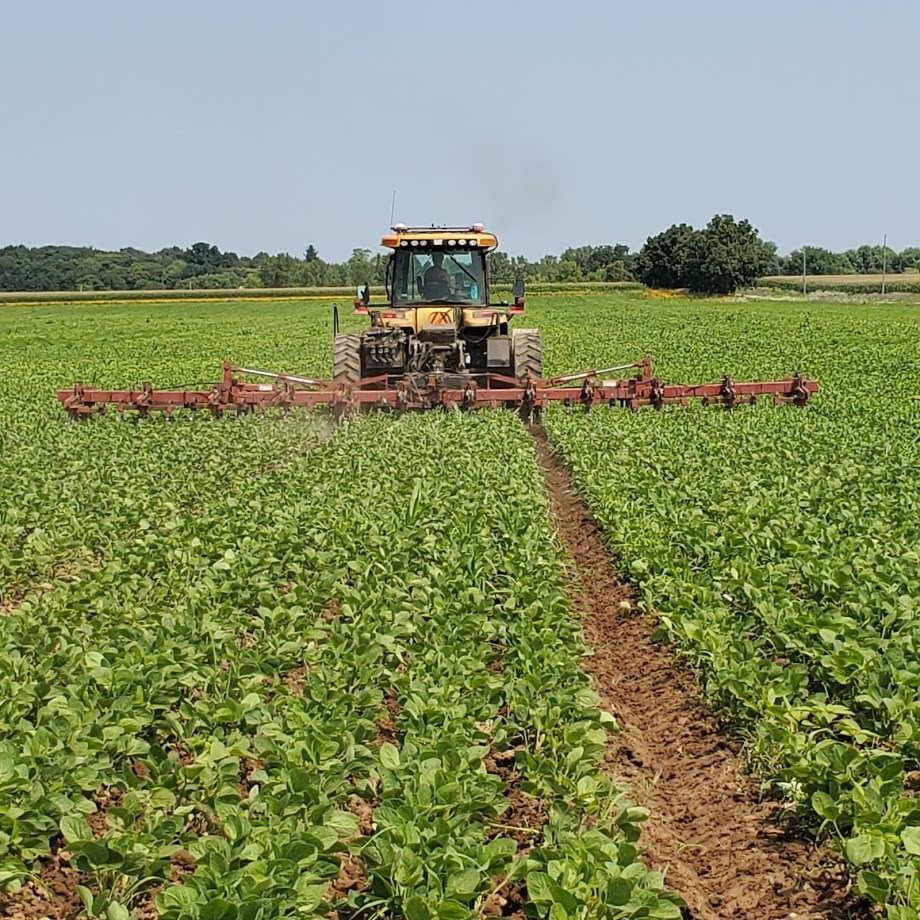
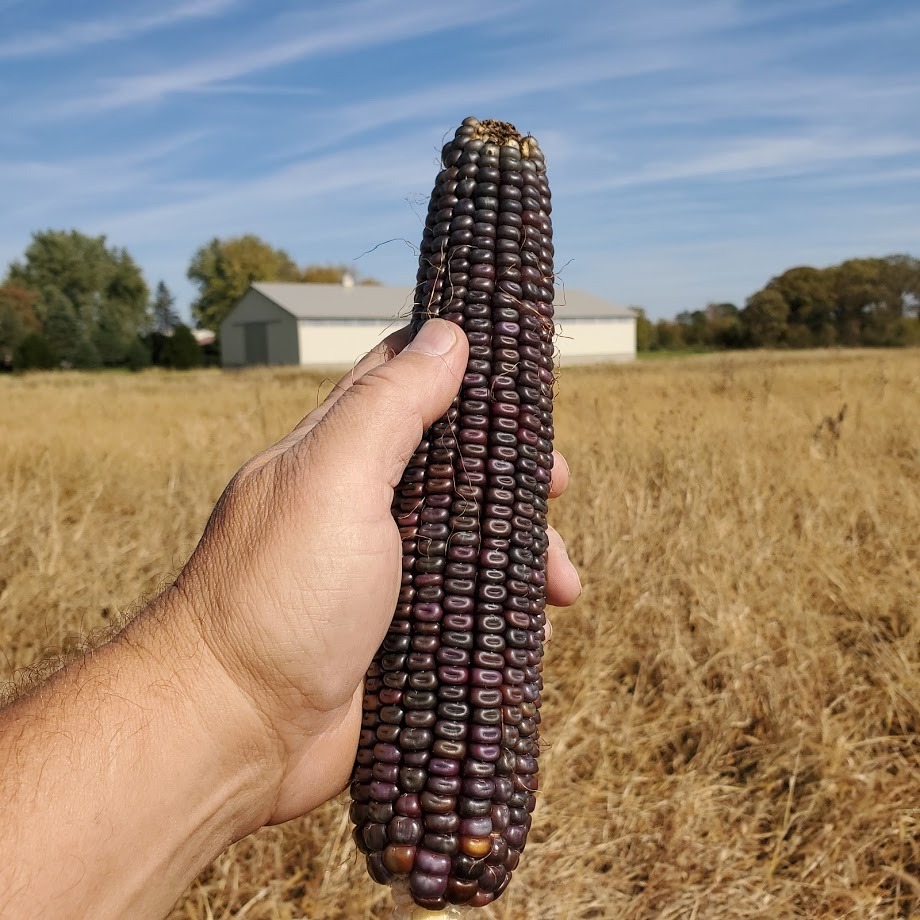
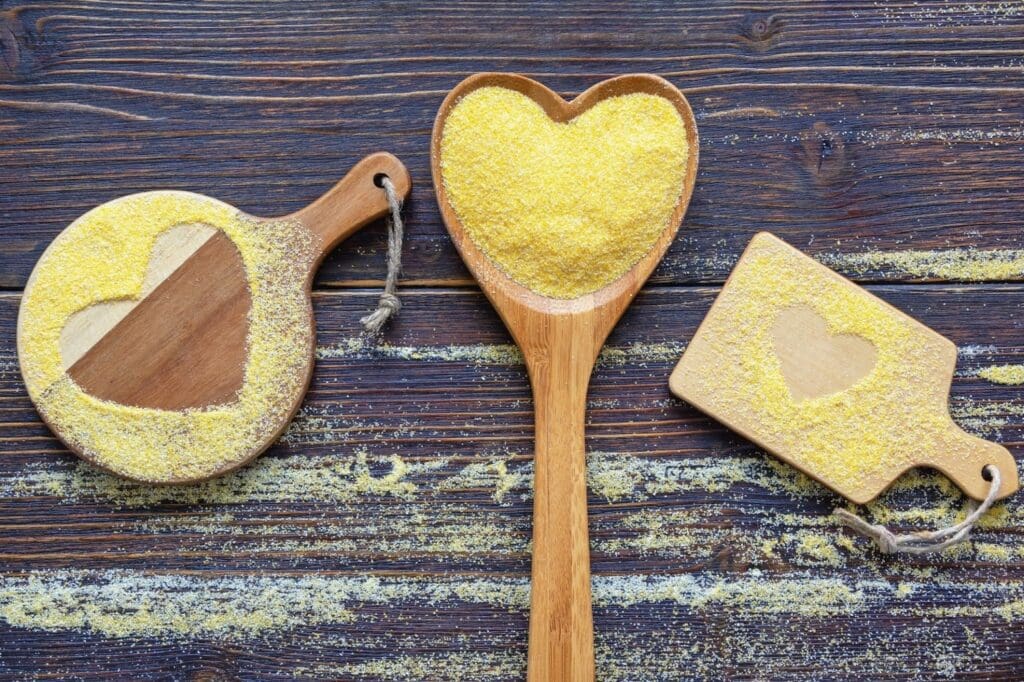
And when you use medium-grind cornmeal from a regenerative, organic farm like Doudlah Farms, you get cleaner ingredients, deeper flavor, and better nutrition—thanks to the whole-grain corn meal being minimally processed. It’s important to note that cornmeal is coarser than corn flour, which is much finer and can be used in baking to create a different, softer texture in recipes.
Here are seven easy ways to put organic cornmeal to work in your kitchen.
1. Healthy Cornbread (Classic, Sweet, or Skillet-Style)
One of the most popular organic cornmeal uses is making healthy cornbread—a classic cornbread that serves as a traditional, comforting side dish with a long history. This easy cornbread recipe is perfect for quick preparation, making it ideal for busy nights or novice bakers. As a homemade cornbread recipe, it emphasizes simplicity and authenticity, delivering a familiar taste that pairs perfectly with chili or bean soup. Whether you love sweet cornbread with pure maple syrup or a savory version with olive oil and herbs, organic cornmeal gives your bread a richer, more authentic flavor.
Try baking it in a cast iron skillet or iron skillet. The hot skillet creates a crisp, golden brown crust while keeping the inside tender and fluffy, resulting in moist cornbread that stands out as a favorite. Many people find this is the best homemade cornbread recipe because it delivers consistent results and receives positive feedback for its flavor and texture.
You can also portion batter into a prepared pan for cornbread muffins, or crumble leftover cornbread into soups, stuffing, or breakfast scrambles.
This recipe has received 5 stars from many home bakers for its taste, ease, and reliability.
2. Simple Cornmeal Pancakes
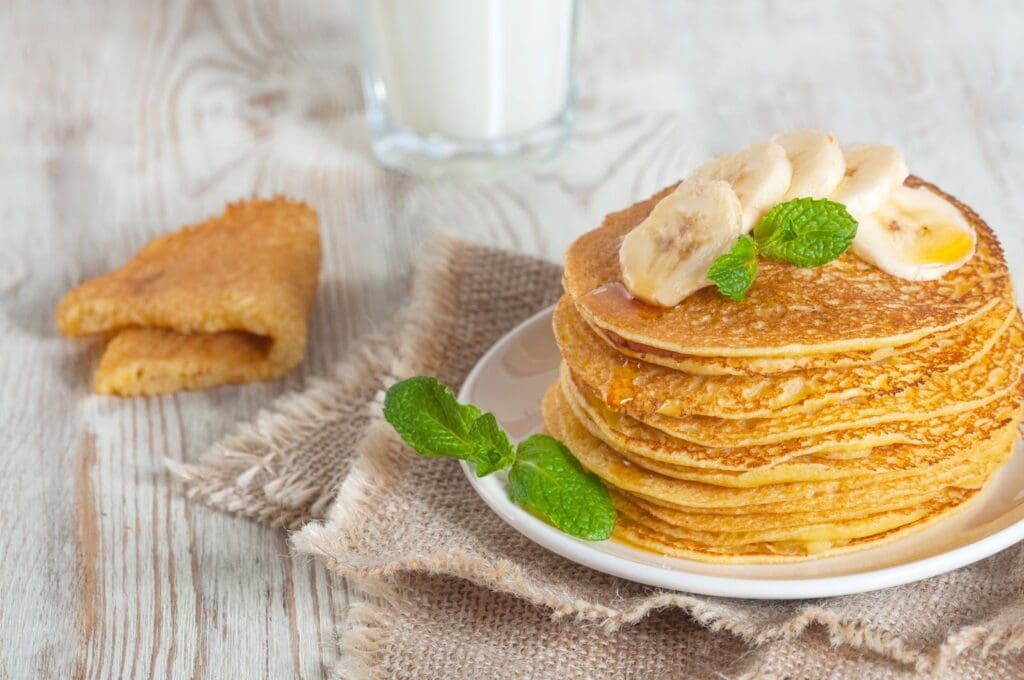
Cornmeal pancakes are a fast, whole-grain breakfast that’s naturally gluten free when made without wheat flour or all purpose flour. Mix organic cornmeal with Greek yogurt, almond milk, or unsalted butter to create a nutrient-dense breakfast you can serve warm with berries or maple syrup.
These make a great afternoon snack too—soft inside, slightly crisp outside, and filled with whole-grain goodness.
3. Cornmeal-Crusted Chicken, Fish, or Veggies
Cornmeal makes a naturally crunchy coating that fries beautifully in hot oil or bakes well for a lower-saturated fat option. Use it instead of wheat flour for a gluten-free crust on chicken, fish, or veggies like fried green tomatoes.
Combine your dry ingredients—cornmeal, flour, baking powder, salt, and any seasonings like herbs, paprika, or garlic powder—and mix them well to ensure even distribution. Then dunk your food into wet ingredients (egg or milk) before coating. This simple upgrade adds extra flavor without adding unnecessary additives or added sugar.
4. Skillet Cornbread With Whole Corn Kernels
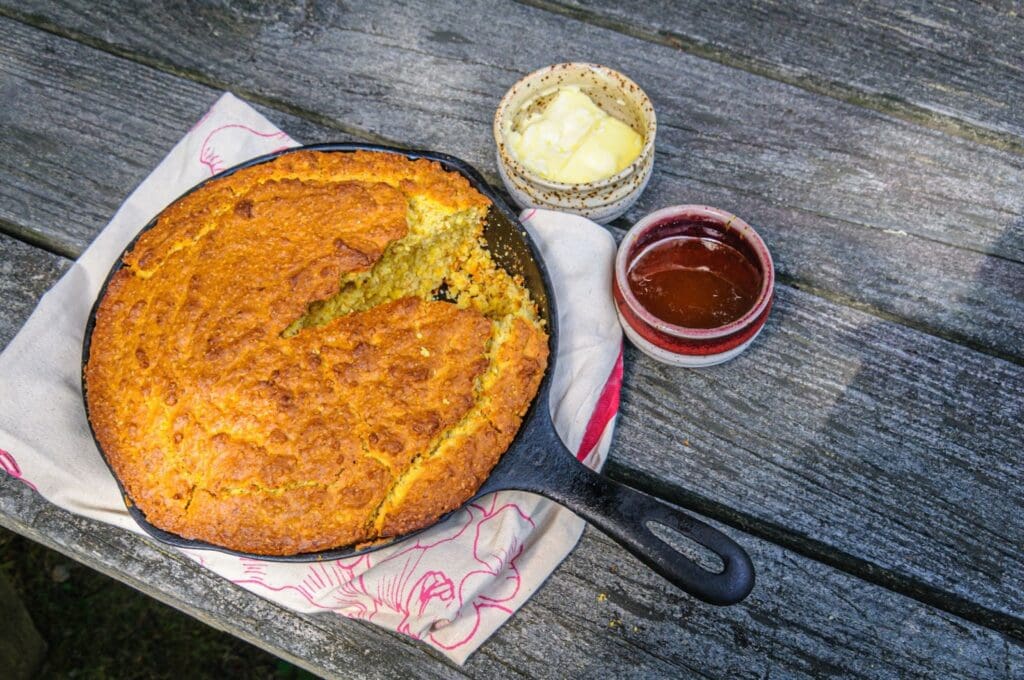
If you’re craving the perfect cornbread, try adding corn kernels—fresh, frozen, or even canned corn—to your batter. Combining organic cornmeal, melted butter, baking powder, and optional wheat flour or white whole wheat flour creates a hearty texture that holds up well in a hot skillet.
This is a great way to highlight the flavor of yellow cornmeal or a finely ground organic cornmeal blend. For best results, place the skillet in a preheated oven to ensure even baking and the best texture.
5. Homemade Cornmeal Pizza or Flatbread
A spoonful of organic cornmeal in your dough gives homemade pizza a rustic texture and a pleasantly crisp bottom. Use it along with olive oil or coconut oil in the dough, then bake on a hot pan or stone for a clean-ingredient alternative to store-bought crusts. For best results and to prevent sticking, lightly coat your baking pan or stone with nonstick cooking spray before assembling your pizza.
It’s also a fun snack idea for kids—top with veggies for more nutrient rich foods in your diet.
6. Thickener for Soups, Stews & Chili

Cornmeal is excellent for thickening savory dishes. Sprinkle a spoonful into chili, chowders, or bean soup to add body and a mild flavor boost. It’s a smart way to incorporate whole-grain nutrition without relying on heavy dairy or refined flour.
Because cornmeal absorbs liquid easily, it helps you make hearty meals with fewer calories without compromising flavor.
7. Easy Cornbread Dressing or Stuffing
If you love cornbread, turning it into cornbread dressing is an absolute must. Crumble your homemade cornbread into a bowl (large bowl, medium bowl, anything works), mix with broth, herbs, sautéed vegetables, and bake until set. For extra flavor and richness, top the finished dressing with salted butter before serving. It’s a classic holiday dish—and the deep flavor of organic cornmeal makes it even better.
Organic ingredients result in a cleaner, richer dish that’s better for your health and naturally gluten free when made without added flour.
Recipe Notes:
- For a gluten-free version, use gluten-free cornbread or bread.
- Adjust the herbs to your taste—try sage, thyme, or rosemary.
- You can substitute dairy-free butter for a dairy-free option.
- For a sweeter dressing, add a touch of honey or maple syrup.
- If you prefer a moister texture, increase the amount of broth.
8. Fried Green Tomatoes with Cornmeal

Fried green tomatoes are a Southern classic that truly shine when coated in a crispy cornmeal crust. For this recipe, start by slicing 2-3 green tomatoes into 1/4-inch thick rounds. In a shallow dish, combine 1 cup of cornmeal, 1/2 cup of all purpose flour, 1/2 teaspoon of salt, 1/4 teaspoon of black pepper, 1/4 teaspoon of baking soda, and 1/4 teaspoon of baking powder. Pour 1 cup of buttermilk into another dish. Dip each tomato slice into the buttermilk, then dredge in the cornmeal mixture, making sure each piece is well coated. Heat about 1/2-inch of vegetable oil in a large skillet over medium-high heat. Once the oil is hot, fry the tomatoes in batches until they’re golden brown and crisp, about 2-3 minutes per side. Drain on paper towels and serve hot for a deliciously crunchy side dish or appetizer. This recipe is a fantastic way to use cornmeal for extra flavor and texture.
Gluten-Free Options with Organic Cornmeal
If you’re looking for a gluten free twist on your favorite cornbread recipe, organic cornmeal makes it easy. Simply swap out the all purpose flour for a gluten-free flour blend—almond flour, coconut flour, or rice flour all work well. Make sure your cornmeal is labeled gluten free to avoid any cross-contamination. For the best results, use a gluten-free baking powder to help your cornbread rise and achieve that classic, fluffy texture. Adding a pinch of xanthan gum can also help mimic the structure of traditional flour. With these simple adjustments, you can enjoy moist, flavorful gluten free cornbread that everyone at the table will love.
Leftover Cornbread Ideas
Leftover cornbread is a treasure trove for quick meals and snacks. Crumble it into a bowl and toss with chopped tomatoes, cucumbers, and a tangy vinaigrette for a refreshing cornbread salad. For a savory twist, use leftover cornbread as the base for stuffing—just mix in herbs, spices, and a bit of grated cheese, then bake alongside chicken or fish. You can also cube leftover cornbread, toss with a drizzle of oil and your favorite seasonings, and bake until crisp to make homemade cornbread croutons—perfect for topping soups or salads. And if you’re craving something sweet, transform your leftover cornbread into a comforting pudding by mixing it with milk, eggs, and a touch of sugar before baking. These ideas ensure that not a crumb goes to waste!
Tips for Working with Organic Cornmeal

To get the best results from your organic cornmeal, start by choosing a fresh, high-quality product with the grind that suits your recipe—medium grind for hearty texture, or finely ground for a smoother finish. Always store your cornmeal in an airtight container in a cool, dry place to preserve its natural oils and flavor. When baking, remember that organic cornmeal can be more absorbent than conventional varieties, so you may need to add a bit more liquid to your batter for the perfect consistency. Don’t hesitate to experiment with different types of organic cornmeal to discover which works best for your favorite baked goods. With these simple tips, you’ll enjoy excellent cornbread and other recipes every time.
Storing Your Organic Cornmeal
Keep your organic cornmeal in an airtight container in a cool, dry place to preserve freshness. Stone-ground cornmeal contains more natural oils than processed varieties, so proper storage helps maintain flavor and quality.
For best results, check the nutrition serving information on your cornmeal packaging. A typical nutrition serving for organic cornmeal (about 1/4 cup or 30g) provides approximately 110 calories, 2g of fiber, and 2g of protein per serving.
Why Organic Cornmeal Makes a Difference
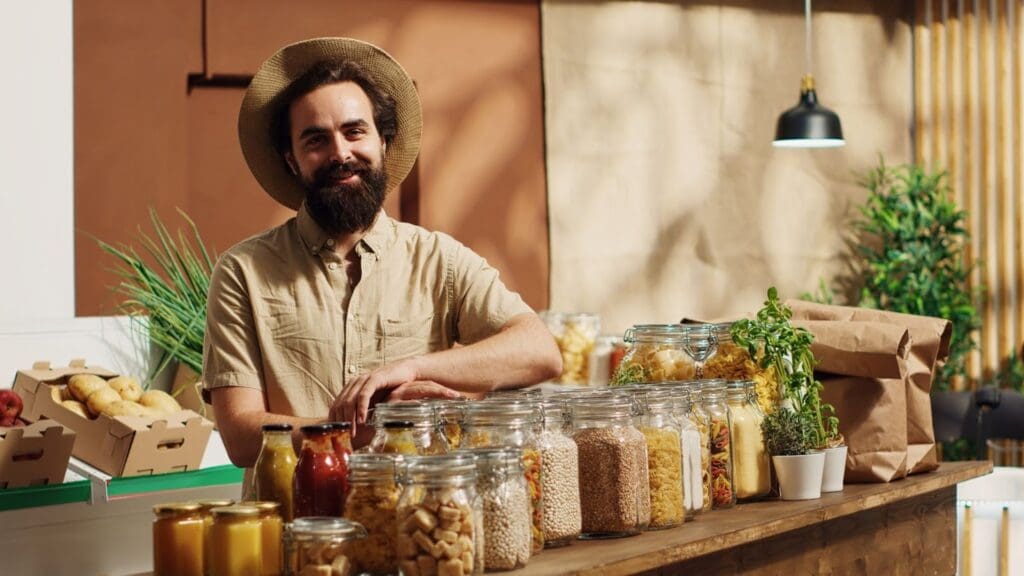
Organic, non-GMO, stone-ground cornmeal retains more fiber, healthy fats, and natural flavor. And when you buy directly from a family farm like Doudlah Farms, you’re supporting regenerative agriculture, cleaner food, and sustainable rural communities.
The difference shows up not only in your recipes—but also in the integrity of the local food system.
This blog post is rich with specific recipe ideas and information on a clean ingredient. Here are 5 informational and SEO-beneficial FAQs, focusing on keywords like “organic cornmeal,” “stone-ground,” “gluten-free,” “corn flour,” and “healthy cornbread.”

Frequently Asked Questions (FAQs) About Organic Cornmeal
1. What is the difference between organic cornmeal and corn flour, and can they be substituted?
Organic cornmeal is a coarse, whole-grain ingredient made from dried corn, resulting in a gritty texture ideal for giving cornbread, muffins, and coatings a rustic crunch. Corn flour, by contrast, is very finely ground and has a soft, powdery texture similar to all-purpose flour, making it better suited as a thickener or for creating a soft texture in baked goods. They are generally not direct substitutes; using corn flour instead of cornmeal will eliminate the desirable crunchy texture in recipes like skillet cornbread.
2. Is stone-ground organic cornmeal better than processed cornmeal, and why?
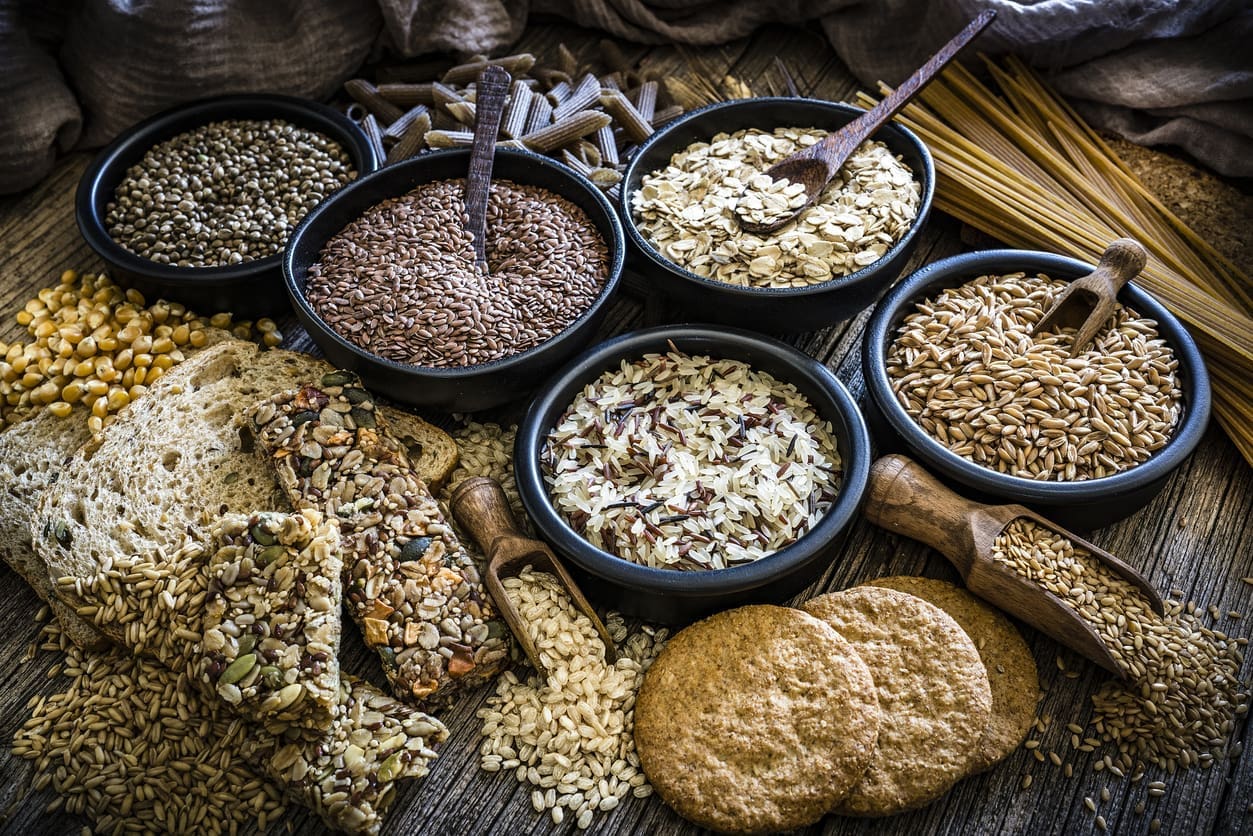
Yes, stone-ground cornmeal is generally considered superior because the traditional grinding process retains more of the whole corn kernel’s natural oils, germ, and bran. This minimal processing preserves more of the grain’s dietary fiber, healthy fats, and rich, natural flavor. Choosing organic, stone-ground cornmeal ensures you are getting a clean, whole-grain product with better nutrition and a deeper taste compared to highly processed alternatives.
3. How can I make a truly gluten-free cornbread using organic cornmeal?
To make a truly gluten-free cornbread, ensure your organic cornmeal is certified gluten-free to avoid cross-contamination. Simply replace any wheat flour (such as all-purpose flour or white whole wheat flour) in the recipe with an appropriate gluten-free flour blend, almond flour, or rice flour. Using a gluten-free baking powder and adding a small amount of xanthan gum can also help mimic the structural rise and texture provided by traditional flour.
4. What are the best savory and sweet uses for organic cornmeal outside of cornbread?
Organic cornmeal is extremely versatile. For savory dishes, it is excellent as a gluten-free coating for pan-fried chicken, fish, or fried green tomatoes, lending a superior crunch. It can also be used as an easy thickener for soups, stews, and chili. For sweet uses, it makes delicious whole-grain cornmeal pancakes and can be added to pizza dough or flatbread to create a rustic texture and pleasant crispiness.
5. Why should I choose organic cornmeal that supports regenerative agriculture?
Choosing organic cornmeal from farms committed to regenerative agriculture (like Doudlah Farms) ensures you are consuming cleaner ingredients grown without harmful synthetic chemicals or GMOs. Furthermore, this choice supports farming practices that actively improve soil health, promote carbon sequestration, enhance water retention, and strengthen the resilience of the local food system, leading to better nutrition and a more sustainable planet.