Cornbread is one of those comfort foods that feels timeless—but when it’s made with organic cornmeal and the right technique, it becomes something truly special. This recipe proves that gluten-free cornbread can be just as moist, flavorful, and satisfying as traditional versions made with wheat flour.
Because cornmeal is naturally gluten-free, it’s an ideal base for baked goods that don’t rely on refined flour. Whether you’re avoiding gluten for health reasons or simply want cleaner ingredients, this is one of those organic cornmeal recipes you’ll come back to again and again.
Gluten-free baking opens up a world of possibilities for anyone looking to enjoy classic comfort foods without gluten. While it can be tricky to replicate the familiar flavor and texture of traditional recipes, a thoughtfully crafted gluten-free cornbread recipe proves it’s possible to have the best of both worlds. The key is in choosing the right blend of ingredients and techniques to create a gluten-free cornbread that’s moist, delicious, and full of authentic corn flavor. Whether you’re baking for dietary reasons or simply want to try something new, this recipe will show you how to achieve the best gluten-free cornbread—one that’s every bit as satisfying as the original. Get ready to discover just how good gluten-free cornbread can be, with a recipe that delivers on both taste and texture.
High-quality cornmeal matters. Cornmeal is the traditional base for homemade cornbread, providing the essential flavor and texture that define this classic recipe. Organic, medium-ground cornmeal delivers better texture, richer corn flavor, and more consistent results when baking. It also avoids synthetic chemicals commonly used in conventional corn production.
When paired with simple ingredients, organic cornmeal creates good cornbread with a tender crumb, crisp crust, and balanced sweetness—without relying on processed shortcuts.
To prevent organic cornmeal from going rancid, it should be stored in the freezer.
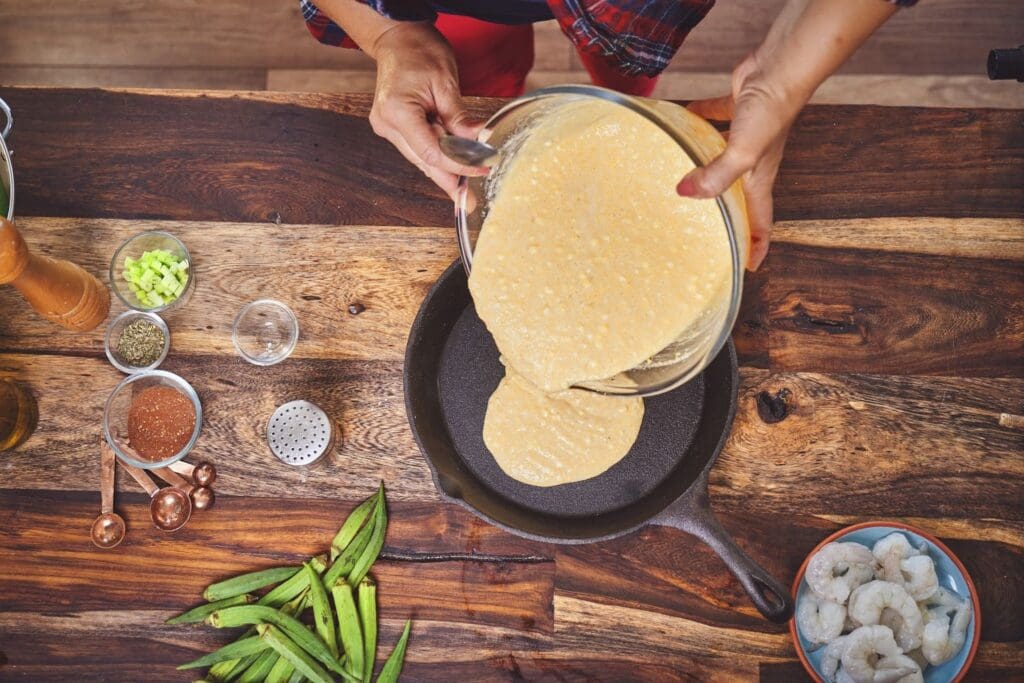
This gluten-free cornbread recipe is baked in a cast-iron skillet, which helps develop a crunchy golden crust while keeping the center of the bread soft and tender. Baking this bread in a cast iron skillet creates a classic texture—crunchy on the outside, soft on the inside—that is highly sought after in traditional cornbread. Cast iron also distributes heat evenly, making it ideal for cornbread and other baked goods.
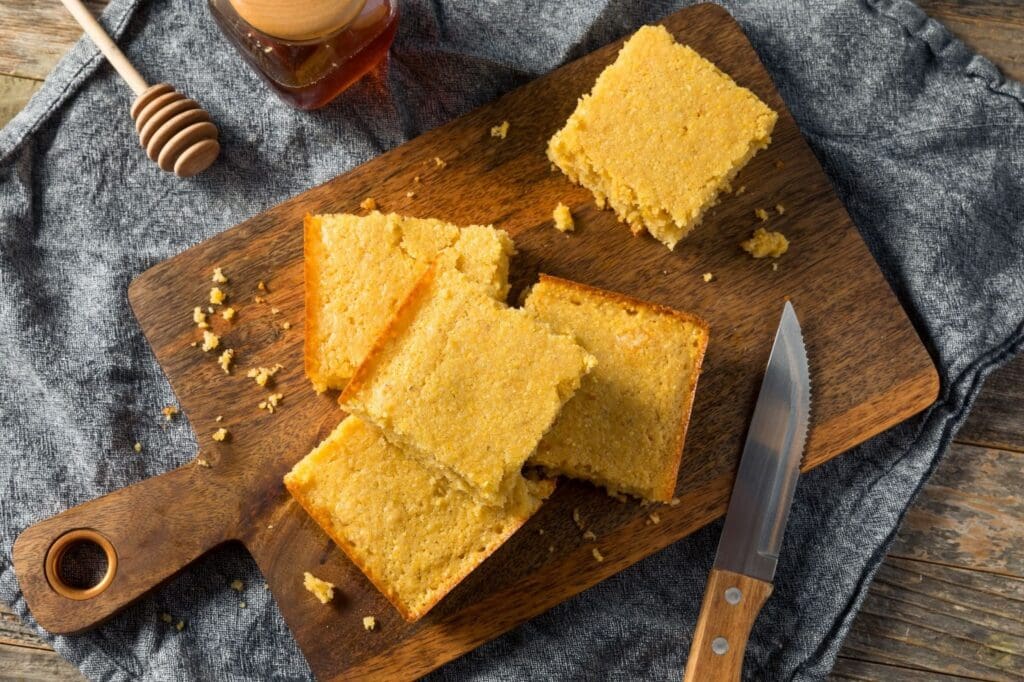
Each batch of this cornbread is consistent, moist, and delicious, ensuring quality results every time. Cornbread made with cornmeal tends to have a rustic flavor and a tender crumb, making it a staple bread to serve with butter or honey. If you prefer a sweet style of cornbread, honey is often used in recipes to add both sweetness and moisture. For extra moisture and tenderness, yogurt can be included in the ingredients.
This combination creates the best gluten-free cornbread texture—never dry, never crumbly, and full of flavor.
This method creates a crisp crust with a moist, tender crumb that holds together beautifully.
These small details make the difference between average cornbread and delicious, bakery-quality results.
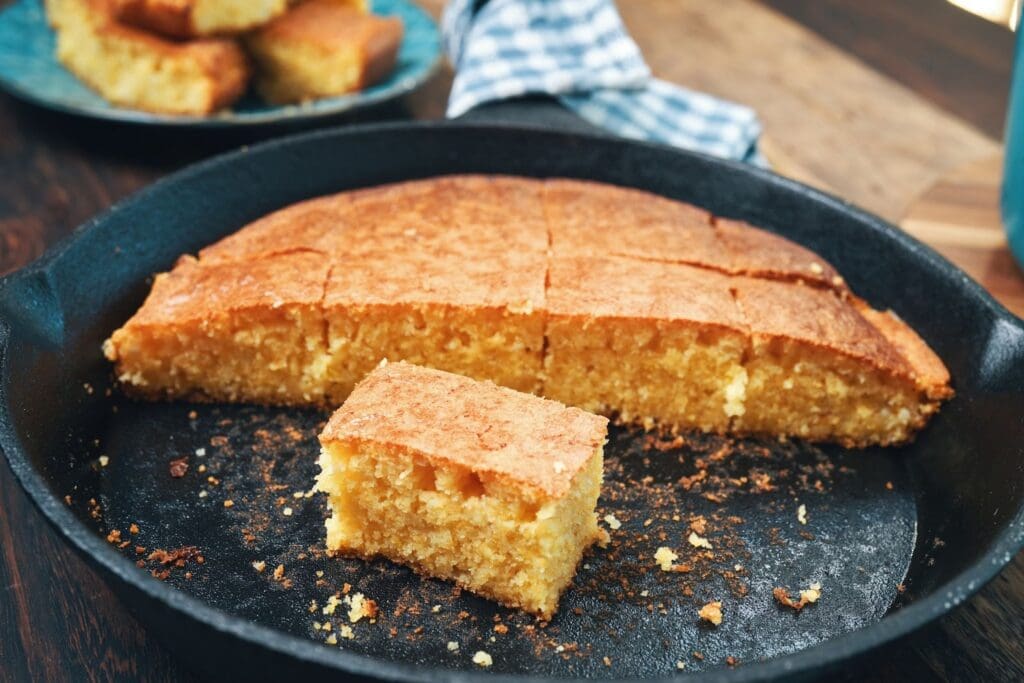
For the best gluten-free cornbread, a few simple baking and storage tips can make all the difference. Always start by preheating your oven to ensure even baking, and don’t forget to thoroughly grease your cast-iron skillet or prepared baking pan with melted butter or oil to prevent sticking and create a golden crust. After baking, let your cornbread cool completely before wrapping it up—this helps lock in moisture and keeps the crumb tender. Store your gluten-free cornbread in an airtight container at room temperature for up to three days, or freeze slices for longer storage. When you’re ready to enjoy it again, gently reheat in a low oven or microwave to preserve its soft texture. For an extra tender crumb, try combining cornmeal with a bit of corn flour, and remember to mix your batter just until combined—overmixing can lead to a dense loaf. With these tips, your gluten-free cornbread will stay moist, flavorful, and ready to enjoy any time.
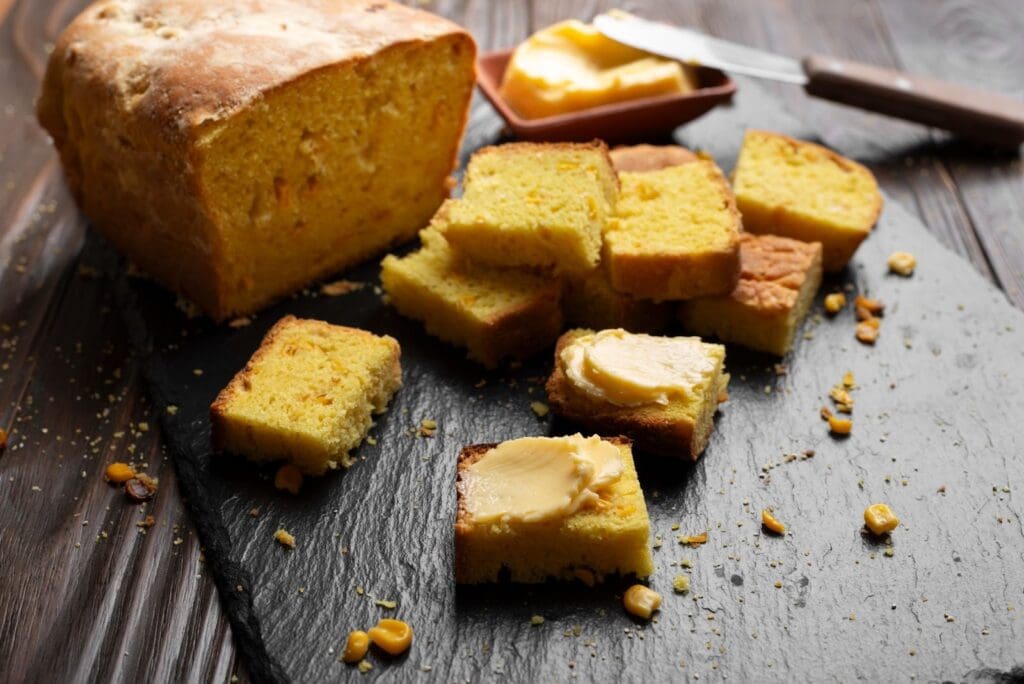
This gluten-free cornbread works for almost any meal:
Because it’s made with whole ingredients, this cornbread fits easily into everyday meals without feeling heavy.
Even the best gluten-free cornbread recipes can run into a few bumps along the way. If your cornbread turns out dry, try adding a spoonful of yogurt or sour cream to the batter for extra moisture. For a crumbly texture, consider reducing the amount of cornmeal slightly or adding a pinch of xanthan gum to help bind the crumb. Uneven baking is another common challenge—make sure to rotate your pan halfway through baking and check for doneness with a toothpick inserted in the center. Adjusting the ratio of wet to dry ingredients can also help you achieve the perfect texture. With a few tweaks and a little practice, you’ll be able to create gluten-free cornbread that’s moist, tender, and never crumbly—just the way you like it.
Using organic cornmeal means fewer additives and better ingredient integrity. Nutrition information for this recipe is automatically calculated using a nutrition analysis tool, ensuring convenience and accuracy. This recipe delivers a satisfying balance of carbohydrates, fat, and protein, making it a comforting but thoughtful addition to your table.
For those seeking gluten-free options, Cup4Cup’s gluten-free Cornbread Mix is made with only non-GMO corn and is certified Kosher by the Orthodox Union. The mix can be used in cast-iron pans, muffin tins, or cake pans, and results in authentic gluten-free cornbread.
Cornbread like this can be enjoyed regularly—not just as a treat—when it’s made with real food ingredients.
If you’ve been searching for organic cornbread that actually tastes good, this recipe delivers. It’s proof that gluten-free recipes don’t need to sacrifice flavor, texture, or tradition.
Among all organic cornmeal recipes, this one stands out for its simplicity, versatility, and crowd-pleasing results. Whether baked in a cast-iron skillet or as muffins, it’s cornbread the way it should be.
Yes, pure cornmeal is naturally gluten-free because it is made from ground corn, which does not contain gluten proteins. However, for those with Celiac disease or severe sensitivities, it is important to purchase organic cornmeal that is certified gluten-free to ensure there has been no cross-contamination with wheat during processing or packaging.
High-quality organic cornmeal, particularly a medium grind, provides a superior rustic texture and a richer, more authentic corn flavor. Choosing organic also ensures the corn was grown without synthetic pesticides or chemicals. For the best results, look for non-GMO options to maintain the ingredient integrity of your homemade cornbread.
The most effective way to ensure moist gluten-free cornbread is to incorporate ingredients like yogurt, buttermilk, or honey. These add essential moisture and fats that help bind the crumb. Additionally, using a gluten-free flour blend alongside the cornmeal provides better structure, preventing the bread from falling apart.
To prevent the natural oils in organic cornmeal from going rancid, it should be stored in an airtight container in the freezer. This preserves its freshness and flavor for a much longer period compared to room-temperature storage in a pantry, where it can lose its quality more quickly.
Baking in a preheated cast-iron skillet is the secret to achieving a traditional, crunchy, golden-brown crust. Cast iron distributes heat more evenly than glass or aluminum pans. When the batter hits the hot, greased surface of the skillet, it sears the edges instantly, creating that sought-after contrast between a crisp exterior and a soft, tender center.
Yes, this recipe is easily adaptable. For a dairy-free version, you can substitute melted butter with coconut oil and use a plant-based milk. For an egg-free version, a “chia egg” (1 tablespoon ground chia seeds mixed with 3 tablespoons water) or other commercial egg replacers can provide the necessary structure and moisture.