In today’s fast-paced world, clean eating has become more than a trend — it’s a way to reconnect with your food and health. While it might sound simple, truly understanding clean eating means knowing what’s in your meals, how they’re made, and where they come from.
Clean eating also involves avoiding or minimizing certain foods, particularly those that are highly processed or contain additives, as these can contribute to health issues such as high blood pressure, heart disease, and diabetes.
At Doudlah Farms, we believe real wellness begins with choosing whole foods, grown organically and enjoyed in their most natural state.
At its core, clean eating is about choosing minimally processed foods that are as close to nature as possible. Instead of relying on packaged meals filled with artificial ingredients, added sugars, or trans fats, this approach emphasizes whole food choices like whole grains, fresh fruits, and plant-based foods. To further support heart health, it’s important to choose low-fat or fat-free options, such as dairy products, and reduce saturated fat intake.
Eating this way supports a balanced diet and helps reduce exposure to harmful additives. Many foods, especially packaged and processed ones, contain added sugars and saturated fats, so it’s important to read labels and choose healthier options. It’s also about being mindful — taking time to eat more intentionally and appreciate foods that fuel your body rather than deplete it.

There’s strong evidence that clean eating offers significant health benefits. Choosing whole foods over ultra-processed foods can support heart health, lower cholesterol levels, and help maintain a healthy weight. Research continues to show that diets rich in plant-based ingredients can reduce the risk of chronic diseases like heart disease and chronic kidney disease.
When you eat fewer processed foods, you naturally reduce your sodium intake, added sugar, and saturated fat — all factors linked to high blood pressure, weight gain, and chronic disease management challenges. Replacing them with plant-based diet staples such as whole grains, fruits and vegetables, and lean protein promotes a healthier heart, stronger immune system, and better blood sugar control. Individuals following plant-based or vegan diets may need dietary supplements to ensure adequate intake of nutrients like vitamin B12, iron, and omega-3 fatty acids to support overall health.
Additionally, maintaining proper vitamin D intake is essential for bone health and immune function; this can be achieved through dietary sources, sun exposure, and consuming fortified foods.
Ready to make the switch? Here are a few clean eating tips from Doudlah Farms to help you begin your journey toward more mindful eating:
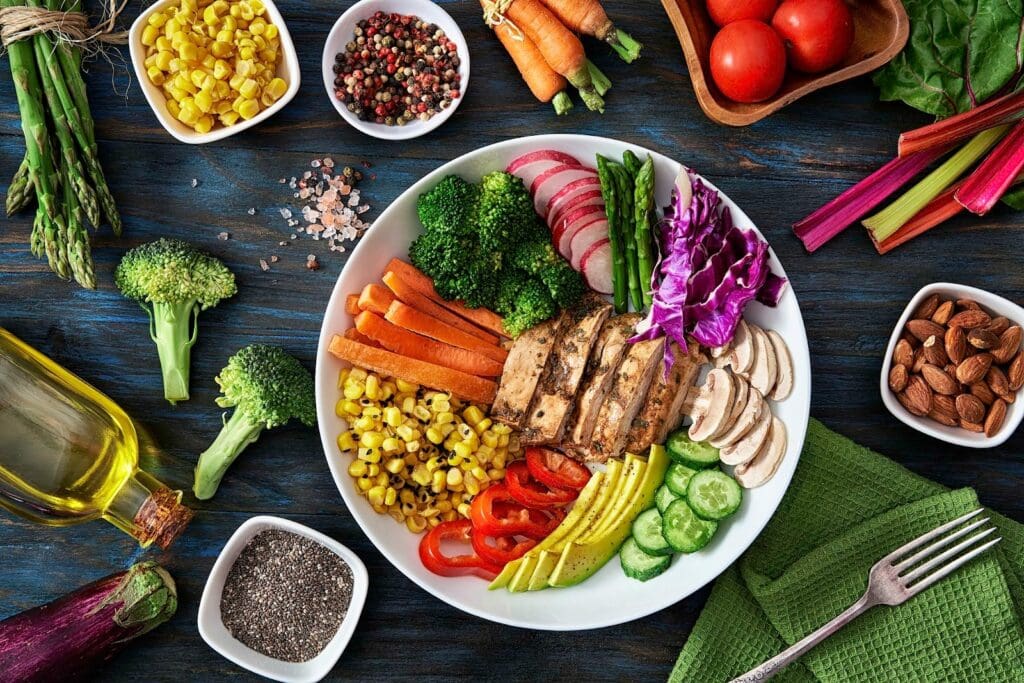
Whole grains like oats, quinoa, and wheat are pillars of a plant-based diet. Unlike refined versions, they retain their dietary fiber and key nutrients, making them excellent for digestion and chronic disease prevention. When you eat grains from Doudlah Farms, you’re choosing whole food nutrition that fuels energy, stabilizes blood sugar, and contributes to many health benefits over time.
Hydration is a cornerstone of a healthy diet and is often overlooked in discussions about clean eating. Drinking enough water each day is vital for supporting your body’s natural processes, from digestion to energy production. Research suggests that even mild dehydration can impact your mood, focus, and physical performance, making it harder to stick to healthy eating habits.
Whole foods like fresh fruits and vegetables are naturally high in water, helping you stay hydrated while providing essential nutrients. Incorporating plant-based beverages such as herbal teas or infused water can also boost your fluid intake without added sugars or artificial ingredients. For optimal health, aim for at least 8-10 glasses of water daily, and remember that foods rich in water content—like cucumbers, oranges, and leafy greens—count toward your hydration goals.
Staying hydrated not only supports weight loss and blood sugar control but also plays a key role in chronic disease management. By making hydration a priority alongside your whole food choices, you’ll be better equipped to maintain energy, focus, and overall well-being.

Mindful eating transforms the way you experience food by encouraging you to slow down and truly savor each bite. This practice is about being present during meals, paying attention to flavors, textures, and your body’s hunger and fullness cues. By focusing on the moment, you can develop a healthier relationship with food and make more intentional food choices.
Enjoying whole foods—like whole grains, lean meats, and a colorful array of fruits and vegetables—becomes even more rewarding when you eat mindfully. Research suggests that mindful eating can help reduce overeating, support weight loss, and even lower the risk of chronic diseases such as heart disease and diabetes. It also enhances the nutrition benefits you receive from your meals, as you’re more likely to choose foods that nourish your body.
Incorporating mindful eating into your daily routine can be as simple as turning off distractions during meals, chewing slowly, and appreciating the effort that goes into preparing your food. Over time, this approach can lead to more balanced eating habits and a greater sense of satisfaction from your meals.
Eating well doesn’t have to mean spending more. With a little planning, you can enjoy a healthy diet rich in whole foods without straining your wallet. Start by focusing on affordable staples like whole grains, fresh fruits, and seasonal vegetables. Buying in bulk or choosing plant-based foods such as beans, lentils, and tofu can stretch your grocery budget while providing many health benefits.
Meal planning is key—create a weekly menu, make a shopping list, and stick to it to avoid impulse buys. Cooking at home allows you to control ingredients and portion sizes, making it easier to maintain healthy eating habits. Enhance the flavor of your meals with herbs and spices instead of pricier sauces or condiments.
By making smart food choices and prioritizing whole food options, you can enjoy the many health benefits of a balanced, plant-based diet without overspending. Remember, healthy eating is about consistency and creativity, not cost.
Dining out doesn’t have to derail your healthy diet. With a bit of preparation, you can make choices that align with your clean eating goals. Look for menu items that feature whole foods, such as grilled lean meats, brown rice, and steamed or roasted vegetables. Plant-based dishes like salads, vegetable stir-fries, and soups made with organic ingredients are often packed with nutrients and flavor.
Research suggests that choosing restaurants that prioritize minimally processed foods and organic ingredients can help support chronic disease prevention and management. Be mindful of added sugars and saturated fats, which are common in sauces and dressings. Opt for water or unsweetened plant-based beverages instead of sugary drinks, and pay attention to portion sizes to avoid overeating.
By making informed decisions and seeking out minimally processed options, you can enjoy eating out while still supporting your health and well-being.

Adopting a healthy eating plan can come with its share of obstacles, from busy schedules to cravings for less nutritious foods. However, with the right strategies, these challenges can be managed. Research suggests that meal planning, regular grocery shopping, and preparing meals at home can save time and support weight loss and chronic disease management.
If access to whole foods is limited, look for frozen fruits and vegetables or whole grains that store well and are easy to prepare. Finding healthy alternatives to favorite comfort foods—like swapping regular fries for baked sweet potato fries—can make the transition to a balanced diet more enjoyable.
Staying hydrated, practicing mindful eating, and seeking support from friends, family, or a healthcare professional can help you stay on track. A balanced diet rich in whole foods, whole grains, fruits, vegetables, and lean proteins offers many health benefits, including reducing the risk of heart disease, certain cancers, and other chronic diseases. With persistence and a positive mindset, you can overcome common challenges and achieve your health and wellness goals.
Clean eating isn’t just about personal health — it’s about supporting sustainable farming. When you buy from organic farmers like those at Doudlah Farms, you help reduce the environmental impact of processed foods and encourage regenerative agriculture that protects the soil and future food systems.
Choosing plant-based options more often, limiting animal products, and exploring plant-based beverages can lower your risk of chronic diseases and promote long-term wellness.

Many people turn to clean eating to lose weight, and for good reason. Research suggests that focusing on whole food ingredients instead of processed foods or drinks high in added sugar can support weight loss while improving digestion and blood pressure regulation. When your diet centers on fruits and vegetables, plant-based foods, and lean protein, your body naturally finds balance.
A plant-based diet focuses primarily on plant foods, while clean eating includes whole foods from both plants and lean meats or dairy products — as long as they’re minimally processed.
Absolutely. A clean eating lifestyle reduces exposure to added sugars, saturated fat, and too much salt, which can help prevent heart disease, chronic kidney disease, and other chronic diseases.
Replace breakfast cereals with whole grains, use olive oil instead of butter, and swap refined sugars for natural sweeteners like maple syrup or lemon juice for flavor.
At Doudlah Farms, we grow the whole foods that make clean eating simple — and delicious. From whole grains to organic plant-based snacks, our products are rooted in nature and crafted for those who want to eat better, live sustainably, and experience the full health benefits of real food.