Understanding Nutrient Retention for Better Flavor, Better Health, and Better Beans
If you love cooking beans at home, you’ve probably wondered whether certain cooking methods protect more nutrients than others. Whether you prefer soaking beans, using an electric pressure cooker, or opening a can of canned beans on a busy night, the way you cook beans can impact nutrient retention, flavor, and texture. At Doudlah Farms, we’re passionate about real nutrition and real food—so today we’re breaking down the science behind the cooking process, which methods offer the best nutrient retention, and how to get the most out of your favorite beans.
When starting with dried beans, it’s best to spread them out on a baking sheet to sort through and remove any debris or stones before cooking. After sorting, rinse the beans thoroughly to remove dust and impurities. For most recipes, using one pound of dried beans is a standard measurement, making it easy to prepare a big batch. Beans should be soaked before cooking to reduce cooking time and improve texture.
Beans—no matter the type—are nutritional powerhouses. Pinto beans, black beans, kidney beans, garbanzo beans, white beans, navy beans, chickpeas, and lentils all provide protein, fiber, minerals, and water-soluble vitamins that support overall nutrition and good health. Lentils, in particular, are great for thickening soups and stews and are quick to cook. Aromatics like onions, garlic, and mushrooms can be added to enhance flavor.
When comparing dried beans to beans stored in cans, dried beans are often more cost-effective, but canned beans offer convenience for quick meal prep. No matter which you choose, following a recipe ensures consistent results and delicious, ready-to-eat dishes. Eating beans regularly is an excellent way to support a healthy diet and meet your nutritional needs.
Below is a complete guide to how cooking, boiling, simmering, and other techniques influence nutrients, nutrient loss, and the overall nutritional value of your favorite legumes.
All beans—no matter the variety—soften through hydration and heat. When you cook beans, heat breaks down tough cell walls and helps starches gelatinize. This improves taste, reduces a natural toxin present in some legumes, and makes nutrients easier to absorb.
However, because many important nutrients are water-soluble vitamins, some nutrient degradation and nutrient loss can occur if the cooking liquid or cooking water is poured down the drain. That’s why some people save or reuse bean broth or incorporate the liquid into soups, stews, and other dishes. In addition to nutrient loss, food processing can also involve adding nutrients through enrichment or fortification to improve the nutritional profile of beans.
The good news? You can promote nutrient retention by choosing the right method and keeping the right ingredients—like soaking water, aromatics, or other ingredients—in the pot. Various factors, such as storage conditions, packaging, and oxygen exposure, also influence how well nutrients are retained in beans after cooking or during storage.
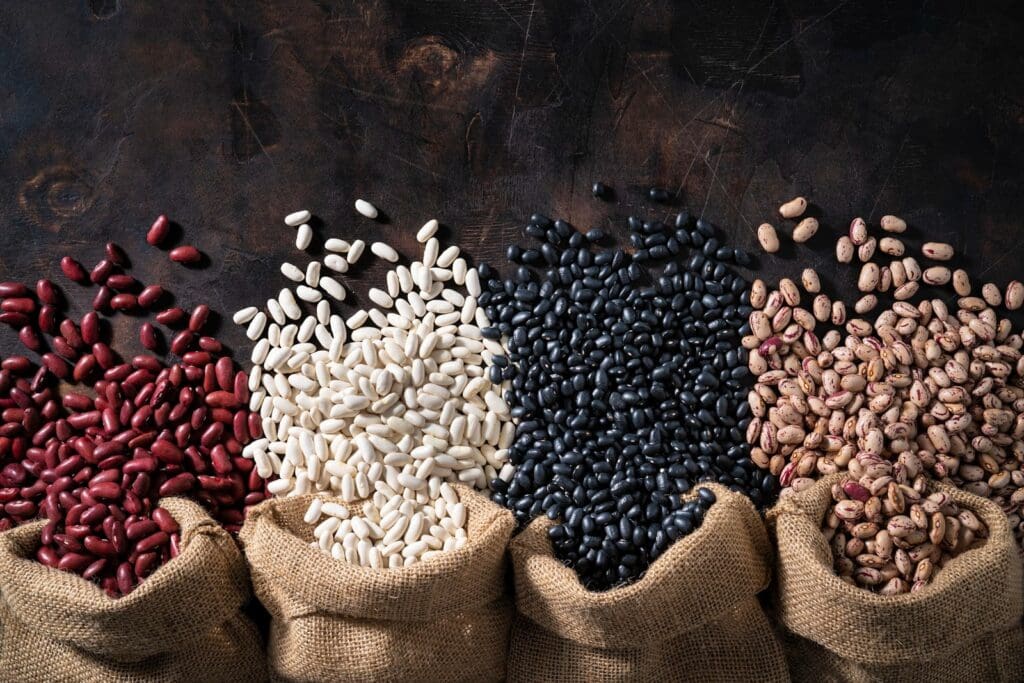
Beans are a staple in kitchens around the world, and for good reason—they’re packed with nutrients, easy to cook, and incredibly versatile. Whether you’re simmering a pot of pinto beans, tossing black beans into a salad, or blending garbanzo beans for creamy hummus, each type of bean brings its own unique nutritional value to the table.
Pinto beans are a favorite for their creamy texture and mild flavor. They’re loaded with fiber—about 9 grams per cup of cooked beans—and are a great source of folate, magnesium, and potassium. These nutrients support heart health and help keep you feeling full and satisfied.
Black beans stand out for their high levels of antioxidants, vitamin C, calcium, and iron. Their deep color signals a rich supply of phytonutrients, which can help fight inflammation and support overall wellness. Black beans are delicious in soups, stews, and even as a base for veggie burgers.
Kidney beans are another nutritional powerhouse, offering plenty of protein, fiber, folate, and magnesium. They’re low in fat and calories, making them a smart choice for anyone looking to add more plant-based protein to their diet. Kidney beans hold up well in chili and hearty stews.
Navy beans—small, white, and mild—are packed with fiber and protein, plus a healthy dose of folate and potassium. They’re often used in classic baked bean dishes and soups, where their creamy texture shines.
Garbanzo beans (also known as chickpeas) are a staple in Mediterranean and Middle Eastern dishes. They’re rich in protein, fiber, and antioxidants, and provide important vitamins and minerals like iron and magnesium. Chickpeas are perfect for salads, curries, and, of course, homemade hummus.
No matter which bean you choose, you’ll be adding a nutrient-dense ingredient to your meals. To promote nutrient retention, cook beans in a large pot with plenty of water and add aromatics like onion, garlic, and a splash of olive oil. These not only boost flavor but can also help your body absorb more nutrients from your beans.
For the best results, soak beans overnight to reduce cooking time and improve digestibility. After cooking, store cooked beans in an airtight container in the fridge for up to five days, or freeze them in freezer bags for longer storage. This makes it easy to add home-cooked beans to dishes throughout the week.
Canned beans are a convenient option when you’re short on time, but keep an eye on added salt and preservatives. Rinsing canned beans can help reduce sodium, but home-cooked beans give you more control over the cooking process and the ability to add your favorite ingredients for extra nutrition and flavor.
Experiment with different cooking methods—boiling, simmering, or using an electric pressure cooker—to find what works best for your kitchen and schedule. No matter how you cook them, beans are a delicious, nutritious addition to soups, salads, stews, and countless other dishes. With a little planning and the right ingredients, you can enjoy the full nutritional value of beans in every meal.
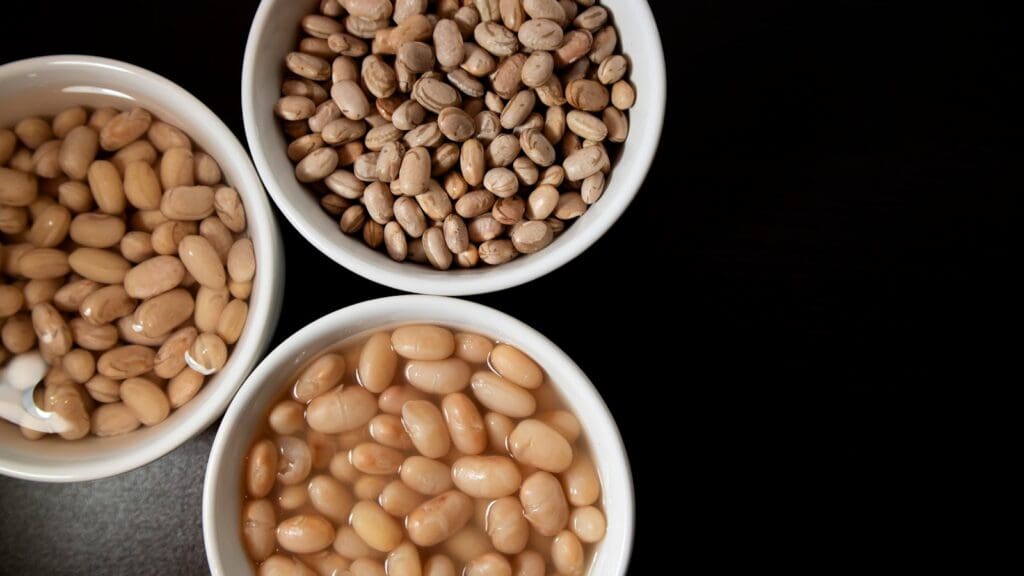
Many people soak beans to reduce cooking time, make them easier to digest, and help them cook evenly in a large pot or pot of beans. When you soak beans, especially when you soak overnight, water begins breaking down the complex sugars that can cause digestive discomfort.
Soaking leads to more evenly cooked beans, but some vitamins dissolve into the soaking water. If you discard it, you may discard a small amount of nutrient content.
Still, soaking has major benefits:
At Doudlah Farms, we recommend soaking for most varieties—especially our organic pinto beans, black beans, and kidney beans.
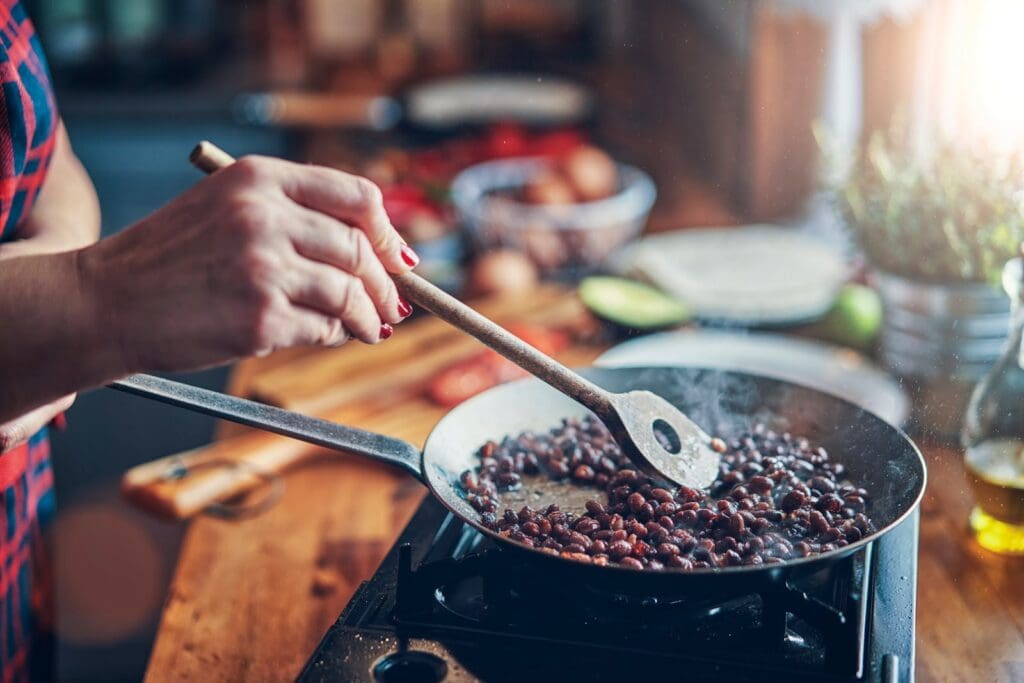
Stovetop cooking beans is the traditional method: add beans, water, sometimes olive oil, garlic, onion, vegetables, other aromatics, and gently simmer until tender.
Boiling and simmering can cause nutrient losses, especially if you drain the cooking water. But it also creates incredibly flavorful cooked beans—especially if you add salt at the end, not the beginning. Many cooks believe adding salt early makes beans tough, though research shows you can add salt at almost any point without harming texture.
To get the best results:
Stovetop cooking also gives you control over heat, which helps protect nutrients better than very high temperatures.
Using an electric pressure cooker is widely considered the healthiest way to cook beans because it shortens cooking time, uses less water, and preserves more nutrients.
Pressure cooking:
It’s also a great method for cook dried beans and cook dry beans, especially when you need a quick meal without sacrificing nutritional value.
For busy families, canned beans and canned legumes are a lifesaver. They are fully cooked, shelf-stable, and versatile.
Contrary to popular belief, canned beans still have excellent nutritional value. They may show slightly more nutrient losses from processing, but they remain a rich source of protein, fiber, and minerals. Rinsing them can reduce sodium, but rinsing may also wash away a small amount of nutrients.
If you’re looking for convenience without compromising too much on nutrition, canned beans are a reliable option.
When you store cooked beans, place them in an airtight container or freezer bags. This preserves nutrients and flavor. Many people freeze a big batch to simplify weekly cooking.
Whenever possible, save the bean broth. This nutritious liquid contains minerals, flavor, and dissolved vitamins.
Using olive oil, garlic, onion, and other aromatics enhances flavor without harming nutrients. It even helps your body absorb some fat-soluble vitamins.
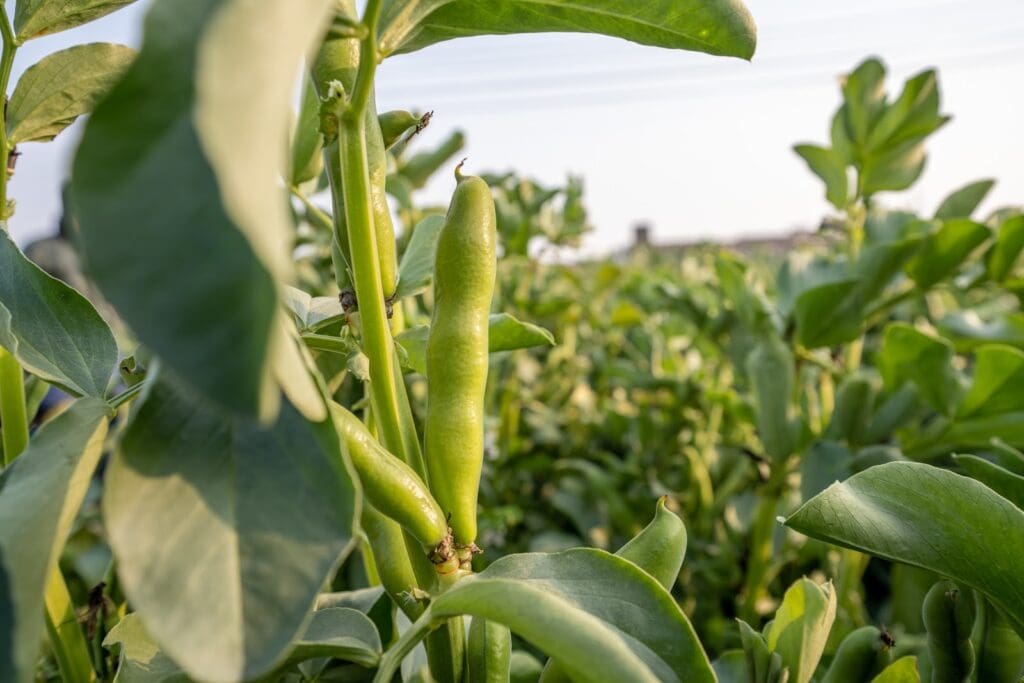
No matter how you cook, nothing impacts nutrition more than how the bean was grown. At Doudlah Farms, we focus on soil regeneration, nutrient density, and organic farming—so every bag of our beans, beans, or food products starts with a commitment to real nutrition education, sustainable land management, and flavor you can’t get anywhere else.
Whether you choose stovetop cooking, pressure cooking, or soaking and simmering, your eating experience always starts with high-quality ingredients.
Pressure cooking generally offers the best nutrient retention because it reduces cooking time, limits water loss, and protects heat-sensitive vitamins.
Yes, soaking beans helps soften dried beans, reduces cooking time, and makes cooking beans more consistent. It may slightly reduce nutrient content through the soaking water, but the improved texture is worth it.
Canned beans retain most of their nutrients. They are a great, convenient option for quick meals.
Use olive oil, garlic, onion, and herbs. Add aromatics during simmering, and always add salt toward the end for the best flavor.
Absolutely. Just store them in freezer bags or an airtight container. Freezing preserves both texture and nutritional value.