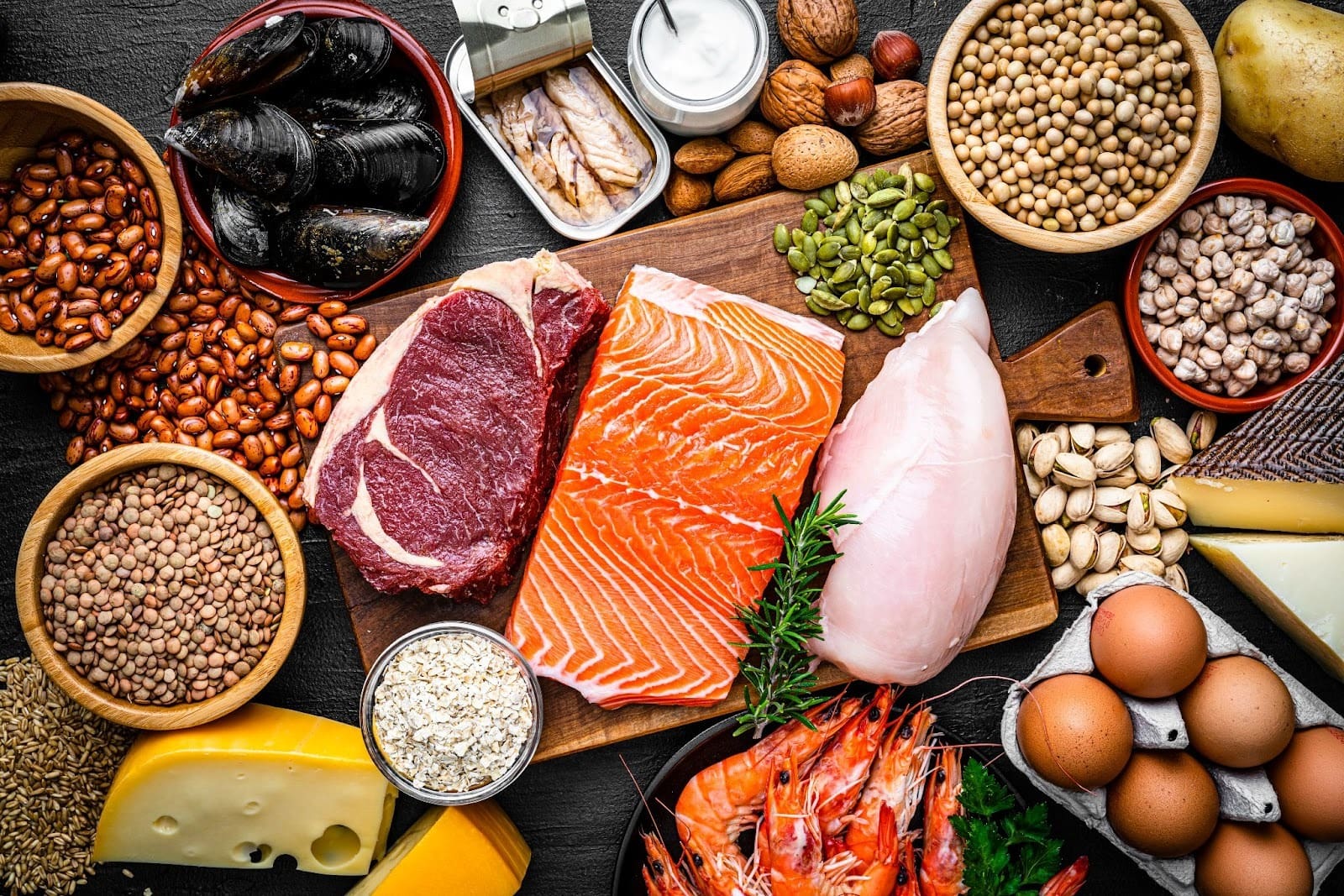
When most people think of hunger, they imagine an empty stomach. But there’s another, less obvious form of malnutrition affecting millions of people—even those who eat plenty of calories every day. It’s called hidden hunger, and it plays a major role in weight gain, low energy, long-term health issues, and contributes to various health risks.
Understanding hidden hunger can completely change how you approach food, helping you focus on nutrient-dense foods that support both health and sustainable weight management.
Hidden hunger occurs when your body lacks essential vitamins and minerals—despite consuming enough (or even too many) calories.
For example, vitamin A is an essential vitamin that is often lacking in cases of hidden hunger, and its deficiency can lead to serious health issues, especially for children and women of reproductive age.
This often happens when diets are high in:
These foods provide empty calories—energy without meaningful nutrition. As a result, your body may feel full, but it’s still searching for key nutrients.
At first glance, it seems counterintuitive: how can someone gain weight and still be undernourished?
The answer lies in how the body responds to micronutrient deficiency.
When your body lacks essential nutrients:
This creates a cycle:
Eat low-quality food → feel unsatisfied → eat more → still lack nutrients
Hidden hunger can increase the likelihood of becoming overweight or obese, as persistent cravings and overeating often lead to excess calorie intake and weight gain.
Over time, this pattern makes weight management much more difficult.

One of the biggest misconceptions in nutrition is that weight is only about calories. While calories matter, food quality vs quantity is just as important—if not more.
For example:
It’s important to recognize that different foods have vastly different effects on health and nutrition, even if they contain the same number of calories.
The second option supports whole food nutrition, keeps you satisfied longer, and helps prevent overeating.
Hidden hunger isn’t always obvious, but there are common nutrient deficiency symptoms to watch for:
These symptoms are some of the negative effects of hidden hunger on the body.
These signs often indicate your body needs better nutrition—not just more food.
Modern diets are heavily reliant on ultra-processed foods, which are engineered for taste and convenience—but not for nutrition.
These foods tend to be:
Many ultra-processed foods also contain trans fats, which are associated with increased health risks and are a major concern in healthy eating guidelines.
Because they digest quickly, they spike blood sugar and leave you feeling hungry again soon after eating.
The solution to hidden hunger isn’t eating less—it’s eating smarter.
Nutrient-dense foods provide a high concentration of vitamins, minerals, fiber, and protein relative to their calorie content. These foods help regulate appetite and support healthy weight loss naturally.
Key benefits include:
In addition to these benefits, choosing nutrient-dense foods delivers significant health benefits by helping to lower the risk of chronic diseases such as heart disease, type 2 diabetes, and obesity, reducing your overall risk of health complications.
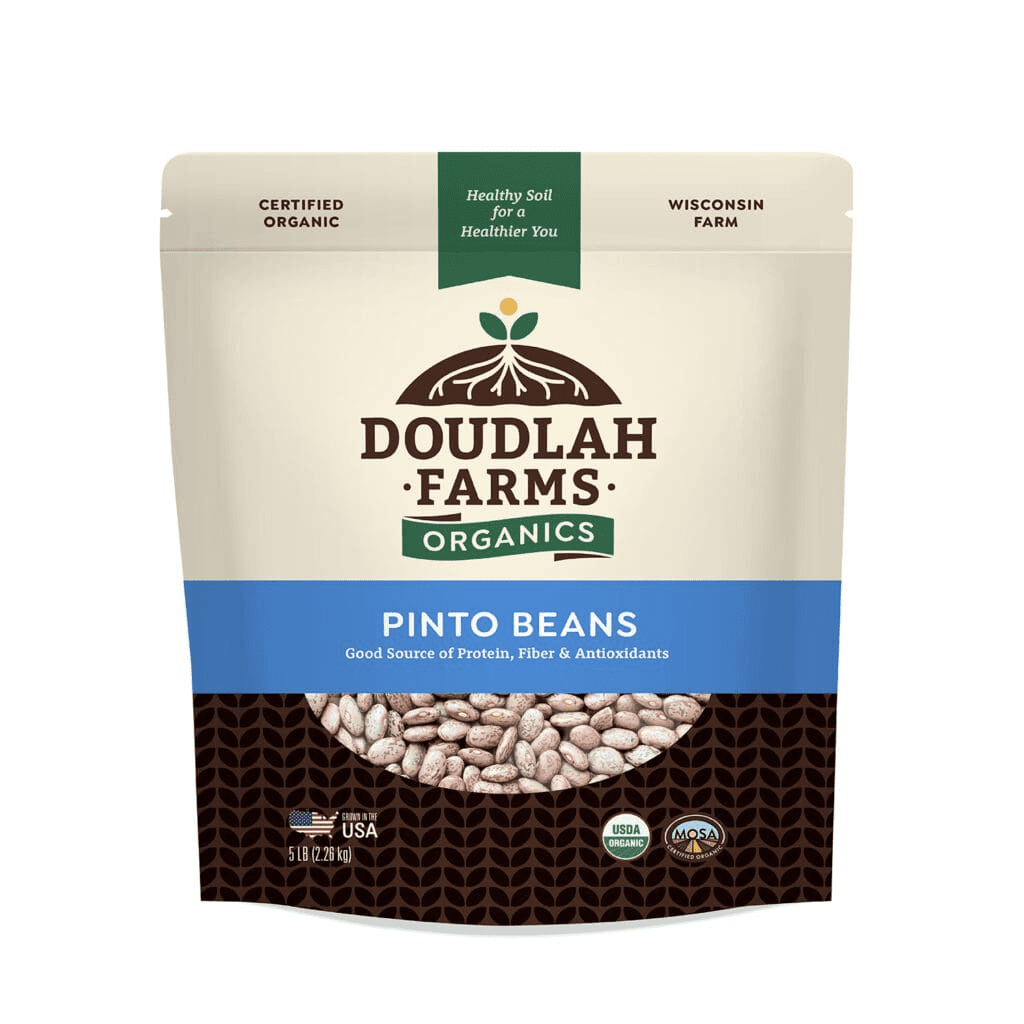
To combat hidden hunger, focus on foods rich in essential nutrients. These foods are part of healthy eating patterns recommended for optimal health:
Including a variety of fruit, especially fresh fruit, in your diet provides essential vitamins, minerals, and antioxidants that support overall health and help prevent hidden hunger. If fresh fruit is unavailable, frozen, canned, or dried fruit can also be good alternatives—just be mindful of added sugars.
Monitoring your daily intake of whole grains supports balanced nutrition and sustained energy.
Consider replacing butter with healthier fats like olive oil or avocado to improve overall nutrition and reduce saturated fat intake.
These foods form the foundation of a balanced diet that supports both nutrition and weight goals.
Adopting simple clean eating habits can dramatically improve nutrient intake:
These habits help ensure your body gets what it actually needs.
Adopting clean eating habits not only benefits individuals but also supports public health by reducing the prevalence of nutrition-related diseases.

Building a personalized diet plan is a powerful step toward achieving a healthy weight and supporting lifelong health. Instead of following a one-size-fits-all approach, a tailored plan takes into account your unique needs, preferences, and lifestyle. The foundation of a healthy diet is variety—incorporating healthy foods from all the major food groups, including whole grains, lean meats, fresh fruits, and a colorful array of vegetables.
Your body requires specific nutrients to function efficiently—including burning fat.
For example:
Without these, even the best diet plan can fall short.
That’s why focusing on nutrient-dense foods is essential for sustainable weight management.
Nutrients play an essential role in helping you lose weight and maintain your results over time by supporting metabolism, energy production, and overall health.
Losing weight and keeping it off can be challenging, but with the right strategies, it’s absolutely achievable. One of the biggest hurdles is sticking to a healthy diet and resisting the lure of processed meats, high-calorie snacks, and oversized portions. To overcome these obstacles, focus on filling your plate with more fruits, vegetables, and whole grains, while limiting red meat and high-fat dairy products.
To overcome hidden hunger:
This approach leads to better energy, fewer cravings, and long-term success. Breaking the cycle of hidden hunger can also help prevent chronic diseases such as diabetes, high blood pressure, cardiovascular disease, and obesity.

The main message of this article is that addressing hidden hunger by focusing on nutrient-dense foods is essential for achieving lasting health and weight management.
Hidden hunger is one of the most overlooked barriers to health and weight loss, affecting both children and adults. You can’t out-diet a lack of nutrients—your body will keep asking for what it needs.
By prioritizing nutrient-dense foods, improving whole food nutrition, and adopting smarter eating habits, you can break free from the cycle of cravings and overeating.
The goal isn’t just to eat less—it’s to eat better. When you do, your body responds with improved energy, balanced hunger, and more effective weight management. Prioritizing nutrient-dense foods supports a healthier life at every stage of life, helping to prevent chronic diseases and promote well-being for both adults and children.

Hidden hunger, also known as micronutrient deficiency, occurs when the body lacks essential vitamins and minerals despite consuming enough—or even too many—calories. Unlike regular hunger, which is an empty stomach signaled by a need for energy, hidden hunger is a cellular deficiency. This often results from a diet high in ultra-processed foods that provide “empty calories” without meaningful nutrition.
Yes. When the body is deprived of essential micronutrients, it often responds by increasing hunger signals and intensifying cravings, particularly for sugar and salt, in an attempt to find the missing nutrients. This creates a cycle of overeating low-quality foods, which increases calorie intake and makes sustainable weight management significantly more difficult.
Hidden hunger isn’t always obvious, but common signs include persistent fatigue, difficulty concentrating, and frequent illness due to a weakened immune response. Physical indicators such as dry skin, brittle hair, and constant cravings for specific foods can also suggest that your body is undernourished even if your caloric intake is high.
Ultra-processed foods are engineered for shelf-life and taste rather than nutritional density. They are typically high in added sugars, sodium, and unhealthy trans fats while being stripped of natural fiber and essential vitamins. Because these foods digest rapidly, they cause blood sugar spikes that leave the body feeling unsatisfied and nutritionally depleted shortly after eating.
Nutrient-dense foods, such as leafy greens, whole grains, and lean proteins, provide a high concentration of vitamins and minerals relative to their calorie count. These foods improve satiety, meaning you feel full longer, and help stabilize blood sugar levels. By providing the body with the specific nutrients it needs to support metabolism, these foods reduce cravings and make fat loss more efficient.
To prevent micronutrient deficiencies, prioritize whole foods over packaged options and read ingredient labels to avoid artificial additives. Building meals around a variety of fresh fruits, vegetables, and healthy fats—like olive oil or avocado—ensures a broad spectrum of vitamins. Focusing on food quality rather than just portion size is the most effective way to break the cycle of hidden hunger