Regenerative agriculture is more than a farming trend — it’s a movement that rebuilds soil health, restores local ecosystems, and strengthens the long-term resilience of our food system. As concerns about climate change, greenhouse gas emissions, and the depletion of natural resources continue to grow, many people are looking for more sustainable agriculture solutions that protect future generations and support both farmers and the environment.
The good news? Consumers play a powerful role in shaping sustainable food systems. Every grocery purchase, meal choice, and community food decision can help expand sustainable farming, improve environmental quality, and make nutrient-dense, healthy soil–grown foods the norm rather than the exception.
At its core, regenerative agriculture focuses on restoring the natural biological cycles that modern industrial farming has often disrupted. These systems prioritize soil fertility, reduced soil erosion, and maintaining biodiversity — all essential for producing nutritious food and protecting human health.
Regenerative farmers use sustainable agricultural practices that:
These practices enhance environmental protection, boost agricultural production, and ensure we can satisfy human food and fiber needs without degrading the natural resource base future farmers rely on.
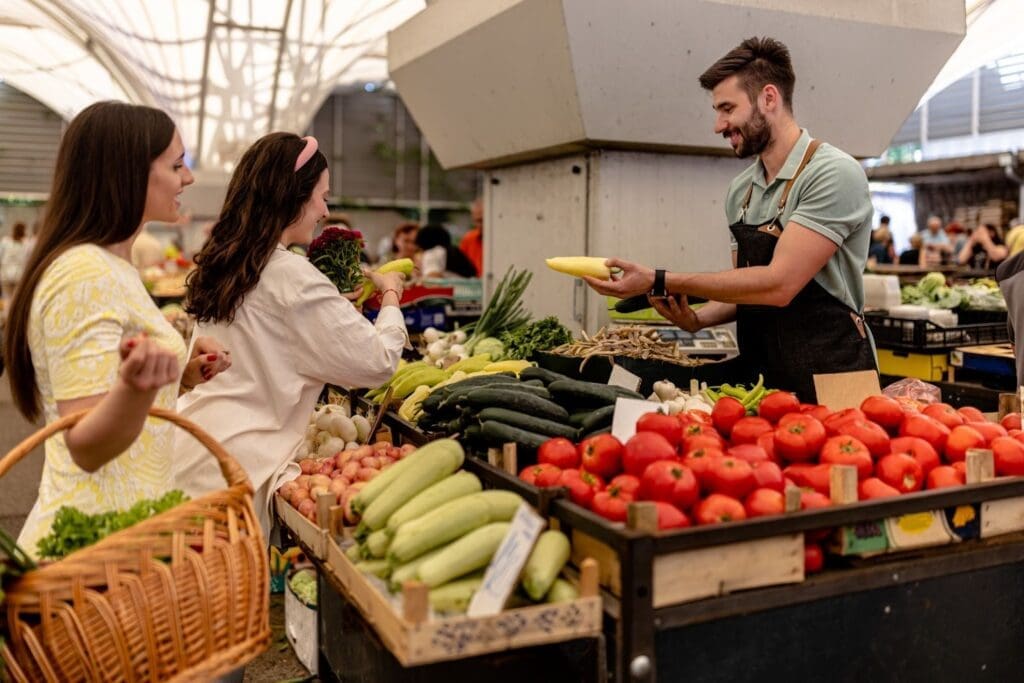
Consumers often underestimate how much influence they truly wield. But your daily decisions can help support sustainable practices, strengthen farming communities, and improve overall ecological sustainability.
Look for labels such as:
These indicate that farmers use sustainable farming practices, avoid harmful inputs, reduce soil disturbance, and work to improve soil fertility over time.
Choosing local produce from farmers who prioritize soil-building practices helps strengthen local communities and keeps money circulating in rural communities.
When you support local food systems, you reduce the environmental impact of long-distance food transport and directly support growers who invest in agricultural ecosystems and sustainable management of their land.
Local farmers are also more likely to use practices like crop rotation, rotational grazing, and natural methods to combat pests, all of which contribute to healthy soil and thriving agricultural systems.
Cutting food waste is one of the easiest ways to lessen your environmental impact. Wasted food represents wasted natural resources, organic matter, and on-farm resources used in production.
By wasting less, you contribute to:
More food companies are highlighting:
Look for brands that talk honestly about their agricultural practices, agricultural productivity goals, and efforts to enhance environmental quality.
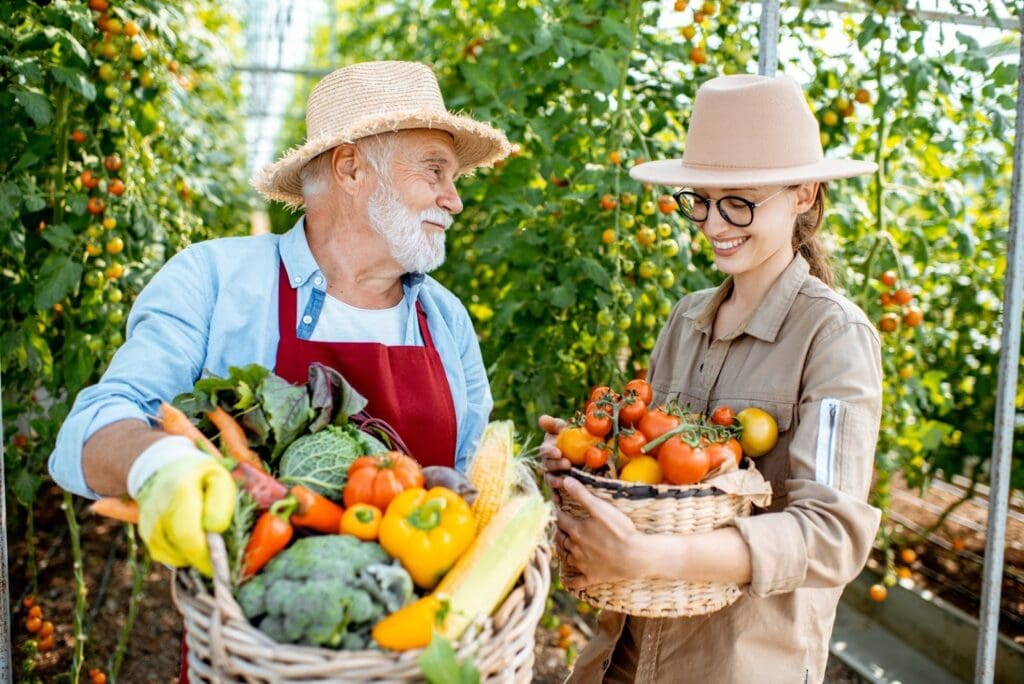
The quality of our food is directly tied to the quality of the soil it grows in. Foods grown in healthy soil—rich in organic matter, minerals, and microorganisms—tend to be more nutrient dense and better for human health.
Regenerative and organic agriculture reduce exposure to harmful chemicals, protect water quality, and support environmental protection that ultimately benefits everyone.
The agriculture economy depends on a deep bond between farmers, consumers, and local communities. When you support regenerative farmers, you’re helping build a system that:
Even small choices — like choosing local food, selecting regenerative brands, or reducing organic waste — help build more sustainable agriculture and promote ecological sustainability for decades to come.

Supporting regenerative agriculture doesn’t require becoming a farmer, changing your entire diet, or mastering farm operations. It simply means making daily choices that encourage sustainable agriculture, protect our environmental quality, and contribute to a healthier planet.
By prioritizing eco-friendly food choices, selecting foods grown through sustainable farming, and choosing brands committed to environmental protection, you help ensure that our agriculture economy continues to evolve in a way that benefits both people and the planet.
Small choices add up — and together, they can transform our entire food system.
That is an excellent blog post on a topic with growing consumer interest. Here are 5 informational and SEO-beneficial FAQs to go with the content, focusing on high-value keywords like “carbon sequestration,” “soil health,” “Regenerative Organic Certified,” “sustainable agriculture,” and “consumer choice.”

Soil health is the primary focus of regenerative agriculture. These practices, such as no-till farming, cover cropping, and rotational grazing, are designed to rebuild the soil’s organic matter. This leads to several benefits: increased water retention (making land more drought-resilient), improved soil structure, greater microbial biodiversity, and enhanced nutrient density in the food grown. Ultimately, healthy soil is crucial for long-term agricultural productivity and environmental quality.
Carbon sequestration is one of the most significant environmental benefits of regenerative agriculture. By limiting soil disturbance (like tilling) and keeping the soil covered with plants year-round, farmers encourage the capture of atmospheric carbon dioxide (CO2). This carbon is then drawn down by the plants and stored in the soil’s organic matter, effectively pulling greenhouse gas emissions out of the air. This natural process is a powerful tool in the fight to mitigate climate change.
The most comprehensive label to look for is Regenerative Organic Certified (ROC), which verifies that products meet strict standards across three pillars: soil health, animal welfare, and social fairness for farmers and workers. Additionally, consumers can look for Certified Organic and Biodynamic labels, as these practices align closely with regenerative principles by avoiding synthetic inputs and promoting ecological balance. Supporting local farmers who openly discuss their sustainable agriculture methods is also key.
Your consumer choice is the ultimate driver of change in the food system. By consistently purchasing products from brands and farmers committed to sustainable agriculture and regenerative practices, you create market demand. This demand incentivizes more conventional farms to transition to soil-building methods, strengthens the agriculture economy of local communities, and ensures that resources are directed toward protecting the natural resource base for future generations.
One of the simplest yet most impactful actions you can take is to dramatically reduce food waste. Wasted food represents wasted natural resources (water, soil, labor, energy) used in its production. By practicing mindful consumption, proper storage, and composting of organic matter, you improve the efficiency of the global food supply. This ultimately supports the goals of regenerative agriculture by ensuring that more of the healthy, soil-grown food that is produced is actually consumed.