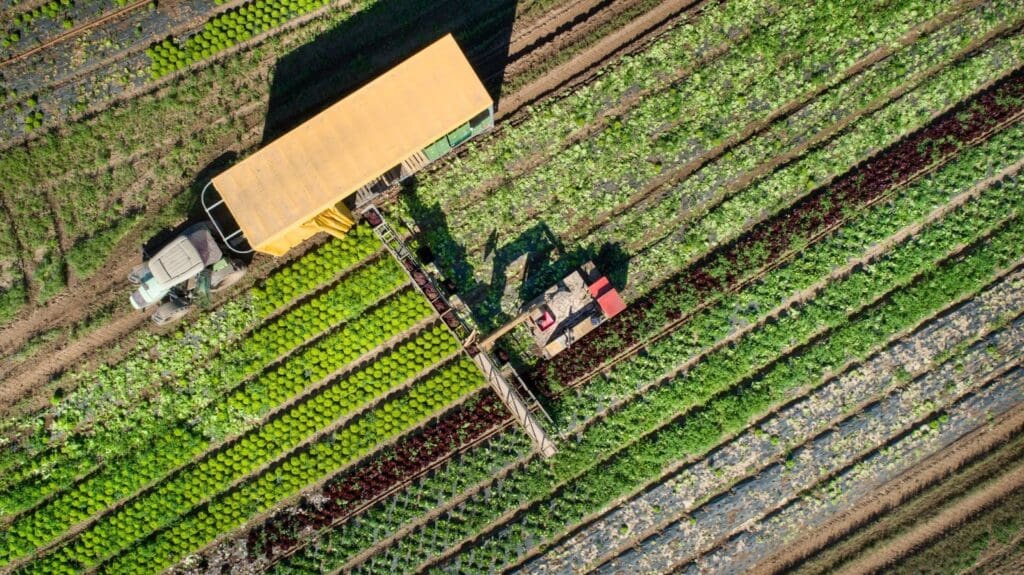
Walk into any grocery store, and you’ll see endless options – but behind those shelves lies a growing divide in how our food is produced. The debate around industrial agriculture vs organic farming isn’t just about labels or price points. It’s about the future of our food system, our environment, and our communities. Industrial agriculture is often referred to as conventional farming, emphasizing high efficiency and productivity through synthetic chemicals and large-scale operations.
At the heart of this conversation is a simple question: Who controls our food – and how is it grown? Industrial farms, which are large-scale, highly mechanized operations, play a major role in shaping industrial agriculture and are often contrasted with smaller, sustainable, or organic farms.
These debates over agricultural systems are not limited to the US—other countries also grapple with similar issues, highlighting the global relevance of how food is produced and who defines agricultural policies.
Industrial agriculture, also known as conventional farming and often associated with corporate farming, focuses on maximizing efficiency and output. Large-scale operations rely heavily on:
Industrial agriculture is a major contributor to environmental impacts such as climate change, soil erosion, and loss of biodiversity. The Green Revolution in the 1960s marked the rise of these practices, emphasizing increased crop yields of major cereal crops through the use of synthetic fertilizers, pesticides, and genetically modified organisms.
This model has helped produce large quantities of affordable food while keeping production costs low and reducing labor demands. However, it often leads to significant water pollution, soil depletion, and land degradation. Intensive farming practices accelerate soil erosion, resulting in a loss of soil fertility and reduced agricultural productivity. Industrial agriculture also relies heavily on fossil fuels for production and distribution, further contributing to resource depletion and greenhouse gas emissions. The environmental impacts of industrial agriculture include the reduction of biodiversity due to monoculture practices, which threaten food security and ecological health.
But it comes with trade-offs – many of which are becoming harder to ignore.
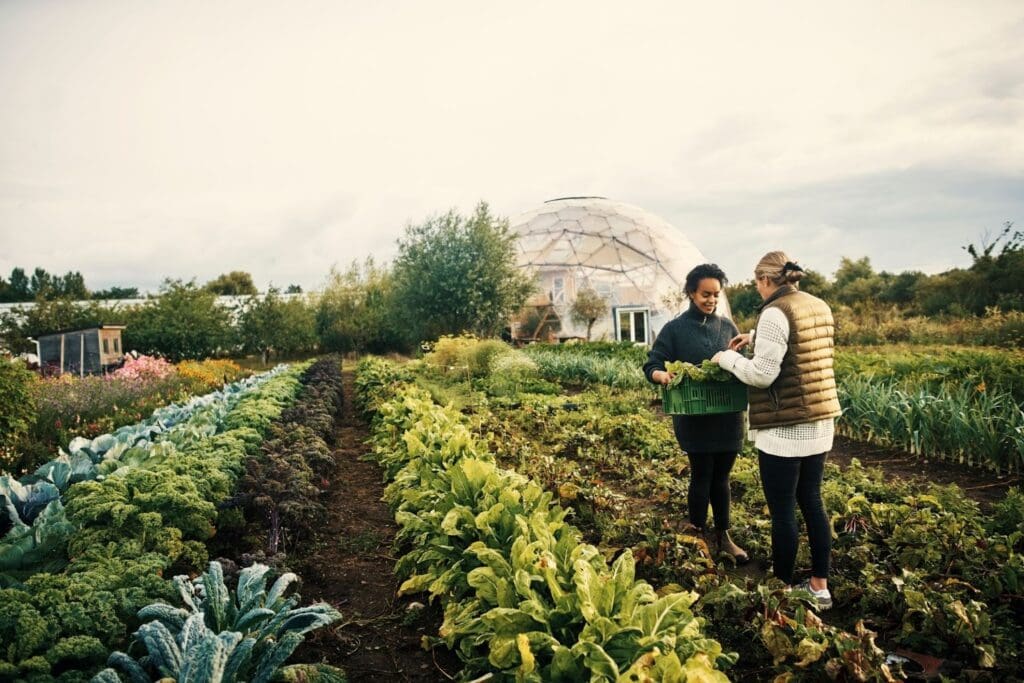
Small organic farms operate on a fundamentally different philosophy. They practice organic agriculture and use sustainable methods that prioritize environmental stewardship and resource conservation. Instead of prioritizing volume, they emphasize:
When comparing organic and conventional farming, there are significant differences in environmental impact and chemical use. Organic farming systems build soil health, foster biodiversity, and have a smaller carbon footprint. Organic standards prohibit routine antibiotics and hormones, and require organic feed and outdoor access for livestock. Organic food typically contains far fewer pesticide residues, and organic systems often use 45% less energy compared to industrial methods.
Organic farming produces more nutritious foods and supports future generations by preserving soil and ecosystem health, ensuring long-term food security and environmental conservation.
In the industrial agriculture vs organic debate, organic farming represents a more holistic approach—one that considers not just yield, but ecosystem health and human well-being.
One of the biggest differences between corporate farming and small organic operations is their environmental footprint.
Industrial agriculture relies heavily on monocultures, synthetic fertilizers, and pesticides, which can:
Industrial agriculture is a major contributor to environmental impacts, including soil erosion, loss of soil fertility, and climate change. Soil erosion is significantly accelerated by industrial farming practices, leading to a loss of soil fertility and reduced agricultural productivity. The use of synthetic fertilizers and pesticides in industrial farming is a major contributor to climate change, accounting for a significant portion of global greenhouse gas emissions. Additionally, the loss of biodiversity is a significant environmental impact of industrial agriculture, as it favors monoculture practices that reduce the variety of crops grown.
Organic farming systems avoid most synthetic chemicals and focus on crop rotation, composting, and natural pest management. These sustainable methods build soil health and foster biodiversity, resulting in a smaller carbon footprint. Organic farming practices can improve soil health and maintain biodiversity compared to industrial farming.
When comparing industrial agriculture vs organic, the environmental stakes are significant. The way we farm directly impacts the land we depend on.

Food isn’t just fuel—it’s information for your body. The methods used in corporate farming can influence the nutritional profile of what ends up on your plate. Access to nutritious foods is a key concern in the industrial agriculture vs organic debate, as it directly impacts community health and food sovereignty.
Small organic farms often produce food that is (in part because of rigorous organic food quality standards):
There are significant differences in pesticide residues between organic and conventional foods—organic food is significantly less likely to contain detectable pesticide residues, which can have a positive impact on human health. Some studies link long-term exposure to pesticide residues to issues like ADHD and neurodevelopmental delays in children. Organic farming can enhance food quality by reducing exposure to harmful chemicals used in industrial farming, and choosing organic flour for healthier baking is one way consumers can align everyday cooking with these benefits.
Health-conscious consumers are increasingly turning toward organic options not just for what’s in their food, but what’s not.
Perhaps the most overlooked aspect of the industrial agriculture vs organic conversation is its impact on people. Rural sociology, as a field, examines the social dynamics and community impacts of different farming systems, providing valuable insights into how agricultural practices shape rural life and social structures.
Industrial agriculture can have significant consequences for community health and equity. Large-scale, corporate farming operations often displace small farmers, disrupt local economies, and can increase food insecurity among small farmers and marginalized communities. This displacement can lead to a loss of livelihoods and reduced access to healthy, affordable food. Food justice is a critical concept here, emphasizing the need for equitable food systems that ensure all communities have access to culturally appropriate, nutritious food and the power to shape their own food environments.
The struggles of indigenous peoples, including Native Americans, with food sovereignty are deeply tied to the loss of traditional foodways and the resulting food insecurity. The disruption of traditional foodways for Native Americans is linked to the loss of autonomy and power due to colonialism and racism, leading to higher rates of food insecurity and health disparities. Indigenous food sovereignty activists in the United States assert that indigenous communities have been systematically displaced from their traditional foodways, resulting in mass food insecurity. Organizations such as the Indigenous Food Systems Network and the Native American Food Sovereignty Alliance work towards education and policy-making concerned with food and farming security, supporting efforts to revitalize indigenous food systems and assert community control over food resources.
This is where the concept of food sovereignty becomes critical.
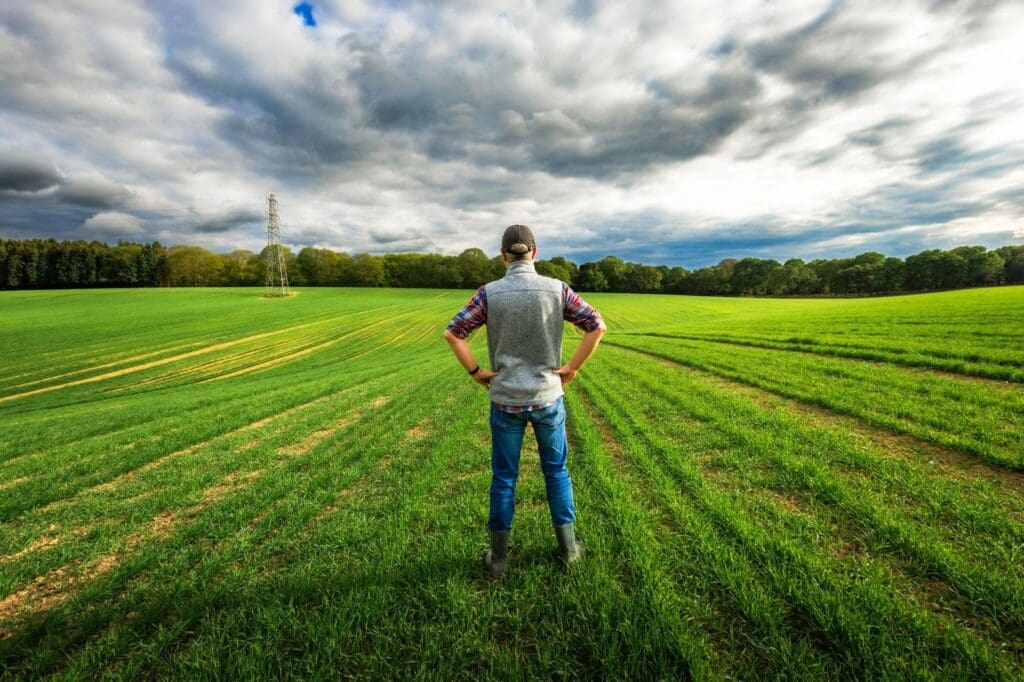
Contract farming has become a defining feature of today’s food systems, especially in the production of staple crops like corn, soybeans, and wheat. Under this model, family farmers enter into agreements with large corporations or processors to produce food according to strict contractual terms. While this arrangement can offer some stability, it also raises critical questions about who truly controls the way our food is produced.
In most contract farming agreements, the corporate buyer sets the rules—dictating everything from the type of seeds and fertilizers to the methods used to produce food and the price paid at harvest. This leaves family farmers with limited autonomy over their own land and farming practices. For many, the promise of a guaranteed market comes at the cost of flexibility and independence, as they must often adhere to industrial agriculture standards that may not align with sustainable or organic farming principles.
The food sovereignty movement has been vocal in its criticism of contract farming, arguing that it consolidates corporate power and undermines the rights of small-scale producers. By controlling the terms of food production, transnational corporations can shape not only what food is produced, but also how it is grown and who benefits from the process. This dynamic can displace family farmers, erode rural communities, and threaten the diversity and resilience of our food supply.
In contrast, organic farming and sustainable agriculture prioritize ecologically sound and culturally appropriate methods. Organic farmers typically retain greater control over their farming methods, focusing on soil health, biodiversity, and environmental stewardship. These approaches support food sovereignty by empowering local communities and promoting food systems that are both sustainable and just.
According to the USDA Economic Research Service, contract farming can have mixed effects on farm income and rural communities. While it may provide a more predictable income and reduce some market risks, it can also increase farmers’ dependence on corporate buyers and limit their ability to innovate or respond to local needs. This loss of autonomy can have lasting impacts on the vitality of rural America and the future of family farm agriculture, making it harder for independently run, organic farms offering nutrient-dense milled products to compete on fair terms.
The World Health Organization has also weighed in, emphasizing that sustainable food systems are essential for public health. Industrial agriculture and contract farming often prioritize high yields and processed foods, which can contribute to diet-related health issues and undermine efforts to provide healthy and culturally appropriate food produced for all, in contrast to whole, minimally processed options like certified organic yellow cornmeal from regenerative farms.
Ultimately, contract farming highlights the ongoing struggle over who holds power in our food systems. While it can offer certain economic benefits, it often does so at the expense of family farmers’ independence, environmental sustainability, and public health. As the food sovereignty movement reminds us, building a food system that is fair, resilient, and ecologically sound means supporting farming methods that put people and the planet first.
Food sovereignty is the idea that people should have control over how their food is produced, distributed, and consumed. The term ‘food sovereignty’ was first coined in 1996 by members of Via Campesina, an international farmers’ organization, and the movement was launched at the 1996 World Food Summit. The 2007 ‘Declaration of Nyéléni’ provided a widely adopted definition of food sovereignty, now recognized by over 80 countries. The movement is especially strong in the Global South, where centuries of colonial rule and subsequent wars for independence have made the concept of sovereignty and self-rule especially resonant. Countries like Ecuador, Venezuela, and Bolivia have integrated food sovereignty into their constitutions or laws. Seed sovereignty is closely connected, emphasizing the right to breed and exchange diverse open-sourced seeds. Agriculture organizations and the United Nations play a key role in supporting food sovereignty and food security initiatives, advocating for equitable land and water distribution, and empowering local communities. Food security remains a challenge, as there is enough food produced globally, but issues of access and control prevent many from obtaining sufficient nutrition. Food sovereignty emphasizes the right to consume food that is healthy, culturally appropriate, and produced through local control over food and agriculture systems. It emphasizes:
In a system dominated by corporate farming, food sovereignty can be limited. But small organic farms help restore that balance by putting power back into the hands of farmers and communities.
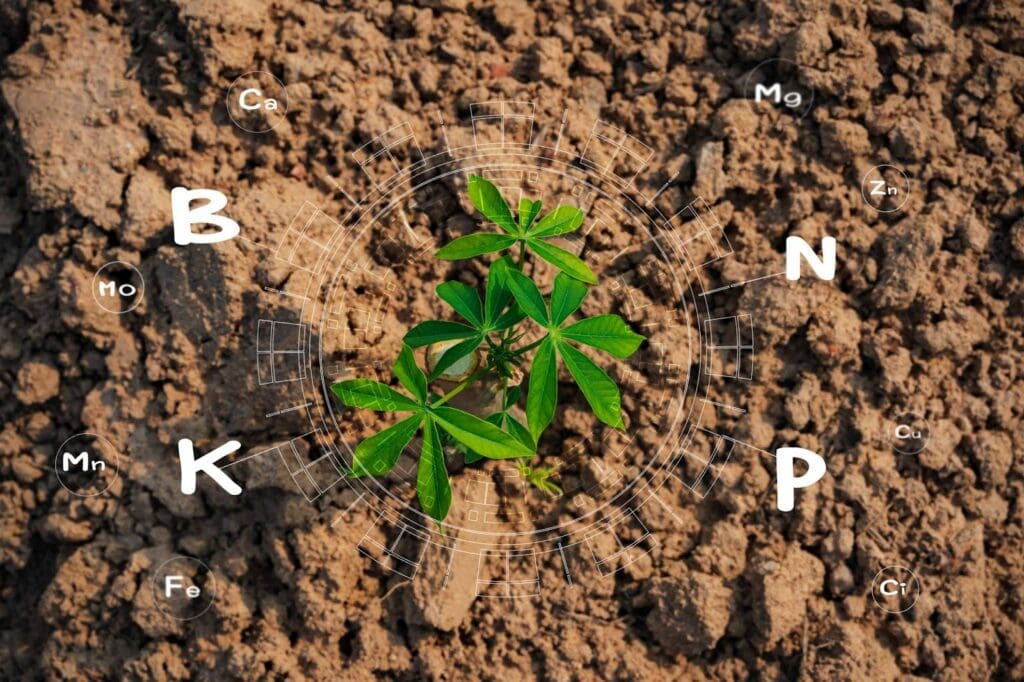
As we face challenges like climate change, supply chain disruptions, and rising input costs, resilience matters more than ever.
Large-scale industrial systems can be efficient—but they’re also vulnerable. A disruption in one part of the system can ripple across the entire supply chain.
Small organic farms, on the other hand, especially those committed to beyond organic, regenerative farming practices, often prioritize long-term ecological health over short-term yields and input-intensive methods. Small organic farms, on the other hand:
Sustainable farming practices are essential for preserving natural resources and ensuring food security for future generations. The industrial agriculture vs organic debate isn’t just about today—it’s about which system can sustain us into the future.
Every purchase you make is a vote for the kind of food system you want to support. The way we consume food directly impacts food sovereignty, as choosing local and organic foods to reduce your carbon footprint and support sustainable farms also empowers communities to control their own food systems.
Choosing food from small, organic farms helps—and buying local and organic can significantly reduce your carbon footprint by cutting food miles and supporting cleaner farming practices, especially when you intentionally reduce your carbon footprint by choosing local and organic foods as part of a broader sustainable eating strategy. Choosing food from small, organic farms helps:
By prioritizing food justice through your consumer choices, you help create more equitable food systems where access, control, and rights are shared more fairly—especially for marginalized communities.
It’s a simple but powerful way to promote food sovereignty and long-term sustainability.

The divide between Big Ag and small organic farms is about more than farming methods—it’s about values and agricultural ethics. There is a moral responsibility for all stakeholders to advocate for sustainable and just farming practices that protect environmental health and social justice.
Today, corporate control by corporate giants and large corporate farms has reshaped the US farming landscape, leading to increased consolidation and reduced independence for smaller farms. While most US farms are still family-run, they face mounting pressure from industry consolidation and the dominance of large-scale operations. In the 1990s, small independent farms produced nearly half of the total US agricultural output, but this figure has significantly declined as corporate consolidation has accelerated.
Corporate farming prioritizes profit maximization over the well-being of farmers and consumers, often resulting in environmental degradation, public health issues, and increased food insecurity among small farmers and marginalized communities. The rise of corporate farming has also led to a decline in the number of small farms and greater reliance on monoculture, further threatening local food systems. Food sovereignty advocates argue for the right of communities to control their own food systems, emphasizing local food economies and sustainable practices as alternatives to corporate dominance.
Do we prioritize short-term efficiency, or long-term sustainability? Do we centralize control, or support food sovereignty?
Understanding the differences in industrial agriculture vs organic systems helps you make more informed choices about the food you eat and the future you support.
At the end of the day, the stakes are high—but so is your ability to make a difference.

Industrial agriculture, often called conventional farming, focuses on maximizing yield and efficiency through monocropping, synthetic fertilizers, and chemical pesticides. In contrast, small organic farms prioritize environmental stewardship by using natural fertilizers like compost, practicing crop rotation, and managing pests through ecological balance rather than synthetic chemicals.
Industrial agriculture is a significant contributor to soil erosion, water pollution from chemical runoff, and the loss of biodiversity due to monoculture. Organic farming systems typically have a 45% lower energy demand and a smaller carbon footprint. By building soil health and eliminating synthetic inputs, organic practices help preserve ecosystems and ensure long-term food security.
While both systems provide essential calories, organic food is grown in nutrient-rich soil and contains significantly fewer synthetic chemical residues. Because organic standards prohibit the routine use of antibiotics and growth hormones in livestock, many health-conscious consumers view organic products as a cleaner, more nutrient-dense option for long-term wellness.
Food sovereignty is the right of communities to control their own food systems, including how food is produced and distributed. Industrial agriculture often centralizes power in the hands of large corporations through models like contract farming. Small organic farms support food sovereignty by empowering local decision-making, preserving traditional farming knowledge, and fostering direct relationships between producers and consumers.
Corporate farming often consolidates land and resources, which can displace independent family farmers and disrupt local economies. Conversely, small organic farms tend to keep wealth within the community, support local labor, and promote food justice by ensuring marginalized groups have better access to culturally appropriate, sustainably grown nutrition.
Every purchase acts as a vote for a specific production model. Choosing food from local, small-scale organic farms reduces “food miles” and supports regenerative practices that sequester carbon in the soil. By reducing reliance on fossil-fuel-intensive synthetic fertilizers used in industrial agriculture, consumers can intentionally lower their personal carbon footprint and support a more resilient food system.