Inflammation plays a complicated role in the body. Acute inflammation is a normal immune response that helps protect us from infection and injury. But when inflammation becomes ongoing, chronic inflammation can quietly damage tissues and increase the risk of serious chronic diseases like heart disease, diabetes, arthritis, and even cancer.
That’s where an anti-inflammatory diet comes in. Choosing the right food can help the body fight inflammation, support long-term health, and reinforce the idea of medicine starting on your plate—not just in a pill bottle.
Many people today unknowingly follow an inflammatory diet filled with processed foods, refined carbohydrates, and inflammatory foods like fried foods, hot dogs, French fries, white bread, processed meats, and excess red meat. These foods can trigger inflammation, disrupt white blood cells, and place stress on the immune system.
Research shows that this eating pattern increases risk for cardiovascular disease, obesity, diabetes, and other chronic conditions. Over time, the body struggles to recover, and symptoms like pain, fatigue, and joint stiffness may appear.

An effective anti-inflammatory diet focuses on whole, organic foods that reduce inflammation, lower inflammation, and provide anti-inflammatory compounds and naturally occurring compounds that support healing.
These anti-inflammatory effects are driven by:
This approach doesn’t just treat symptoms—it helps reduce chronic inflammation at its source.
Colorful fruits, vegetables, and veggies are foods rich in antioxidants, vitamin C, and other vitamin compounds that help combat inflammation. A good rule of thumb is to make half your plate plant-based at most meals.
Organic whole grains like brown rice, oats, and other grains provide fiber that supports gut health, blood sugar balance, and reduced inflammation throughout the body.
Sources of healthy fats—including olive oil, nuts, and seeds—play a key role in reducing inflammatory markers. Fatty fish such as salmon are also valuable for their omega-3 fats, while options like cottage cheese and other lean protein choices support muscle repair without excess saturated fat.
Incorporating more plant foods and plant-based foods, including unique options like Jerusalem artichokes, helps diversify nutrients and supports a healthy diet.

An inflammatory diet is often high in:
These foods may increase blood pressure, worsen heart disease risk, and interfere with the immune system’s ability to respond to infection and illness.
Gut-healthy foods are a cornerstone in the fight against chronic inflammation and the prevention of chronic diseases. A healthy diet rich in whole grains, fruits, vegetables, and lean protein provides the body with powerful anti-inflammatory compounds—like antioxidants, vitamin C, and omega-3 fatty acids—that help reduce inflammation and support long-term health outcomes.
Filling half your plate with colorful fruits and vegetables is a simple way to boost your intake of these naturally occurring compounds. Foods like brown rice, whole-wheat bread, and other whole grains deliver fiber and nutrients that nourish the gut and help regulate the immune system. Lean protein sources, such as fatty fish, cottage cheese, and plant-based options, further support the body’s ability to lower inflammation and improve health.
It’s equally important to limit foods that can trigger inflammation, such as processed meats, refined carbohydrates, and fried foods. These inflammatory foods are linked to an increased risk of heart disease, cardiovascular disease, and other chronic illnesses. By making mindful choices and focusing on foods that reduce chronic inflammation, you can help protect your health and decrease your risk factors.
For those managing specific health conditions, medically tailored meals and groceries offer a personalized approach to nutrition. These medicine food programs provide access to healthy, anti-inflammatory foods and support sustainable lifestyle changes, making it easier to combat inflammation and improve health outcomes.
Access to nutritious food is not just a personal responsibility—it’s a community effort. Food insecurity remains a barrier for many, but organizations like the Rockefeller Foundation are working to expand access to healthy, affordable foods. Supporting these initiatives and advocating for better nutrition in your community can help ensure everyone has the opportunity to benefit from a diet that reduces inflammation and promotes well-being.
Ultimately, gut-healthy foods are a powerful tool in your wellness toolkit. By prioritizing these foods and limiting inflammatory choices, you can reduce chronic inflammation, improve your health, and embrace the idea that food is medicine—one meal at a time.
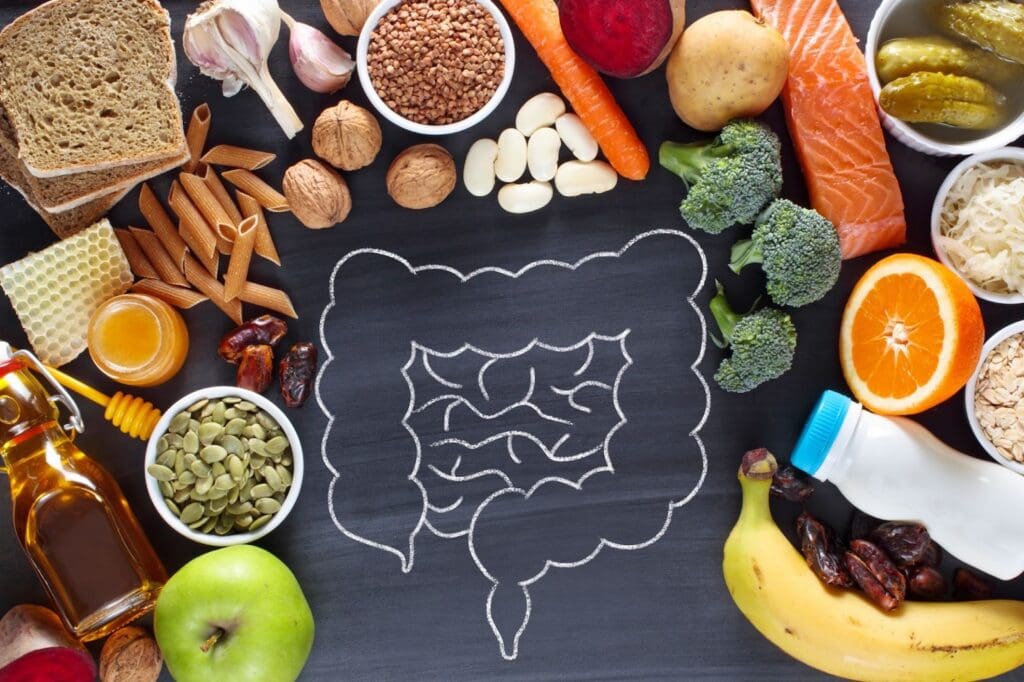
Using food as medicine is not a trend—it’s a return to traditional wisdom supported by modern nutrition research. A consistent anti-inflammatory eating pattern has been linked to improvements in health, fewer symptoms, and lower risk factor exposure across multiple chronic diseases.
Unlike short-term diets, this approach supports the whole body—from digestion and metabolism to joint comfort and long-term disease prevention.
You don’t need to be perfect. Simply eat more whole, organic foods and fewer ultra-processed ones. Small shifts—like choosing olive oil instead of refined oils or swapping white bread for whole grains—can help decrease inflammation and improve daily well-being.
This way of eating aligns closely with patterns like the Mediterranean diet, which emphasizes whole foods, healthy fats, and plant-forward meals.
At Doudlah Farms, we believe that food grown with care supports both people and the planet. Organic whole foods deliver cleaner nutrition, protect the body, and reinforce a food system designed for long-term healthcare outcomes—not quick fixes.
An anti-inflammatory diet built on organic foods empowers you to support your health, prevent chronic illness, and truly let food function as medicine.
An anti-inflammatory diet focuses on whole, nutrient-dense foods that help reduce chronic inflammation in the body. It emphasizes fruits, vegetables, whole grains, healthy fats, and lean or plant-based proteins while limiting ultra-processed foods, added sugars, and refined carbohydrates that can trigger inflammation.
Unlike short-term inflammation, chronic inflammation can quietly damage tissues over time and increase the risk of serious conditions such as heart disease, diabetes, arthritis, and certain cancers. Diet plays a major role in either fueling or calming this ongoing inflammatory response.
Organic whole foods are rich in antioxidants, fiber, healthy fats, and essential nutrients that support the immune system and gut health. Because they’re grown without synthetic pesticides and heavily processed additives, organic foods help reduce the body’s toxic burden and support natural anti-inflammatory processes.
Foods that commonly increase inflammation include processed foods, fried foods, sugary drinks, refined grains like white bread, processed meats, and excess red meat. Reducing these foods helps lower inflammation and supports better heart, metabolic, and immune health.
No. Small, consistent changes—such as eating more fruits and vegetables, choosing whole grains over refined ones, and using olive oil instead of refined oils—can make a meaningful difference. An anti-inflammatory diet is about long-term habits, not perfection.