The agricultural landscape is experiencing a revolutionary shift toward sustainable farming practices, and cover crops are leading this transformation. With climate change pressures mounting and input costs soaring, farmers across the nation are discovering that what grows between their cash crops may be just as important as the crops themselves.
Cover crops represent one of the most promising conservation practices available to modern agriculture. This comprehensive guide will explore how planting cover crops can dramatically improve soil health, boost farm profitability, and create resilient farming systems that benefit both producers and the environment. Whether you’re a seasoned farmer considering your first cover crop experiment or an agricultural professional seeking to understand this growing trend, this guide provides the data-driven insights you need to make informed decisions.
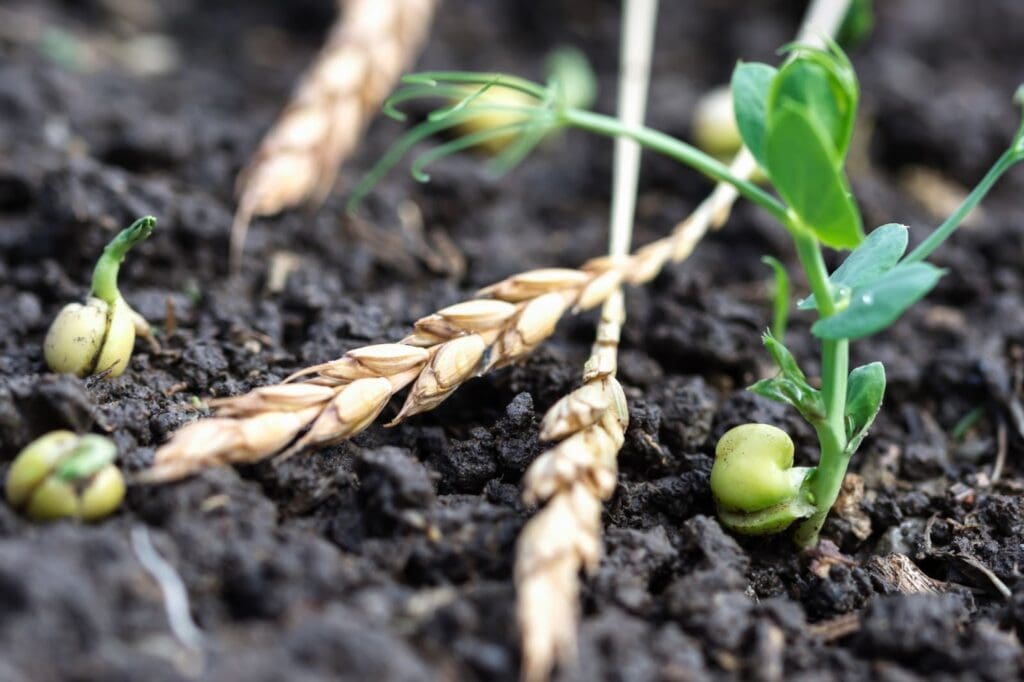
Cover crops are plants grown specifically to benefit the soil and farming system rather than for direct harvest and sale. Unlike cash crops that farmers grow for profit, cover crops serve as living ground cover during periods when fields would otherwise remain bare. These crops help protect and improve the land while providing multiple environmental and economic benefits.
The concept of using plants to enhance soil isn’t new – farmers have recognized these benefits for centuries. However, modern cover crop adoption has accelerated dramatically since agricultural scientists began documenting their quantifiable impacts on soil health and farm economics. The practice gained renewed attention following lessons learned from the 1980s drought and subsequent focus on sustainable agriculture practices.
Currently, cover crops span over 15.4 million acres in the United States, representing a 50% increase in adoption between 2012 and 2017. This rapid growth reflects farmers’ recognition that cover crops can address multiple challenges simultaneously: soil erosion, nutrient management, weed control, and long-term profitability.
The fundamental principle behind cover cropping involves maximizing the productive potential of agricultural land throughout the year. Instead of leaving fields bare after harvest, farmers plant species specifically chosen to improve soil conditions, capture nutrients, and provide other ecosystem services. This approach transforms downtime into an opportunity for soil building and system improvement.
Selecting the right cover crop species depends on your specific goals, climate, and farming system. Different types of cover crops provide distinct benefits, and understanding these characteristics helps farmers make strategic choices that align with their objectives.
Legume cover crops excel at biological nitrogen fixation, converting atmospheric nitrogen into forms that plants can use. This process occurs through symbiotic relationships with rhizobia bacteria that live in root nodules, making legumes valuable for reducing synthetic fertilizers needs and improving soil fertility.
Hairy vetch stands out as one of the most productive nitrogen-fixing cover crops, capable of providing 150-200 pounds of nitrogen per acre. This winter-hardy legume establishes well in fall plantings and produces substantial biomass before termination in spring. The nitrogen credit from hairy vetch can replace significant fertilizer applications, potentially saving $45-60 per acre in fertilizer costs.
Crimson clover offers another excellent nitrogen-fixing option, particularly in southern regions where winter temperatures are less severe. This species typically fixes 70-150 pounds of nitrogen per acre and provides beautiful red blooms that support beneficial insects and pollinators during its flowering period. Crimson clover establishes quickly and can be terminated easily in spring before cash crop planting.
Red clover functions well in northern climates and can provide 80-200 pounds of nitrogen per acre depending on growing conditions and management. This perennial legume can serve dual purposes as both a cover crop and forage source for livestock operations. Red clover’s deep taproot also helps break up compacted soil layers while adding organic matter throughout the soil profile.
The economic value of legume cover crops becomes apparent when calculating nitrogen replacement costs. With nitrogen fertilizer prices fluctuating between $0.30-0.60 per pound, a cover crop providing 150 pounds of nitrogen per acre represents $45-90 in fertilizer savings, often covering the entire cost of cover crop establishment.

Grass cover crops excel at rapid establishment, biomass production, and nutrient scavenging. These species capture residual nutrients from previous crops, preventing their loss through leaching while building soil organic matter through substantial root systems and above-ground biomass.
Cereal rye leads the grass cover crops category due to its exceptional cold tolerance and ability to establish in challenging conditions. This species can produce 2,000-6,000 pounds of dry matter per acre while scavenging 30-150 pounds of nitrogen that might otherwise leach into groundwater. Cereal rye’s extensive root system improves soil structure and provides excellent erosion control on sloping fields.
Annual ryegrass offers rapid establishment and produces significant biomass when planted early in fall. This species works particularly well in southern regions and can provide excellent ground cover within 60 days of planting. Annual ryegrass responds well to nitrogen applications and can scavenge substantial amounts of residual nutrients while providing quality forage for grazing operations.
Oats serve as an excellent cover crop for areas with moderate winter temperatures. While not as cold-hardy as cereal rye, oats establish quickly and produce substantial biomass before winter kill. This characteristic makes oats self-terminating in northern climates, eliminating the need for spring termination activities. Oats also provide good weed suppression and work well in mix with legumes.
Winter wheat functions as both a cover crop and potential cash crop, depending on management decisions. When planted as a cover crop, winter wheat provides excellent erosion control and nutrient scavenging capabilities. The carbon-to-nitrogen ratio of grass cover crops typically ranges from 20:1 to 40:1, making them excellent for building soil organic matter while preventing nitrogen losses.
Brassica cover crops offer unique benefits through their deep taproots and specialized biochemical properties. These crops excel at breaking up compacted soil layers, recycling nutrients from deep in the soil profile, and providing natural pest suppression through biofumigation effects.
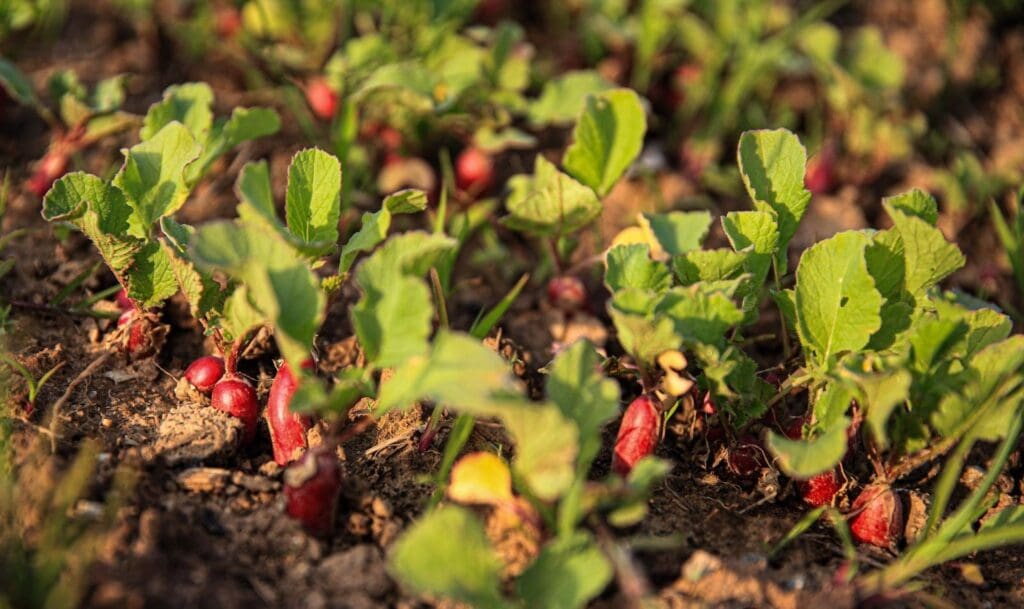
Forage radish represents one of the most dramatic examples of soil improvement through cover crops. This species can penetrate soil compaction up to 6 feet deep, creating channels that improve water infiltration and root penetration for subsequent crops. Forage radish establishes rapidly, often reaching maturity within 30-60 days, and can scavenge substantial amounts of nutrients from deep soil layers.
The economic benefits of forage radish become apparent when considering the cost of mechanical subsoiling operations. Traditional deep tillage may cost $15-25 per acre, while forage radish can provide similar compaction relief at a fraction of the cost while simultaneously building soil health.
Turnips offer similar deep-rooting benefits while providing potential forage value for livestock operations. These crops establish quickly and can tolerate moderate grazing pressure, making them valuable for integrated crop-livestock systems. Turnips also cycle nutrients effectively and provide good ground cover during fall and early winter periods.
Buckwheat serves specialized roles as a fast-growing cover crop that excels at phosphorus mobilization. This species can establish and flower within 6-8 weeks, making it valuable for short rotations between cash crops. Buckwheat’s flowers provide exceptional pollinator habitat, supporting beneficial insects that enhance crop growth and pest management in surrounding areas.
Mustard species provide natural biofumigation effects through glucosinolate compounds in their tissues. When these crops decompose, they release compounds that can suppress soil borne pathogens, nematodes, and certain weed species. This natural pest suppression reduces the need for chemical treatments while improving soil biological health.
The advantages of implementing cover crops extend far beyond simple ground cover, creating measurable improvements in soil health, farm economics, and environmental stewardship. Research consistently demonstrates that cover crops generate multiple benefits simultaneously, making them one of the most effective conservation practices available to farmers.
Cover crops fundamentally transform soil health through multiple interconnected mechanisms. The most dramatic benefit involves preventing soil erosion, with properly managed cover crops reducing soil loss by up to 95% on slopes greater than 5%. This erosion control occurs through both physical protection and biological enhancement of soil structure.
The organic matter improvements from cover crops occur gradually but persistently. Long-term cover crop users typically see organic matter increases of 0.1-0.5% annually, which may seem modest but represents substantial changes in soil functionality. Each 1% increase in soil organic matter can improve water holding capacity by approximately 25,000 gallons per acre, demonstrating the compounding benefits of consistent cover crop use.
Water infiltration improvements represent another significant soil health benefit. Cover crops can increase water infiltration rates by 30-60% compared to conventionally tilled bare soil. This improvement occurs through enhanced soil structure from root channels, increased biological activity, and improved soil aggregation. Farmers often notice that fields with cover crop history handle intense rainfall events better, with less standing water and reduced runoff.
Soil structure enhancement through cover crops creates more stable aggregates that resist both water and wind erosion. Research shows 15-40% improvement in aggregate stability after just 2-3 years of cover crop use. This structural improvement benefits crop growth by creating better root penetration, improved air movement through soil, and enhanced nutrient cycling.
The biological improvements in soil include increased populations of beneficial microorganisms, earthworms, and other soil organisms. These biological communities enhance nutrient cycling, improve disease suppression, and create more resilient soil ecosystems. Cover crops support these communities by providing diverse root exudates and organic matter inputs throughout the growing season.
The economic case for cover crops becomes compelling when examining documented yield improvements and input cost reductions. Research consistently shows yield increases of 3-9.6% for corn and 4.9-11.6% for soybeans after 3-5 years of consistent cover crop use. These improvements become even more pronounced during drought years, when cover crop fields often maintain productivity while neighboring fields suffer significant losses.
The 2012 drought provided dramatic evidence of cover crops’ value for climate resilience. In that severe drought year, farms with established cover crop systems achieved 9.6% higher corn yields and 11.6% higher soybean yields compared to conventional systems. These differences represent substantial economic value when commodity prices are considered.
Fertilizer cost reductions provide immediate economic benefits from cover crops. Nitrogen fixation from legume cover crops can reduce fertilizer needs by $30-150 per acre annually, depending on the species used and management practices. Even non-leguminous cover crops provide value by capturing and recycling residual nutrients, reducing the need for replacement fertilizers.
Pest management savings emerge from reduced herbicide applications needed for weed control. Cover crops can reduce herbicide costs by 20-50% through competition, allelopathic effects, and improved crop vigor that better competes with weeds. The suppression of certain agricultural pests through improved beneficial insect populations also reduces insecticide applications in some systems.
The insurance value of cover crops becomes apparent during extreme weather events. Fields with cover crop systems typically maintain better productivity during both drought and excessive moisture conditions. This stability reduces income volatility and provides risk management benefits that complement traditional crop insurance.
Equipment and labor cost reductions can occur in established cover crop systems, particularly those integrated with no-till practices. Reduced erosion and improved soil structure may eliminate the need for certain tillage operations, saving fuel, labor, and equipment wear. However, these savings typically require 3-5 years to fully materialize as systems mature.
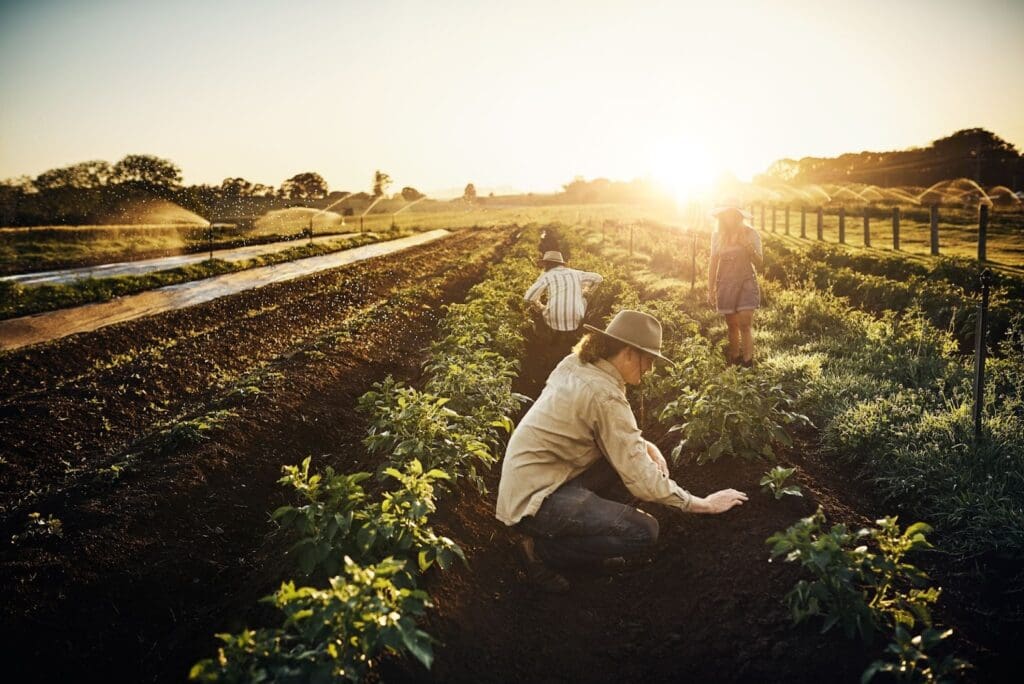
Cover crops provide substantial environmental benefits that extend beyond individual farm boundaries, contributing to improved water quality, enhanced biodiversity, and climate change mitigation. These ecosystem services create value for society while supporting sustainable food production.
Carbon sequestration through cover crops occurs at rates of 0.5-2 tons CO2 equivalent per acre annually, depending on species selection, climate, and management practices. While carbon markets are still developing in most regions, this sequestration represents significant climate change mitigation potential when scaled across millions of acres.
Water quality protection represents one of the most documented environmental benefits of cover crops. Nitrate leaching reduction averages 48% in fields with cover crops compared to bare soil systems. This reduction prevents groundwater contamination and reduces nutrient loading in surface waters that contribute to algal blooms and dead zones in water bodies.
Pollinator habitat creation occurs when cover crops flower, particularly species like buckwheat, crimson clover, and mustards. The entire food system benefits from enhanced pollinator populations, as many crops depend on insect pollination for optimal yields. Cover crop flowering often occurs when few other nectar sources are available, providing critical support for beneficial insects.
Wildlife habitat improvement extends to both above-ground and below-ground ecosystems. Research documents 25-50% increases in beneficial insect populations in fields with cover crops. These increases support natural pest control and pollination services while creating more diverse and resilient agricultural landscapes.
The environmental services provided by cover crops create value that extends far beyond the farm gate. Improved water quality, enhanced wildlife habitat, and climate change mitigation benefit entire communities while supporting long-term agricultural sustainability.
Successful cover crop implementation requires strategic planning that aligns species selection with specific goals and local growing conditions. The most effective approach involves clearly defining objectives before selecting species, as different cover crops excel at different functions within farming systems.
Goal-setting provides the foundation for cover crop selection. Farmers focused primarily on nitrogen fixation should prioritize legume cover crops like hairy vetch or crimson clover. Those targeting erosion control may choose cereal rye or annual ryegrass for their rapid establishment and dense growth. Weed suppression objectives point toward allelopathic species like cereal rye or mustards, while soil building priorities suggest grass species that produce substantial biomass.
Regional adaptation considerations include hardiness zones, precipitation patterns, and typical growing season length. Northern regions with harsh winters require cold-tolerant species like hairy vetch or cereal rye, while southern areas can utilize less hardy options like crimson clover or oats. Areas with limited fall moisture need species that establish quickly with minimal water, such as forage radish or mustards.
Seeding rate calculations vary significantly by species and planting method. Typical rates range from 15-60 pounds per acre, with larger-seeded species like forage radish requiring higher rates than small-seeded options like mustards. Broadcast applications typically require 25-50% higher seeding rates than drilled plantings to achieve similar stands.
Termination timing strategies balance maximum benefit achievement with cash crop planting requirements. Most cover crops provide optimal benefits when terminated at or near flowering stage, when biomass production peaks and root systems are fully developed. However, practical considerations may require earlier termination to allow adequate decomposition time before cash crop planting.
Equipment considerations for cover crop establishment include no-till drills, broadcast seeders, and aerial application options. No-till drills provide the most precise seed placement and typically achieve the best stands, but broadcast seeding can be more economical for large acreages. Aerial application works well for interseeding cover crops into standing corn or soybeans before harvest.
Cost-benefit analysis tools help farmers evaluate cover crop investments objectively. Break-even analysis typically shows payback within 2-4 years for most cover crop systems, with benefits accelerating in subsequent years as soil health improvements compound. Farmers should consider all benefits and costs, including labor, equipment, and opportunity costs, when evaluating cover crop economics.
The selection process should also consider integration with existing crop rotation and herbicide programs. Some cover crops may be sensitive to residual herbicides from previous crops, while others may affect herbicide programs for following crops. Planning these interactions prevents conflicts and maximizes system benefits.
Cover crops achieve maximum benefits when integrated thoughtfully with other conservation practices and farming system components. The most successful implementations consider cover crops as part of comprehensive soil health strategies rather than isolated practices.
Cover crop integration with no-till practices creates synergistic benefits that exceed the sum of individual practices. The combination addresses multiple soil health challenges simultaneously while reducing production costs and labor requirements over time.
Cover crop residue management becomes critical for effective weed suppression in no-till systems. Research indicates that at least 2,000 pounds of biomass per acre is needed to provide significant weed suppression, though 3,000-4,000 pounds provides optimal results. This biomass requirement influences species selection and termination timing decisions.
Planting green techniques involve planting cash crops directly into living cover crops, which are then terminated shortly after planting. This approach maximizes cover crop benefits while simplifying spring operations. However, planting green requires careful coordination of termination timing to prevent competition with emerging cash crops.
Equipment modifications for planting through heavy residue include coulters, row cleaners, and adjustable down pressure systems. These modifications ensure proper seed placement and emergence even in thick cover crop residue. The investment in equipment typically pays for itself through improved planting efficiency and stand establishment.
Moisture conservation benefits from cover crop residue include 0.5-2 inches of additional stored soil water compared to bare soil. This moisture conservation occurs through reduced evaporation and improved water infiltration during precipitation events. The moisture benefits become particularly valuable during dry periods when stored soil water supports cash crop growth.
The transition to integrated no-till and cover crop systems typically requires 3-5 years to achieve full benefits. Early years may show modest improvements, but soil health benefits compound over time as organic matter builds and soil biological activity increases.

Organic farming systems rely heavily on cover crops for nutrient management, weed suppression, and pest control without synthetic inputs. These systems often integrate cover crops more intensively than conventional operations, using them as primary tools for soil fertility management.
Roller-crimper technology enables mechanical termination of cover crops without herbicides, making it essential for organic systems. This equipment flattens and crimps cover crop stems at the optimal stage to prevent regrowth while creating a thick mulch layer. Timing is critical, as cover crops must be terminated at the correct growth stage to ensure complete kill.
Green manure incorporation timing affects nitrogen release patterns for subsequent crops. Cover crops incorporated 2-6 weeks before cash crop planting release nutrients gradually as they decompose, synchronizing with crop uptake patterns. This timing provides optimal nutrient availability while minimizing losses.
Certified organic seed sources and OMRI-approved inoculants ensure compliance with organic standards. Many cover crop species are readily available as certified organic seed, though prices may be higher than conventional options. Inoculants for legume cover crops must meet organic certification requirements to maintain system integrity.
Weed suppression strategies in organic systems rely heavily on allelopathic cover crops and competitive species. Cereal rye and sorghum-sudan provide excellent weed suppression through both competitive effects and natural herbicidal compounds. These species can dramatically reduce weed pressure in subsequent crops when managed properly.
The economic benefits of cover crops in organic systems often exceed those in conventional operations due to higher prices for nitrogen fertilizers and organic-approved pest control materials. The nitrogen credits from legume cover crops become particularly valuable when organic nitrogen sources cost $0.80-1.20 per pound of nitrogen.
While cover crops offer substantial benefits, successful implementation requires navigating several challenges and making strategic decisions about timing, resources, and management practices. Understanding these challenges helps farmers develop realistic expectations and implementation plans.
Initial establishment costs represent the most immediate challenge for cover crop adoption. Total costs typically range from $25-80 per acre, including seed costs of $15-45 per acre, planting costs of $10-25 per acre, and termination costs of $5-15 per acre. These upfront investments may strain cash flow in the first year, particularly for operations with tight margins.
Weather-related risks can affect cover crop establishment and performance. Drought during establishment can result in poor stands and limited benefits, while excessive moisture may delay termination or interfere with cash crop planting. Winter kill represents another risk for marginally hardy species, potentially eliminating expected benefits and requiring replanting.
Equipment and labor requirements create scheduling challenges during critical periods. Fall planting often competes with harvest activities for equipment and labor time. Spring termination must be coordinated with cash crop planting preparations, creating tight windows for completing multiple operations. These scheduling pressures may require equipment modifications or custom services.
Learning curve management affects success rates for beginning cover crop users. Starting with 20-50 acres allows farmers to develop experience with species selection, establishment techniques, and termination timing before scaling up operations. This gradual approach reduces risk while building confidence and knowledge.
Market access for cover crop seed can be challenging in some regions, particularly for specialty species or certified organic options. Seed availability may be limited, and prices can vary significantly based on demand and supply conditions. Planning seed purchases well in advance helps secure desired varieties at reasonable prices.
Integration challenges with existing systems include herbicide compatibility, crop insurance requirements, and rotation planning. Some cover crops may be sensitive to residual herbicides, while others may affect herbicide programs for following crops. Crop insurance policies may have specific requirements for cover crop termination timing that must be considered in management decisions.
The complexity of cover crop systems increases with mix diversity and management intensity. While simple single-species cover crops are relatively straightforward to manage, complex mixes with multiple termination requirements and specific seeding rates require more sophisticated planning and execution. Farmers should match system complexity with their management capabilities and experience levels.
Cash flow impacts from cover crop adoption require careful financial planning. While benefits typically exceed costs within 2-5 years, the initial investment and delayed returns may affect short-term cash flow. Financial planning should account for these timing differences and potential yield variations during the transition period.
Technical support availability varies by region and may affect implementation success. Areas with active extension programs, dealer support, or experienced custom operators typically achieve better results than regions with limited technical assistance. Identifying reliable information sources and support networks before implementation improves success rates.

Initial costs for cover crops range from $25-80 per acre, including seed ($15-45), planting ($10-25), and termination ($5-15). The payback period typically occurs within 2-5 years through reduced fertilizer costs, improved crop yields, and lower pest management expenses. Legume cover crops provide immediate nitrogen credits worth $30-90 per acre in the first year, often covering a significant portion of establishment costs. Long-term benefits compound as soil health improves, making cover crops increasingly profitable over time.
Fall planting windows vary significantly by region: August-September in northern zones (USDA zones 3-6), and September-November in southern zones (zones 7-10). The key is allowing 4-6 weeks of growth before the first hard frost for adequate establishment. Spring termination timing depends on species and management goals, but generally occurs 2-4 weeks before cash crop planting to allow decomposition time. Cereal rye should be terminated before the jointing stage to prevent excessive water use that could compete with cash crops.
Proper termination timing prevents most interference issues. Cereal rye terminated before jointing stage eliminates water use conflicts, while legumes terminated at early flowering maximize nitrogen fixation without depleting soil moisture. While some cover crops may temporarily harbor certain pests, research shows that the overall increase in beneficial insect habitat typically provides net positive pest control benefits. Species selection and proper management practices minimize any negative interactions with subsequent cash crops.
Basic cover crop establishment can use existing equipment with minor modifications. A no-till drill or broadcast seeder works for planting, though existing grain drills can often be adapted. For planting cash crops into cover crop residue, planters may need coulters, row cleaners, and adjustable down pressure systems to ensure proper seed placement. Termination equipment varies from herbicide sprayers for chemical termination to roller-crimpers for organic systems. Many farmers start with existing equipment and upgrade gradually as they expand cover crop acreage.
Single species cover crops are simpler to manage, less expensive, and ideal for addressing specific goals like nitrogen fixation (legumes) or erosion control (grasses). Mixes provide multiple benefits simultaneously but require more complex management and higher seed costs. Begin with simple approaches: single species or 2-3 species mixes with compatible growth habits and termination timing. As experience grows, more complex mixes with 4-7 species can provide diverse benefits including nitrogen fixation, soil building, pest suppression, and pollinator habitat. Match complexity to your management experience and specific field needs.