Our Blog
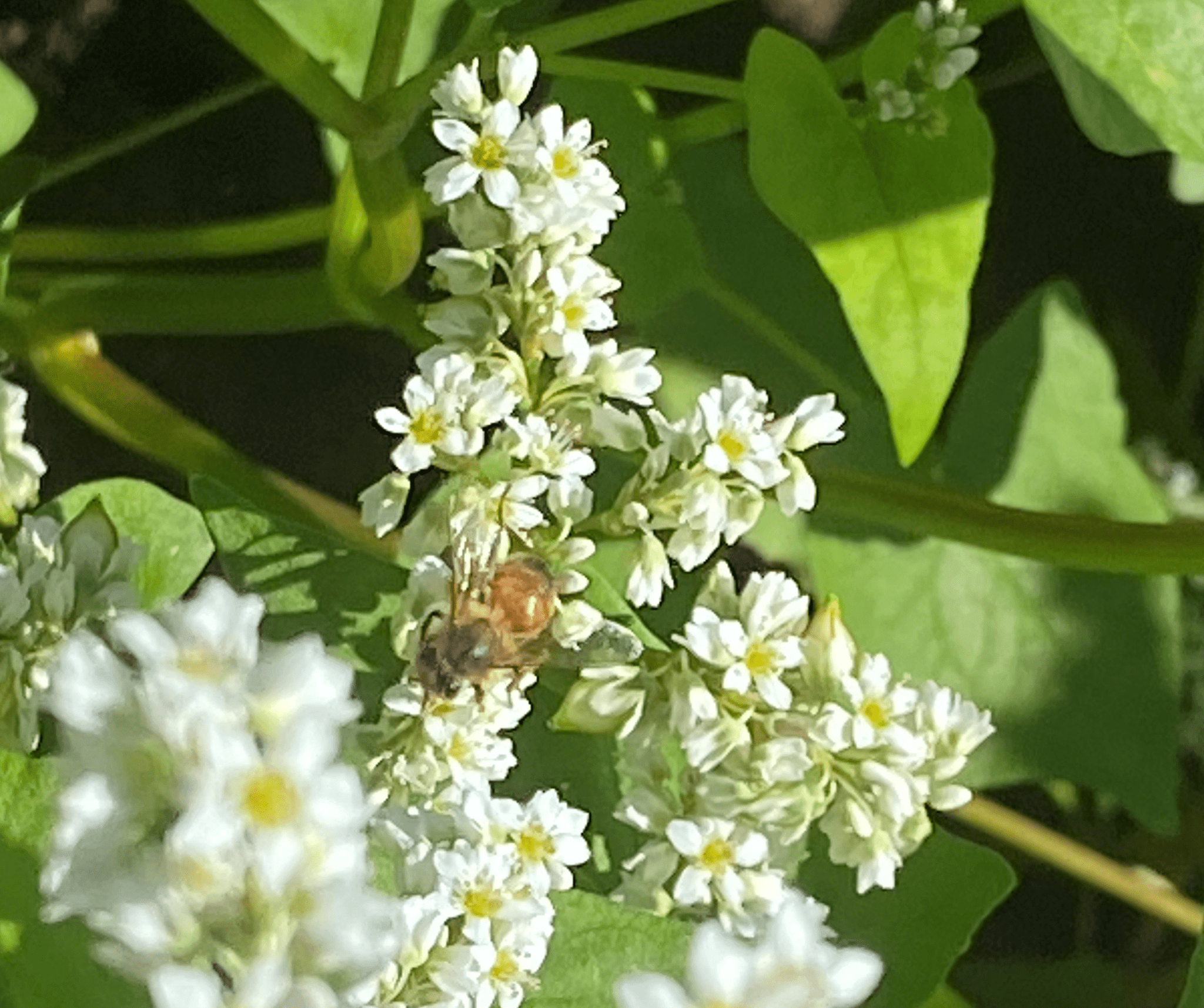
Every spring at Doudlah Farms, something remarkable happens alongside our regular crop planting. A strip of land that could easily have been left as bare dirt or mowed grass begins to erupt in a vibrant bloom of clover, native wildflowers, phacelia, and sunflowers. It hums with active life. That hum is not an accident; it is a strategic choice. Protecting wild pollinators directly influences soil health and biodiversity across our entire agricultural footprint, proving that sustainable ecosystem management is the ultimate anchor for long-term harvest resilience.
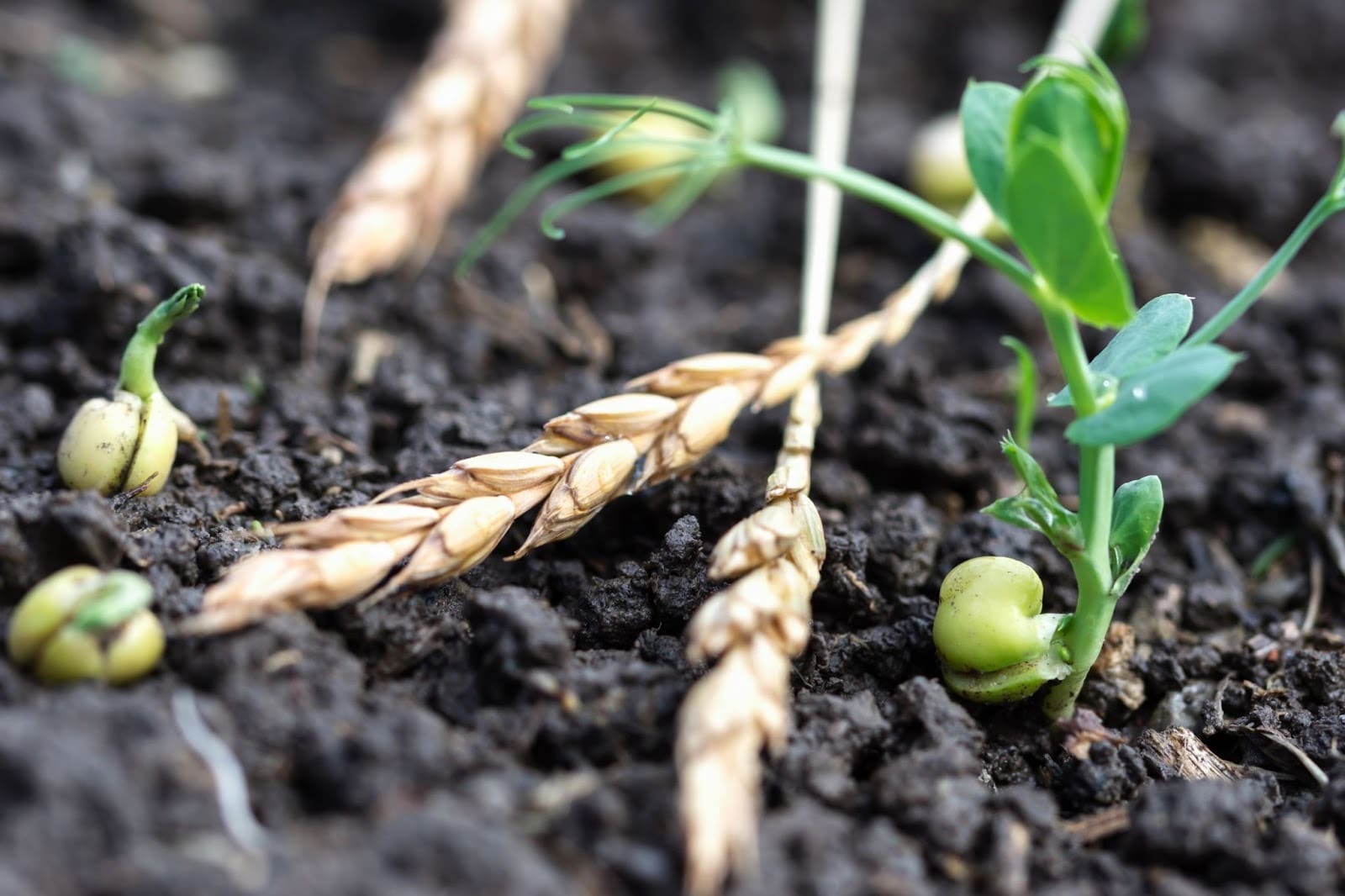
Cover crops improve soil health, boost yields, and increase farm profitability. Learn which species to plant, their environmental benefits, and how strategic management can transform your farm into a resilient, sustainable system.
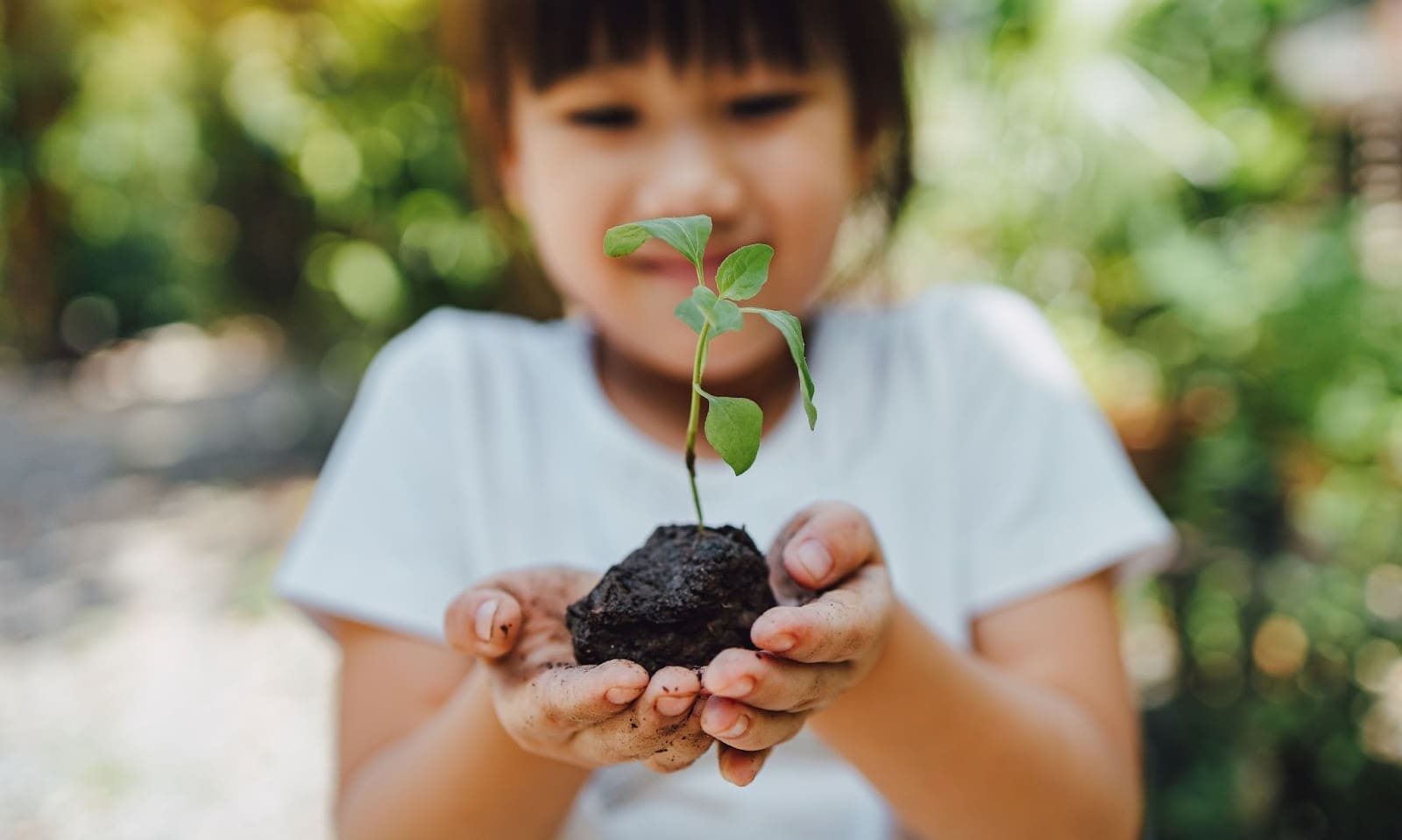
Regenerative farming is transforming agriculture with no-till farming, biodiversity, and soil restoration. Learn the key principles that heal the land and support climate-friendly food systems.
Regenerative agriculture is transforming farming into a climate solution. Learn how carbon farming, carbon sequestration, and sustainable food systems reduce greenhouse gases.
Not all flour is created equal! Learn the key differences between organic flour vs. conventional, from pesticide-free benefits to sustainable farming. Find out which flour is best for your health and the environment.
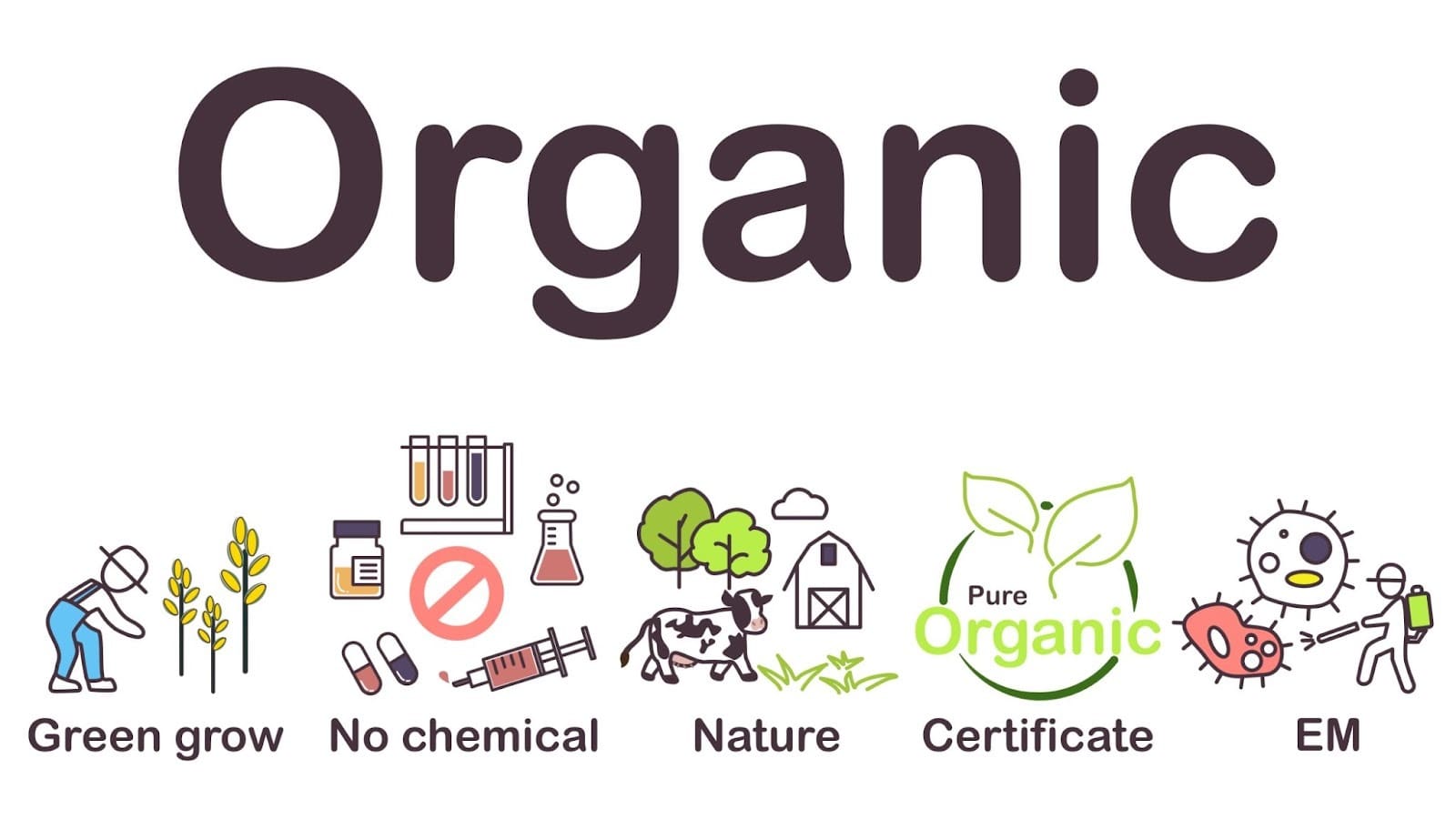
Organic farming standards go beyond avoiding chemicals—they promote soil health, biodiversity, and regenerative agriculture. Learn how these principles shape a healthier, more sustainable future while ensuring high-quality food production.
Baking with organic flour is a healthier choice for both you and the planet. Free from synthetic chemicals and rich in nutrients, organic flour supports clean eating and sustainability. Whether you're making bread, cookies, or pizza dough, choosing organic flour ensures your baked goods are wholesome, flavorful, and environmentally friendly. Learn more about its benefits and how to make the switch today!