How Misleading Labels Create Confusion — and Why Organic Still Matters
Walk into any grocery aisle and you’ll see countless products labeled “natural,” “all natural,” or “naturally made.” Many consumers assume these labels signal high food quality, better farming, or eco-friendly values. But the truth is far more complicated. In fact, the rise of vague labels has created a massive wave of food label confusion — and, in many cases, intentional greenwashing.
At Doudlah Farms, we believe transparency matters. Here’s what the “natural” trend really means, why natural vs organic isn’t even a close comparison, and how consumers can protect themselves from misleading marketing.
The word natural sounds wholesome, but legally, it’s a vaguely defined term. Neither the FDA nor the USDA has a strict, enforceable rule that governs how it must be used on food labels. That gap allows a company to start claiming its products are natural, even when they may not be:
Often, a company claiming ‘natural’ status is simply a marketing tactic rather than a guarantee of quality.
This is how consumer confusion takes root. Shoppers think they’re buying cleaner, healthier food, but in reality, they’re often purchasing a food product that was simply marketed to look wholesome.
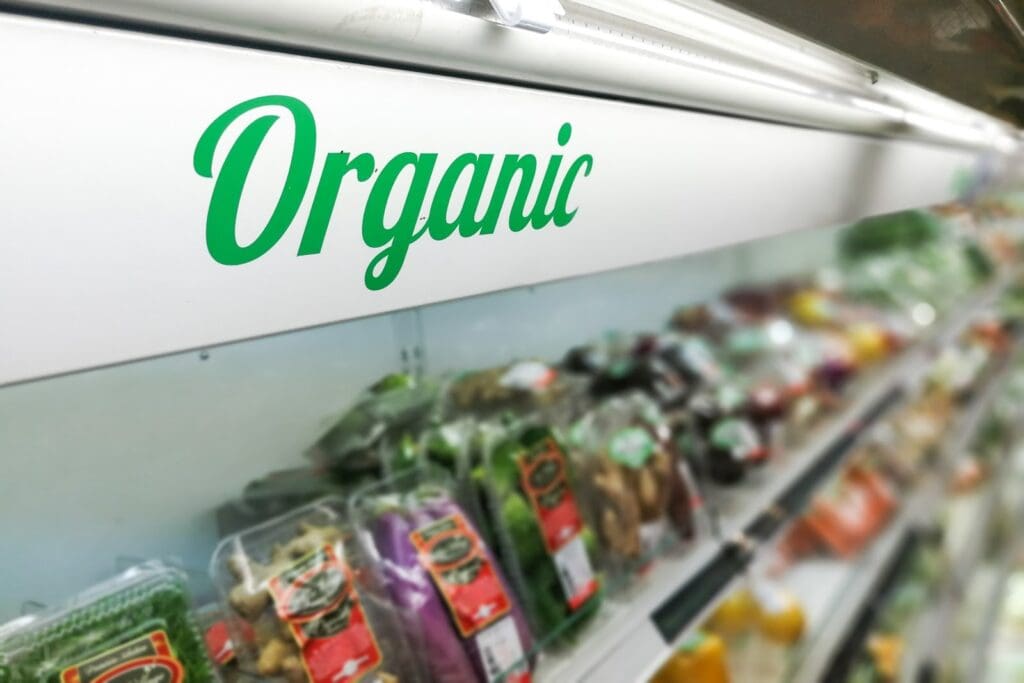
Unlike “natural,” organic labeling is meaningful. It requires farms to follow strict USDA standards that prohibit synthetic pesticides, GMOs, and most processed inputs.
Here’s the clearest difference:
That’s why so many environmental groups warn that “natural” is one of the most common greenwashing tactics in the entire food industry.
Consumers deserve transparency — not false claims or pretty packaging designed to mislead.
Food manufacturers understand that many consumers want healthier, more sustainable options. But instead of improving sustainable practices, some brands use strategic wording and imagery on a package to suggest they’re environmentally responsible. Many brands are claiming to be sustainable without substantiating such claims, leading to misleading marketing and potential greenwashing.
This is classic greenwashing, and it happens because:
For example, “all natural” may appear on a snack that’s still loaded with sugar or on a meat product produced using conventional agriculture.
Meanwhile, organic agriculture genuinely strives to reduce greenhouse gas emissions, avoid harmful chemicals, and support eco-friendly farming. These efforts stand in contrast to superficial claims made by some brands that do not reflect real sustainability practices.

Consumers often choose “natural” items, believing they support sustainable farming, when in reality, many of these foods still contribute to environmental issues like:
This also contributes to the broader climate crisis, making it harder for brands and businesses genuinely using sustainable practices to stand out. Misleading labels and greenwashing can undermine genuine climate change initiatives by eroding trust and diverting support away from credible climate action.
Organic systems, however, help reduce emissions, restore soil function, and serve as carbon sinks through regenerative approaches — a positive change the world needs now more than ever.
Labeling problems go beyond ingredients. When a date passes, many consumers throw away perfectly safe foods because labels are inconsistent or unclear. In reality, many foods are still safe to consume or eat past their labeled dates if they show no signs of spoilage. The USDA estimates that billions of pounds of wasted food happen each year simply due to misunderstandings.
This confusing labeling system — from “best by” to “sell by” — leads to unnecessary waste, wasted money, and more emissions from discarded food products. For example, canned fruits and vegetables can often last for several years past their expiration date and remain safe to eat if properly stored and undamaged.
Clearer labeling could make a huge difference, but until that happens, shoppers need to read carefully and avoid relying solely on vague wording. However, infant formula is an exception and should never be consumed past its ‘use by’ date due to important safety and nutrient stability concerns.

The food industry isn’t alone in facing challenges around misleading labels and sustainability claims. In fact, there are a lot of food manufacturers that can learn from other sectors—especially the fashion industry—when it comes to honest, transparent labeling. For example, the Sustainable Fashion Communication Playbook has helped fashion brands move beyond greenwashing by setting clear guidelines for communicating sustainability claims and supporting real progress toward climate goals. This kind of transparency is exactly what the food industry needs to build trust and drive positive change.
One of the biggest issues in food labeling is consumer confusion, especially around date labels. Many consumers mistakenly believe that “best by” or “sell by” dates are about food safety, when they’re actually about food quality and freshness. The FDA and USDA have encouraged food manufacturers to use “best if used by” for peak quality and reserve “use by” for safety concerns. But without standardized language, confusion persists—leading to billions of pounds of wasted food every year. By adopting clear, consistent labeling, the food industry can help reduce food waste, save resources, and empower consumers to make informed choices.
Environmental claims are another area where honest labeling is critical. Organic farming, for example, is proven to reduce greenhouse gas emissions, improve soil quality, and support sustainable agriculture. Yet, some companies still use vague or misleading environmental claims on their packaging, a classic case of greenwashing. Environmental groups and consumer authorities are increasingly stepping in to hold companies accountable for their sustainability claims, ensuring that only truly eco-friendly and sustainable practices are promoted on food labels.
Food labels also play a vital role in public health. Transparent labeling about artificial flavors, growth hormones, and harmful chemicals allows consumers to make choices that align with their health priorities. Unfortunately, some companies still make false claims or use misleading language to promote their products as healthier than they really are. This is why regulatory bodies like the FDA and USDA must enforce strict standards for food labels, ensuring that all claims are accurate and that companies are held responsible for misleading or deceptive practices.
Ultimately, honest labeling benefits everyone. Research shows that many consumers are willing to pay more for food products that are labeled as organic, eco-friendly, or sustainably sourced. By promoting transparency, reducing consumer confusion, and supporting real sustainability claims, food manufacturers can help address the climate crisis, reduce greenhouse gas emissions, and create a more sustainable food system. The food industry has a unique opportunity to lead by example—just as the fashion industry has done—by prioritizing food quality, environmental responsibility, and public health in every label and package.
Here’s how consumers can cut through the noise and purchase real, trustworthy food:
Consumer authority organizations provide guidelines and enforce regulations to help consumers avoid misleading labels and ensure that environmental claims are accurate.
If the product doesn’t say certified organic, the farm did not meet the verified organic standards.
A “natural” food product can still contain processed additives.
Pastoral scenes, green leaves, and rustic fonts are classic marketing cues.
Buying from local organic farms — like Doudlah Farms — ensures you’re supporting sustainable agriculture rather than empty claims.
The small print tells you more than the oversized marketing words.
We farm organically because it’s better for you and better for the environment. True organic farming avoids harmful chemicals, protects soil, reduces emissions, and supports biodiversity in ways “natural” labeling simply cannot guarantee.
We believe shoppers deserve honesty, real standards, and real food quality — not greenwashing dressed up as virtue.
The word natural has become one of the most misleading tools in modern grocery marketing. With so many claims on food labels, it’s easy for many consumers to feel overwhelmed by contradictory information.
But you can simplify your choices:
At Doudlah Farms, we’re committed to providing real, nutrient-dense food, raised without shortcuts or empty labels — just honesty, quality, and truly environmentally friendly farming.
Because the term natural is vaguely defined and not regulated for most food products, many consumers assume it means the same as organic. In reality, “natural” labels can still appear on processed foods, products with harmful chemicals, or items produced with conventional agriculture. This leads to major consumer confusion about what they’re actually buying.
No. Organic foods must meet strict USDA standards, while “natural” makes no guarantees about farming practices, pesticides, or environmental impact. If you want products made without synthetic chemicals and produced using more sustainable practices, certified organic is the safer choice.
In many cases, yes. Because the FDA has not formally defined the term for most food labels, companies often use it as a marketing tactic—sometimes crossing into greenwashing. This is why environmental groups and consumer advocates push for clearer regulations to reduce false claims.
Organic certification requires transparency about how foods are produced, limits environmental claims, and helps consumers trust what’s on the package. Buying certified organic reduces the risk of falling for misleading labels and supports farms using real, sustainable, and environmentally friendly practices.
Focus on clear standards—look for the USDA Organic seal, read ingredient lists, and buy from trusted brands or local farms. Avoid relying on loosely defined buzzwords such as natural, eco-friendly, or green, which don’t guarantee food quality or sustainability.