Free Shipping when you spend $50! SHOP NOW!

Our Blog

A circular logo with a profile of a woman's face and flowing hair in the center, reflecting the freshness of organic farming. The text ROMAJI DENTAL CLINICS is written around the edge of the circle.
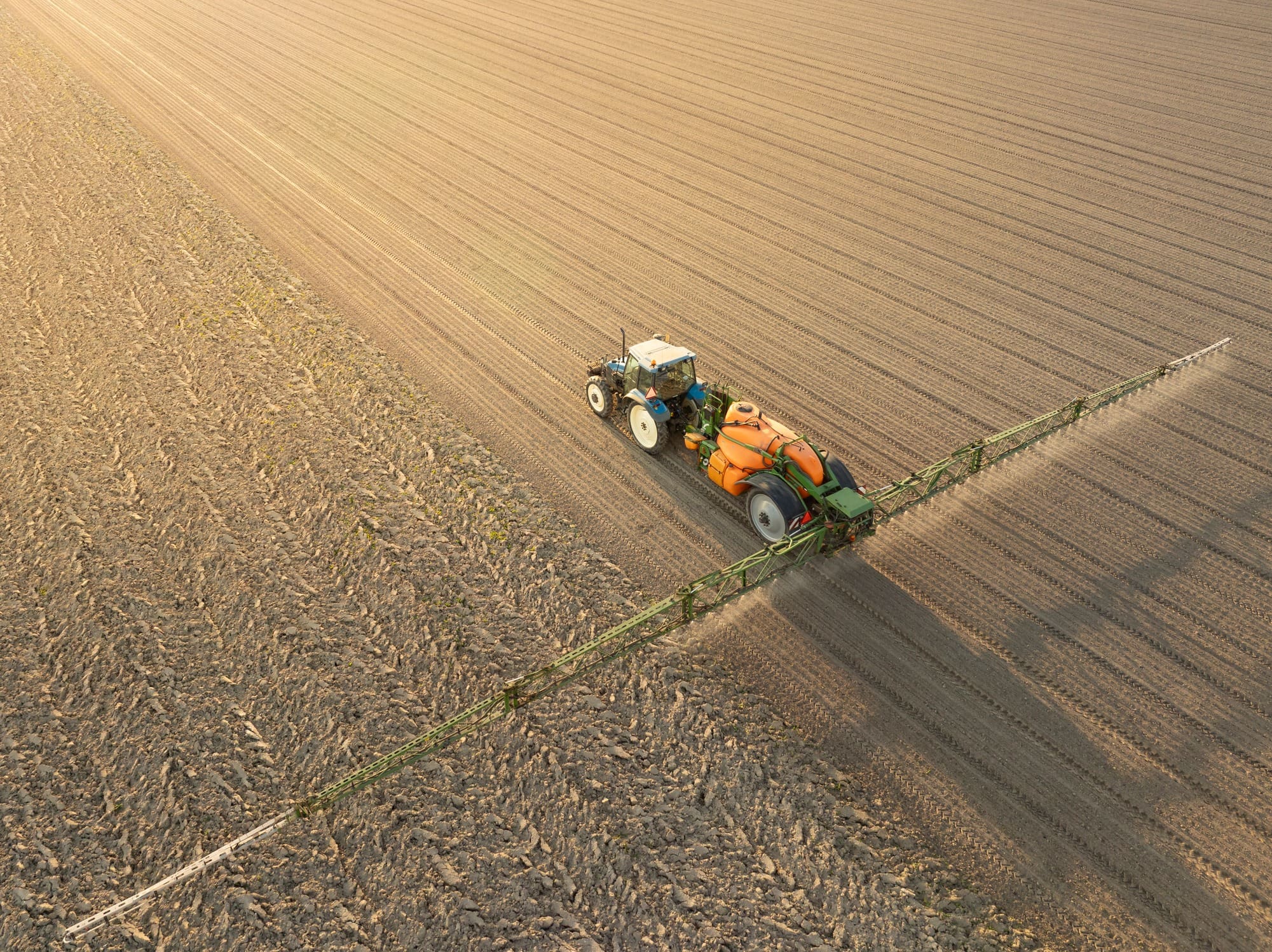
Glyphosate is the most widely used herbicide in history, often found in high concentrations in conventional oats, wheat, and legumes. Because residues can persist even in some organic crops due to environmental drift, the label glyphosate-free food is becoming a critical benchmark for purity. By choosing products that undergo independent laboratory testing, consumers can ensure their diet supports long-term health and the gut microbiome while avoiding controversial "probably carcinogenic" chemicals.
Your gut microbiome is a complex ecosystem of trillions of microbes that influence everything from your immune strength to your daily mood. Gut health organic food plays a dual role in supporting this system: it provides the essential prebiotic fibers that fuel beneficial bacteria while minimizing exposure to synthetic pesticides like glyphosate, which emerging research suggests may disrupt microbial balance. By choosing "Tested Clean," organic whole foods, you are providing your digestive system with the pure, nutrient-dense fuel it needs to thrive.
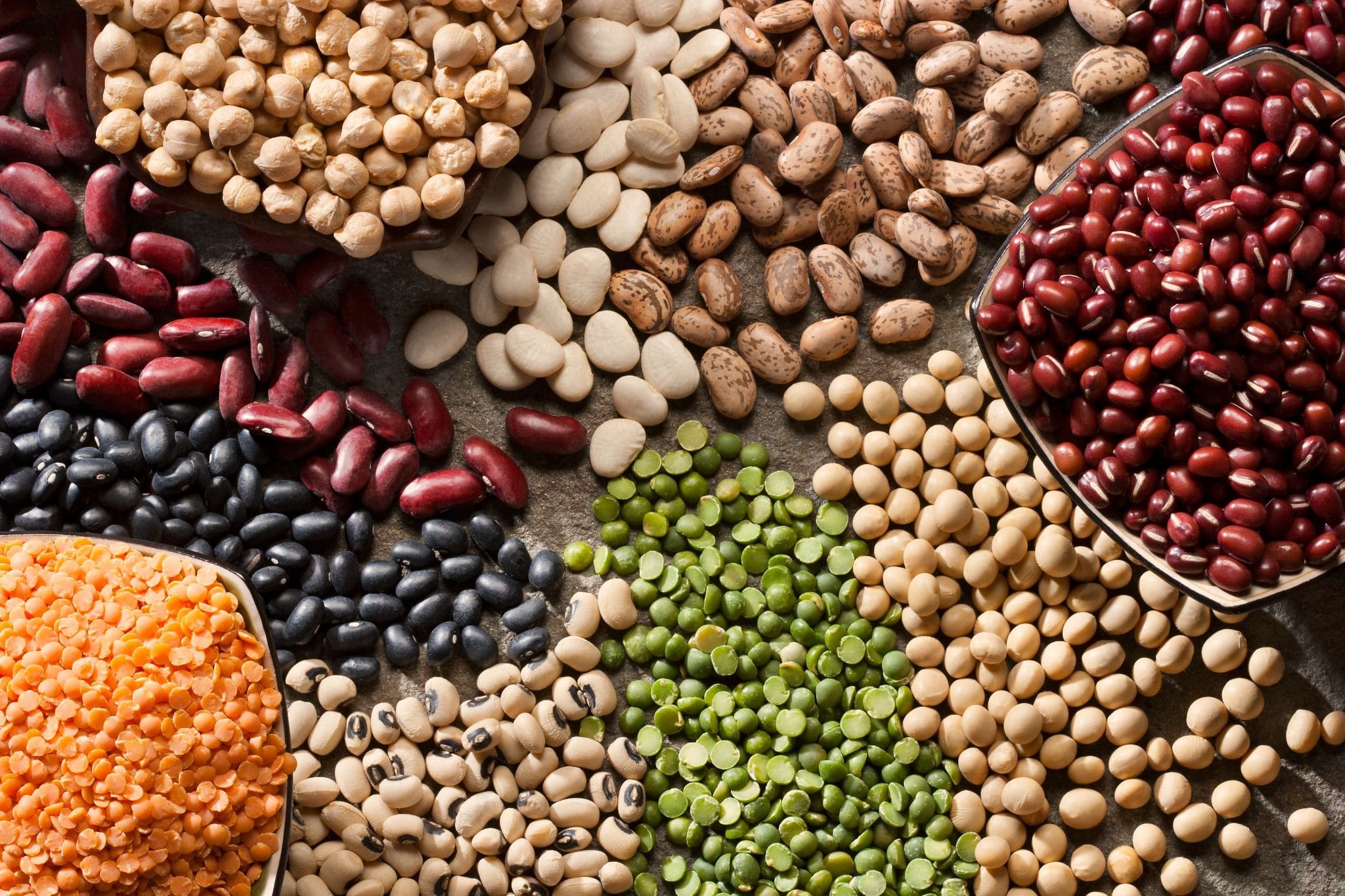
Most guides to an anti-inflammatory diet recommend eating more vegetables, beans, and whole grains, but they often ignore a critical variable: pesticide residue. To truly lower chronic inflammation, you need food that is as clean as it is nutritious. Organic foods for inflammation, such as those grown on regenerative and biodynamic farms, ensure you aren't consuming synthetic chemicals like glyphosate while trying to heal. Discover how nutrient-dense, soil-grown whole foods can help put out the fire of chronic inflammation.
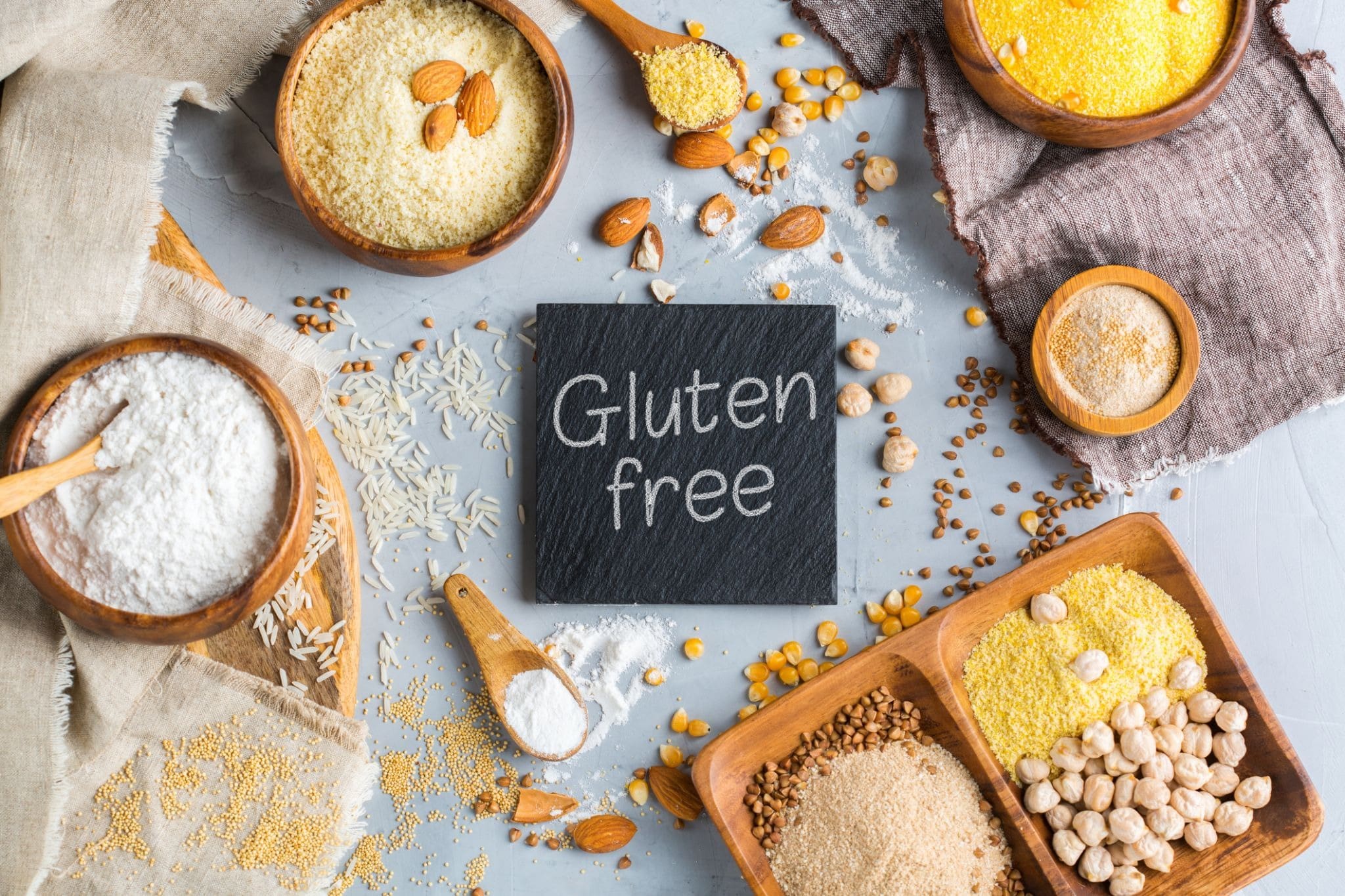
Gluten-free cornmeal is a kitchen staple that opens doors to inclusive, high-margin menus. While corn lacks the gluten proteins found in wheat, cross-contamination during processing can pose serious risks for celiac guests. This guide explores the critical differences between fine, medium, and coarse grinds, how to verify supplier safety protocols, and innovative ways to use this naturally versatile grain in savory coatings, Southern-style baked goods, and elegant desserts.
When consumers ask about organic food safety, they are often navigating a complex mix of chemical concerns and microbiological risks. While the organic label guarantees a restricted use of synthetic pesticides, it does not exempt food from the pathogens that affect all agricultural systems. From the "One Substance, One Assessment" shift in the EU to the nuances of USDA oversight, this guide provides the evidence-based clarity needed to understand what makes our food safe in a changing global market.
Understanding what’s really in your food starts with the basics. Discover how to read food labels like a pro to identify hidden sugars, understand serving sizes, and spot genuine organic certifications. With this guide, you’ll transform your shopping habits and choose high-quality products that support both your health and a sustainable planet.
At Doudlah Farms, food is a connection between the land and your table. Explore our favorite organic cornmeal recipes and go behind the scenes to meet the family committed to non-GMO, regenerative agriculture. From skillet cornbread to gluten-free muffins, see how honest farming creates a difference you can taste in every bite.
Don't be fooled by the "all natural" hype. We break down food label confusion, explain the difference between natural and organic, and help you avoid greenwashing at the grocery store.
Understanding organic flour protein levels is key to better baking results. Learn how protein content affects gluten formation, texture, and rise in bread, cakes, and pastries. Plus expert tips for choosing the right organic flour for your recipes.
national popcorn day