Understanding what’s really in your food starts with learning the basics of reading food labels. With so many claims, symbols, and numbers on packaging, many shoppers feel overwhelmed. But once you know how to analyze food labels, you can make better food choices for your health, your family, and the planet.
This guide will walk you through decoding food labels, interpreting the nutrition facts label, and choosing high-quality organic products with confidence.
Every packaged food product tells a story. From how ingredients were grown to how much sugar and fat they contain, labels provide essential details about what people typically eat every day.
When you practice reading food labels, you can:
Since food contributes directly to overall health, learning to interpret labels helps prevent long-term health conditions like heart disease, high blood pressure, and cardiovascular disease.
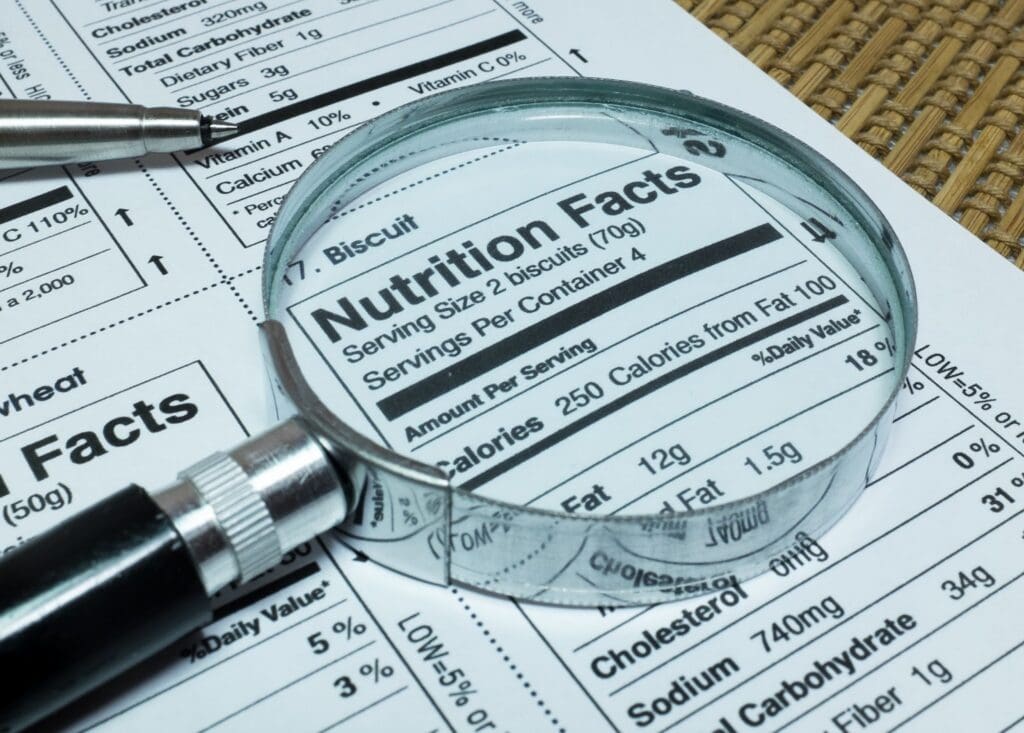
One of the most important tools for shoppers is the nutrition facts label. This panel provides standardized nutrition information regulated by the FDA.
When examining the nutrition facts, focus on:
Start with the serving size, which shows how much food is considered one portion. The servings per container tell you how many portions are in the package.
Remember:
All the nutrient amounts and calories listed are per serving, not for the entire package.
The calories section shows how many calories are in each serving. Understanding your calorie needs helps you manage weight and energy levels.
Look at:
The percent daily value (also shown as percent daily) tells you how much each nutrient contributes to a daily diet.
As a rule:
Use the daily value to compare foods and choose foods that fit your goals.
The nutrients listed on labels help you evaluate nutritional quality. Pay special attention to:
High levels of saturated and trans fats can increase cholesterol levels and heart disease risk. Choose foods with more healthy fats and fewer trans fats.
Fiber supports digestion and helps control blood sugar. Try to choose foods with higher dietary fiber and lower added sugars.
Watch for:
Too much sugar increases the risk of obesity and diabetes.
High sodium intake can contribute to high blood pressure. Look for low sodium options whenever possible.
Important nutrients include:
These support bones, immunity, and overall health.
The ingredient list shows exactly what’s inside your food. Ingredients appear in order of weight.
When analyzing ingredient lists, look for:
High-quality food products usually list organic ingredients first and avoid excessive processing.
Be cautious of long lists filled with preservatives, flavor enhancers, and artificial sweeteners.

Not all “organic” claims mean the same thing. True organic foods must follow strict USDA organic standards.
The official USDA organic seal confirms that products meet federal requirements for organic production.
Certified farms must use:
Look for products labeled certified organic to ensure authenticity.
Some packages use “green” language without real meaning. Effective decoding of food labels helps you avoid greenwashing.
Trust:
Avoid relying only on buzzwords like “natural” or “eco-friendly.”
Organic agriculture supports ecological balance by:
By choosing organic agricultural products, you help promote sustainable food systems.

When buying packaged foods like baked goods, snacks, or cereals, compare:
Small differences can have a major impact on long-term health.
To improve your diet, develop these habits:
These steps help you choose foods that support a healthy diet.
Check fat, calcium, vitamin D, and added sugar content.
Look for sodium levels and sustainable sourcing.
Often high in sugar and saturated fat—read carefully.
Watch portion sizes and total calories.
When you understand nutrient amounts shown on packaging, you can better manage:
Smart label reading reduces increased risk of chronic disease and supports long-term wellness.
To become confident with food labels:
Over time, reading labels becomes second nature.
Learning how to read organic food labels like a pro gives you power as a consumer. By mastering reading food labels, understanding the nutrition facts label, and recognizing certified organic standards, you can make choices that benefit your body and the environment.
Every label you read helps shape your diet, your health, and the future of our food system. With a little practice, you’ll shop smarter, eat better, and support responsible farming—one product at a time.

The first thing you should check is the Serving Size and Servings Per Container. All the nutrient amounts listed on the label—such as calories, sugar, and fat—are based on a single serving. If you eat the entire package and it contains two or more servings, you must double or triple those numbers to accurately track your intake.
The Percent Daily Value indicates how much a nutrient in a serving of food contributes to a total daily diet of 2,000 calories. As a general rule for healthy label reading, 5% DV or less is considered low for that nutrient, while 20% DV or more is considered high. This tool helps you quickly determine if a food is high in nutrients you want (like fiber) or low in those you want to limit (like sodium).
To ensure a product is truly organic, look for the official USDA Organic Seal. This confirms the product meets strict federal standards, including being grown without synthetic pesticides or GMOs. Be wary of marketing terms like “natural” or “eco-friendly,” as these are not regulated by the USDA and do not carry the same legal requirements as “Certified Organic.”
Ingredients are listed in descending order by weight. This means the first few ingredients make up the majority of the product. When reading labels like a pro, look for whole food sources at the top of the list and be cautious if sugars, salt, or refined oils are among the first three ingredients.
“Total Sugars” includes both naturally occurring sugars (like those in fruit or milk) and “Added Sugars.” The Added Sugars line is critical to monitor because these are sweeteners added during processing, such as high fructose corn syrup or cane sugar. High intake of added sugars is linked to an increased risk of obesity, diabetes, and heart disease.
Accurate label reading allows you to manage key health markers like blood pressure and cholesterol. By choosing items with lower sodium to manage blood pressure and fewer saturated or trans fats to protect your cardiovascular health, you can significantly reduce the risk of long-term conditions like heart disease and stroke.