Key Takeaways
- A diverse soil microbiome is the foundation of soil health, crop nutrition, and flavor on organic farms like Doudlah Farms – without thriving microbes, even fertile-looking fields produce less nutritious food.
- Soil microbes drive nutrient cycling of nitrogen, phosphorus, and micronutrients, directly shaping the vitamin, mineral, and antioxidant content of the crops you eat.
- Practices for improving soil health – no-till, cover crops, compost, reduced chemicals – support a robust soil microbiome that enhances food quality and builds resilience to climate change.
- Degraded soils grow crops that fill the stomach but fall short on the vital nutrients, flavor compounds, and antioxidants your body actually needs.
- This article explains how soil microbes work, what Doudlah Farms does to protect them, and how you – whether you’re a farmer, gardener, or shopper – can support microbe-friendly farming.
Introduction: From Soil Microbes to the Food on Your Plate
Every carrot, grain of wheat, or handful of berries begins its life in soil that is far more than just dirt. Beneath the surface, billions of bacteria, fungi, and other microorganisms form a living network that feeds plants, fights disease, and quietly determines the nutritional quality of the food on your plate. Soil degradation threatens food production and climate stability worldwide, yet most of us never think about what’s happening underground.
The soil microbiome – the entire community of microbes and their genes living in soil – is the invisible engine behind food quality, flavor, and nutrient density. Healthy soils contain tens of thousands of different microbial species, each playing a role in converting raw organic material into the vitamins, minerals, and plant compounds that make food worth eating. Soil microbes act as a bridge between soil management and the nutritional profiles of the crops we grow and consume.
When soils are depleted – stripped of organic matter by decades of intensive tillage, monoculture, and heavy chemical use – the crops they produce may look normal but contain fewer minerals and phytonutrients than crops from healthy soil. The connection between soil health and human health is direct, measurable, and increasingly well documented.
Doudlah Farms is a Wisconsin family farm that transitioned from conventional to certified organic and regenerative practices specifically to rebuild soil life and improve food quality. Their approach – rooted in science and long-term stewardship – offers a working example of what happens when farmers invest in the organisms beneath their feet. The sections ahead cover how microbes work, what practical farm methods support them, how climate factors interact, and what you as a shopper or grower can do.
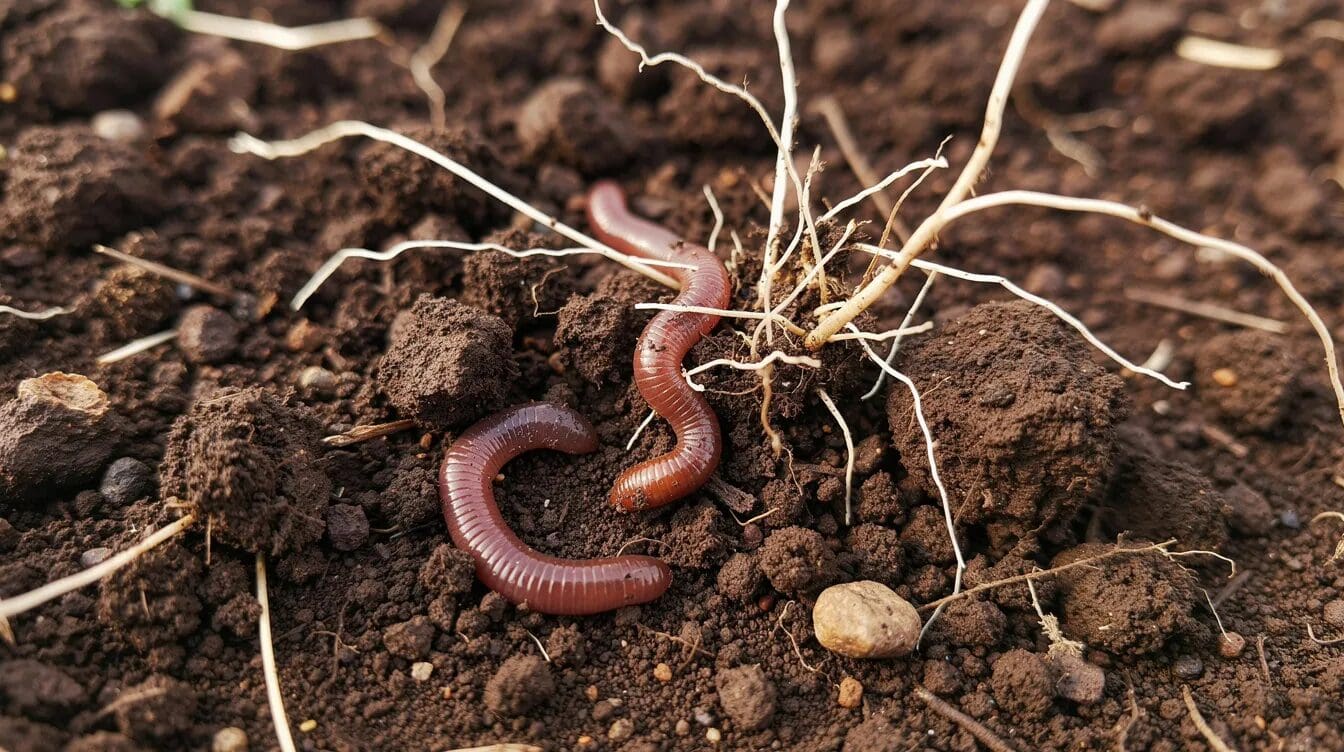
Meet the Soil Microbiome: Bacteria, Fungi, and Friends
A single teaspoon of healthy soil can contain billions of microbial cells and thousands of species. This staggering diversity is not a curiosity – it is the operational backbone of terrestrial ecosystems, driving everything from decomposition to plant defense.
The key microbial groups include:
- Bacteria – the most abundant organisms in soil, responsible for decomposition, mineralization, and producing compounds that promote plant growth.
- Fungi – especially arbuscular mycorrhizal fungi (AMF) – that form symbiotic partnerships with plant roots, extending nutrient reach far beyond what roots alone can access.
- Archaea – specialized microbes active in nitrification and methane cycling within certain soil microsites.
- Protozoa and beneficial nematodes – soil animals that graze on bacterial communities, releasing locked-up nutrients back into forms plants can absorb.
These organisms interact in a soil food web. Plants feed microbes through root exudates (sugars and organic acids), microbes are consumed by protozoa and nematodes, and the nutrients released cycle back to plants. Microbial diversity drives multifunctionality in terrestrial ecosystems – the more species and functional roles present, the more stable and productive the system. Research shows that soil microbiomes explain 2.27% to 14.08% of ecosystem multifunctionality, and microbial biomass and nitrogen content are key multifunctionality predictors.
Many of these microbes are still unculturable in labs. Modern DNA sequencing tools now allow scientists to see the full scope of microbial diversity and link specific communities to soil functions that were previously invisible.
How Soil Microbes Build Healthy Soil Structure
Food quality starts with soil structure – the physical arrangement of mineral particles, organic matter, and pore spaces that roots explore. Microbes are the architects of this structure.
Fungal hyphae physically bind soil particles into stable aggregates. Bacteria contribute extracellular polysaccharides – biological glues – that cement mineral grains and organic fragments into crumbs. Well-aggregated, crumbly soil allows air and water to move freely, supports deeper root growth, and gives plants access to nutrients locked in subsoil layers, especially during drought.
Soil organic matter helps retain water and nutrients for crops, functioning as both a sponge and a slow-release nutrient reservoir. Stable soil structure also reduces erosion and runoff, keeping nutrients in the field and out of waterways. Cover crops can reduce soil erosion by preventing barren fields after harvest – a simple practice with outsized impact.
The consequences of neglecting soil properties are measurable. Cropland soils show 24.2% lower multifunctionality than grasslands, largely because intensive tillage and compaction break apart the very aggregates and microbial networks that sustain productive soils. Heavy machinery and frequent plowing set back soil health and, over time, degrade food quality at its source.
Nutrient Cycling: Microbes as the Farm’s Hidden Fertilizer Factory
Microbes are the primary engines converting dead plants and residues into plant-available nutrients. No synthetic fertilizer program alone can replicate the precision and balance of a biologically active soil.
The nitrogen cycle in farm soils depends almost entirely on microbial communities:
- Decomposition breaks down crop residues and organic material.
- Mineralization converts organic nitrogen to ammonium.
- Nitrification (by bacteria and archaea) transforms ammonium into nitrate.
- Symbiotic bacteria on legumes fix atmospheric nitrogen, literally helping legumes pull nitrogen from the air.
Microbes recycle nutrients from dead plant materials back into usable forms – and into dissolved forms that roots can absorb immediately. They also solubilize phosphorus and potassium locked in soil minerals, making these essential nutrients available without mining new fertilizers. Microbes synthesize phytohormones that enhance root growth and nutrient efficiency, further amplifying the plant’s ability to feed itself.
This matters directly for the food you eat. Plants with steady, biologically mediated nutrient access build more balanced proteins, accumulate adequate minerals like iron and zinc, and produce secondary metabolites – polyphenols, flavonoids – that contribute to human health benefits.
By contrast, excessive reliance on synthetic fertilizers can collapse microbial communities. Large pulses of soluble nitrogen bypass microbial processes, reduce root exudation, and suppress the very symbiotic associations that produce nutrient-dense crops. Soil microbes regulate nutrient cycling and improve food safety by suppressing pathogens – a dual function that chemicals alone cannot provide. At Doudlah Farms, composts and cover-crop residues replace synthetic inputs, feeding microbes rather than sidelining them.
Mycorrhizal Fungi and the Root Microbiome: Extending the Plant’s Reach
Plant roots are surrounded by a specialized soil microbiome – the rhizosphere – that is especially important for cycling nutrients into crops. At the center of this zone, mycorrhizal fungi form one of nature’s oldest and most productive partnerships.
Mycorrhizal fungi colonize roots and extend hyphal networks deep into soil micropores, increasing the effective root surface area many times over. These fungi exchange soil nutrients – especially phosphorus, micronutrients, and water – for plant sugars. A meta-analysis of roughly 187 experiments found that AMF inoculation increased phosphorus uptake by 95–122% and nitrogen concentration by 13–19% relative to non-inoculated controls. Mycorrhizal fungi help plants absorb phosphorus and micronutrients that would otherwise remain locked in soil.
Microbial activity correlates with increased micronutrient uptake in crops, and microbes in soil can enhance plant nutrient absorption across a wide range of crops. Grains, legumes, and many vegetables form strong mycorrhizal partnerships that improve both yields and nutrient content – as long as soil is undisturbed and not saturated with synthetic phosphorus.
Repeated tillage and high-salt fertilizers reduce mycorrhizal colonization. When that happens, plants may still produce acceptable yields, but the subtle nutritional and flavor qualities that come from deep, microbe-assisted nutrient access decline.
Organic Matter, Carbon, and Soil Microbes: The Foundation of Food Quality
Organic matter is the foundation linking soil health to flavor and nutrient density in crops. When plant residues, manure, and compost enter soil, microbes consume and transform this carbon-rich material into stable soil organic matter and humus-like compounds.
A key insight from recent science: much of the most persistent soil carbon comes not from plant fragments themselves, but from microbial residues – dead microbial cells and their metabolic byproducts – bound tightly to mineral surfaces. Microbial decomposition primarily forms the most persistent soil carbon. Soil organic matter contains over 50% carbon, making it one of the largest carbon reservoirs on the planet.
High organic matter levels raise cation exchange capacity, improve micronutrient retention, and buffer soil pH. These soil properties directly elevate mineral densities in grains, legumes, and vegetables. Cover crops can sequester carbon and improve soil health simultaneously, feeding microbes year-round while preventing nutrient loss.
Research published as early as 2015 demonstrated that adding efficient microbes enhances soil carbon transformation, accelerating the conversion of raw residues into stable organic matter. Soils rich in organic matter also hold more water and buffer temperature extremes, reducing plant stress and allowing plants to allocate more energy toward building flavor compounds, antioxidants, and complex phytonutrients rather than simply surviving.
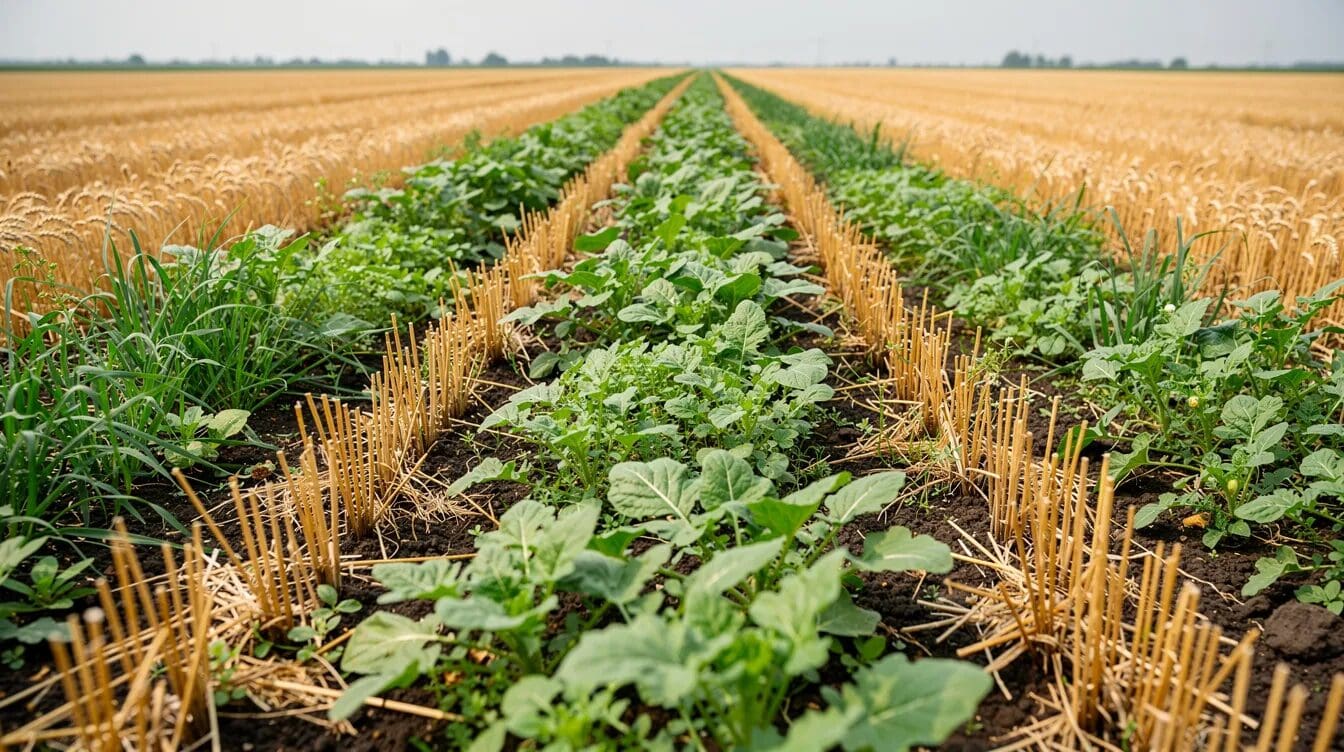
Soil Microbes, Plant Immunity, and Reduced Crop Stress
Healthy, microbially active soils help plants fend off disease and stress without heavy chemical inputs. Healthy soil microbes suppress soil-borne plant pathogens and reduce reliance on chemical pesticides – a benefit that compounds over time as microbial communities mature.
Beneficial microbes in the rhizosphere trigger induced systemic resistance, priming the plant’s immune system against pathogens and some insect attacks. Healthy soils support microbiomes that help prevent disease before it starts. Soil microbial communities can help prevent foodborne illnesses by outcompeting pathogenic microbes on root surfaces and in surrounding soil.
Lower disease pressure means plants channel energy into growth and nutrient accumulation rather than constant emergency mode. Disease-suppressive soils – where specific microbial communities keep root pathogens like certain Fusarium or Pythium species in check – are well documented in organic and regenerative systems.
Microbes can also bind or immobilize toxic elements in the soil to improve food safety, reducing uptake of heavy metals or contaminants into edible crops. Less reliance on pesticides, healthier foliage and roots, and improved plant metabolism result in more consistent nutrient and flavor profiles at harvest.
From Soil to Nutrition: How Microbes Influence Food Quality
Soil microbes alter not just yield, but measurable nutrient content and sensory qualities of healthy food. Soil microorganisms influence the levels of vitamins and antioxidants in crops – a finding supported by an expanding body of peer-reviewed research.
A paired farm study comparing regenerative and conventional operations found that crops from regenerative fields averaged +34% vitamin K, +15% vitamin E, +14% vitamin B1, and +17% vitamin B2 compared with conventionally grown counterparts. Agricultural practices that protect microbial networks can improve crop nutritional quality across a range of vitamins, minerals, and antioxidant compounds.
Mechanistically, balanced nutrient supply via microbes leads to better protein quality (improved amino acid balance), stronger mineral uptake (iron, zinc, magnesium), and more complex phytonutrient profiles. Microbial diversity in soil improves food quality and safety simultaneously. Healthy soil ecosystems help produce more nutritious and resilient food – crops that not only feed humans but nourish them.
Healthy soils contain microbiomes that help cycle nutrients and reduce plant stress, creating conditions where plants can invest in the compounds that matter most for eating well. While many factors affect nutrition – crop variety, weather, harvest timing – soil microbiome health is a controllable lever farmers can use to consistently improve food quality.
Flavor, Aroma, and Shelf Life: The Hidden Microbial Influence
The qualities consumers notice first – sweetness, aroma intensity, crunch, and how long vegetables keep in the fridge – are shaped in part by what happens underground.
Beneficial soil microbes enhance the flavor, texture, and quality of food by ensuring plants receive a balanced and steady nutrient supply. Microbially balanced soils encourage plants to synthesize sugars, organic acids, and aromatic compounds that drive flavor in crops like tomatoes, carrots, and small grains.
Beneficial microbes enhance secondary metabolites, which improve sensory characteristics of food – the polyphenols, terpenes, and volatile compounds that give produce its distinctive taste and smell. Stronger plant cell walls and better mineral nutrition (calcium, silicon) in microbially rich soils also improve texture and storage life.
Produce from healthy soil with a rich native microbiome may harbor more beneficial surface organisms that compete with spoilage organisms, modestly extending shelf life. Many shoppers who notice better flavor from small regenerative and organic farms are experiencing these underlying microbial differences – not just variety selection.
Soil Health, Microbes, and Climate Change
Soil microbes sit at the intersection of soil health, food quality, and climate change. Healthy soils contain more carbon than plants and the atmosphere combined – much of it stabilized through microbial activity and binding to minerals.
Climate change – warming, heavy rain, prolonged drought – alters microbial communities, potentially accelerating decomposition and releasing carbon dioxide back into the atmosphere. Stressed or simplified microbial communities can reduce nutrient cycling efficiency and resilience, making crops more vulnerable and lowering nutritional consistency.
Soil microbiomes can enhance nutrient cycling and plant health even under stress, but only if they are diverse and well-supported. Practices like reduced tillage, diverse rotations, and cover crops at farms like Doudlah Farms help microbes store more carbon, buffer climate extremes, and maintain reliable, high-quality yields. Every acre managed for microbial health is an acre working against climate instability.
Regenerative and Organic Practices that Support Microbial Life
Farming systems can be designed to work with the soil microbiome rather than against it. Practices like reduced tillage and cover cropping promote microbial diversity in the soil – and Doudlah Farms uses a suite of these approaches:
- Certified organic management – eliminates synthetic pesticides and high-salt fertilizers that damage sensitive microbial groups like mycorrhizal fungi and nitrogen-fixing bacteria.
- Multi-species cover crops – keep living roots in the ground year-round, feeding microbes with root exudates and stabilizing the soil food web.
- Long rotations – break pest and disease cycles, support broader biodiversity, and prevent nutrient depletion.
- Minimum tillage – preserves fungal hyphal networks and soil structure.
- On-farm composting – returns organic material to the soil, feeding microbial communities and building stable carbon reserves.
- Reduced compaction – protects pore space and oxygen flow that aerobic microbes need to thrive.
These practices are not just about sustainability in the abstract. They are strategic choices to grow nutrient-dense, great-tasting grains, legumes, and other products for customers who care about what they eat.
On-Farm Examples: Microbes in Action at Doudlah Farms
Consider a field at Doudlah Farms that was transitioned from conventional management to organic with cover crops and reduced tillage. Over several years, organic matter levels climbed, earthworm populations surged, and roots extended noticeably deeper into the soil profile.
These shifts showed up in crop performance. Grain test weights improved, protein content in small grains became more consistent, and customer feedback on flour and whole grains highlighted better baking performance and richer flavor. In dry years, fields with higher organic matter and intact microbial networks held moisture longer, stabilizing quality when neighboring land uses suffered from drought stress.
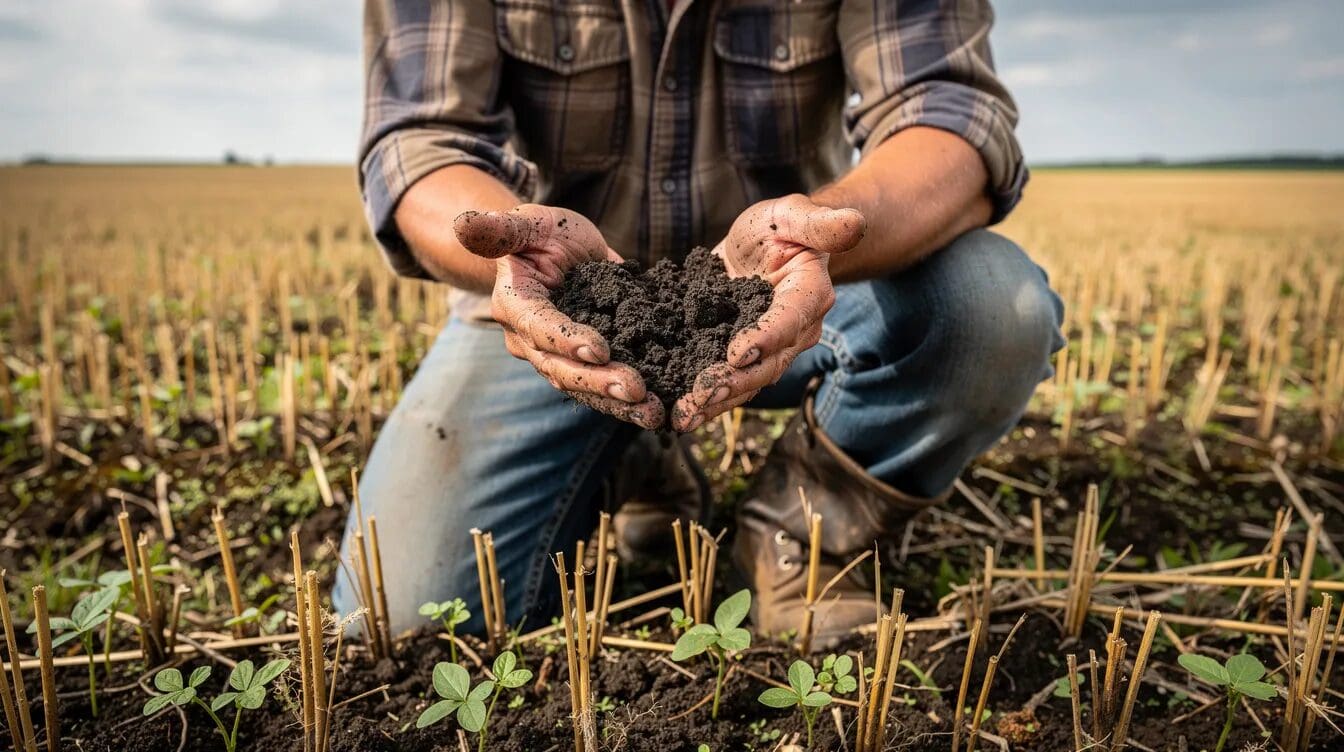
A diverse cover crop mix of legumes, grasses, and brassicas fed different microbial communities through the off-season, keeping the soil food web active. When spring planting arrived, the soil was loose, fragrant, and visibly alive – conditions that translated into healthier crops and more food that met the farm’s quality standards. These on-farm experiences line up precisely with the broader scientific principles: more microbes, more organic matter, more nutrient-dense food.
Practical Tips for Improving Soil Health on Any Farm or Garden
The same microbial principles that drive food quality at Doudlah Farms scale down to a backyard garden or community plot.
High-impact steps anyone can take:
- Keep soil covered – mulch, residue, or living plants protect microbes from UV, temperature swings, and erosion.
- Maintain living roots as long as possible – plant cover crops after harvest or use relay cropping to feed microbes year-round.
- Minimize tillage – every pass with a rototiller or plow disrupts fungal networks and breaks aggregates.
- Add diverse organic matter – compost, leaf litter, and aged manure feed a wider range of microbial communities.
- Avoid unnecessary synthetic inputs – chemicals that kill organisms indiscriminately undermine the system you are trying to build.
Signs that soil microbes are thriving: an earthy smell, crumbly structure, abundant earthworms, rapid residue breakdown, and noticeably better water infiltration after rain.
Start small. One no-till bed, a cover crop after harvest, or a compost trial tracked over several seasons can reveal real changes in soil structure and crop quality. Where available, use soil health assessments – organic matter, active carbon, or biological respiration tests – and tie those metrics to what you observe in your crops and meals.
What Shoppers Can Do to Support Microbe-Friendly Food Systems
Consumer choices influence how land is managed and whether soil microbiomes are nurtured or neglected. Every purchase is a vote for how soils – and the organisms that sustain food quality – are treated.
Practical actions:
- Seek out and support farms that prioritize soil health, organic matter, and regenerative practices. Doudlah Farms is one example of this stewardship.
- Buy certified organic or regeneratively grown products when possible.
- Ask farmers at markets about their soil practices – how they manage cover crops, tillage, and fertility.
- Participate in farm tours, CSA programs, or educational events that connect you to the land producing your food.
- Pay attention to flavor, freshness, and how well produce keeps as informal indicators that may reflect underlying soil and microbial health.
Eating healthier foods starts with supporting the ecosystems – and the farmers – that grow them.

Q&A: Soil Microbes and Food Quality
Can I improve the soil microbiome without going fully organic?
Yes. Many of the most impactful practices – reducing tillage, planting cover crops, adding compost, and diversifying rotations – work regardless of certification status. Organic certification eliminates synthetic pesticides and fertilizers, which is beneficial for microbes, but even conventional growers who adopt one or two of these practices can measurably increase microbial biomass and diversity. A meta-analysis found that organic systems had roughly 41% higher microbial biomass carbon, but any reduction in disturbance and increase in organic inputs moves the needle.
How long does it take for soil health improvements to show up in food quality?
Soil microbial communities and organic matter respond over multi-year timescales. In paired farm studies, meaningful differences in microbial biomass, organic matter, and crop nutrient density became measurable after roughly five to ten years of consistent regenerative practices. However, soil health tests – microbial respiration, active carbon, water-extractable organic carbon – often reveal changes within two to three seasons, well before crop quality differences are obvious at harvest.
Do microbial inoculants really work, or should I focus on building organic matter first?
Inoculants can help, but their effectiveness depends heavily on existing soil conditions, pH, competition from native organisms, and environmental context. A 2024 meta-analysis found that single-species AMF inoculants generally outperformed mixed inocula in controlled settings, but results varied widely. For most farmers and gardeners, building organic matter, reducing tillage, and maintaining living roots create the conditions where beneficial microbes – whether native or introduced – actually thrive. Focus on the habitat first, then consider inoculants as a supplement.
Is produce from healthy soil safer from harmful microbes?
Generally, yes – but context matters. Healthy microbial communities in soil and on plant surfaces outcompete many pathogenic organisms, reducing the risk of contamination. Microbes from soil can contaminate fresh produce if soils contain pathogens from improperly composted manure or contaminated water, so good agricultural practices remain essential. However, diverse and well-managed soil ecosystems create competitive environments that suppress harmful organisms rather than allowing them to dominate.
How does crop variety choice interact with soil microbes to determine nutrient density?
Variety matters, but it interacts with soil biology. Some crop varieties are bred for high yield under synthetic fertility, with less investment in root exudation and mycorrhizal partnerships. Others – often older or open-pollinated varieties – form stronger symbiotic relationships with soil microbes and tend to accumulate more minerals and secondary metabolites. On a farm like Doudlah Farms, pairing the right varieties with a thriving soil microbiome amplifies the nutritional and flavor potential of each crop. While lab tests can quantify some differences, many benefits of a healthy soil microbiome also show up simply as better resilience and richer flavor on the plate.

Frequently Asked Questions (FAQ)
How do I know if my soil microbiome is healthy without lab tests?
Look for simple field signs: dark-colored topsoil, crumbly aggregates that break apart easily in your hand, quick water infiltration after rain, plenty of earthworms and fine roots throughout the profile, a pleasant earthy smell, and visible fungal threads (white mycelium) under mulch or decaying residues. These indicators collectively tell you that microbial life is active and soil structure is intact. If residues break down quickly after incorporation and your soils don’t crust or puddle, your microbiome is likely in good shape.
Can soil microbes replace all synthetic fertilizers on a working farm?
Microbes can dramatically reduce – and in some cases eliminate – the need for synthetic fertilizers when supported by practices like cover cropping, composting, and manure management. However, the transition is gradual. Farmers who cut synthetic inputs abruptly without first building organic matter and microbial capacity risk short-term yield declines. A phased approach – reducing inputs incrementally as biological nutrient cycling ramps up – is the most practical path. Nature provides the fertility, but the transition must be managed carefully.
Does washing produce remove the “good” microbes from healthy soil?
Normal washing removes most surface dirt and potential pathogens, which is important for food safety. However, many of the benefits that soil microbes provide to crops – enhanced mineral content, secondary metabolites, stronger cell walls – are built into plant tissues during growth and cannot be washed away. Endophytic microbes living inside plant tissues also remain. The primary health benefits of a thriving soil microbiome are delivered while the crop is growing, not by eating soil organisms directly.
Are there specific crops that benefit more from a rich soil microbiome?
All crops benefit, but some see especially large gains. Mycorrhiza-dependent crops – including most grains, many vegetables, and root crops – respond strongly to healthy fungal networks. Legumes gain a dual advantage: mycorrhizal partnerships for phosphorus plus symbiotic nitrogen-fixing bacteria. Deep-rooted perennials and crops grown in lower-fertility soils also show outsized responses because they rely more heavily on biological nutrient mobilization than on applied fertilizer.
What is the single most important change I can make this year to help soil microbes?
Plant a diverse cover crop after your main harvest. A mix of grasses, legumes, and broadleaves feeds multiple microbial groups, keeps living roots in the soil, protects the surface from erosion, and begins building organic matter immediately. If you garden, even a simple mix of crimson clover and annual ryegrass sown over bare beds in fall will feed your soil microbiome through winter and leave your soil noticeably more alive by spring. One season of cover cropping will not transform your soil overnight, but it is the single highest-leverage step toward healthier soils and better food.