A well-stocked pantry is the quiet engine behind every successful clean eating meal plan. When your shelves hold the right grains, beans, oils, and flavor builders, wholesome cooking stops being aspirational and starts being automatic. This guide walks you through exactly how to make that happen – from choosing your first staples to mapping out a full week of delicious meals.
Key Takeaways
● A clean eating meal plan includes whole, unprocessed foods built around pantry staples like extra virgin olive oil, tomato paste, vanilla extract, peanut butter, whole grains, and beans.
● You will learn a repeatable four-step framework for building a 7-day meal plan that works any week of the year, with concrete breakfast, lunch, and dinner ideas.
● This post is written from the Doudlah Farms perspective, emphasizing organic, local, and regenerative ingredients that support long-term health and gut health.
● Practical storage, budgeting, and meal prep tips help busy households stay consistent without burnout.
● A dedicated FAQ section at the end answers common questions about clean eating on a budget, shelf life of pantry staples, and keeping your meal plan interesting over time.
What Is Clean Eating (and Why It Starts in Your Pantry)?
Clean eating is a way of eating centered on whole, minimally processed food – vegetables, fresh fruits, whole grains, pasture-raised proteins, legumes, and healthy fats like olive oil. It involves consuming fruits, vegetables, and whole grains as the foundation of most meals while avoiding highly processed foods with added sugars, artificial additives, and refined ingredients. This dietary approach promotes good health and well-being without requiring you to count every calorie or cut entire food groups.
Unlike a traditional “diet,” clean eating emphasizes food quality over extreme restriction. You choose whole grains instead of refined grains. You read labels, favor organic and non-GMO sourcing, and cook more at home. Clean eating can reduce the risk of chronic diseases – research from Tufts University shows that three or more daily servings of whole grains correlate with 20–25% lower cardiovascular mortality. A 2024 systematic review found that healthy plant-based diets rich in minimally processed foods significantly reduce type 2 diabetes risk. Benefits also include steadier energy, better blood sugar control, and improved gut health through fiber-rich foods.
The connection to your pantry is straightforward: when your shelves hold organic oats, dried beans, quality oils, and real spices, clean meals become the path of least resistance. Doudlah Farms’ organic grains, beans, and flours can serve as the backbone of these simple, clean meals – no specialty store required.
Core Clean Eating Pantry Staples to Always Have On Hand
The difference between “I’ll eat clean someday” and actually doing it usually comes down to what is already on your shelves. Stocking pantry staples is essential for meal prep success, especially on busy weekdays when you need to prepare a meal without a trip to the store. Below are the core categories to keep filled.
Whole grains form the caloric anchor of most clean meals. Keep organic rolled oats for breakfast, brown rice for dinner bowls, quinoa for protein-packed salads, and whole wheat berries for heartier dishes. Doudlah Farms offers organic options across these categories. Note that brown rice contains more oil in its bran layer and stores well for about six months at room temperature – freeze it if you buy in bulk.
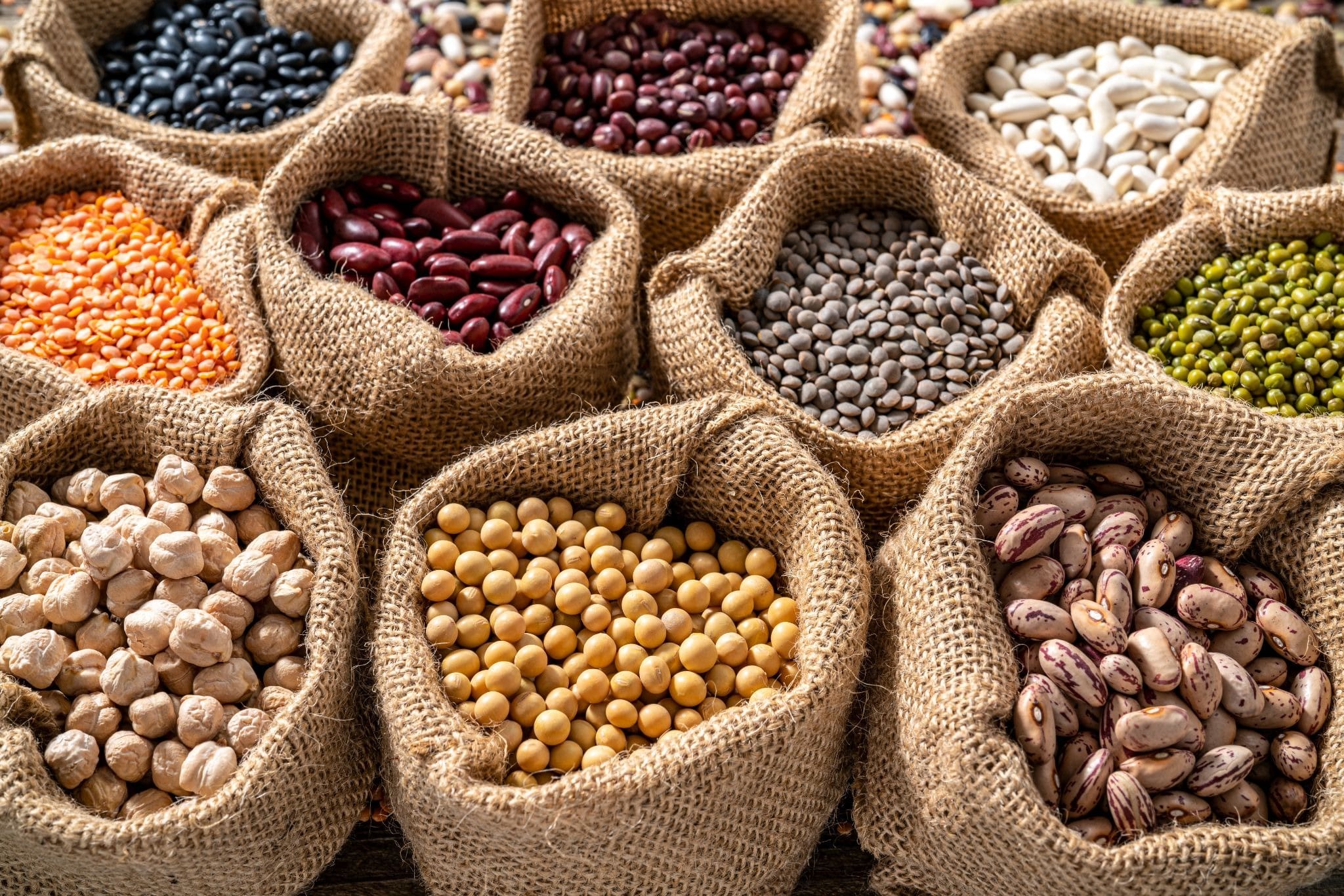
Legumes are your most cost-effective protein and fiber source. Dried black beans, green and red lentils, and chickpeas all have a shelf life of one to two years sealed. They turn into soups, stews, and salad toppers with minimal effort. A single bag of dried beans can yield six or more servings.
Healthy fats include olive oil, nuts, and seeds. Keep extra virgin olive oil on hand for dressings and light cooking (its smoke point ranges from 375–410°F depending on quality), plus regular olive oil for higher-heat uses. Organic butter or ghee, almonds, walnuts, and pumpkin seeds round out this group.
Canned and jarred basics are your time-saving secret weapons. Tomato paste delivers concentrated umami flavor for fast sauces. Keep canned tomatoes (crushed or diced), canned wild salmon or tuna in water, and coconut milk for curries. A jar of tomato sauce makes pasta night effortless.
Flavor builders eliminate any excuse that clean food tastes bland. Stock sea salt, black pepper, garlic powder, onion powder, chili powder, red pepper flakes, and dried herbs like oregano, thyme, rosemary, and basil. Real vanilla extract belongs here, too – it is a pantry staple for baking and breakfast dishes. Keep soy sauce and vinegar for quick Asian-inspired dressings.
Sweet-but-clean items satisfy cravings without processed sugar. Raw honey, 100% maple syrup, and unsweetened peanut butter or almond butter serve double duty in snacks, sauces, and baked goods. Cinnamon pairs beautifully with all three. For baking, keep baking soda and baking powder on hand alongside whole-grain flour.
Step-by-Step: How to Build a Clean Eating Meal Plan for One Week
This section gives you a repeatable framework. Once you learn it, you can build a new meal plan every week without starting from scratch. Meal planning can save time and reduce food waste when it follows a consistent pattern. Planning meals weekly supports overall well-being and gut health.
Step 1: Pick 3–4 core proteins. Choose pasture-raised chicken, grass-fed beef, pastured eggs, and a plant protein like beans or lentils. Include 20–30 grams of protein at each meal, and prep proteins in advance to save time. Limit red meats to once or twice per week and lean on eggs and legumes for the rest.
Step 2: Choose 3 whole grains and 3–4 seasonal vegetables. Oats, quinoa, and brown rice cover most bases. For vegetables, shop for what is in season locally – in Wisconsin’s late September, that means apples, winter squash, kale, beets, and carrots from local harvest guides. Balance your plate with half fruits and vegetables at every meal.
Step 3: Map a simple template. Oats or eggs form the hearty breakfast rotation. Lunch becomes a grain-plus-protein bowl or a filling salad. Dinner defaults to sheet-pan or one-pot dishes that reuse staples and leftovers.
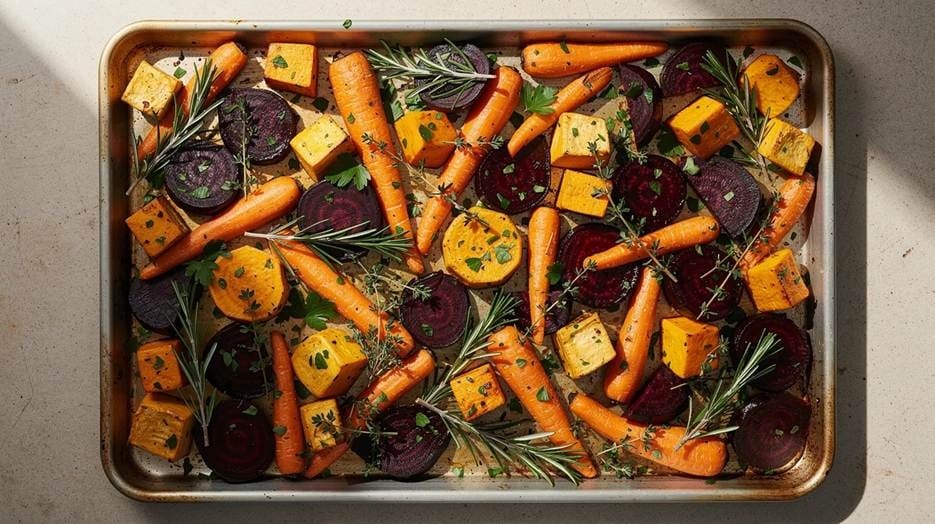
Step 4: Batch-cook on Sunday. Cook a pot of dried beans, roast a tray of roasted veggies tossed in extra virgin olive oil and herbs, and make a big pot of brown rice or quinoa. Batch cooking grains can streamline meal prep and give you building blocks for the entire week.
A concrete example: Monday starts with overnight oats, lunch is lentil soup from your Sunday batch, and dinner is a beans-and-greens skillet over brown rice. By Wednesday, leftover roasted vegetables become the base of a quinoa power bowl. Friday’s sheet-pan chicken feeds Saturday’s lunch wraps.
Once you grasp this framework, swap in different seasonal produce (asparagus in June, tomatoes in July, squash in October) and rotate proteins while keeping the same four planning steps.
Clean Eating Breakfast Ideas Built from Pantry Staples
Breakfast is where most people default to processed cereal, granola bars, or drive-through sandwiches. A few kitchen staples change that entirely. A clean eating meal plan can include 2000+ recipes, but you only need a handful of go-to breakfasts to build momentum.
Overnight oats with peanut butter and berries. Combine rolled oats from Doudlah Farms with unsweetened peanut butter, a pinch of cinnamon, chia seeds, and frozen blueberries in a jar. Refrigerate overnight. By morning, you have a filling, no-cook breakfast that tastes super tasty without any added sugar.
Farm egg and veggie skillet. Heat olive oil in a pan, add leftover roasted potatoes or squash, wilt any greens from the fridge (kale, chard), and crack in two or three pastured eggs. Season with salt, pepper, and garlic powder. This is a hearty breakfast that carries you to lunch.
Clean banana pancakes. Mash a ripe banana into whole grain flour from Doudlah Farms, add eggs and a splash of vanilla extract, and cook in a light coating of butter. Drizzle with honey or maple syrup. These are a game-changer for weekend mornings.
Yogurt parfait with oat and nut crumble. Layer plain yogurt with homemade toasted oats and mixed nuts, then drizzle with local honey. Add fresh fruits or frozen berries for color and fiber.
A Cheesy Mushroom Vegetarian Frittata is another clean breakfast option – eggs, sautéed mushrooms, a touch of cheese, and fresh herbs baked until set.
To meal prep these, assemble three to four jars of overnight oats on Sunday night, pre-mix dry pancake batter, and chop skillet vegetables ahead of time.
Simple Clean Eating Lunches and Dinners Using Pantry Staples
Lunches and dinners come together quickly when your pantry holds grains, beans, tomato paste, and frozen vegetables. The trick is thinking in building blocks rather than individual recipes.
For lunch, a quinoa and black bean power bowl is hard to beat – top cooked quinoa with black beans, roasted seasonal vegetables, sliced avocado, and an olive oil–lime juice dressing. A Chile Chicken Sweet Kale Salad is another excellent clean lunch recipe that travels well in containers. Mason jar lentil soup, cooked in a big batch on Sunday with garlic, onion, tomatoes, and dried herbs, reheats beautifully through the week. Chickpea salad lettuce wraps dressed with olive oil, lemon, and basil make a light but filling midday meal. Serve with a side of fresh guacamole and carrot sticks.
For dinner, a one-pot tomato paste and vegetable pasta is a 15-minute lifesaver. Sauté garlic in olive oil, stir in a generous spoonful of tomato paste and canned tomatoes, season with salt, pepper, and red pepper flakes, then toss with whole grain pasta cooked al dente. Top with a little cheese if you like. A sheet-pan chicken and root veggies dinner – chicken tossed in extra virgin olive oil, rosemary, and garlic alongside quartered squash and carrots – delivers delicious meals with almost no hands-on time. A simple beans and greens skillet over brown rice rounds out meatless nights beautifully. A Black Bean + Avocado Stuffed Sweet Potato is a clean dinner recipe worth adding to the rotation, topped with a dollop of sour cream and a squeeze of lime juice.
Tomato paste acts as a flavor base for quick sauces, soups, and stews – keep it in the rotation. To scale, double the sheet pan recipe and save half for the next day’s lunch. Solo eaters can halve any dish without changing the method.
How to Stock and Store Pantry Staples for Long-Term Clean Eating Success
Clean eating becomes sustainable when pantry staples are bought in bulk, rotated properly, and stored to maximize shelf life.
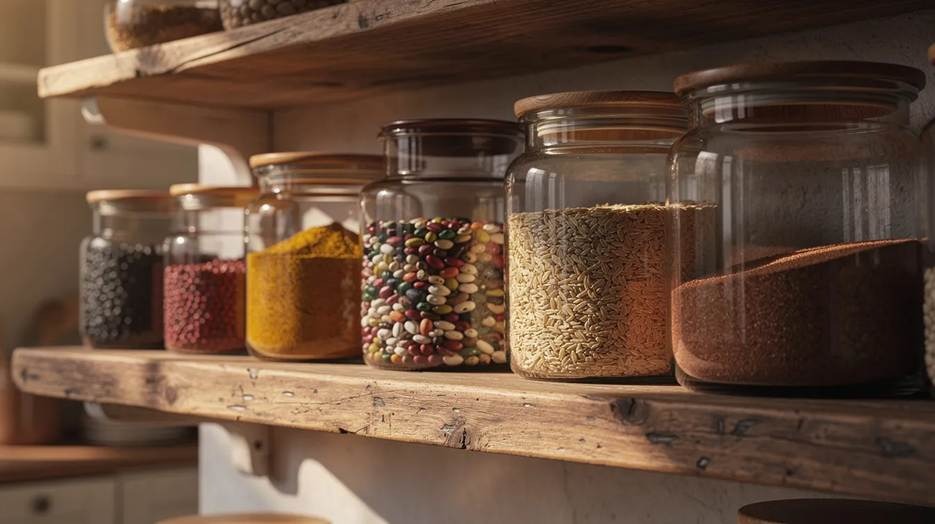
Store whole grains and dried beans in an airtight container – glass jars or BPA-free bins work well. Label each with a purchase date and keep them in a cool, dark cupboard. Brown rice lasts about six months at room temperature; white rice can last for years when sealed. Dried beans stay good for one to two years.
Keep extra virgin olive oil tightly capped and away from heat and light. Once opened, use it within two to three months for the best flavor. Nuts and seeds go rancid faster than you might expect – refrigerate or freeze them if you will not use them within a few weeks.
Tomato paste keeps about five to seven days in the fridge once opened, but freezing small portions in ice cube trays extends its life to several months. Vanilla extract lasts for years sealed in a cool, dark place. Canned goods like beans and tuna are safe for two to five years unopened.
For budget savings, buy oats, beans, and flour in bulk from a source like Doudlah Farms. Create a minimalist, clean pantry checklist on your phone and use it as a standing grocery shopping list. A well-stocked pantry means resilience – the ability to cook wholesome food even during busy weeks, storms, or supply disruptions.
Putting It All Together: A Sample 7-Day Clean Eating Meal Plan.
Here is a concrete week in late September using the pantry staples and dish ideas above. Seasonal produce includes apples, squash, kale, and late-season tomatoes.
Monday (Meatless): Overnight oats with peanut butter and frozen berries for breakfast. Lentil soup from Sunday’s batch for lunch. Beans and greens skillet over brown rice for dinner.
Tuesday: Farm egg and squash skillet for breakfast. Leftover skillet reheated over quinoa for lunch. Sheet-pan chicken with roasted carrots and squash for dinner.
Wednesday: Clean banana pancakes with maple syrup for breakfast. Chickpea salad lettuce wraps with fresh guacamole for lunch. One-pot tomato paste pasta with garlic and canned tomatoes for dinner.
Thursday: Yogurt parfait with oat crumble and honey for breakfast. Quinoa and black bean power bowl with roasted veggies for lunch. Grass-fed beef stir-fry with vegetables, soy sauce, and brown rice for dinner. Use a blended sauce of garlic, ginger, and a splash of vinegar.
Friday: Overnight oats (second batch) for breakfast. Leftover stir-fry packed for lunch. Black Bean + Avocado Stuffed Sweet Potato with sour cream for dinner.
Saturday: Cheesy Mushroom Vegetarian Frittata with baked potato wedges for breakfast. Chile Chicken Sweet Kale Salad for lunch. Sheet-pan salmon with roasted root vegetables for dinner.
Sunday: Banana pancakes for breakfast. Apple slices with peanut butter and a handful of nuts for lunch alongside leftover soup. Cook and prepare next week’s batch of grains, beans, and roasted veggies in the afternoon. Enjoy a simple pasta with tomato sauce and basil for dinner.
Snacks throughout the week: apple slices with honey-roasted peanut butter, carrot sticks with hummus, and frozen fruit blended into a quick smoothie with milk. Drink plenty of water throughout the day. Notice how leftovers roll forward – Tuesday’s sheet-pan chicken feeds Wednesday’s lunch option, Thursday’s stir-fry becomes Friday’s packed lunch.
Swap in local, organic ingredients from Doudlah Farms or nearby markets to keep everything seasonal and fresh.
Clean Eating Meal Planning Tips for Busy Households
Real life includes kids’ sports schedules, long commutes, and evenings when the last thing you want to do is cook. These tips keep your clean eating meal plan alive even on the hardest days.
● Cook once, eat twice. Double every dinner recipe and pack the rest for tomorrow’s lunch.
● Keep 15-minute pantry dinners in your back pocket. Tomato paste pasta, beans with frozen vegetables over rice, or eggs scrambled with whatever is in the fridge. Think of ketchup as a condiment to phase out rather than a sauce to cook with.
● Batch-prep in 30-minute blocks. Chop onion and garlic, wash greens, and cook a pot of grains. Using a grocery list helps streamline meal planning and prevents impulse buys.
● Make big batches of tomato paste–based sauce and freeze in small containers. Pull one out for ultra-fast weeknight pasta or as a base for soup.
● Maintain a “clean eating emergency kit”: canned beans, whole grain pasta, tomato paste, olive oil, dried herbs, and spices. Even without fresh food, you can cook something nutritious and delicious.
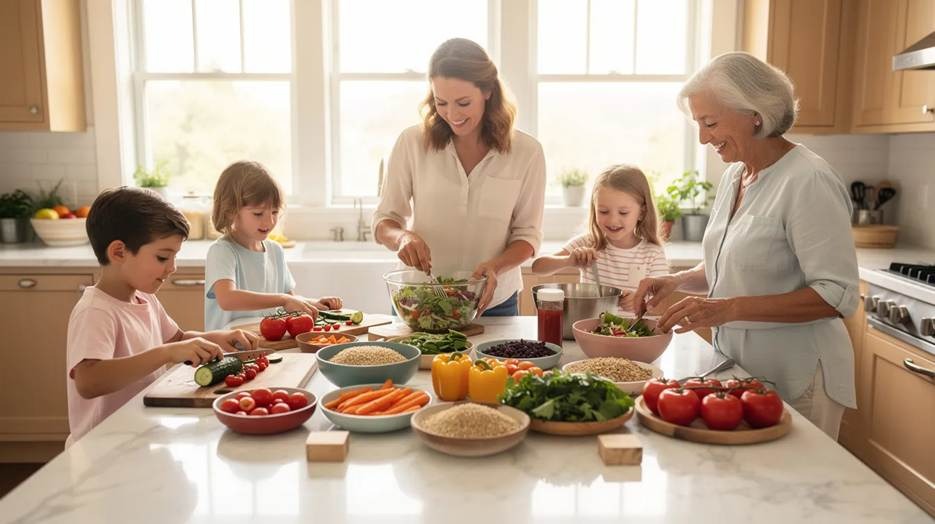
● Involve kids. Let them pick one breakfast or dinner from a short list each week. Buy-in reduces dinnertime resistance.
● Schedule a monthly stock-up of organic pantry staples directly from Doudlah Farms to simplify grocery shopping and ensure you never run low on the basics.
Clean eating emphasizes whole, unprocessed foods – and meal prep is how you make that emphasis practical rather than theoretical.
FAQ: Clean Eating Meal Plans & Pantry Staples
These questions cover the most common sticking points for people starting or sustaining a clean eating meal plan. If something was not fully addressed above, you will likely find it here.
How “clean” does my pantry need to be before I start a clean eating meal plan?
You do not need a perfect pantry on day one. Start by upgrading a few high-impact staples: swap refined cooking oils for extra virgin olive oil, replace white rice with brown rice, and trade sugary peanut butter for an unsweetened version. As you run out of older items, replace them with organic, minimally processed staples from sources like Doudlah Farms. Use up what you already have rather than wasting food – steady progress matters more than an overnight overhaul.
Can I follow a clean eating meal plan if I’m on a tight budget?
Absolutely. The core clean eating foods – oats, dried beans, lentils, brown rice, and tomato paste – are among the cheapest per-serving ingredients in any store. A large bag of dried black beans might cost two to three dollars and yield six hearty servings. Buy in bulk, plan meals around what is on sale or in season, and cook from scratch instead of buying packaged “health” products. Investing in a big bag of organic grains or beans from Doudlah Farms can reduce your per-meal cost over several weeks.
How long can I store staples like tomato paste, olive oil, and vanilla extract?
Tomato paste lasts about a year unopened, five to seven days in the fridge once opened, and several months if frozen in small portions. Extra virgin olive oil stays at peak quality for six to twelve months stored away from heat and light. Vanilla extract can last for years when kept sealed in a cool, dark spot. Label your containers with dates and use your senses – smell, look, and taste – if something has been stored longer than expected. Rotate pantry stock so older items are used first.
Do I have to give up desserts and snacks to eat clean?
Not at all. Clean eating does not mean denying yourself sweets – it means choosing treats made from real-food pantry staples. Bake oatmeal cookies sweetened with honey or maple syrup and flavored with vanilla extract. Dip apple slices in peanut butter instead of reaching for packaged candy. Try baked fruit crisps with an oat topping. The goal is balance and enjoyment, so your meal plan feels sustainable, not punishing.
How can I keep my clean eating meal plan interesting week after week?
Rotate your spices, herbs, and flavor profiles. One week, lean Italian with tomato paste, basil, and oregano. The next week, go Mexican-inspired with cumin, chili powder, lime juice, and fresh guacamole. The week after, try Asian flavors with soy sauce, garlic, and ginger. Try one new vegetable, grain, or bean each week and pair it with familiar ingredients – the taste stays exciting while the structure stays simple. Doudlah Farms’ seasonal offerings can inspire new combinations while your core pantry remains largely the same.