Key Takeaways
● Most canned beans (black beans, butter beans, cannellini beans, and others) can be swapped 1:1 by volume, with small adjustments for texture and salt.
● Choosing the right substitute depends on flavor (mild vs. robust), texture (creamy vs. firm), and color (white beans vs. dark beans).
● Many bean swaps are naturally gluten-free, making them ideal for flexible, allergy-aware cooking.
● When substituting beans, swap within the same size category for similar cooking times and predictable results.
● Doudlah Farms focuses on organic, soil-building agriculture, so choosing quality beans supports flavor, nutrition, and regenerative farming.
Introduction: Why a Bean Swap Guide Belongs in Your Kitchen
You’re halfway through a recipe and realize you’re completely out of cannellini beans. It happens constantly. Swapping bean varieties can elevate dishes and explore new textures and flavors rather than just saving a grocery trip.
This bean swap guide shows you how to substitute different types of beans confidently in your favorite recipes, from soup and stews to salads, chili, and bean dips. Beans differ in flavor (nutty, earthy, mild), texture (creamy, meaty, firm), and cooking time, and those details shape the best swap. At Doudlah Farms, a Wisconsin organic farm committed to regenerative, soil-first practices, we grow and source beans with flavor and nutrition in mind. Consider this your go-to resource for practical, home-cook-friendly ratios and clear suggestions.
Bean Basics: Flavor, Texture & When It’s Safe to Swap
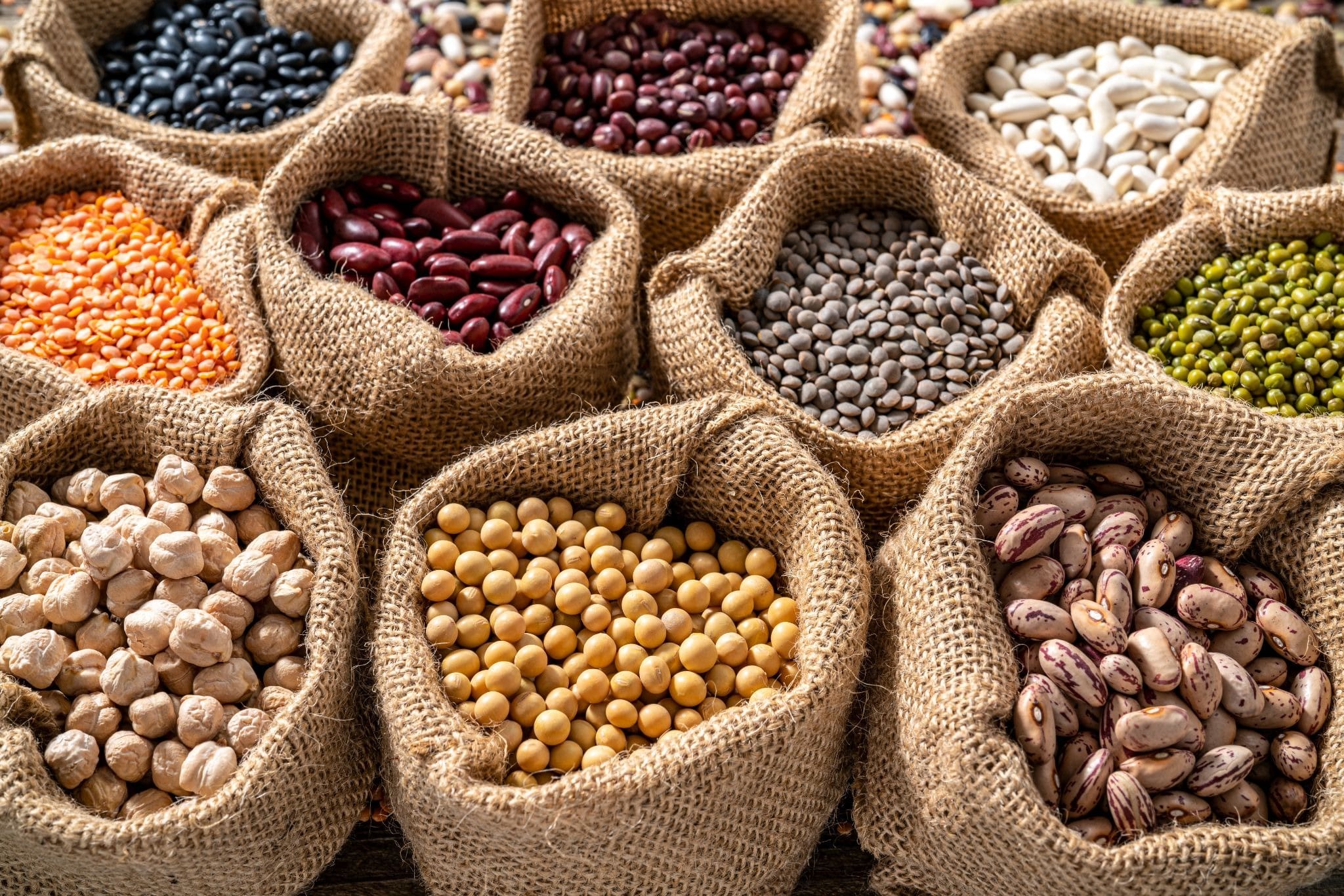
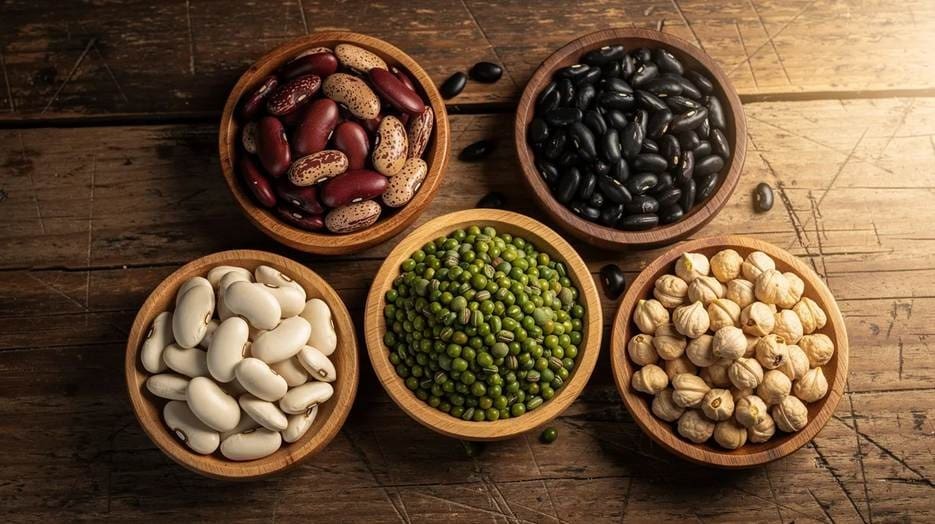
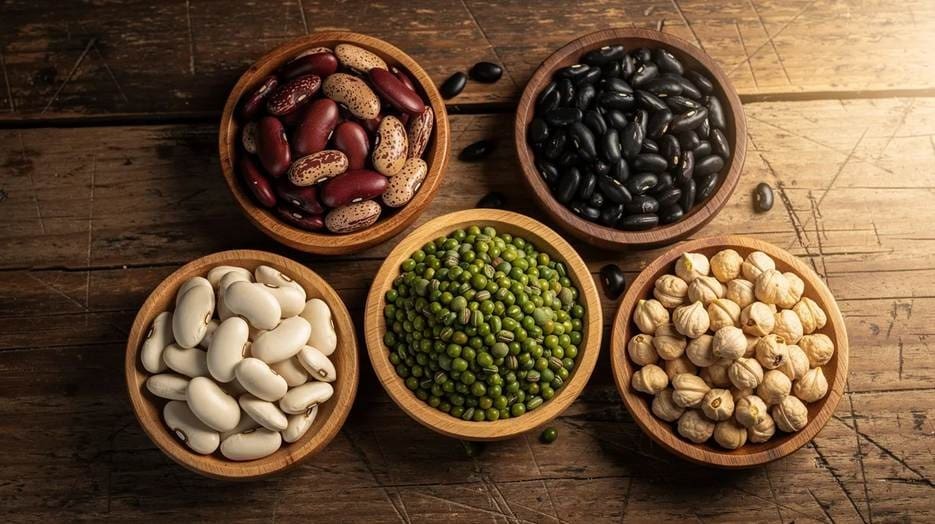
Beans are a diverse family, from white beans to black beans to pinto beans and butter beans. They all share high protein and fiber, but behave differently in a recipe. Beans have specific texture and flavor profiles that dictate suitable swaps.
Key flavor profiles:
● Mild and nutty: cannellini beans, great northern beans
● Earthy and robust: black beans, kidney beans
● Buttery and rich: butter beans (also called lima beans)
● Slightly sweet and firm: chickpeas (also known as garbanzo beans)
Key textures:
● Creamy and velvety: white beans, butter beans
● Firm and meaty: kidney beans, chickpeas
● Soft and mashable: pinto beans, lentils
Size matters for swaps. Small beans can be swapped for each other (navy beans and black-eyed peas, for example). Medium beans generally work interchangeably in most recipes. Large beans can be substituted for other large varieties without major issues. A 1:1 swap works in most casseroles, chilis, and grain bowls. Be choosier with delicate soups, smooth bean dips, or dishes where color matters.
Canned beans simplify swapping because they have similar moisture levels, while dried beans need more attention to cooking time and volume changes after soaking.
Cannellini Beans 101: Taste, Texture & Common Uses
Cannellini beans have a mild, nutty flavor and a creamy texture that makes them one of the most versatile legumes in any pantry. They’re classic Italian white beans with a slightly earthy taste and a creamy interior that holds shape well.
Common uses include:
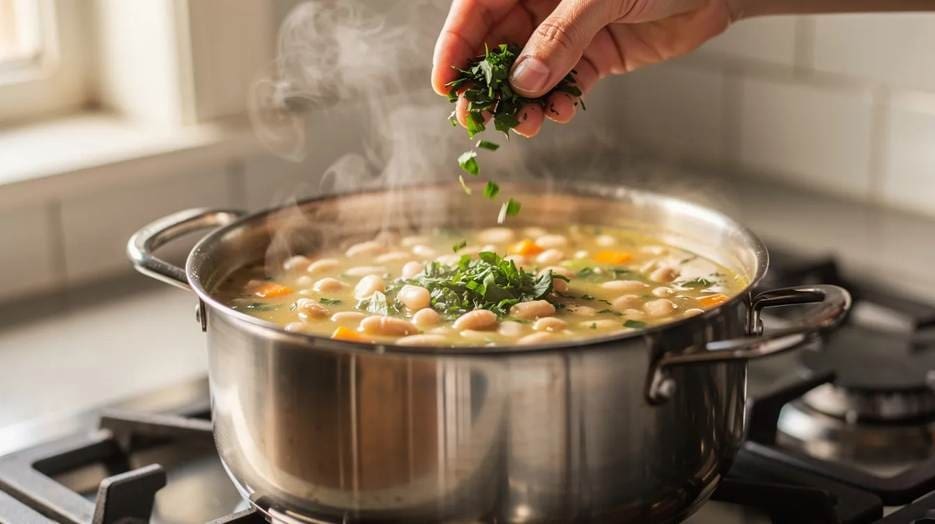
● Cannellini beans are used in soups and stews like Tuscan white bean soup
● They add creaminess to salads and baked dishes
● Cannellini beans are great for making dips with garlic, rosemary, and lemon juice
● They are commonly used in chili recipes, particularly white chicken chili
● Blended into pasta sauces for a dairy-free creamy base
Their role in a dish is often as a secret ingredient: they thicken soups naturally, deliver a filling protein boost, and let herbs and olive oil shine. Because they hold shape better than softer white beans, they’re popular in salads you eat the next day.
Throughout this guide, cannellini beans serve as the reference bean, since many readers specifically search for cannellini bean substitutes.
Best Cannellini Bean Substitutes (With Ratios)
Most cannellini bean substitutes can be used in a 1:1 ratio by volume when using canned beans, with minor adjustments to seasoning and liquid.
● Great northern beans are a close substitute for cannellini beans, with a similar flavor and slightly smaller size. A perfect swap for soup and casseroles.
● Navy beans can replace cannellini beans in dips and soups, yielding a smoother, creamier result. Their mild flavor makes them blend easily in a blender for spreads.
● Butter beans (large lima beans) bring a richer, silkier, creamy texture. A great option when you want more body.
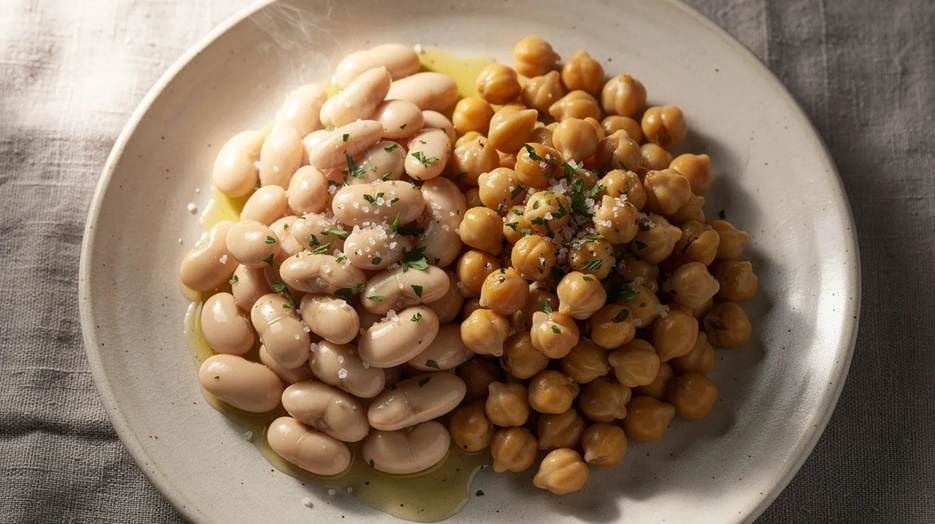
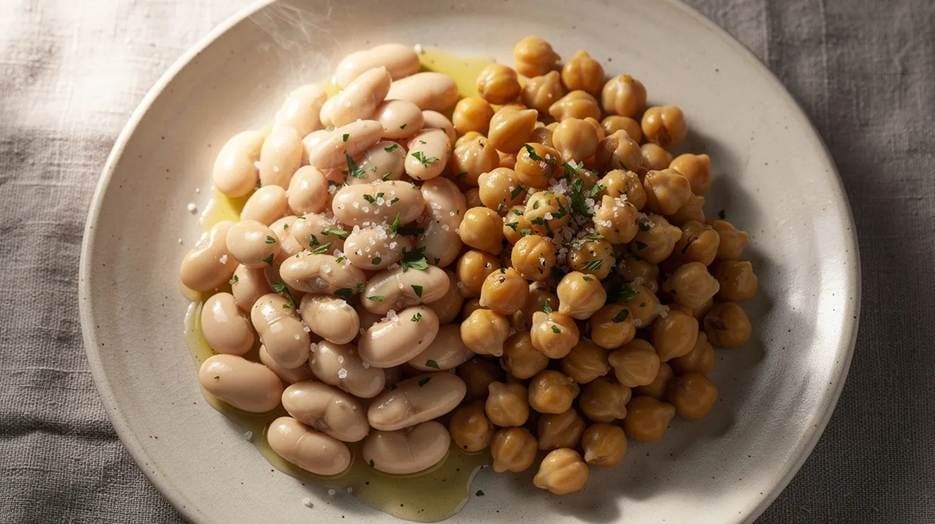
● Chickpeas are a versatile substitute for cannellini beans, though their stronger nutty flavor makes them stand out more. Their nutty flavor makes them an excellent substitute in salads and grain bowls.
● Pinto beans can be used as a 1-to-1 substitute for cannellini beans, especially in chili or rice dishes.
● Black-eyed peas can replace cannellini beans in salads and soups with a mild, slightly earthy taste.
For dried beans, about 1/2 cup dried yields roughly 1.5 to 2 cups cooked. Slightly reduce the added salt when swapping in salted canned beans and taste as you go.
Substitutes by Dish Type: Soups, Salads, Chili, Dips & More
The best substitution depends on how beans function in the dish.
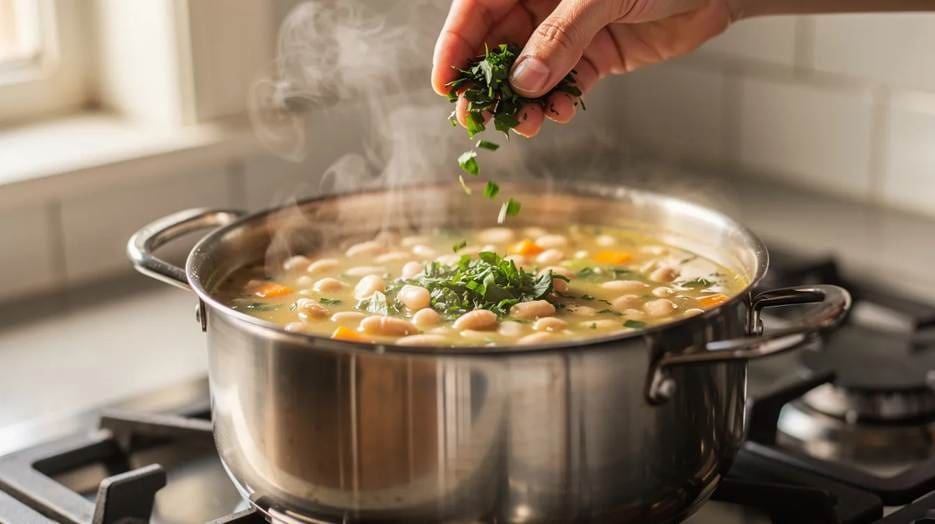
● Hearty soups and stews: Great northern beans, navy beans, or butter beans maintain a creamy texture and gentle flavors. Other legumes, like lentils, also work when you want something that cooks quickly.
● Fresh salads: Firm beans like chickpeas, black beans, or kidney beans offer more bite and color contrast. Mixed with vinaigrette and spices, they hold up well during chilling.
● Chili (red or white): Kidney beans, black beans, and pinto beans can replace cannellini beans in meat or vegetarian chili. Darker beans bring deeper, earthier flavors and absorb bold seasoning well.
● Bean dips and spreads: Navy beans or butter beans make smooth substitutes when processed with tahini, olive oil, and garlic. Black beans or pinto beans work for darker, spiced dips. A classic hummus uses chickpeas blended until silky.
● Pasta and grain bowls: White beans, chickpeas, or black beans work depending on the sauce style. Herb-forward pasta pairs with white beans. Smoky or tomato-based dishes welcome darker beans alongside rice or corn.
White Beans vs. Dark Beans: How Color Changes Flavor & Presentation
Color isn’t just visual. Darker beans (black beans, kidney beans, pinto beans) usually bring bolder, earthier flavors and stronger skins than white beans.
● White beans (cannellini, great northern, navy) are mild, creamy, and ideal for subtle flavors
● Dark beans (black beans, kidney beans) are robust, filling, and better for spiced, smoky dishes
Color matters in classic white chili, bright pesto pasta, and light soups where white beans keep things visually clean. Color can be playful in grain bowls, taco salad, or quesadillas, where dark beans add contrast. For picky eaters, keeping bean color consistent with the original recipe often helps.
Canned Beans vs. Dried Beans: Ratios, Timing & Texture
Both canned beans and dried beans are excellent, but they behave differently in swaps because of moisture, salt, and cooking time.
● A standard 15-ounce can yields about 1.5 cups of drained beans
● About 1/2 cup dried beans yields roughly 1 to 1.5 cups cooked
● Beans generally remain viable for about 3 to 4 years if stored properly in a cool, dry pantry
When substituting canned for dried, rinse canned beans to control salt. Rinsing reduces sodium by roughly 36 to 41 percent. Add canned beans later in the pot to avoid mushiness. Dried beans allow more control over texture and seasoning, which helps in salads where you want tender but intact beans. Soaking dried beans overnight shortens cooking time significantly.
If time is short on a weeknight, canned beans are ideal. On a slower weekend, cooking dried beans in a pot with the heat set low can yield better flavor for meal prep.
Gluten Free Bean Swaps & Allergy-Friendly Tips
Most beans are naturally gluten-free, making bean swaps safe for gluten-conscious cooking when cross-contamination is avoided.
Beans can stand in for gluten-containing ingredients: swap beans for pasta in soups, use mashed white beans in place of breadcrumbs, or add beans to salad instead of croutons. Grains sometimes suggested as bean substitutes, like barley, are not gluten-free, whereas quinoa, rice, corn, and hominy are safe options that behave differently from beans.
Always check labels on canned beans for hidden gluten in flavorings, and separate cooking utensils and pots when cooking for someone with celiac disease. Doudlah Farms focuses on transparent ingredients and organic practices, which helps gluten-free and allergy-sensitive cooks trust what’s going into their meals.
Using Beans as Substitutes for Other Ingredients
Bean swaps work both ways. Beans don’t just replace each other; they can also replace meat, potatoes, and even coffee in creative cooking contexts (though coffee beans are an entirely different plant, not a legume).
● Black beans or pinto beans can replace ground meat in tacos and burritos, simmered with taco seasoning and tomato paste for a filling, protein-rich swap
● White beans and butter beans can take the place of potatoes in sides: mashed cannellini beans with olive oil and garlic, or marinated butter bean salad with herbs
● Roasted chickpeas stand in for croutons on salads and soups, delivering crunch and protein without bread
● Pureed white beans can replace a portion of cream or cheese in creamy soups and dips
● Lentils are an excellent replacement for beans due to similar fiber and protein content, especially in stews and curries
● Mushrooms and tofu also pair well when beans aren’t available, offering different types of protein and texture in savory recipes
Quick Tips for Swapping Beans Like a Pro
A few simple rules prevent most bean-swap disappointments.
● Match texture first (creamy with creamy, firm with firm) and flavor second (mild with mild, bold with bold)
● Taste beans before adding them, since beans from different brands or harvests vary in saltiness and firmness
● Softer beans may break down faster than firmer beans during cooking, so add delicate navy or butter beans later in long-simmering dishes
● Keep at least two kinds of canned beans in the pantry (such as black beans and a white bean like cannellini or great northern) for last-minute swaps
● When a recipe calls for an example bean you don’t have, a bean of similar size is almost always a safe bet
● Season with fresh herbs like rosemary, a squeeze of lemon juice, and a pinch of salt to bridge small flavor gaps between bean varieties
How Doudlah Farms Grows Better Beans for Better Swaps
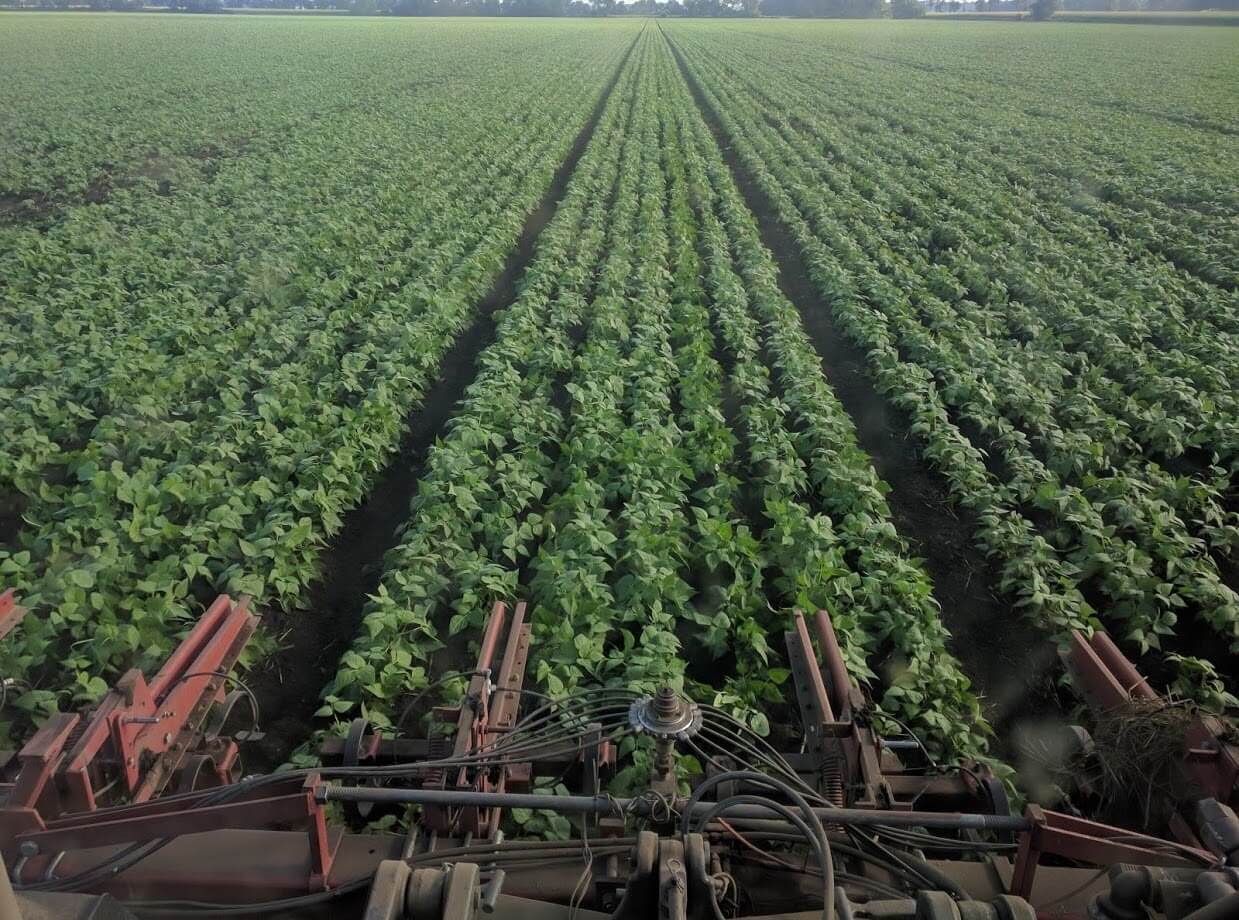
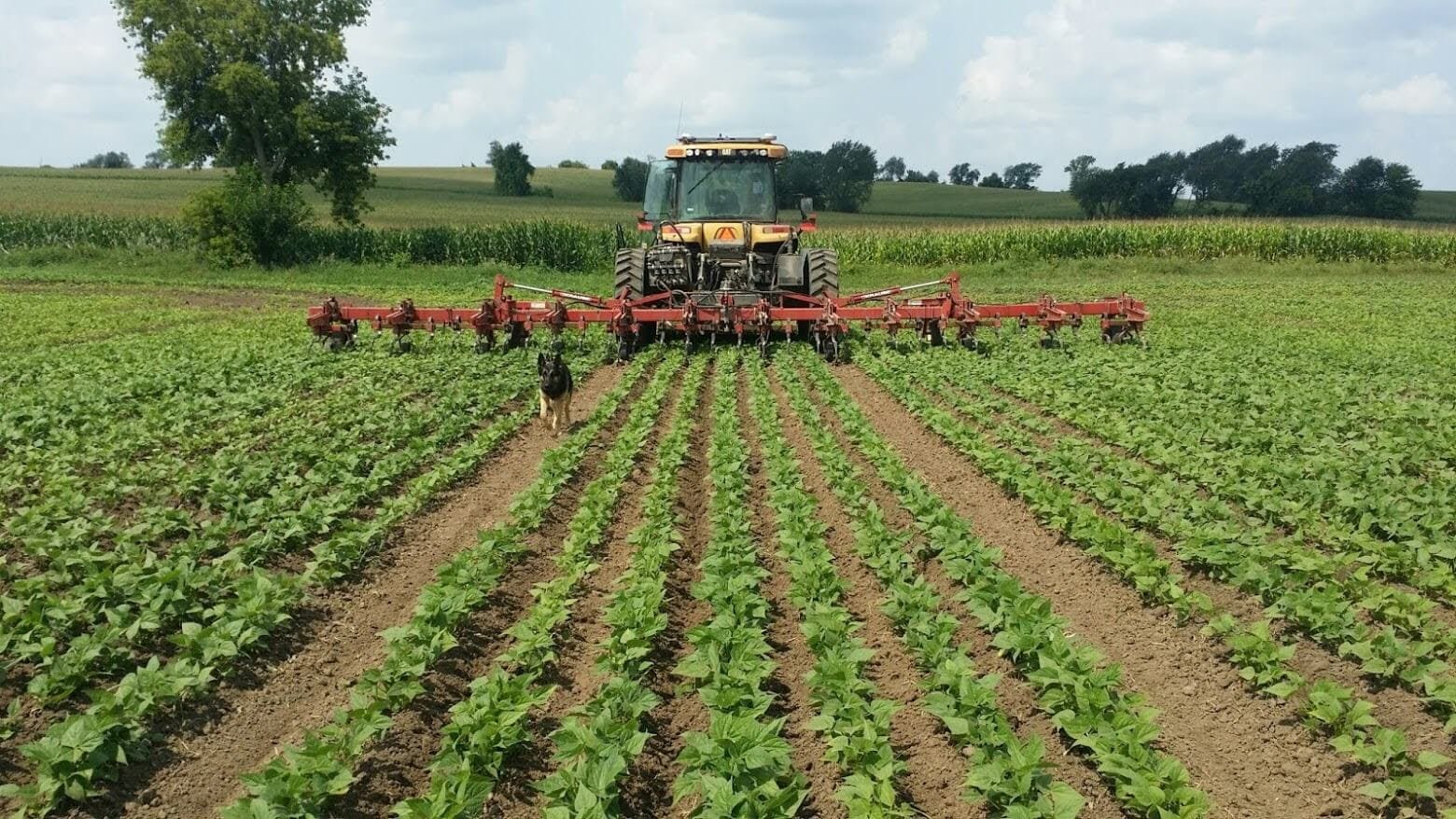
Doudlah Farms is a family-run organic farm in Wisconsin focused on regenerative, soil-building agriculture. Healthy soil produces beans with deeper flavor, more consistent texture, and better nutrition, which matters when beans are the star of a dish.
Specific practices like crop rotations, cover crops, and avoiding synthetic chemicals connect directly to cleaner, more reliable beans. When growing beans for seed, beans should be kept 10 to 15 feet apart to ensure seed purity if cross-pollinating. Only trade clean, dry, viable seeds at swaps and avoid seeds from diseased plants. Seed swaps lower gardening costs and promote greater genetic diversity, and participating in seed swaps can provide access to unusual, heirloom, or locally adapted varieties.
We invite you to consider sourcing your cannellini beans, black beans, and other staples from farmers who prioritize soil health. Doudlah Farms beans are a trustworthy foundation for bean swaps in everyday cooking, from quick weeknight soups to special-occasion chili.
FAQ: Bean Swap Questions Answered
Can I always substitute one bean for another in my favorite recipes?
While most beans can technically be swapped 1:1 by volume, results are best when you match the texture and intensity of flavor. In strongly flavored or visually specific recipes like traditional black bean soup or white chicken chili, changing the bean may noticeably alter both taste and appearance. Start with partial swaps, replacing half the beans with a new type, when experimenting in favorite recipes you don’t want to risk.
What’s the closest substitute for cannellini beans if I care about both taste and texture?
Great northern beans are usually the closest match for cannellini beans in both mild flavor and creamy yet firm texture, especially in soups, stews, and casseroles. Navy beans are a good alternative for very smooth dips and spreads, while butter beans are ideal when a richer, silkier texture is welcome. Avoid dark beans as direct substitutes in pale dishes if you want to keep both flavor and color close to the original.
How do I convert a recipe that uses dried beans to canned beans (or vice versa)?
A standard 15-ounce can of beans (drained) equals about 1.5 cups cooked beans, which usually comes from about 1/2 cup dried beans. When swapping canned beans into a recipe written for dried, skip the soaking step, rinse the canned beans, and reduce any added salt slightly. When using dried beans instead of canned, allow more time for soaking and simmering, and add extra liquid in soups and stews.
Are all beans gluten-free, and do I need to worry about cross-contamination?
Beans themselves are naturally gluten-free, including cannellini beans, black beans, butter beans, chickpeas, and other common varieties. Cross-contamination can occur during processing or in flavored canned beans, so sensitive or celiac readers should look for certified gluten-free labels and minimal added ingredients. Store beans, grains, and flours in clearly labeled containers at home to avoid accidental mixing.
What can I use instead of beans if I’m avoiding legumes entirely?
For people who can’t eat legumes, whole grains like quinoa, rice, barley (if not gluten-free), and hominy can stand in for beans in soups and grain bowls, though they won’t match beans in protein content. Small cubes of roasted vegetables like sweet potatoes or mushrooms can replace beans in salads and stews. For higher protein swaps, tofu or tempeh can replace beans in stir-fries, curries, and grain bowls, though they have a different texture than beans.
Bean Swap Guide: Substitutions, Ratios & Flavor Differences
Key Takeaways
● Most canned beans (black beans, butter beans, cannellini beans, and others) can be swapped 1:1 by volume, with small adjustments for texture and salt.
● Choosing the right substitute depends on flavor (mild vs. robust), texture (creamy vs. firm), and color (white beans vs. dark beans).
● Many bean swaps are naturally gluten-free, making them ideal for flexible, allergy-aware cooking.
● When substituting beans, swap within the same size category for similar cooking times and predictable results.
● Doudlah Farms focuses on organic, soil-building agriculture, so choosing quality beans supports flavor, nutrition, and regenerative farming.
Introduction: Why a Bean Swap Guide Belongs in Your Kitchen
You’re halfway through a recipe and realize you’re completely out of cannellini beans. It happens constantly. Swapping bean varieties can elevate dishes and explore new textures and flavors rather than just saving a grocery trip.
This bean swap guide shows you how to substitute different types of beans confidently in your favorite recipes, from soup and stews to salads, chili, and bean dips. Beans differ in flavor (nutty, earthy, mild), texture (creamy, meaty, firm), and cooking time, and those details shape the best swap. At Doudlah Farms, a Wisconsin organic farm committed to regenerative, soil-first practices, we grow and source beans with flavor and nutrition in mind. Consider this your go-to resource for practical, home-cook-friendly ratios and clear suggestions.
Bean Basics: Flavor, Texture & When It’s Safe to Swap
Beans are a diverse family, from white beans to black beans to pinto beans and butter beans. They all share high protein and fiber, but behave differently in a recipe. Beans have specific texture and flavor profiles that dictate suitable swaps.
Key flavor profiles:
● Mild and nutty: cannellini beans, great northern beans
● Earthy and robust: black beans, kidney beans
● Buttery and rich: butter beans (also called lima beans)
● Slightly sweet and firm: chickpeas (also known as garbanzo beans)
Key textures:
● Creamy and velvety: white beans, butter beans
● Firm and meaty: kidney beans, chickpeas
● Soft and mashable: pinto beans, lentils
Size matters for swaps. Small beans can be swapped for each other (navy beans and black-eyed peas, for example). Medium beans generally work interchangeably in most recipes. Large beans can be substituted for other large varieties without major issues. A 1:1 swap works in most casseroles, chilis, and grain bowls. Be choosier with delicate soups, smooth bean dips, or dishes where color matters.
Canned beans simplify swapping because they have similar moisture levels, while dried beans need more attention to cooking time and volume changes after soaking.
Cannellini Beans 101: Taste, Texture & Common Uses
Cannellini beans have a mild, nutty flavor and a creamy texture that makes them one of the most versatile legumes in any pantry. They’re classic Italian white beans with a slightly earthy taste and a creamy interior that holds shape well.
Common uses include:
● Cannellini beans are used in soups and stews like Tuscan white bean soup
● They add creaminess to salads and baked dishes
● Cannellini beans are great for making dips with garlic, rosemary, and lemon juice
● They are commonly used in chili recipes, particularly white chicken chili
● Blended into pasta sauces for a dairy-free creamy base
Their role in a dish is often as a secret ingredient: they thicken soups naturally, deliver a filling protein boost, and let herbs and olive oil shine. Because they hold shape better than softer white beans, they’re popular in salads you eat the next day.
Throughout this guide, cannellini beans serve as the reference bean, since many readers specifically search for cannellini bean substitutes.
Best Cannellini Bean Substitutes (With Ratios)
Most cannellini bean substitutes can be used in a 1:1 ratio by volume when using canned beans, with minor adjustments to seasoning and liquid.
● Great northern beans are a close substitute for cannellini beans, with a similar flavor and slightly smaller size. A perfect swap for soup and casseroles.
● Navy beans can replace cannellini beans in dips and soups, yielding a smoother, creamier result. Their mild flavor makes them blend easily in a blender for spreads.
● Butter beans (large lima beans) bring a richer, silkier, creamy texture. A great option when you want more body.
● Chickpeas are a versatile substitute for cannellini beans, though their stronger nutty flavor makes them stand out more. Their nutty flavor makes them an excellent substitute in salads and grain bowls.
● Pinto beans can be used as a 1-to-1 substitute for cannellini beans, especially in chili or rice dishes.
● Black-eyed peas can replace cannellini beans in salads and soups with a mild, slightly earthy taste.
For dried beans, about 1/2 cup dried yields roughly 1.5 to 2 cups cooked. Slightly reduce the added salt when swapping in salted canned beans and taste as you go.
Substitutes by Dish Type: Soups, Salads, Chili, Dips & More
The best substitution depends on how beans function in the dish.
● Hearty soups and stews: Great northern beans, navy beans, or butter beans maintain a creamy texture and gentle flavors. Other legumes, like lentils, also work when you want something that cooks quickly.
● Fresh salads: Firm beans like chickpeas, black beans, or kidney beans offer more bite and color contrast. Mixed with vinaigrette and spices, they hold up well during chilling.
● Chili (red or white): Kidney beans, black beans, and pinto beans can replace cannellini beans in meat or vegetarian chili. Darker beans bring deeper, earthier flavors and absorb bold seasoning well.
● Bean dips and spreads: Navy beans or butter beans make smooth substitutes when processed with tahini, olive oil, and garlic. Black beans or pinto beans work for darker, spiced dips. A classic hummus uses chickpeas blended until silky.
● Pasta and grain bowls: White beans, chickpeas, or black beans work depending on the sauce style. Herb-forward pasta pairs with white beans. Smoky or tomato-based dishes welcome darker beans alongside rice or corn.
White Beans vs. Dark Beans: How Color Changes Flavor & Presentation
Color isn’t just visual. Darker beans (black beans, kidney beans, pinto beans) usually bring bolder, earthier flavors and stronger skins than white beans.
● White beans (cannellini, great northern, navy) are mild, creamy, and ideal for subtle flavors
● Dark beans (black beans, kidney beans) are robust, filling, and better for spiced, smoky dishes
Color matters in classic white chili, bright pesto pasta, and light soups where white beans keep things visually clean. Color can be playful in grain bowls, taco salad, or quesadillas, where dark beans add contrast. For picky eaters, keeping bean color consistent with the original recipe often helps.
Canned Beans vs. Dried Beans: Ratios, Timing & Texture
Both canned beans and dried beans are excellent, but they behave differently in swaps because of moisture, salt, and cooking time.
● A standard 15-ounce can yields about 1.5 cups of drained beans
● About 1/2 cup dried beans yields roughly 1 to 1.5 cups cooked
● Beans generally remain viable for about 3 to 4 years if stored properly in a cool, dry pantry
When substituting canned for dried, rinse canned beans to control salt. Rinsing reduces sodium by roughly 36 to 41 percent. Add canned beans later in the pot to avoid mushiness. Dried beans allow more control over texture and seasoning, which helps in salads where you want tender but intact beans. Soaking dried beans overnight shortens cooking time significantly.
If time is short on a weeknight, canned beans are ideal. On a slower weekend, cooking dried beans in a pot with the heat set low can yield better flavor for meal prep.
Gluten Free Bean Swaps & Allergy-Friendly Tips
Most beans are naturally gluten-free, making bean swaps safe for gluten-conscious cooking when cross-contamination is avoided.
Beans can stand in for gluten-containing ingredients: swap beans for pasta in soups, use mashed white beans in place of breadcrumbs, or add beans to salad instead of croutons. Grains sometimes suggested as bean substitutes, like barley, are not gluten-free, whereas quinoa, rice, corn, and hominy are safe options that behave differently from beans.
Always check labels on canned beans for hidden gluten in flavorings, and separate cooking utensils and pots when cooking for someone with celiac disease. Doudlah Farms focuses on transparent ingredients and organic practices, which helps gluten-free and allergy-sensitive cooks trust what’s going into their meals.
Using Beans as Substitutes for Other Ingredients
Bean swaps work both ways. Beans don’t just replace each other; they can also replace meat, potatoes, and even coffee in creative cooking contexts (though coffee beans are an entirely different plant, not a legume).
● Black beans or pinto beans can replace ground meat in tacos and burritos, simmered with taco seasoning and tomato paste for a filling, protein-rich swap
● White beans and butter beans can take the place of potatoes in sides: mashed cannellini beans with olive oil and garlic, or marinated butter bean salad with herbs
● Roasted chickpeas stand in for croutons on salads and soups, delivering crunch and protein without bread
● Pureed white beans can replace a portion of cream or cheese in creamy soups and dips
● Lentils are an excellent replacement for beans due to similar fiber and protein content, especially in stews and curries
● Mushrooms and tofu also pair well when beans aren’t available, offering different types of protein and texture in savory recipes
Quick Tips for Swapping Beans Like a Pro
A few simple rules prevent most bean-swap disappointments.
● Match texture first (creamy with creamy, firm with firm) and flavor second (mild with mild, bold with bold)
● Taste beans before adding them, since beans from different brands or harvests vary in saltiness and firmness
● Softer beans may break down faster than firmer beans during cooking, so add delicate navy or butter beans later in long-simmering dishes
● Keep at least two kinds of canned beans in the pantry (such as black beans and a white bean like cannellini or great northern) for last-minute swaps
● When a recipe calls for an example bean you don’t have, a bean of similar size is almost always a safe bet
● Season with fresh herbs like rosemary, a squeeze of lemon juice, and a pinch of salt to bridge small flavor gaps between bean varieties
How Doudlah Farms Grows Better Beans for Better Swaps
Doudlah Farms is a family-run organic farm in Wisconsin focused on regenerative, soil-building agriculture. Healthy soil produces beans with deeper flavor, more consistent texture, and better nutrition, which matters when beans are the star of a dish.
Specific practices like crop rotations, cover crops, and avoiding synthetic chemicals connect directly to cleaner, more reliable beans. When growing beans for seed, beans should be kept 10 to 15 feet apart to ensure seed purity if cross-pollinating. Only trade clean, dry, viable seeds at swaps and avoid seeds from diseased plants. Seed swaps lower gardening costs and promote greater genetic diversity, and participating in seed swaps can provide access to unusual, heirloom, or locally adapted varieties.
We invite you to consider sourcing your cannellini beans, black beans, and other staples from farmers who prioritize soil health. Doudlah Farms beans are a trustworthy foundation for bean swaps in everyday cooking, from quick weeknight soups to special-occasion chili.
FAQ: Bean Swap Questions Answered
Can I always substitute one bean for another in my favorite recipes?
While most beans can technically be swapped 1:1 by volume, results are best when you match the texture and intensity of flavor. In strongly flavored or visually specific recipes like traditional black bean soup or white chicken chili, changing the bean may noticeably alter both taste and appearance. Start with partial swaps, replacing half the beans with a new type, when experimenting in favorite recipes you don’t want to risk.
What’s the closest substitute for cannellini beans if I care about both taste and texture?
Great northern beans are usually the closest match for cannellini beans in both mild flavor and creamy yet firm texture, especially in soups, stews, and casseroles. Navy beans are a good alternative for very smooth dips and spreads, while butter beans are ideal when a richer, silkier texture is welcome. Avoid dark beans as direct substitutes in pale dishes if you want to keep both flavor and color close to the original.
How do I convert a recipe that uses dried beans to canned beans (or vice versa)?
A standard 15-ounce can of beans (drained) equals about 1.5 cups cooked beans, which usually comes from about 1/2 cup dried beans. When swapping canned beans into a recipe written for dried, skip the soaking step, rinse the canned beans, and reduce any added salt slightly. When using dried beans instead of canned, allow more time for soaking and simmering, and add extra liquid in soups and stews.
Are all beans gluten-free, and do I need to worry about cross-contamination?
Beans themselves are naturally gluten-free, including cannellini beans, black beans, butter beans, chickpeas, and other common varieties. Cross-contamination can occur during processing or in flavored canned beans, so sensitive or celiac readers should look for certified gluten-free labels and minimal added ingredients. Store beans, grains, and flours in clearly labeled containers at home to avoid accidental mixing.
What can I use instead of beans if I’m avoiding legumes entirely?
For people who can’t eat legumes, whole grains like quinoa, rice, barley (if not gluten-free), and hominy can stand in for beans in soups and grain bowls, though they won’t match beans in protein content. Small cubes of roasted vegetables like sweet potatoes or mushrooms can replace beans in salads and stews. For higher protein swaps, tofu or tempeh can replace beans in stir-fries, curries, and grain bowls, though they have a different texture than beans.