Key Takeaways
- Dry beans-especially black beans-are one of the most budget-friendly, high-protein foods you can stock. Black beans are rich in plant-based protein, providing about 40 grams of protein per cup and approximately 15 grams of fiber.
- All 10 meals below use just a few ingredients, mostly pantry staples, and work with either dry beans cooked from scratch or canned beans in a pinch.
- Doudlah Farms’ organic dry beans (black beans, pinto beans, kidney beans, and more) are grown with soil health in mind, making these meals nourishing and sustainable.
- You’ll learn basic cooking methods for dried beans plus specific black bean soup, bean salad, burrito, burger, and casserole ideas with endless possibilities.
- An FAQ at the end covers soaking dried beans, freezer tips, and swapping between different beans like pinto beans and kidney beans.
Introduction: Why Dry Beans Belong in Every Kitchen
Dry beans might be the single most underrated ingredient in your pantry. A one-pound bag of black beans from a farm like Doudlah Farms costs a fraction of what you’d spend on meat, and it yields enough cooked beans for soups, burritos, casseroles, and hearty bean salad recipes throughout the week. Black beans are commonly used in Hispanic dishes-from Cuban black bean soup to simple taco night fillings-but they cross every culinary border with ease.
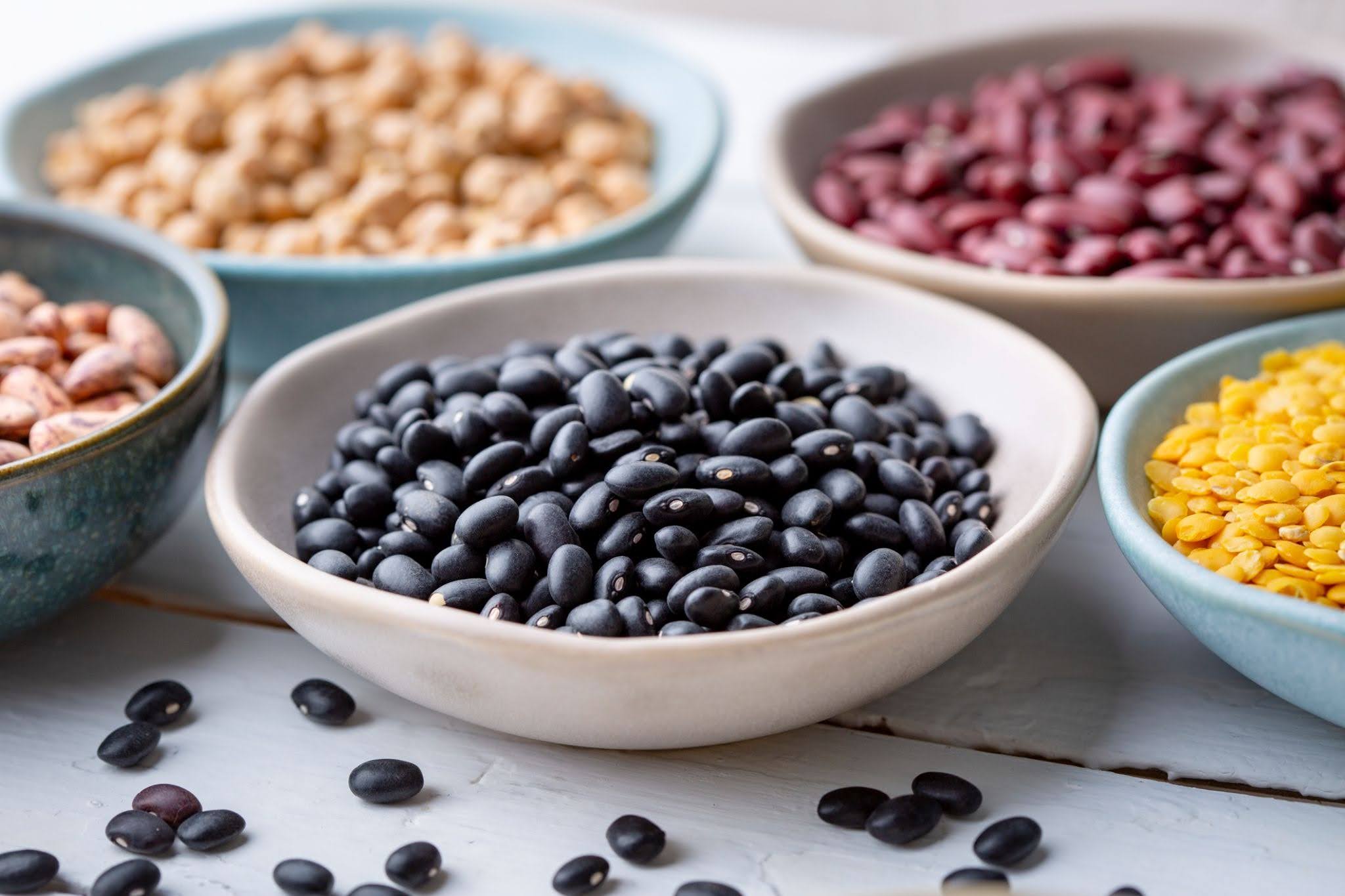
So what exactly are dried beans? They’re legumes harvested and dried to very low moisture, requiring soaking or extended cooking before eating. Canned beans, by contrast, are pre-cooked and shelf-stable. Canned black beans save time in meal preparation, are affordable and convenient pantry staples, and are ready to eat and require no cooking. One can of black beans provides about 15 grams of protein, and canned black beans can be used in soups, salads, and tacos. Common varieties include black beans, pinto beans, kidney beans, navy beans, and white bean options. This article starts with a quick primer on cooking beans, then walks through 10 easy meals you can make this week.
Dry Bean Basics: How to Cook Beans Once and Eat All Week
Cooking a big batch of dried beans is simpler than most people think. Here’s the basic flow using black beans as the main example:
- Soak 1 pound of dry beans in fresh water (about 4 cups of water per pound) for 8–12 hours overnight. Soaking beans reduces phytic acid, improving nutrient absorption, and cuts your cooking time significantly.
- Drain and simmer. Discard the soaking water, cover beans with fresh water or chicken stock, bring to a boil, then reduce heat and simmer 60–90 minutes until they reach your desired level of tenderness.
- Cool in the cooking liquid. This keeps beans moist and gives them a creamy texture rather than a chalky one.
Black beans provide about 40 grams of protein per cup when cooked, and one cup of black beans has approximately 15 grams of fiber. They’re also rich in fiber, aiding digestion, and contain antioxidants that support heart health. Dried pinto beans and kidney beans follow the same general process, though cooking time varies.
A few important notes on cooking methods: an Instant Pot or electric pressure cooker can cut bean cooking time to roughly 20–25 minutes under pressure. However, never cook raw red kidney beans in a slow cooker-slow cookers may not reach temperatures high enough to destroy the toxin phytohaemagglutinin. Always boil kidney beans vigorously for at least 10 minutes first. If you’re just starting out, practice with canned beans while you build confidence with cooking dry beans. Either way, you’ll be adding beans to meals all week.
Meal 1: 30-Minute Black Bean Soup From Pantry Staples
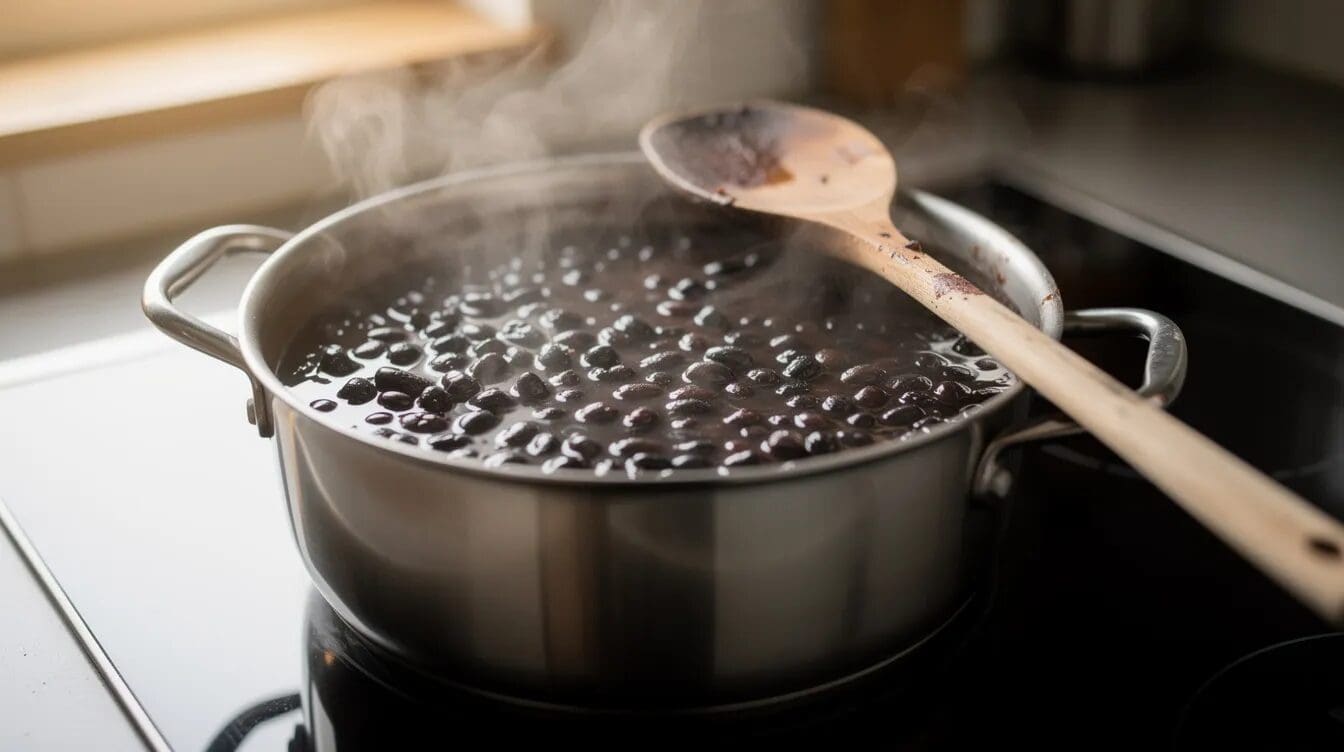
This weeknight black bean soup mimics all-day simmered flavor in about half an hour. Cuban black bean soup is a popular recipe using black beans, and this version captures that deeply satisfying, rich flavor without the fuss.
Sauté a diced sweet onion and a few cloves of garlic in olive oil until soft. Stir in cumin, chili powder, and smoked paprika-those warm spices do the heavy lifting. Add cooked black beans and broth, then partially mash some beans right in the pot to create a thick, creamy texture without any dairy. Simmer 15 minutes to let everything meld.
Top each bowl with sour cream or plain yogurt, sliced radishes, lime wedges, cilantro, or crushed tortilla chips. This soup also works beautifully with cooked pinto beans or a mix of black beans and kidney beans. Think of it as a flexible blueprint rather than a rigid recipe.
Meal 2: Smoky Sheet-Pan Black Bean Nachos for Busy Nights
Sheet-pan nachos are a family-friendly meal that comes together in about 15 minutes. Spread tortilla chips on a rimmed baking sheet, scatter seasoned black beans (tossed with cumin, chili powder, and lime), then top with shredded cheese. Broil until melty and bubbling.
Pile on toppings: jarred salsa, pickled jalapeños, fresh tomatoes, avocado, or quick-pickled onion for acidity. Black bean salsa is a quick and easy recipe to prepare and works perfectly here. Try a mix of black beans and pinto beans for extra texture and color. This is a “use-what-you-have” dish that keeps dinner budget-friendly and turns taco night into something even faster.
Meal 3: One-Pot Black Bean, Rice, and Veggie Skillet
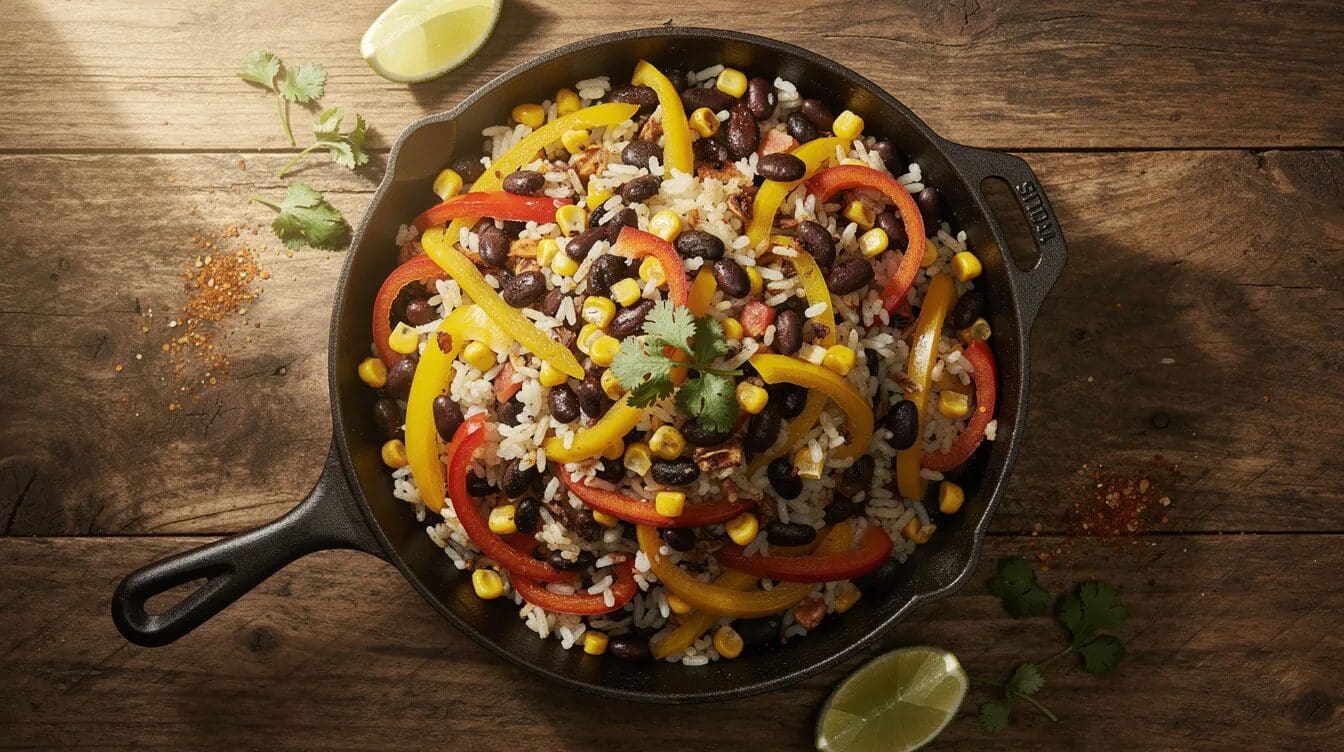
This complete one-pan dinner starts with pantry staples: cooked black beans, white rice, diced tomatoes, and whatever vegetables you have-bell pepper, corn, or frozen mixed veggies.
Sauté onion and bell pepper in olive oil, add dry rice and toast briefly for a nutty flavor, then pour in broth and tomatoes. Stir in cooked beans near the end so they stay intact. Season with cumin, oregano, garlic powder, and a squeeze of lime. Black beans enhance the flavor of many dishes when paired with spices, and combining black beans with vegetables and whole grains creates balanced meals. Top with cheese or avocado if you like. This skillet works just as well with leftover cooked pinto beans or kidney beans, making it one of the most versatile bean recipes in your rotation.
Meal 4: Make-Ahead Black Bean and Corn Salad (Perfect for Lunches)
This colorful bean salad uses black beans, corn, red onion, bell pepper, and a lime-cilantro vinaigrette. A classic black bean salad includes corn, onion, and jalapeño-adjust the heat to your taste. Toss everything with a simple dressing of olive oil, lime juice, garlic, cumin, and salt, then chill for 30 minutes.
Swap in pinto beans or add cooked quinoa for extra protein and bulk. This keeps well for 3 days in the fridge, packed into mason jars or piled over a green salad. Serve it as a side alongside grilled chicken or roasted vegetables. It’s a great picnic or potluck dish that showcases Doudlah Farms black beans at their best.
Meal 5: Freezer-Friendly Bean and Cheese Burritos
Use a big batch of cooked black beans or dried pinto beans to assemble a dozen or more burritos for future meals. Fill each tortilla with mashed beans, cooked rice, sautéed onions and peppers, shredded cheese, and optional corn or mild chiles. Refried beans work perfectly here too-just mash your cooked beans with a bit of olive oil, garlic, and salt.
Roll tightly, wrap in foil or parchment, label with the date, and freeze for up to 3 months. Reheat from frozen by baking, microwaving, or warming in a covered skillet. Serve with salsa and a crisp green salad. Cooking beans in bulk on a Sunday supports stress-free weeknight meals all month.
Meal 6: Really Good Black Bean Burgers at Home
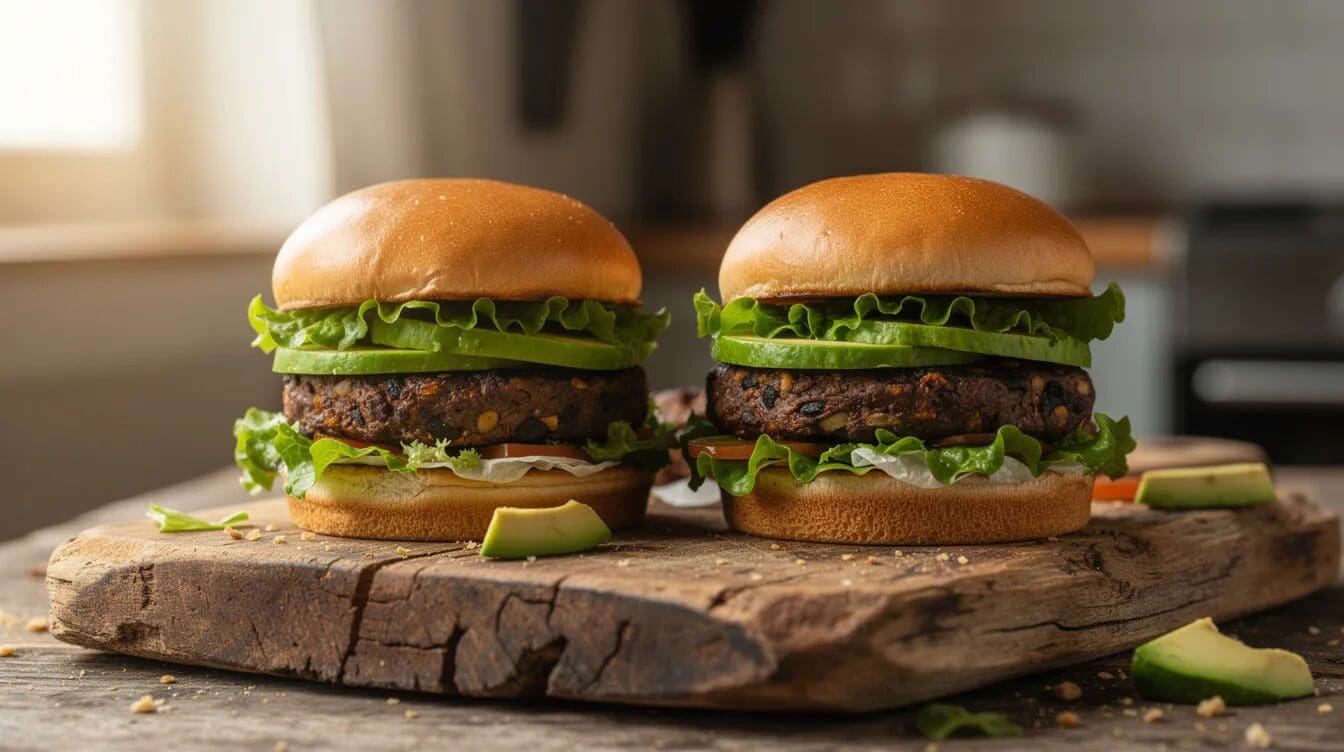
Homemade black bean burgers are a satisfying alternative to store-bought veggie patties and a smart way to use leftover cooked beans. Black bean burgers can be made with canned black beans when you’re short on time.
Mix mashed black beans with finely chopped onion, garlic, oats or breadcrumbs, an egg (or flax egg), and spices like smoked paprika and cumin. Chill the formed patties for 30 minutes-this helps them hold together-then pan-fry or bake until crisp at the edges. Serve on toasted buns with lettuce, tomato, and avocado, or over greens with a tahini drizzle. Pinto beans or a mix work too, but black beans give the best burger color and texture.
Meal 7: Cozy Bean Soup with Any Dry Bean You Have
This flexible bean soup formula works with black beans, dried pinto beans, white beans, navy beans, lentils, or even chickpeas. Sauté carrots, celery, and onion, add garlic and herbs (bay leaf, thyme), then stir in cooked beans and broth. For a flavorful, rich soup, let it simmer at least 20 minutes. A ham hock added to the pot brings a smoky depth that’s hard to beat.
Optional add-ins: small pasta, chunks of potato, leafy greens like kale, or leftover shredded chicken for extra protein. This is ideal for cooked beans made from scratch, but canned beans work when time is short. Season generously with salt, pepper, and a splash of vinegar at the end to wake up the flavor.
Meal 8: Quick Skillet Chili with Black and Pinto Beans
This 30–40 minute stovetop chili uses a mix of black beans and cooked pinto beans plus tomatoes, onion, and bold chili spices. Brown ground beef or turkey if you like, or keep it vegetarian-it’s just that simple either way.
Add garlic, chili powder, cumin, oregano, diced tomatoes, and tomato sauce, then stir in more beans and let everything simmer. Serve in bowls with cornbread, spooned over baked potatoes, or ladled onto rice for a hearty, budget-friendly meal. Freshly cooked dried beans give the best taste, but canned beans handle truly last-minute nights. Make a double batch-chili flavor improves overnight. Add a drizzle of heat with hot sauce or keep it mild for kids.
Meal 9: Mediterranean-Style Bean Salad with Herbs and Lemon
When you want something beyond Tex-Mex, this lighter bean salad delivers. Toss cooked beans (black beans, white bean varieties, or kidney beans) with chopped cucumber, fresh tomatoes, red onion, parsley, olives, and crumbled feta. Dress with lemon juice, olive oil, salt, and pepper.
Serve it over mixed greens, alongside grilled fish, or tucked into pita bread. Using Doudlah Farms dry beans here gives a firmer, creamier texture than many canned beans, helping the salad hold up in the fridge. Adjust vegetables and herbs based on what’s in season-there are endless possibilities.
Meal 10: Creamy Bean and Veggie Casserole from the Pantry
This comforting oven-baked dish uses any cooked beans on hand-black beans, pinto beans, or kidney beans-plus sautéed vegetables, broth, and a creamy element like yogurt or a plant-based alternative.
Combine cooked beans with a starch (pasta, rice, or potatoes), a seasoned sauce, and whatever vegetables you have. Sprinkle with cheese or breadcrumbs and bake until bubbly. Black beans can be added to macaroni and cheese for extra protein, turning a simple pasta bake into a deeply satisfying, protein-packed casserole. Try a variation with bits of leftover roast chicken or sausage. Casseroles are ideal for using up odds and ends of cooked dry beans, cutting down on food waste. Jot down your favorite combinations so you can re-create successful versions with future batches.
Tips for Storing, Freezing, and Reheating Cooked Dry Beans
- Refrigerate: Cool beans completely, store in their cooking liquid in airtight containers, and refrigerate for up to 5 days.
- Freeze: Portion into 1–2 cup containers-this mimics a can of beans and makes swapping homemade for canned beans seamless. Frozen beans keep well for 3–6 months.
- Reheat: Warm gently on the stove with a splash of water or broth. Re-season with salt and a touch of vinegar or lemon juice to restore brightness.
- Don’t worry about firmness. Some beans firm up in the fridge; they soften again when reheated in soups, stews, or bean salad dressings.
- Label everything. Write the bean type and date on each container so you can rotate your stash. A little baking soda in the cooking water can help soften beans if you have hard water.

FAQ: Your Top Questions About Cooking Dry Beans Answered
Do I really have to soak dried beans before cooking?
Soaking dried beans 8–12 hours helps them cook more evenly and improves digestibility, especially for larger varieties like kidney beans and some pinto beans. That said, many cooks successfully skip soaking for smaller beans like black beans by extending the simmer time by 30–45 minutes. An Instant Pot can also cook unsoaked dry beans quickly, but always follow appliance-specific guidelines-especially for red kidney beans, which need a full boil for safety.
How can I swap canned beans for cooked dry beans in recipes?
About 1.5–2 cups of cooked beans equals a standard 15-ounce can, drained. Rinsing canned black beans reduces sodium content significantly, so if you’re watching salt intake, give them a quick rinse before eating them in any dish. When using home-cooked beans, you’ll likely need to add a bit more salt since they start unseasoned.
What if my beans never seem to get soft?
Common culprits: very old dry beans, hard water, or acidic ingredients like tomatoes or vinegar added too early. Solutions: buy fresh dry beans from a trusted source like Doudlah Farms, simmer in plain water or broth until almost tender before adding acid or salt, and try a pinch of baking soda if your water is especially hard.
Can I mix different types of beans in one recipe?
Mixing beans-black beans, pinto beans, kidney beans, white beans-in chilis, stews, and casseroles is not only safe but delicious. Cook different types of dried beans separately the first time since cooking time varies, then combine once all are tender. The visual variety and textural contrast make any dish look and taste more interesting.
Are dry beans really more budget friendly than canned beans?
Ounce for ounce, dry beans almost always cost less and yield more cooked beans per dollar, especially when purchased in bulk from producers like Doudlah Farms. Between 2020 and 2021, dry black bean sales surged 207% as more home cooks discovered the savings. Beyond cost, cooking beans from scratch lets you control salt, texture, and flavor, making every black bean soup, bean salad, or chili taste fresher and more personalized.