Why Ancient Grains Have Richer Flavor
Key Takeaways
- Ancient grains like einkorn, emmer, and spelt deliver richer flavor because they are less hybridized than modern wheat, retaining more of their original bran, germ, and aromatic compounds.
- Einkorn tastes distinctly nutty, slightly sweet, and buttery – with none of the harsh bitterness many people associate with whole wheat flour.
- Breads made with einkorn and other ancient grains have a tender crumb, golden color, and deep aroma that many bakers prefer over standard bread flour.
- Ancient grains offer meaningful health benefits through higher nutrient density, diverse minerals, and more fiber per serving.
- Doudlah Farms grows and mills heritage and ancient grains so home bakers can experience these richer flavors in everyday bread, pasta, and pastries.
Introduction: What Makes Ancient Grains Taste So Different?
Tear open a loaf made with einkorn or emmer and the difference hits before you even taste it. The crust smells toasty and warm, almost buttery. The crumb is golden rather than gray-white. That first bite carries a gentle sweetness and depth you simply don’t get from a standard sandwich bread made with commodity wheat flour.
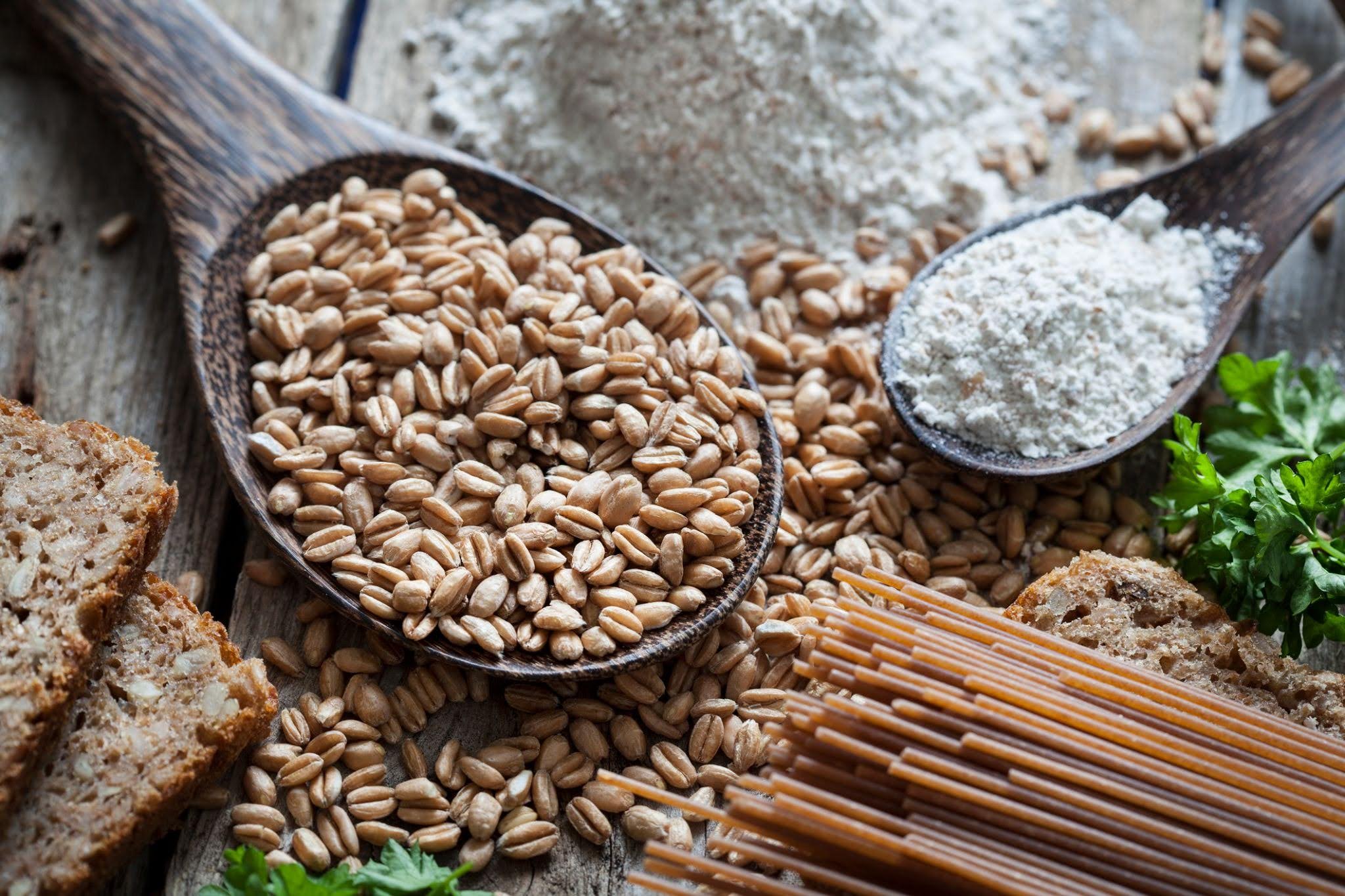
Ancient grains – einkorn, emmer, spelt, millet, sorghum, and others – are cereal grains that have remained largely unchanged by modern breeding programs. Einkorn is one of the oldest cultivated ancient grains, dating back over 10,000 years to southeastern Turkey. Unlike modern wheat varieties bred after the mid-20th century for maximum yield and strong gluten, these grains kept their original biochemical complexity. They are often used in whole grain form, which means more of the bran and germ – where much of the flavor lives – stays intact.
This article explores why these grains have richer flavor, what einkorn specifically tastes like, and why Doudlah Farms chooses to grow them. We will also answer common reader questions in a dedicated Q&A section at the end.
What Does Einkorn Taste Like?
Compared to modern wheat, einkorn has a more complex and rich flavor profile. It tastes slightly sweet and nutty, with a buttery warmth that feels clean on the palate rather than harsh. There is none of the tannic bitterness that some people associate with whole wheat. The nutty flavor is gentle, more like toasted cashew than raw bran.
Einkorn flour has a naturally golden yellow hue due to high levels of carotenoids like lutein, and this gives einkorn bread a yellowish color that looks almost egg-enriched. As baked goods warm in the oven, that pigment expresses itself as a rich, slightly custardy aroma.
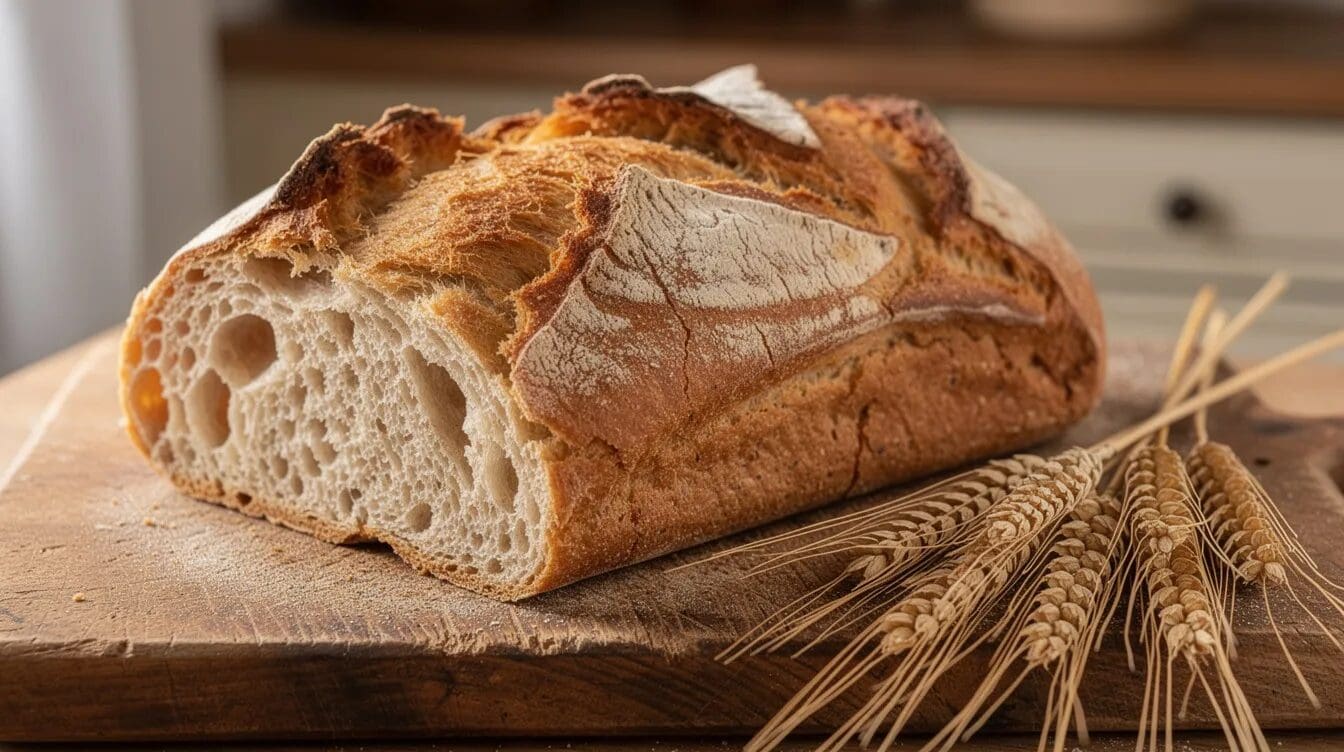
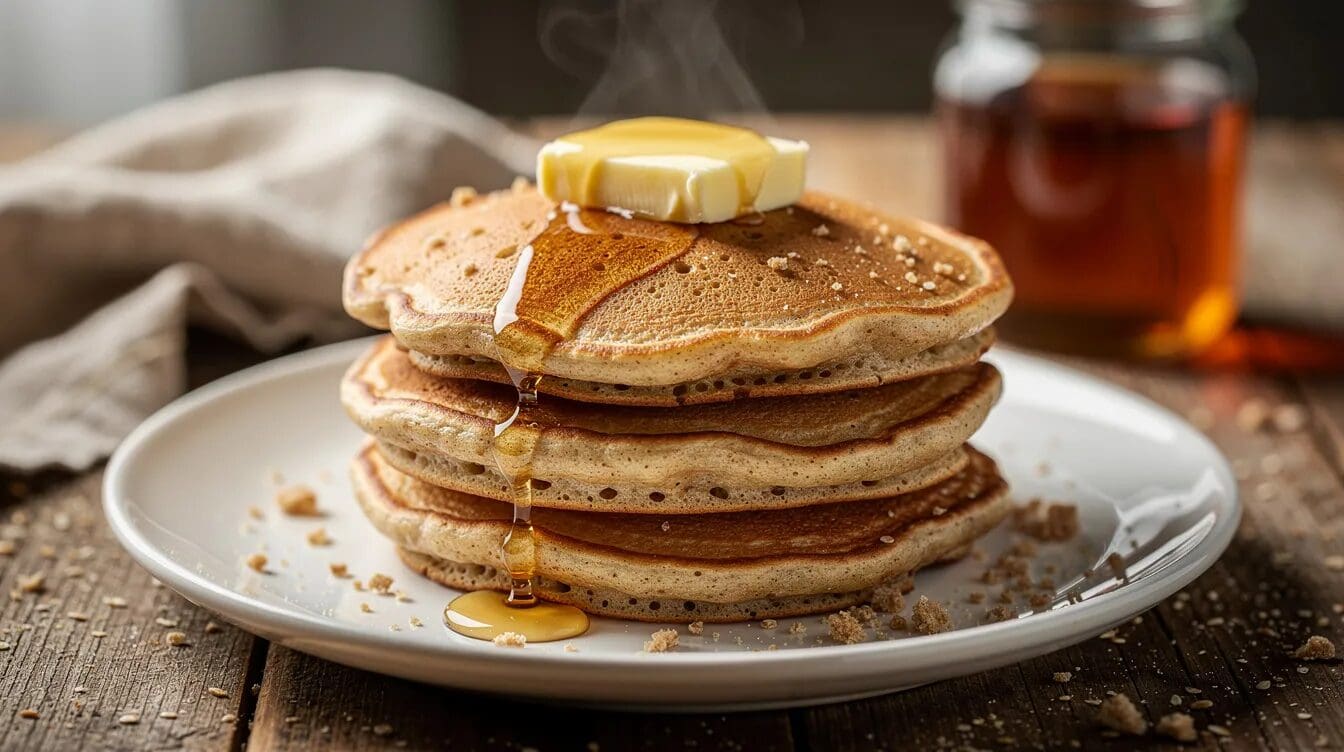
The texture is soft and tender – a melt-in-the-mouth crumb that feels more delicate than typical whole wheat but more flavorful than white flour loaves. Einkorn can enhance the flavors of pancakes, cookies, pastries, and rustic breads. A sourdough boule made with whole einkorn develops a complex crust with toasty, caramel edges that need very little butter or jam to be satisfying. Fresh pasta made with einkorn turns golden and carries that sweet, buttery undertone into every bite.
Ancient Grains vs. Modern Wheat: Flavor Head-to-Head
Flavor differences begin in the seed itself. Modern wheat varieties have been selected mainly for yield, uniformity, and strong gluten – often at the expense of taste complexity. Ancient grains like einkorn, emmer, and spelt kept more of their original flavor compounds: aldehydes, esters, and terpenes that create layered aroma and taste.
Through a flavor lens, ancient grains deliver stronger aromas when milled, deeper taste when toasted, and more complexity when baked into bread. Expect nutty, earthy, and sometimes malty notes from these grains, compared to the milder, more neutral taste of many modern refined flours. Ancient grains are also richer in protein than modern grains – einkorn has up to 20% higher protein content than modern wheat – which contributes to a fuller mouthfeel and more satisfying bite.
Being used as whole grain (bran, germ, and endosperm together) adds toasted, grainy depth that is lost when flour is heavily refined. Einkorn grains can also be boiled and used just like other grains in side dishes, salads, and porridge, where that flavor advantage carries through. Doudlah Farms customers often comment that heritage-grain bread is satisfying in smaller slices because the flavor is more pronounced and lingering.
How Growing and Milling Practices Shape Flavor at Doudlah Farms
Doudlah Farms’ regenerative and organic-minded methods are a major reason their ancient grains taste richer than commodity flour. Healthy, living soils feed the grain slowly and steadily. More diverse root systems, better mineral uptake, and balanced growth all translate into grains with deeper flavor – the same way a garden tomato outshines a supermarket one.
Doudlah Farms grows and harvests heritage and ancient grains specifically for flavor and nutrition, not maximum tonnage per acre. The harvest is timed carefully, and small-batch, on-farm milling means the flour reaches bakers while volatile aromas are still vibrant. Einkorn’s flavor can be more pronounced in freshly milled flour and naturally leavened breads, which is why Doudlah Farms prioritizes getting flour from mill to bag to customer as quickly as possible.
Customers who switch from standard store flour to Doudlah Farms’ whole grain and bread flour blends often notice more aroma when opening the bag, richer taste in simple recipes like pancakes and biscuits, and improved color and crust in sourdough loaves.
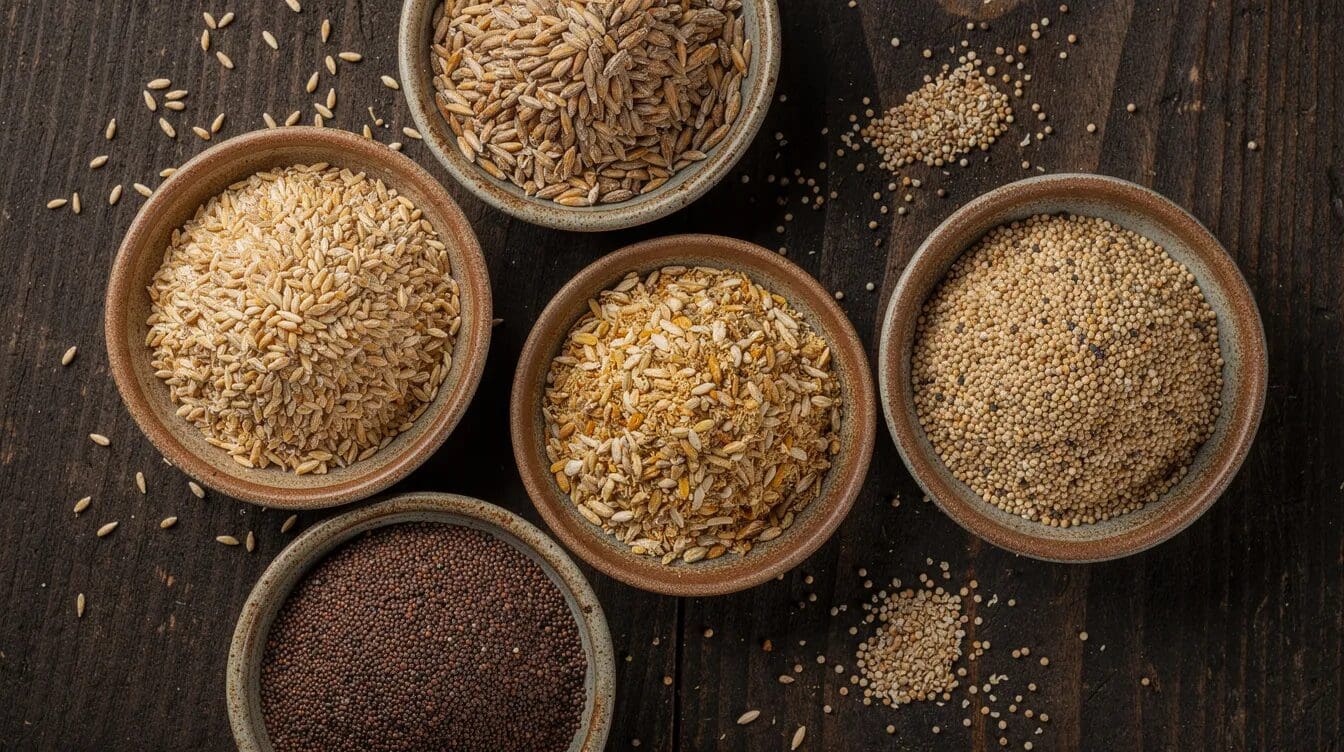
Flavor Notes of Other Ancient Grains (Beyond Einkorn)
Einkorn may be the star, but other grains each bring distinct flavor to bread, porridge, and baked goods:
- Emmer: Robust and earthy with a slightly sweet finish. Dense and chewy, it excels in rustic loaves and pasta.
- Spelt: A mild flavor that is gently sweet and nutty, ideal for softer sandwich bread and muffins.
- Kamut (Khorasan wheat): Naturally sweet and buttery with a rich golden color, reminiscent of raw sweet cream.
- Millet and sorghum: Mild and slightly grassy or honeyed, useful for balancing stronger flavors in multigrain blends.
- Amaranth: Peppery and earthy; amaranth contains all nine essential amino acids, making it a nutrition standout.
- Teff: Mildly sweet with a molasses-like depth; teff is particularly noted for its high iron content.
Blending small amounts of these ancient grains with bread flour can deepen flavor without dramatically changing texture – a helpful combination for bakers new to whole grain baking. Think of them as flavor tools in the pantry, not just different flours that all taste the same.
Whole Grain vs. Refined: Why Flavor Lives in the Bran and Germ
Whole grain means the bran, germ, and endosperm are all present. Refined white flour removes the bran and germ – and with them, most of the flavor, fiber, vitamins, and minerals.
Each part contributes differently to taste:
- Bran: Toasty, slightly nutty taste and satisfying chew.
- Germ: Oils that carry aroma, subtle sweetness, richness, and B vitamins.
- Endosperm: The softer, starchier, milder base.
This is why whole wheat and whole einkorn have deeper flavor than white flour made from the same grain. The golden hue of einkorn, its magnesium, phosphorus, potassium, and iron content – all of these come from keeping the whole kernel intact. Einkorn contains higher levels of phosphorus and potassium compared to modern wheat. At Doudlah Farms, many flours are stone-milled as whole grain first, then sifted as needed, prioritizing flavor and integrity over extreme whiteness or shelf life.
How Ancient Grains Change the Way Your Bread Tastes and Feels
Flavor is not just about taste buds. Aroma, texture, and how full you feel after eating are all part of the experience. Here is what to expect when baking with ancient grains:
- Einkorn produces tender, crumbly baked goods rather than chewy loaves – its gluten structure is weak and fragile compared to modern wheat.
- Emmer and spelt yield slightly denser but more satisfying, chewier loaves.
- Crust color is richer, and your kitchen smells noticeably better during baking.
Many home bakers using Doudlah Farms flour report they don’t need as much butter, jam, or sugar on ancient-grain bread because the bread itself carries more complex flavor.
Tips for first-time bakers:
- Start by swapping 20–30% of your wheat flour with ancient grain flour in a familiar recipe.
- Einkorn doughs are stickier and require less liquid than modern wheat flour – reduce hydration and keep kneading short.
- Taste your dough and baked loaves side-by-side with a modern wheat version to really notice the difference. Cooking methods and recipes may need adjustments when using einkorn flour, but the flavor payoff is worth it.
More satisfying flavor often leads people to enjoy smaller portions more mindfully – a quiet health benefit Doudlah Farms customers appreciate alongside the better nutrition and higher protein of these grains.

Q&A: Common Questions About Ancient Grain Flavor
Below are answers to the flavor-related questions home bakers ask most often. Each focuses on taste, baking behavior, and choosing the right flour for your diet and recipes.
Does einkorn taste bitter compared with whole wheat?
Most people find einkorn less bitter than typical whole wheat. Its flavor is rounder, slightly sweet, with buttery notes. Any bitterness usually comes from stale flour or over-toasted bran, which is why fresh-milled einkorn from farms like Doudlah Farms tastes smoother and more fragrant. If you are sensitive to bitterness, start with a mix of 20–30% whole einkorn and the rest bread flour.
Can I substitute einkorn for all-purpose or bread flour without ruining the flavor?
Substituting einkorn will not ruin flavor – it will make it richer and more complex. Begin by swapping up to half of the wheat flour with whole einkorn or sifted einkorn flour. The taste payoff – nutty, golden, and aromatic – is worth a small learning curve around hydration and gluten strength.
Do ancient grains like einkorn taste good to kids and picky eaters?
Many families report children prefer the slightly sweet, buttery flavor of einkorn pancakes, muffins, and sandwich bread over standard whole wheat options. Start with familiar foods – cookies, pizza crust, pancakes – where the richer flavor and food styling feel like an upgrade, not a big change. Doudlah Farms often hears from customers who switched to ancient-grain baked goods for nutrition and were surprised that flavor was what their kids noticed first.
How do ancient grains compare in flavor to gluten-free flours?
Many ancient grains – einkorn, emmer, spelt, Kamut – are wheat species and do contain gluten. Einkorn is not safe for people with celiac disease, as it contains gluten. Their flavor is usually fuller and less starchy than many gluten-free blends. Naturally gluten-free ancient grains and pseudo-grains – such as millet, sorghum, quinoa, and buckwheat – often taste nuttier and more interesting than refined rice-based gluten-free flours. Quinoa is one of the few plant foods that is a complete protein, making it a standout among seeds and cereals. If you don’t need to avoid gluten, explore the wheat-based ancient grains first for maximum flavor in traditional bread and pasta recipes.
Is there a health benefit to choosing richer-tasting ancient grains?
The same compounds that deepen flavor and color – carotenoids, minerals, and aromatic oils – often contribute to health benefits associated with whole grain and ancient grain diets. Whole ancient grains generally provide more fiber, nutrients, and micronutrients like iron, magnesium, and essential amino acids than refined white flour. Einkorn is up to 20% higher in protein than modern wheat, supporting a higher protein content per serving. From Doudlah Farms’ perspective, when food tastes better and is more satisfying, people naturally gravitate toward slower, home-cooked meals built around nutrient-dense ingredients like ancient grains, oats, rye, barley, corn, and rice in their daily diet.

FAQ
How should I store einkorn flour to preserve its flavor?
Freshly milled einkorn flour has higher oil content than modern wheat flour, so it goes stale faster. Store your bag in the freezer or refrigerator and use it within a few weeks of milling for the best aroma and taste. At room temperature, use it within about a month.
Can I use einkorn flour for sourdough starter?
Yes. Whole einkorn works well to feed a sourdough starter and produces a more aromatic, golden-hued culture. Because of its weaker gluten, expect a slightly less lofty rise, but the flavor complexity more than compensates.
What is the difference between whole einkorn flour and sifted einkorn flour?
Whole einkorn flour includes the bran, germ, and endosperm – maximum flavor and nutrition. Sifted einkorn removes some bran for a lighter texture while keeping the golden color and nutty sweetness. Many bakers at Doudlah Farms use a combination of both depending on whether they want a dense rustic loaf or a lighter pastry.