
When it comes to improving gut health, many people immediately think of yogurt or probiotics—but some of the most powerful digestive allies are actually found in whole, plant-based foods. Certain foods, especially those rich in fiber and probiotics, are known to influence gut health by supporting beneficial bacteria and promoting a diverse gut microbiome. One standout? Buckwheat.
Despite its name, buckwheat isn’t related to wheat at all. It’s a naturally gluten-free seed packed with nutrients that promote digestive support, making it an excellent addition to a balanced diet focused on long-term wellness.
What Makes Buckwheat So Good for Gut Health?
Buckwheat is considered one of the most effective fiber-rich foods for supporting digestion. It contains both soluble and insoluble fiber, each playing a unique role in keeping your digestive system running smoothly.
- Soluble fiber helps slow digestion and stabilize blood sugar
- Insoluble fiber adds bulk to stool and promotes regularity
Increasing your fiber intake through foods like buckwheat is essential for supporting gut health and maintaining digestive balance.
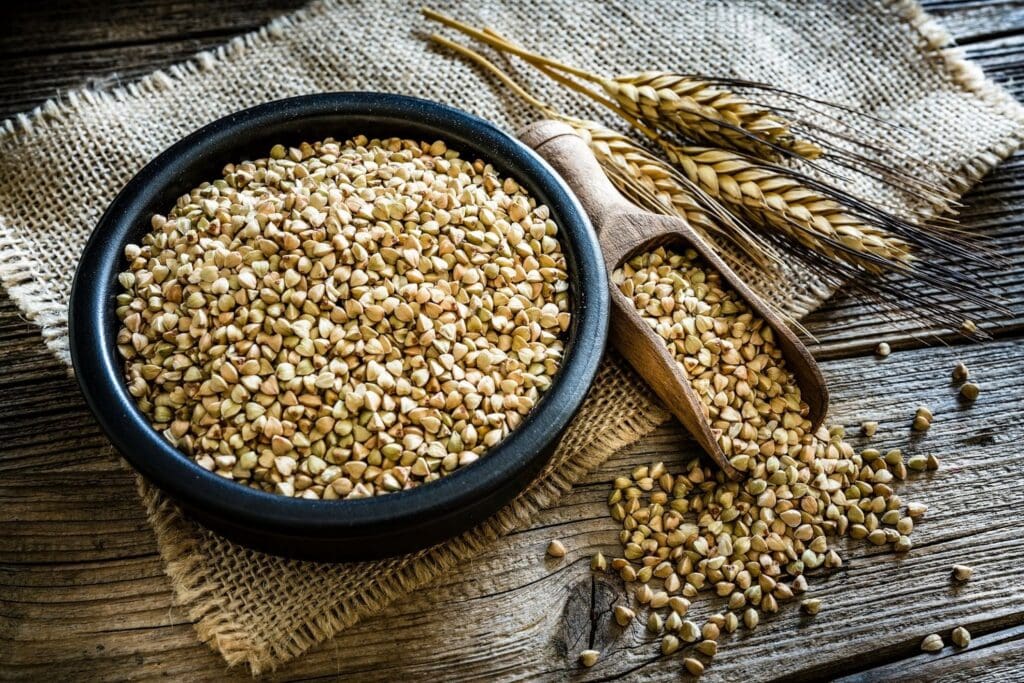
Buckwheat as a Prebiotic Powerhouse
One of buckwheat’s biggest benefits is its role as a prebiotic food. Prebiotics are types of fiber that feed the beneficial bacteria living in your gut.
Why does this matter?
Your healthy gut microbiome—the community of trillions of bacteria in your digestive system—relies on prebiotic foods to thrive. When you eat buckwheat, you’re essentially nourishing the good bacteria that:
- Aid in digestion
- Produce essential nutrients
- Support immune function
- Help regulate inflammation
Prebiotic foods like buckwheat help nourish helpful microbes—including beneficial bacteria, fungi, and viruses—which are essential for maintaining gut balance.
This makes buckwheat an important food for maintaining a balanced and resilient gut.
Supports Smooth and Regular Digestion
If you struggle with irregular digestion, you may experience symptoms such as bloating, gas, or discomfort. Adding more fiber-rich foods like buckwheat can make a noticeable difference.
Buckwheat helps:
- Promote regular bowel movements
- Reduce constipation
- Support efficient waste elimination
Because it’s gentle on the digestive system and naturally gluten-free, it’s also a great option for those with sensitivities to traditional grains.

Rich in Nutrients That Aid Digestion and Support
Beyond fiber, buckwheat contains key nutrients that contribute to effective digestion support, including:
- Magnesium – helps relax digestive muscles
- B vitamins – support energy production and metabolism
- Antioxidants – help reduce inflammation in the gut
Additionally, gut microbes produce enzymes that help break down the fibers and nutrients found in buckwheat, supporting efficient digestion.
These nutrients work together to create an environment where digestion can function more efficiently and comfortably.
A Natural Fit for a Healthy Gut Microbiome
A diverse and balanced diet is essential for a healthy gut microbiome, and buckwheat fits perfectly into that picture.
Unlike highly processed grains, buckwheat is minimally processed and retains its natural structure. This allows it to:
- Feed beneficial gut bacteria
- Encourage microbial diversity
- Help crowd out harmful bacteria
A balanced gut microbiome is made up of a diverse range of microorganisms, which contribute to a healthy body by supporting digestion and immune function.
The result is a stronger, more balanced digestive system.
The Importance of a Diverse Microbiome
A thriving, diverse microbiome is the cornerstone of a healthy gut and overall well-being. Your gut microbiome is made up of trillions of microscopic organisms, including a wide variety of beneficial bacteria that play essential roles in digestion, immune system support, and even the production of certain vitamins. When your gut is home to a diverse range of healthy bacteria, it’s better equipped to keep harmful bacteria in check and maintain a balanced digestive system.
A healthy gut microbiome helps your body absorb nutrients efficiently, produce short-chain fatty acids that nourish the cells lining your colon, and strengthen your immune system against infectious illnesses. Unfortunately, many factors—like a diet high in processed foods, certain medications, and even some health conditions—can disrupt this delicate balance, leading to an unhealthy gut and a range of digestive or immune challenges.
The good news? You can support a diverse microbiome by focusing on fiber-rich foods such as fruits, vegetables, and whole grains. These foods provide the dietary fiber and complex carbohydrates that beneficial microbes love to feed on. Adding fermented foods, like yogurt and other fermented milk drinks, can also introduce more helpful bacteria into your digestive tract, further promoting a healthy microbiome.
By making these simple dietary choices, you’re not just supporting your gut—you’re investing in your overall health and resilience.
The Connection Between Gut Health and Mental Health
Did you know that your gut health can have a direct impact on your mental health? The relationship between your gut microbiome and your brain is so strong that scientists often refer to the gut as the “second brain.” This connection, known as the gut-brain axis, allows for constant communication between your gut microbiota and your central nervous system.
When your gut microbiome is out of balance—a condition called dysbiosis—it can affect the production of important neurotransmitters like serotonin and dopamine, which play a key role in regulating mood. Research has linked an unhealthy gut to mental health conditions such as anxiety and depression, highlighting just how important a healthy gut microbiome is for emotional well-being.
Supporting your mental health starts with nourishing your gut. Incorporating prebiotic and probiotic foods into your diet—such as fermented foods, probiotic foods, and fiber-rich fruits and vegetables—can help maintain a healthy gut microbiome. A diet high in whole foods, including whole grains, beans, and a variety of plant-based foods, provides the nutrients and fiber your beneficial bacteria need to thrive.
By prioritizing gut health through your daily food choices, you’re not only supporting digestion and immune function—you’re also taking important steps toward a healthier, happier mind.

Easy Ways to Add Buckwheat to Your Diet
Incorporating buckwheat into your routine doesn’t have to be complicated. Here are a few simple ideas:
- Cook buckwheat groats as a hearty breakfast porridge
- Use buckwheat flour in pancakes or baked goods
- Add cooked buckwheat to salads for extra texture and nutrition
- Try it as a base for grain bowls or savory dishes
Because it’s naturally gluten-free, buckwheat works well in a variety of recipes while still delivering powerful gut health benefits. For even greater support of your gut microbiome, try combining buckwheat with other high fiber foods like fruits, vegetables, whole grains, beans, and legumes.
Why Whole Foods Matter for Digestion
While supplements and probiotics can help, whole foods like buckwheat offer a more complete approach to digestive wellness.
Whole, fiber-rich foods:
- Provide sustained nourishment for gut bacteria
- Deliver a wide range of nutrients
- Support long-term digestive balance
Including other fermented foods, such as sauerkraut and yogurt, and high-fiber snacks like popcorn as a whole grain snack can further support a healthy gut by introducing live beneficial bacteria and promoting microbiome diversity.
Focusing on prebiotic foods is one of the most effective ways to build a healthier gut naturally.
Final Thoughts
If you’re looking to improve your digestion in a simple, natural way, buckwheat is a smart place to start. As one of the most versatile fiber-rich foods, it supports everything from regularity to a thriving, healthy gut microbiome.
The gastrointestinal tract—which includes the stomach, small intestine, and large intestine—plays a crucial role in digestion and overall gut health. Foods like buckwheat and resistant starches help feed beneficial bacteria in the large intestine, supporting microbial diversity and the production of short-chain fatty acids. Fermented milk drinks, such as kefir, along with other fermented foods, can introduce more beneficial bacteria to your intestines and support a balanced microbiome. Limiting added sugars is also important, as high sugar intake can disrupt the balance of microbes in your gut.
By adding buckwheat and other whole, prebiotic foods from a sustainably stocked pantry to your diet, you’re not just feeding yourself—you’re feeding the beneficial bacteria that keep your digestive system working at its best.
And when your gut is happy, the rest of your body tends to follow.

Questions and Answers about Buckwheat and Gut Health
1. Is buckwheat a type of wheat, and does it contain gluten?
Despite its name, buckwheat is not related to wheat and is not a cereal grain; it is actually a nutrient-dense seed. It is naturally gluten-free, making it an excellent high-fiber alternative for individuals with Celiac disease or gluten sensitivities who want to support their digestive health without the inflammation often caused by traditional wheat products.
2. How does the connection between buckwheat and gut health work on a prebiotic level?
Buckwheat is rich in resistant starch and dietary fiber, which act as “prebiotics.” Unlike probiotics, which are live beneficial bacteria, prebiotics serve as the essential food source for the healthy microbes already living in your large intestine. Consuming buckwheat helps nourish these beneficial bacteria, allowing them to thrive and maintain a balanced gut microbiome.
3. What are the specific digestive benefits of the fiber found in buckwheat?
Buckwheat contains a balanced mix of both soluble and insoluble fiber. Soluble fiber helps stabilize blood sugar and slow digestion for better nutrient absorption, while insoluble fiber adds bulk to the stool and promotes regularity. Together, these fibers help reduce constipation, minimize bloating, and support the efficient elimination of waste through the gastrointestinal tract.
4. Can eating buckwheat improve my mental health through the gut-brain axis?
Research into the gut-brain axis shows that a healthy gut microbiome directly influences the production of neurotransmitters like serotonin and dopamine, which regulate mood. By providing the prebiotic fiber necessary to prevent dysbiosis (an unhealthy gut balance), buckwheat supports a resilient microbiome, which may help reduce symptoms of anxiety and improve overall emotional well-being.
5. What role does magnesium in buckwheat play in digestive support?
Buckwheat is an excellent source of magnesium, a mineral that plays a crucial role in relaxing the muscles within the digestive tract. This relaxation helps food move more smoothly through the intestines, preventing cramping and supporting a more comfortable digestive process. When combined with B vitamins and antioxidants, magnesium helps create an optimal environment for gut health.
6. What are the best ways to incorporate buckwheat into a gut-healthy diet?
Buckwheat is incredibly versatile and can be easily added to a variety of meals. You can use buckwheat groats as a hearty breakfast porridge, swap traditional flour for buckwheat flour in pancakes, or use cooked groats as a gluten-free base for salads and grain bowls. For maximum microbiome support, try pairing buckwheat with other fiber-rich whole foods like beans, legumes, and fresh vegetables.