Short answer: The best organic popcorn is certified organic, non-GMO, and lists exactly one ingredient on the bag: popcorn. Grown without synthetic pesticides or GMOs, it is a whole grain, and about three cups air-popped runs roughly 90 calories with around 3.5 grams of fiber.
Looking for a healthier snack? Organic popcorn could be the answer. Organic popcorn is a whole grain, which contributes to its health benefits. Unlike regular popcorn, it’s grown without synthetic pesticides and GMOs, meaning it’s better for you and the planet. In this article, we’ll explore the health benefits, environmental impact, and best brands of organic popcorn, helping you make a tasty and informed choice.
Key Takeaways
- Choosing organic popcorn enhances health by reducing pesticide exposure and promoting better nutrition.
- Organic popcorn is low in calories and fiber and beneficial for digestive health and weight management. According to general nutrition advice, incorporating organic popcorn into your diet can enhance overall health.
- Selecting certified organic and non-GMO popcorn ensures purity and supports sustainable farming practices.
Why Choose Organic Popcorn?
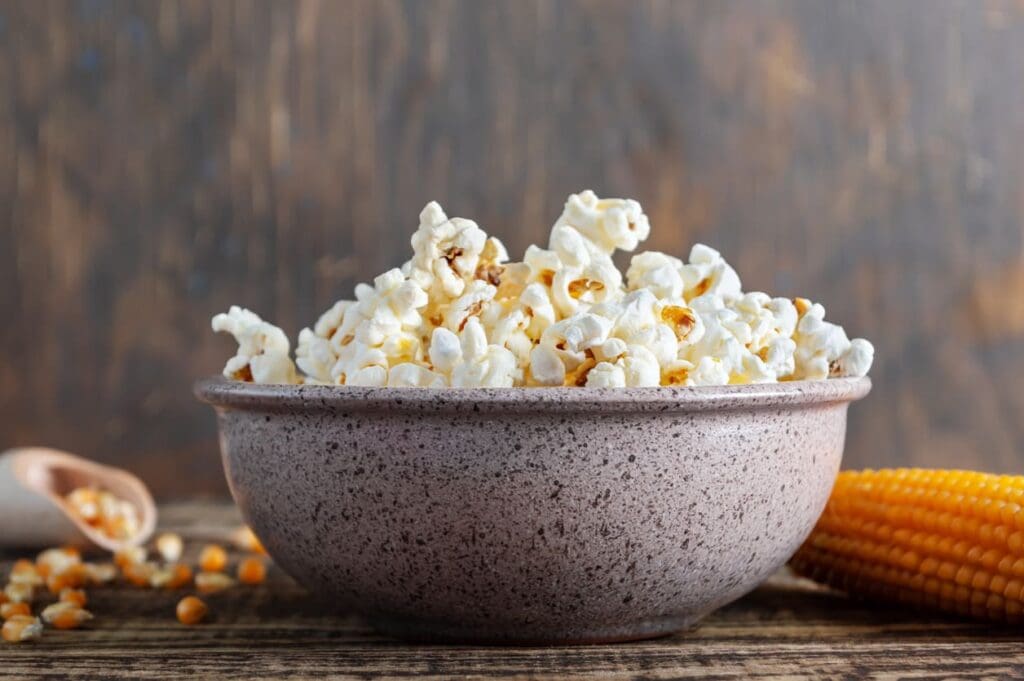
Organic popcorn is more than a trendy choice; it’s a commitment to better health and a cleaner environment. Organic popcorn kernels are grown without synthetic pesticides, reducing exposure to harmful chemicals that can linger on conventionally grown crops. This means when you indulge in a bowl of organic popcorn, you enjoy a cleaner, more natural snack free from artificial additives.
Moreover, organic popcorn is often richer in essential nutrients. Dark-colored popcorn varieties, for instance, contain higher levels of phytonutrients and antioxidants, which offer additional health benefits. Organic farming methods promote healthier soil, which in turn produces more nutritious crops. This translates to a snack that satisfies your cravings and supports your overall health.
To understand how much a nutrient in organic popcorn contributes to your daily diet, consider that a single serving can provide a significant portion of your daily fiber needs and a good amount of antioxidants based on a standard 2,000-calorie diet.
Opting for organic and non-GMO popcorn supports environmentally friendly farming practices. These practices help reduce pollution, conserve water, and enhance soil fertility. Ultimately, choosing organic popcorn positively impacts both your health and the planet.
What Makes a Great Organic Popcorn Brand
Several factors set the top contenders apart when choosing the best organic popcorn brand. First and foremost, a great brand prioritizes using high-quality, non-GMO organic popcorn kernels. These kernels should be free from artificial additives and preservatives, ensuring a pure and natural snack.
Look for USDA-certified organic brands. This certification guarantees that the popcorn meets stringent organic farming and processing standards.
Transparency in sourcing and manufacturing practices is another hallmark of a great organic popcorn brand. Brands that openly share their ingredient sources and production methods are more likely to offer wholesome products with minimal processing.
Variety is also key. The best brands offer a range of flavors and options, including gluten-free and vegan choices, catering to different dietary needs and preferences. This ensures that everyone can enjoy a delicious and healthy snack.
Lastly, sustainability and eco-friendliness in packaging and business practices are crucial. Brands prioritizing environmentally friendly practices contribute to a healthier planet and appeal to eco-conscious consumers.
Organic Popcorn Kernels: A Healthy Snack Option
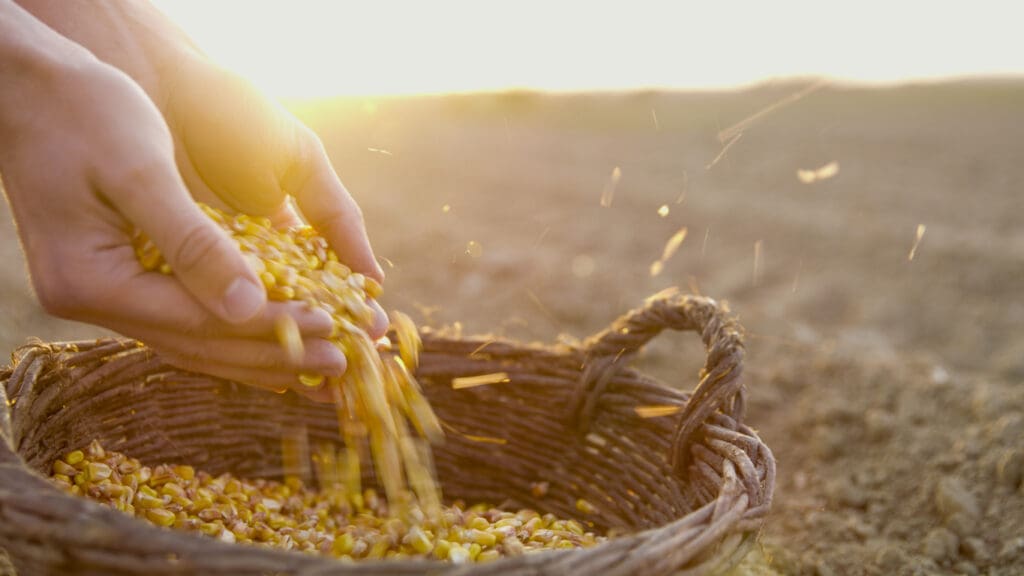
Organic popcorn kernels are a fantastic healthy snack option that can be enjoyed guilt-free. Popcorn is naturally low in calories and fiber, making it a satisfying snack supporting digestive health. Regularly consuming organic whole foods, like popcorn, reduces the risk of chronic diseases such as type 2 diabetes and heart disease.
A serving of organic popcorn contributes significantly to daily dietary needs, particularly fiber and calories. The % Daily Value (DV) indicates how much a nutrient in a serving of food contributes to an individual’s daily dietary needs, emphasizing its relevance to nutritional labeling and dietary guidance.
The high fiber content in organic popcorn enhances feelings of fullness and can aid in weight management. When preparing your organic popcorn, the method you choose can significantly impact its health. Using an air popper requires no oil, making it a low-calorie option. If you prefer stovetop popcorn, you can control the type of oil used, with healthier options like avocado or extra virgin olive oil being recommended.
Be mindful of the toppings you add to your popcorn. While butter can add significant calories and hidden chemicals, using it sparingly or opting for healthier alternatives like coconut oil can keep your snack nutritious. Non-GMO popcorn products typically avoid artificial additives and preservatives, ensuring a cleaner and healthier snack option.
Incorporating organic popcorn into your daily diet is a delicious way to boost your fiber intake and enjoy a crunchy, satisfying treat that aligns with your health goals.
Certified Organic and Non-GMO Popcorn
Certified organic and non-GMO popcorn sets the gold standard for health-conscious consumers. When you choose organic popcorn kernels that are certified organic, you ensure that the product is free from synthetic pesticides and fertilizers. Additionally, non-GMO certification guarantees that the popcorn does not contain genetically modified ingredients, preserving its natural purity.
Non-GMO organic popping corn is particularly prized for its health benefits, including lower cholesterol levels than conventional popcorn. This type of popcorn is often grown in regions like Iowa and Missouri, where farming practices emphasize sustainability and purity. Consumers appreciate the emphasis on health-conscious ingredients, with many noting the superior taste and quality of organic non-GMO popcorn. Certified organic popcorn is often processed in facilities that handle tree nuts, and these facilities follow strict cleaning procedures to prevent cross-contamination.
Certified organic popcorn is a treat for your taste buds and a smart choice for your health. Choosing products with these certifications means avoiding harmful chemicals and supporting sustainable agriculture. Popcorn organic is a great option for those who want a healthier snack.
Key Ingredients to Look for in Organic Popcorn Kernels
When shopping for organic popcorn kernels, knowing what to look for is essential to ensure you get a high-quality product. Start by seeking kernels labeled “non-GMO” and “certified organic.” These labels indicate that the popcorn meets high standards for quality and sustainability.
Opt for kernels that are high in whole grains and fiber. Whole grains provide essential nutrients and fiber, making popcorn a nutritious snack. This is particularly important for those looking to maintain a healthy diet.
Consider how the kernels are popped. Air-popped kernels or those popped with coconut oil can add a delicious and healthy twist to your popcorn. Coconut oil, in particular, is a popular choice for its health benefits and rich flavor.
Be mindful of added ingredients such as salt and sugar. Choose products low in added sugars and sodium to keep your snack healthy. This is especially important for those monitoring their intake of these ingredients.
If you have dietary restrictions, look for gluten-free, vegan kernels or tree nut-free ingredients. This ensures that everyone can enjoy a tasty and safe snack.
Nutritional Information
Understanding the nutritional profile of organic popcorn can help you make informed choices about including it in your diet. A standard serving size of 3 ½ cups of organic popcorn contains 130 calories, most of which come from carbohydrates. This makes popcorn a low-calorie snack that can easily fit into a balanced diet.
Organic popcorn provides 5 grams of total fat per serving, including 1 gram of saturated fat. With 5 grams per serving, organic popcorn is also a good source of dietary fiber, contributing to 18% of the daily value. This high fiber content not only aids in digestion but also helps to keep you feeling full longer.
In addition to fiber, organic popcorn contains 3 grams of protein per serving, making it a decent source of plant-based protein. Understanding how much a nutrient like fiber and protein in organic popcorn contributes to the daily diet can help you appreciate its role in a standard 2,000-calorie diet. The sodium content is relatively low at 75 mg per serving, just 3% of the daily value. Importantly, organic popcorn lacks significant amounts of sugar, with zero grams of sugar per serving.
Popcorn also contains essential vitamins and minerals, including B, E, potassium, and magnesium, all contributing to overall health. Iron content in organic popcorn is 1 mg per serving, providing 9% of the daily value. This comprehensive nutritional profile makes organic popcorn a smart and nutritious snack choice.
Different Ways to Pop Your Organic Popcorn

Popping organic popcorn can be done in several ways, each offering unique benefits. The stovetop method is popular, taking less than 10 minutes to prepare a batch of delicious popcorn. This method allows you to control the amount and type of oil used, with healthier options like avocado or coconut oil being excellent.
Microwave popping is another convenient method, offering quick preparation with minimal cleanup. However, it’s essential to be cautious of pre-packaged microwave popcorn, which can contain high levels of salt and artificial flavorings. For a healthier option, consider using organic popcorn kernels with a microwave-safe popping bowl.
Air popping is the way to go for those looking for the healthiest option. Air poppers require no oil, preserving the natural flavor of the popcorn and keeping it low in calories. This method also produces a light, fluffy texture that many popcorn enthusiasts find irresistible.
Delicious Popcorn Recipes

Organic popcorn kernels are incredibly versatile and can create various delicious popcorn recipes. Try combining cinnamon, nutmeg, and vanilla for a sweet treat to create a fragrant and delightful snack. Maple syrup and cinnamon with butter can make for a sweet and satisfying popcorn mix.
If you prefer savory flavors, consider making a vegan cheesy popcorn using nutritional yeast and salt for a savory and cheesy taste without any dairy. Another savory option is the coconut curry popcorn, which adds toasted coconut and curry powder for a unique and flavorful twist.
For those who enjoy a bit of heat, mixing turmeric, cumin, and chili can give your popcorn a spicy kick. These recipes demonstrate popcorn’s versatility, allowing you to experiment with different flavors and find the perfect combination for your taste buds.
Best Popcorn for Specific Diets
Finding the best organic popcorn for your diet can enhance your snacking experience while aligning with your dietary goals. For those on a gluten-free diet, look for organic popcorn kernels that are certified gluten-free and made with gluten-free ingredients. This ensures that your snack is safe and enjoyable.
For vegan diets, choose popcorn kernels free from animal-derived ingredients and by-products. Many organic popcorn brands offer vegan options, making it easy to find a suitable snack.
If you’re following a low-carb diet, opt for popcorn kernels high in fiber and protein. These nutrients can help keep you full and satisfied without adding too many carbs.
For those on a keto diet, choose popcorn kernels that are low in carbohydrates and high in healthy fats, such as those popped with coconut oil. This combination can help you stay within your carb limits while enjoying a tasty treat.
For general healthy snacking, look for popcorn kernels high in whole grains, fiber, and nutrients and low in added sugars and sodium. This ensures that your snack is both delicious and nutritious.
Buying Guide: How to Choose the Best Organic Popcorn
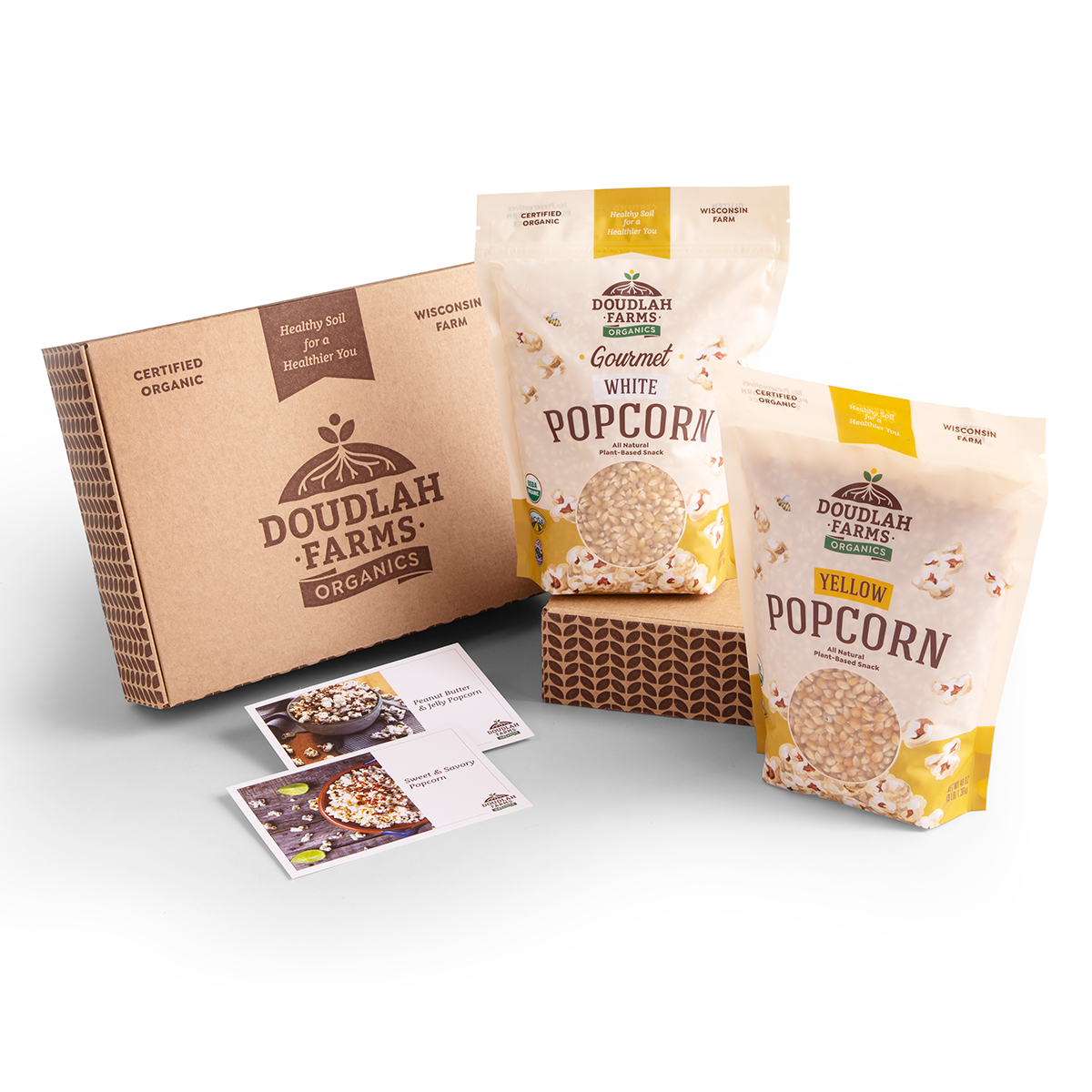
When choosing the best organic popcorn, several factors must be considered. Look for certifications such as the USDA organic seal and the NON-GMO Project Verified label to ensure you are getting a product that meets high standards for purity and quality. These certifications indicate that the popcorn is grown without synthetic pesticides and is free from genetically modified ingredients.
Reading ingredient labels helps identify potential additives or unhealthy components. Popcorn can come in various forms, including premeasured packets or bulk containers, affecting convenience and storage options. For a healthier option, avoid products with artificial seasonings and flavors.
Consider the kernels’ expansion rate, which can indicate their popping quality. A higher expansion rate means better popping performance and fewer unpopped kernels. With these tips, you can select the best organic popcorn that suits your needs and preferences.
Top Organic Popcorn Brands
Several top organic popcorn brands stand out for their quality and taste. NOW Real Food Organic Popcorn is a top choice, known for its high-quality, non-GMO organic popcorn kernels and various flavors. This brand offers a reliable and delicious snacking option.
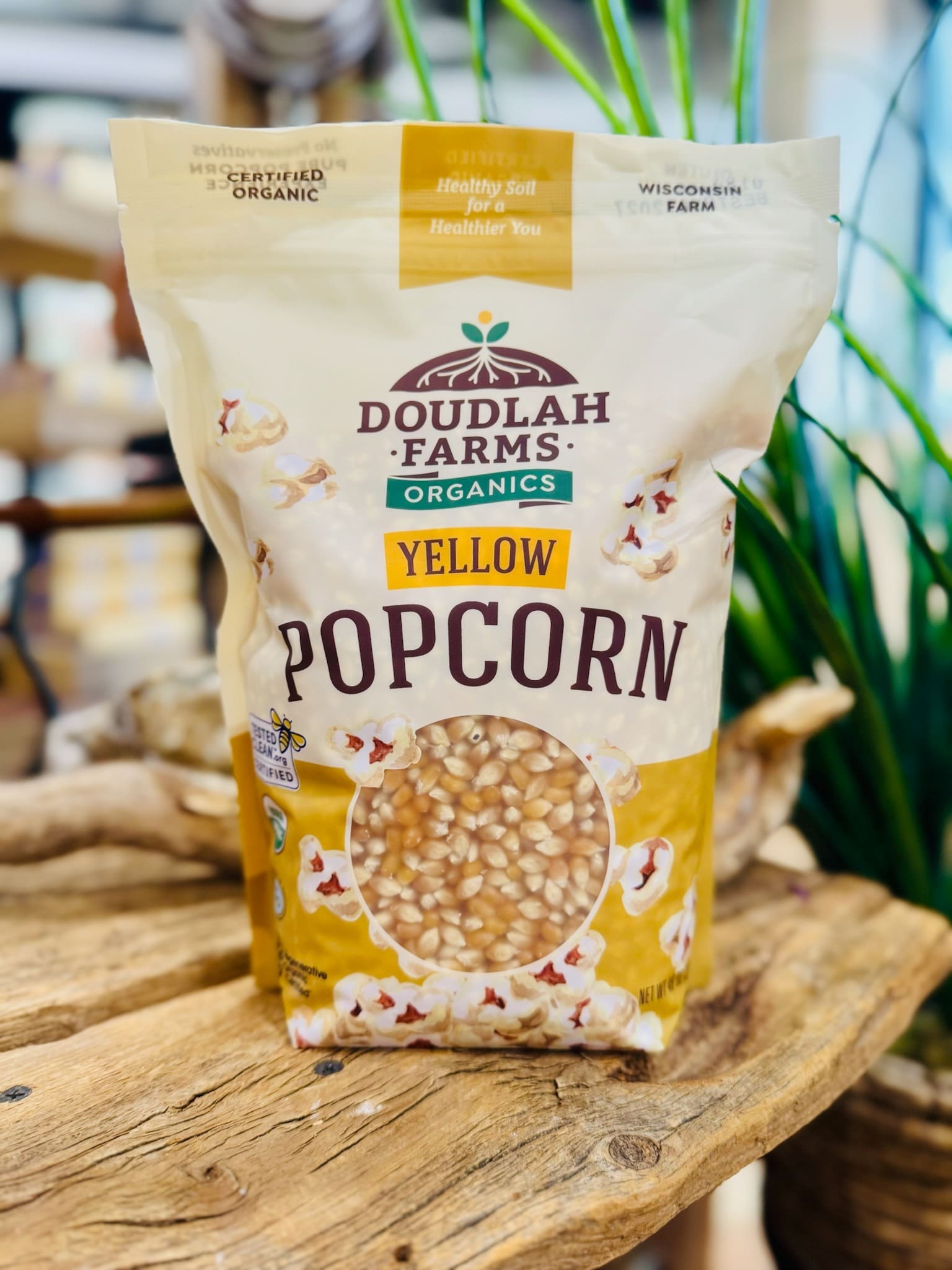
Doudlah Farm’s Organic Popcorn is another popular choice. It’s celebrated for its premium quality, mouthwatering taste, and crisp and fluffy texture. It’s a favorite among popcorn enthusiasts.
Trader Joe’s Organic Popcorn is a great option for those looking for affordability without compromising quality. It comes in various flavors, including sweet, salty, and sea salt, catering to different tastes.
SHILOH FARMS Multi-Color Popcorn offers a unique and colorful snacking experience. Its nutritious kernels are perfect for air-popping or oil-popping, providing a delightful and healthy treat.
By choosing from these top organic popcorn brands, you can enjoy a high-quality, delicious, and healthy snack that fits your dietary needs and preferences.
Purchase Options and Availability
Finding the right place to purchase organic popcorn is essential for convenience and cost-effectiveness. Many retailers offer organic popcorn online, including specialty grain stores that provide bulk purchasing options. Online marketplaces frequently list various brands, allowing you to compare prices and reviews easily.
Local grocery and health food stores often stock organic popcorn varieties, making them accessible for everyday shopping. Wholesale options are available for those who prefer buying in bulk, typically offering discounts for larger quantities. This can be a great way to save money while ensuring you always have a stock of your favorite snacks.
By exploring different purchase options, you can find the best popcorn deals and ensure you have a steady supply of high-quality organic popcorn.
Customer Reviews and Testimonials
Hearing from other customers can provide valuable insights into the quality and satisfaction of organic popcorn products. Many customers express satisfaction with the value for money, highlighting organic popcorn’s affordability and quality ingredients. A high pop rate with minimal unpopped kernels is often mentioned, enhancing the overall eating experience.
Taste reviews can vary, with some customers finding the flavors delightful while others may find certain varieties bland or overly salty. These testimonials can help you decide which brands and varieties suit your preferences.
Summary
Incorporating organic popcorn into your diet is a delicious and nutritious way to enjoy a satisfying snack. By choosing organic and non-GMO options, you support environmentally friendly farming practices and avoid harmful chemicals. With various popping methods and recipes, there’s no shortage of ways to enjoy this versatile treat. So, grab a bowl of organic popcorn, experiment with new flavors, and savor the benefits of a healthier snack choice.

Our organic popcorn
We grow, clean, and pack our own kernels on the farm, so the bag holds one ingredient and nothing else.
- Organic Popcorn Kernels: non-GMO, single-ingredient, grown on our farm. Yellow and white, 1.5 lb to 25 lb.
Frequently Asked Questions
What are the benefits of choosing organic popcorn?
Choosing organic popcorn offers a healthier, cleaner snack option as it is grown without synthetic pesticides and contains no genetically modified ingredients. This ensures a more natural product for your consumption.
How can I ensure the popcorn I buy is truly organic?
To ensure your popcorn is truly organic, look for certifications like the USDA organic seal and the NON-GMO Project Verified label. These labels indicate that the product meets stringent organic standards.
What are some healthy ways to prepare organic popcorn?
For a healthy preparation of organic popcorn, consider using an air popper or stovetop method with healthy oils such as avocado or extra virgin olive oil. This approach ensures a low-calorie and nutritious snack.
Can organic popcorn fit into a low-calorie diet?
Yes, organic popcorn is low in calories and fiber, making it a nutritious and satisfying snack for a low-calorie diet.
Where can I buy organic popcorn?
You can buy organic popcorn at local grocery stores, health food stores, and online retailers. For bulk purchasing, consider checking wholesale options. You can also shop for high-quality organic popcorn kernels at Doudlah Farms Organics.