Key Takeaways
- Most beans (black, kidney, pinto, navy, chickpeas, lentils) are not complete proteins on their own because they are low in the essential amino acid methionine.
- Beans become a complete protein when combined with methionine-rich foods like rice, other whole grains, nuts, or seeds across the day—not only in the same meal.
- Soybeans and soy foods (edamame, tofu, tempeh) are the main exception, naturally providing all nine essential amino acids in adequate amounts.
- Beans deliver many health benefits beyond protein, including fiber, iron, potassium, and low saturated fat content, making them excellent protein sources in plant-based diets.
- Understanding this topic helps wellness and food brands create credible, conversion-focused nutrition content for health-conscious customers.
Introduction: Why People Ask If Beans Are a Complete Protein
Since around 2015, plant-based eating has surged from a niche interest to a mainstream movement. Consumers researching plant-based foods want to know whether their protein sources measure up. That question—“Are beans a complete protein?”—has become one of the most searched nutrition queries online.
Here is the direct answer: most beans are not complete proteins on their own. They lack sufficient amounts of the amino acid methionine. However, when you combine beans with whole grains, nuts, or seeds throughout the day, you get all the building blocks your body needs.
This article unpacks what complete protein actually means, how different beans fit into the picture, and how to build balanced plant-based meals that cover all your essential nutrients. We will also look at soybeans as the major exception and explore why beans remain among the most nutritious foods you can eat—even without being technically “complete.”
From Asymmetric Marketing’s perspective, understanding this topic allows wellness and food brands to create credible, evidence-based content that resonates with health-conscious customers. Nutrition misinformation runs rampant online, and brands that get the science right build lasting trust.
What Is a Complete Protein, Exactly?
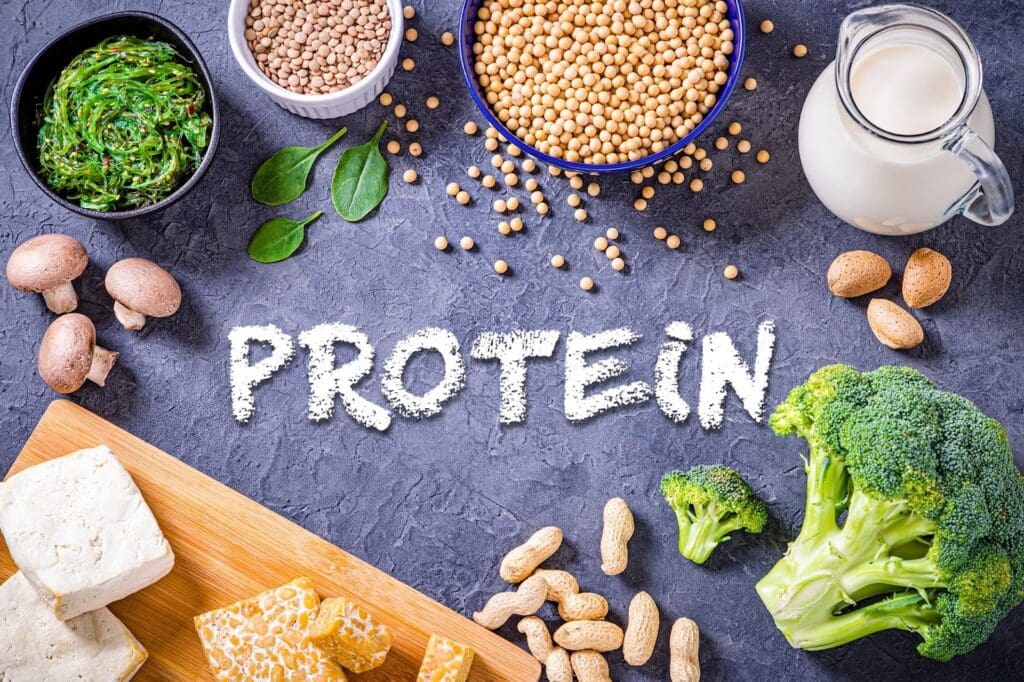
A complete protein contains adequate amounts of all nine essential amino acids that the body cannot synthesize on its own. These nine are: histidine, isoleucine, leucine, lysine, methionine, phenylalanine, threonine, tryptophan, and valine. When nutritionists reference threonine, tryptophan, valine, and the other six, they mean the amino acids you must obtain from food.
Protein is made of 20 total amino acids, but eleven of these your body can produce internally. The remaining nine essentials must come from diet. What matters for protein quality is not just total grams of protein but the balance and proportion of these nine building blocks relative to human requirements.
Common complete protein examples include:
- Animal sources: eggs, dairy, poultry, fish, beef, pork
- Plant sources: soy (tofu, tempeh, edamame), quinoa, buckwheat, amaranth, hemp seeds, chia seeds, and nutritional yeast
Clarifying an important point: “incomplete” does not mean “low quality” or unhealthy. It simply means one or more essential amino acids are present in limited amounts. Black beans, for instance, deliver excellent protein with abundant lysine—they just fall short on methionine. This distinction matters for anyone trying to optimize their plant-based protein sources without unnecessary anxiety.
Are Beans a Complete Protein? (Short Answer)
Most beans and lentils are incomplete proteins. They provide lysine and many other amino acids in generous amounts, but are relatively low in methionine and sometimes tryptophan. This pattern holds across the bean family.
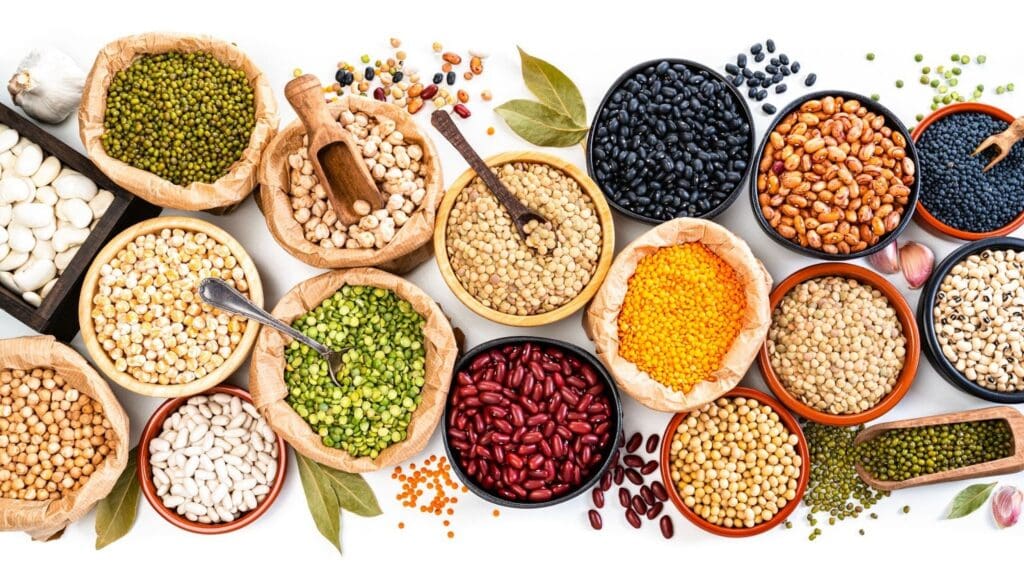
Typical beans that follow this pattern include black beans, kidney beans, pinto beans, navy beans, white beans, cannellini beans, garbanzo beans (chickpeas), and lentils. All deliver substantial protein but share the same limitation.
To give context with specific numbers: most cooked beans provide around 15 grams of protein per cup. Lentils are slightly higher at approximately 18 grams of protein per cooked cup. These are meaningful amounts—two cups of beans could cover a large portion of most adults’ daily protein needs.
Here is the practical reality: your body maintains a pool of amino acids from all the foods you eat throughout the day. You do not need a complete protein in every single food item. A varied diet with beans, whole grains, nuts or seeds, and other nutrients will cover all nine essential amino acids effectively.
Soybeans: The Big Exception Among Beans
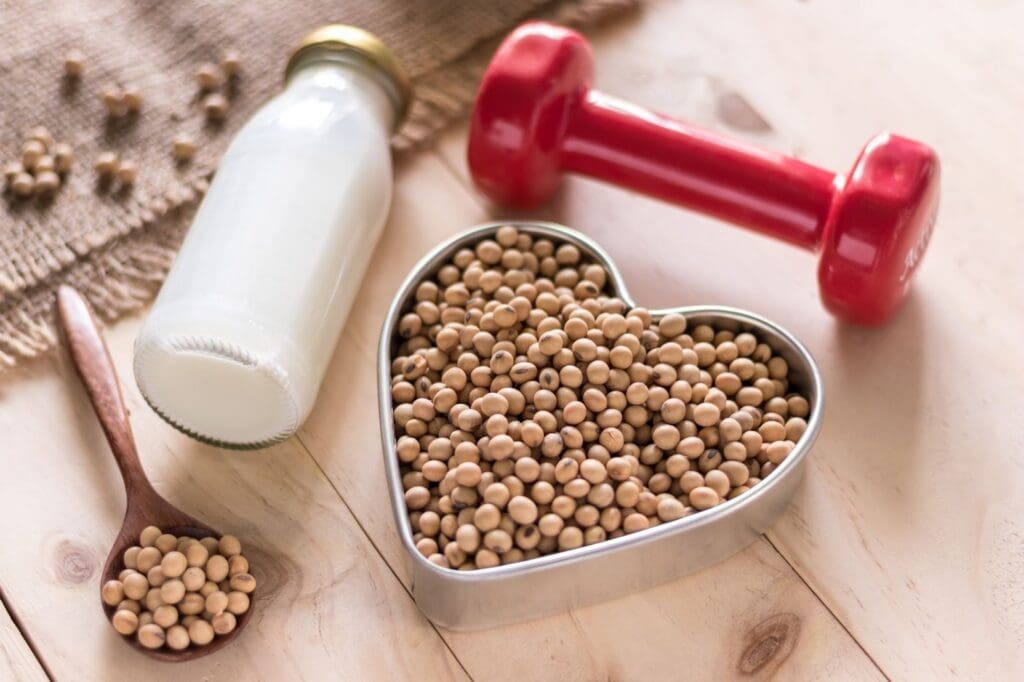
Soybeans stand apart from other beans. Foods made from whole soy—edamame, tofu, tempeh, and soymilk—are considered complete proteins. They deliver all nine essential amino acids in proportions that meet or exceed human requirements.
Here are specific protein values for common soy foods:
- Edamame: approximately 8 grams of protein per half cup cooked
- Tofu: approximately 8 grams of protein per 3 ounces
- Tempeh: approximately 11-15 grams of protein per 3 ounces, depending on brand and whether additional grains or other seeds are included
Soy is nutritionally dense beyond its complete amino acid profile. Whole forms like edamame and tempeh provide dietary fiber, iron, and calcium (especially in fortified products). Soy also contains isoflavones that researchers have studied for potential heart health benefits and cholesterol levels improvement.
For vegans and those following strict plant-based diets, soy serves as a convenient anchor protein comparable in quality to animal protein. Many dietitians designing plant-based meal plans start with soy foods as the foundation, then add variety with other plant-based proteins.
Practical applications for soy in everyday cooking include stir fries with firm tofu, tempeh tacos with cumin and lime, edamame in grain bowls, and marinated tempeh as a meat substitute in sandwiches. The nutty flavor of tempeh makes it particularly versatile for those transitioning away from animal products.
Why Beans Still Matter Even If They’re Not “Complete”
Focusing only on “complete vs. incomplete” misses why beans are consistently associated with longer life and better metabolic health across research studies. The many health benefits of regular bean consumption extend well beyond protein content.
Consider the nutrition profile per half cup serving of cooked beans:
- Approximately 6-8 grams of protein
- 6-9.5 grams of dietary fiber (navy beans near the high end)
- 300-500 mg potassium
- Significant iron, folate, and magnesium
- Minimal saturated fat
Research links regular bean intake to several specific health outcomes. A meta-analysis of 26 observational studies found that higher legume consumption was associated with approximately 10% reduction in coronary heart disease risk. Blood sugar regulation improves with consistent bean consumption due to fiber content, and gut health benefits from bean fiber and prebiotics further support overall digestive function. Weight management becomes easier because fiber-driven satiety helps people feel full longer.
One particularly relevant finding: benefits appear to plateau around 400 grams of cooked beans per week—roughly one and a half cups spread across the week. This gives consumers and brands a concrete target for recommendations.
Beans also function as meat substitutes in the diet. When you swap some red or processed meat for beans, you reduce saturated fat intake while adding fiber. This swap is consistently linked with better heart health outcomes and may lower the risk for conditions like colon cancer. Blue Zone populations and Mediterranean diet adherents demonstrate these patterns through decades of dietary research.
How to Turn Beans Into a Complete Protein
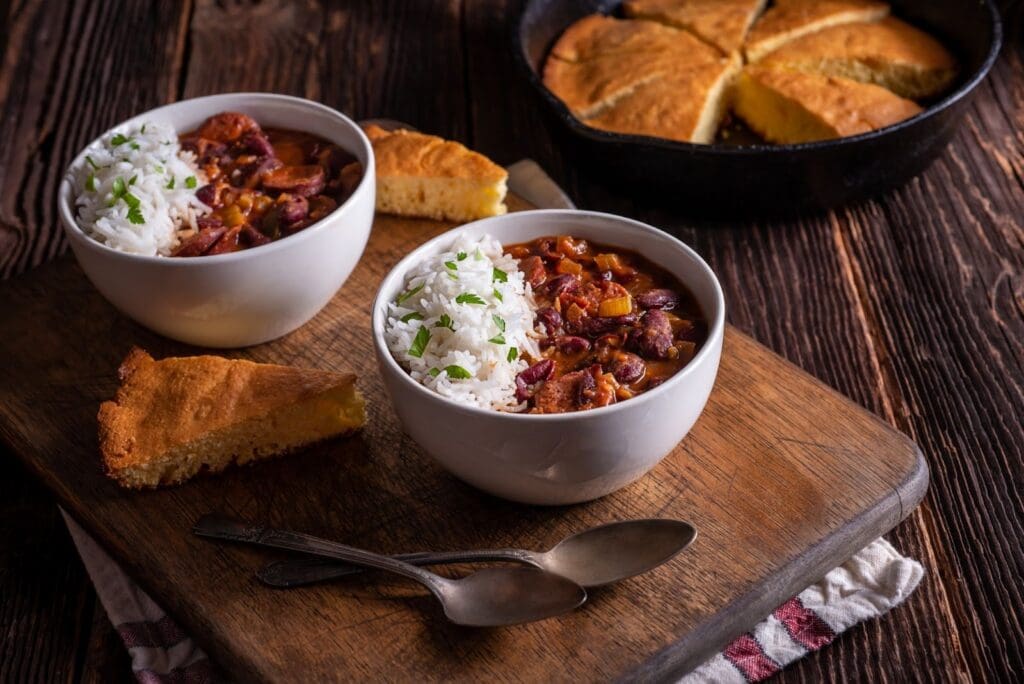
Combining beans with complementary proteins fills in their methionine gap. This effectively creates a complete protein over the course of a meal or day. The classic pairing of beans and rice exists across cultures for good reason—it works nutritionally.
Here are specific complementary pairings that form a complete protein, including options like buckwheat as a complete plant protein:
Beans with whole grains:
- Black beans with brown rice
- Pinto beans with whole-wheat tortillas
- Lentils with farro or barley
- Kidney beans with whole-grain bread
- Chickpeas with bulgur wheat
Beans with nuts or seeds:
- Chickpeas with tahini (hummus with pita is the classic example)
- Lentils with pumpkin seeds in a salad
- Black beans with sunflower seeds in a grain bowl
- Navy beans with hemp seeds in soup
- Any beans with chia seeds added to dishes
Research since the 1990s has confirmed that you do not have to combine complementary proteins in the same meal. Eating a variety across the day is sufficient for most healthy adults. Your body pools amino acids and uses them as needed—the timing of intake matters less than overall variety.
Some grain and nut combinations (like oats and almonds) can also create complete profiles. But beans are particularly powerful because they bring both substantial protein content and fiber in one food. That dual benefit makes incorporating beans into your diet an efficient nutritional strategy.
Popular Types of Beans and Their Protein Profiles
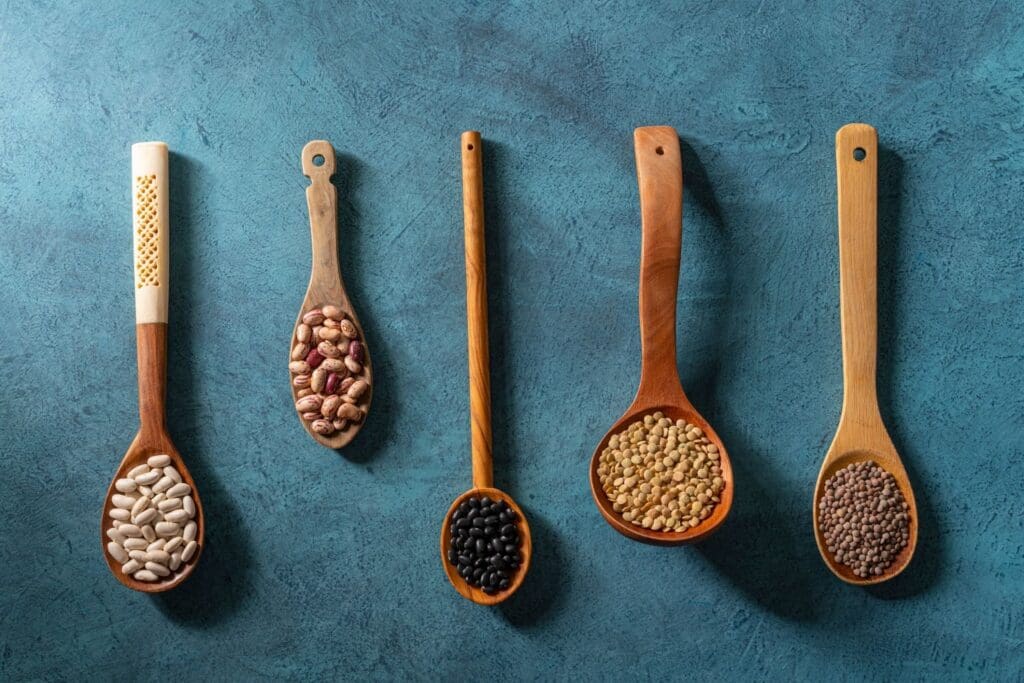
Here is a quick reference overview of common beans in North American and European diets. Understanding protein content per cooked cup helps consumers and brands create accurate educational content.
Black beans deliver approximately 15 grams of protein per cooked cup. They are high in anthocyanin antioxidants, which give them their dark color. Black beans work well in Latin American dishes, salads, and as burger bases, and choosing organic black beans from regenerative producers can align with both health and sustainability priorities.
Kidney beans provide approximately 15 grams of protein per cooked cup. They are commonly used in chili, stews, and red beans and rice dishes. Their firm texture holds up well in longer cooking times, and organic dark red kidney beans grown with regenerative practices are a popular choice for hearty recipes.
Pinto beans offer approximately 15 grams of protein per cooked cup. They are the foundation of Mexican and Tex-Mex cuisine, excellent as refried beans or whole in burritos and tacos, and they illustrate how organic bean varieties from regenerative farms can provide both nutrition and environmental benefits.
Navy beans contain approximately 15 grams of protein per cooked cup, with particularly high fiber content per serving. They are the traditional choice for baked beans and work well in soups due to their creamy texture, and organic options such as Great Northern–style white beans from sustainable farms offer similar versatility.
Chickpeas (garbanzo beans) provide approximately 14-15 grams of protein per cooked cup. They are incredibly versatile—blended into hummus, roasted as snacks, added to salads, or featured in curries, similar to other heirloom options like organic cranberry beans from regenerative farms.
Lentils stand out with approximately 18 grams of protein per cooked cup—the highest protein content among common legumes. Various colors (brown, green, red) offer similar protein but different textures. Red lentils break down in cooking, making them ideal for soups, while green and brown lentils hold their shape.
All of these are incomplete proteins on their own but become nutritionally complete when combined with whole grains, nuts, or other seeds throughout your varied diet.
Beans vs. Animal Protein: How Do They Compare?
Understanding how beans stack up against animal protein helps consumers make informed choices. Here is a comparison across several key metrics:
| Protein Source | Protein per Serving | Saturated Fat | Fiber | Complete Protein? |
| Chicken breast (3 oz) | ~26g | ~1g | 0g | Yes |
| Eggs (2 large) | ~12g | ~3g | 0g | Yes |
| Greek yogurt (6 oz) | ~15g | ~3-4g (varies) | 0g | Yes |
| Lean beef (3 oz) | ~22g | ~4g | 0g | Yes |
| Black beans (1 cup) | ~15g | <0.5g | ~15g | No |
| Lentils (1 cup) | ~18g | <0.5g | ~16g | No |
| Tofu (3 oz) | ~8g | <1g | ~1g | Yes |
| Animal proteins are naturally complete and more concentrated per ounce. This can be useful for people with very high protein needs, such as bodybuilders or those recovering from illness. Dry beans and cooked beans require a larger volume to match animal protein grams. |
However, animal products lack fiber entirely and often contain more saturated fat. The environmental footprint of animal agriculture also significantly exceeds that of bean production, and comparing beans vs. meat as protein sources highlights how plant-based proteins can support both health and sustainability goals.
Beans are not automatically “better” than meat for everyone. But shifting part of weekly protein intake from red meat to beans is consistently linked with better heart disease outcomes and weight control. Mainstream clinical guidance from many cardiology practices suggests limiting red meat to around 12-16 ounces per week and using beans, fish, poultry, and soy to fill the gap.
This balanced perspective—acknowledging strengths of both plant and animal sources—builds trust with audiences and aligns with evidence-based nutrition communication.
Practical Tips for Eating More Beans Without Discomfort
Beans cause digestive discomfort for some people. This happens because fermentable fibers and certain oligosaccharides reach the colon, where gut bacteria break them down, producing gas.
Here are specific strategies to minimize these effects:
Preparation methods: If you are new to cooking dry beans, guides on how to cook with organic beans can help you master soaking, simmering, and seasoning techniques so they are both digestible and flavorful.
- Soak dry beans overnight and discard the soaking water before cooking
- Cook beans thoroughly—at least an hour of simmering after boiling, depending on type
- Rinse canned beans well to reduce both sodium and some gas-producing compounds
Gradual introduction:
- Start with one-half cup serving per meal
- Increase portions gradually over several weeks
- Allow your gut microbiome time to adapt to increased fiber
Culinary additions:
- Add cumin, coriander, fennel, or ginger when cooking—traditional additions that may aid digestion
- Use pureed beans in soups or spreads to improve digestibility
- Try lentils first if you typically eat few plant-based foods, as they tend to cause less gas than larger beans
For portion guidance, start with a half cup and build toward about one cup per day. This mirrors intakes seen in long-lived populations where people typically eat beans as dietary staples. Canned beans offer convenience with comparable nutrition to dried—just rinse them well.

FAQs: Are Beans a Complete Protein?
Do I need to eat beans and rice in the same meal to ensure are beans a complete protein?
Current nutrition science indicates you do not need to combine complementary proteins in the same meal. As long as you eat a variety of plant-based foods (beans, whole grains, nuts, and seeds) throughout the day, your body can assemble all essential amino acids from its amino acid pool. The old advice about “protein combining” at every meal has been updated based on a better understanding of human metabolism.
Are canned beans as nutritious as dried beans?
Yes, the protein content, fiber, and most minerals are very similar between canned beans and properly cooked dry beans. The main differences are convenience, cost, and sodium content. Rinsing canned beans thoroughly under running water removes significant sodium and makes them comparable to home-cooked versions for most nutritional purposes.
Can you build muscle using beans as your main protein source?
Building muscle on a plant-based diet centered on beans is possible, though it requires attention to total daily protein intake. Ensure you consume sufficient overall grams of protein (typically 0.7-1 gram per pound of body weight for muscle building), include complementary proteins like whole grains and soy foods, and maintain consistent resistance training. Many plant-based athletes rely on beans combined with tofu, tempeh, and protein-rich seeds like hemp seeds.
Are there people who should limit bean intake?
Individuals with certain digestive conditions may need to limit or carefully reintroduce beans. Those with severe irritable bowel syndrome, some forms of inflammatory bowel disease, or people following low-FODMAP protocols should work with a healthcare provider or dietitian before adding significant bean portions. Additionally, anyone with legume allergies should avoid beans entirely—though this is relatively rare compared to other food allergies.
Is any single type of bean clearly “healthiest”?
No single bean is universally best for everyone. Navy beans are particularly high in fiber per serving. Soybeans are the only legumes that qualify as complete protein sources. Lentils provide the most protein content per cup among common options. Chickpeas offer versatility for both savory and sweet applications. The overall pattern—eating a variety of beans regularly across the week—matters more than choosing one “super bean.” Delicious ways to incorporate beans into your diet include soups, salads, grain bowls, and rich sources of protein like hummus with Ezekiel bread or tasty ways to add them to stir fries.