Key Takeaways
- Choose the grind for the job: fine corn meal for delicate cakes, medium grind cornmeal for standard cornbread and corn muffins, and coarse grind for polenta or maximum crunch.
- Cornmeal is naturally gluten free, but many classic recipes for homemade cornbread, pancakes, and muffins still include wheat flour unless adapted.
- Rest batter for 10–15 minutes so cornmeal hydrates, softens, and improves texture before you bake, griddle, or fry.
- A preheated cast iron skillet or hot baking dish helps create crisp edges, a tender middle, and a golden crust.
- At Quarra Stone, we think of cornmeal baking like stonecraft: choose the right material, respect structure, and finish with care.
Introduction to Cornmeal Baking
Working with cornmeal is a lot like working with stone: the result depends on the material, the cut, and the finish. Corn meal is dried corn milled into particles, usually yellow or white, though blue cornmeal is also common. In 2026 home kitchens, grind size matters more than most bakers realize because cornmeal adds exceptional texture, flavor, and color to baked goods when used correctly.
Cornmeal, corn flour, and polenta are related but not identical. Corn flour is very fine; polenta is usually medium-coarse or coarse; cornmeal sits across fine, medium, and coarse styles. Confusing them can make dense corn bread, gritty corn muffins, or a gummy center. This guide focuses on cornmeal baking tips for homemade cornbread, corn muffins, cornmeal pancakes, gluten free variations, fried green tomatoes, and other dishes where technique shapes taste.
Choosing the Right Cornmeal: Grind, Color, and Style
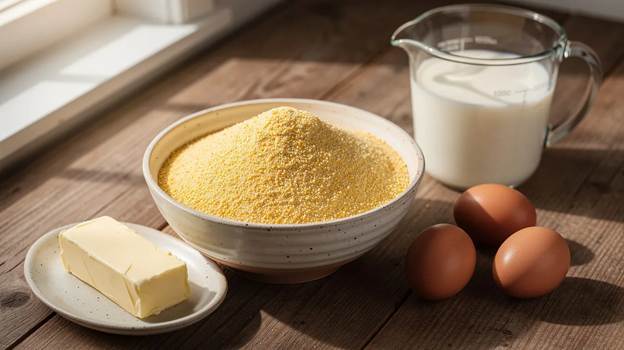
Grind size determines whether your crumb is cake-like, rustic, or toothsome. Choosing the right grind of cornmeal is essential for specific baked goods, as fine grind is best for cakes and coarse grind is better for polenta. Using fine grind cornmeal is best for delicate cakes, while medium grind cornmeal is ideal for standard cornbread, and coarse grind is better suited for maximum crunch.
Fine ground cornmeal is often used for baking because it hydrates quickly and blends smoothly with flour. Medium grind gives classic cornbread recipe texture: tender, but still distinctly corn-forward. Coarse ground cornmeal is typically used for frying and breading due to its texture, especially when you want fried green tomatoes, fried fish, fried pickled okra, or hush puppies with a rugged crust.
Cornmeal can be classified into different types based on the color and grind size, including yellow, white, and blue cornmeal, as well as fine, medium, and coarse ground varieties.
- Yellow cornmeal gives sweeter aroma, deeper corn flavor, and a golden color.
- White cornmeal tastes milder and is traditional in many Southern-style breads.
- Blue cornmeal brings earthier flavor and dramatic food styling for special dishes.
Also check the milling style. Degerminated cornmeal keeps longer, while whole-grain stone-ground cornmeal has more flavor and natural oils. Cornmeal can spoil quickly due to its natural oils, so it should be stored in the freezer to maintain freshness. Read labels carefully: self-rising mixes may contain baking powder, salt, or wheat flour, which matters for gluten free baking.
Balancing Moisture: Liquids, Fats, and Sweeteners
Cornmeal absorbs liquid more slowly than wheat flour, so hydration is the difference between delicious crumb and dry crumble. Combining cornmeal with warm or room-temperature liquids makes it softer and improves the texture of cornbread. Soaking cornmeal in liquids before baking tenderizes the grain and improves texture.
Common liquids include whole milk, buttermilk, plant milk, yogurt, and sour cream. Buttermilk works especially well because its tang balances corn sweetness and helps chemical leaveners lift the heavy batter. Cornmeal relies on chemical leaveners for rise due to its heavy texture, so measure baking powder and baking soda carefully. Letting the cornbread batter sit for 10 to 15 minutes before baking allows the cornmeal to absorb flavors and gives the baking powder a head start, resulting in better texture.
Fat matters too. Melt butter for rich flavor and browning, use oil for crisp edges, or add bacon drippings for extra flavor in a cast iron skillet. Mixing cornmeal with fats such as buttermilk or butter prevents it from drying out. For sweetness, granulated sugar gives a clean taste; brown sugar, honey, or maple syrup add moisture. Southern dressing often uses little sugar, while Northern-style muffins and sweet treats may use more.
Mastering Cornbread and Corn Muffins
For structure, treat cornbread and corn muffins like quick breads. In a large bowl, whisk dry ingredients: cornmeal, flour, baking powder, salt, and sugar if using. In a medium bowl, whisk wet ingredients: milk, buttermilk, egg, and butter or oil. Add wet ingredients to the dry ingredients, then stir gently just until no big streaks remain. Do not over mix; vigorous stirring creates tunnels and toughness.
Cornmeal should be blended with all-purpose flour for better structure in baked goods due to its lack of gluten. A recommended blend for baked goods is 20% to 50% cornmeal mixed with wheat flour to prevent crumbling, unless the recipe is designed as all-cornmeal cornbread.
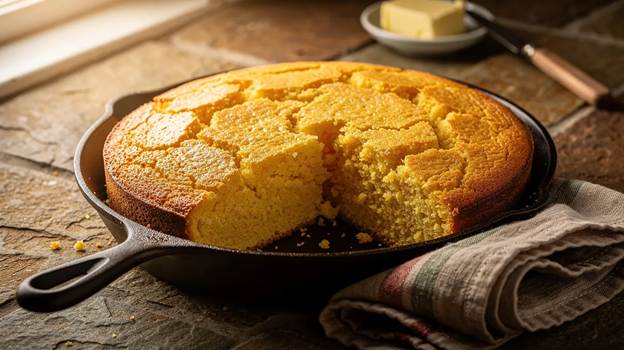
Baking cornbread in a preheated cast-iron skillet promotes even heating and helps achieve a crispy, golden crust on the outside. Preheat the oven, heat the skillet with a thin film of oil, then pour in the batter so the edges sizzle. To check if cornbread is done, bake it in a 400°F oven for 20 to 25 minutes, and ensure the center is firm with a toothpick inserted coming out clean.
Use a 10-inch cast iron skillet for wedges, an 8–9 inch square baking dish for neat slices, a loaf pan for taller corn bread, or a muffin tin for portioned muffins. Mix-ins work best when restrained: cheese, jalapeños, scallions, corn kernels, crumbled sausage, onion, or celery can all fit, but too much filling makes the batter wet. For dressing, bake cornbread 1–2 days ahead, crumble it, and let it dry so it can soak up broth evenly.
Cornmeal Pancakes, Waffles, and Breakfast Bakes
Cornmeal adds gentle crunch and deep corn flavor to breakfast. For cornmeal pancakes, replace about half or less of the all-purpose flour with fine or medium cornmeal, then add a little more milk to keep the batter pourable. Rest the batter at least 10 minutes so the grain softens.
Cook pancakes over medium heat. Too much heat browns the edges before the center can cook; too little heat leaves them pale. Cornmeal waffles can be made for breakfast, and if a waffle iron is not available, the batter can be used to create cornmeal pancakes instead. Waffles benefit from extra butter or oil, and whipped egg whites can make them crisper.
For holiday crowds, pour batter into a shallow pan for sheet-pan pancakes or breakfast bakes. Fold in fresh blueberries, peaches, apples, cinnamon, or lemon zest. Serve with honey butter, maple syrup, fruit compote, whipped cream, or even vanilla ice cream for desserts. Adding cornmeal to a blueberry cobbler recipe enhances the texture and savoriness, balancing the fruity filling.
Cornmeal for Crunch: Fried Green Tomatoes and Beyond
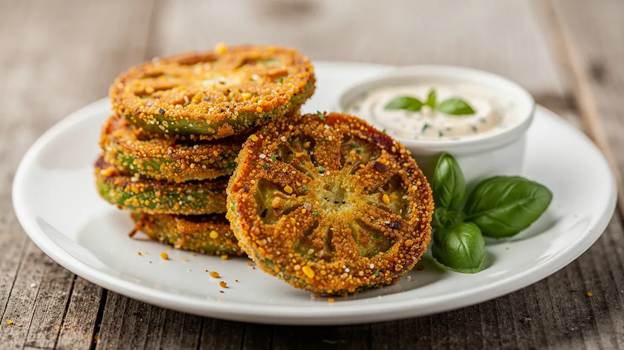
Cornmeal excels as a coating because it gives crunch that flour alone cannot. Cornmeal is a key ingredient in classic Southern dishes like fried green tomatoes, providing a crunchy coating when fried. Slice firm tomatoes, dust with seasoned flour or gluten free flour, dip in egg, then coat in seasoned corn meal or a cornmeal-flour blend. Add chili powder, black pepper, and salt for depth, then rest the slices briefly before you fry.
Use cast iron for steady heat and keep oil around 350–375°F, a range commonly recommended for cornmeal coatings. Fry each side until crisp. The same method works for chicken strips, catfish, pickle chips, and okra. Fried pickled okra uses cornmeal to achieve its distinctive crunch, making it a popular Southern dish.
For air fryer versions, use a finer grind for better adhesion, spray lightly with oil, arrange food in one layer, and flip halfway. Serve fried green tomatoes in BLT-style sandwiches, with spicy remoulade, beside soups, with chili, or next to tomato sauce for a playful Southern-Italian plate.
Gluten Free and Special-Diet Cornmeal Baking
Cornmeal is naturally gluten-free, making it a popular choice for those with gluten sensitivities or celiac disease. Still, plain cornmeal can be processed near wheat, and many mixes contain flour, so choose certified gluten free cornmeal when needed. The FDA explains labeling rules for gluten free foods on its gluten-free food labeling page.
For gluten free cornbread, pair certified cornmeal with rice flour, oat flour, starch, or a 1:1 gluten free blend. Add an extra egg or a spoonful of yogurt to help the crumb hold together. Xanthan gum can help if your blend has no binder.
For dairy-free baking, replace buttermilk with plant milk plus lemon juice or vinegar. Replace butter with neutral oil or dairy-free margarine, but watch browning because butter’s milk solids deepen crust color. Write down your preferred ratios once verification successful in your own kitchen tests.
A quick online note: if a recipe site pauses for performing security verification, that security verification is usually a security service blocking malicious bots. Wait for access, do not paste respond ray id into more comments, then return to the recipe.
Troubleshooting Common Cornmeal Baking Problems
Dry or crumbly cornbread usually means not enough liquid or fat, too coarse a grind, or too long in the oven. Increase milk or buttermilk slightly, add butter or oil, use finer cornmeal, and shorten the bake. Since cornmeal lacks gluten, all-cornmeal breads naturally need help from eggs, flour, or binders.
A gummy or dense center points to too much moisture, old leaveners, overfilled pans, or low oven temperature. Baking powder and soda should be fresh, ideally within 6–12 months of opening. Uneven texture or tunnels usually come from over-mixing after liquid is added; mix only until the batter comes together.
A pale top or weak crust needs more surface heat. Use cast iron, preheat the pan, place it on a lower-middle rack, and do not be afraid of a hot oven. For sauces, soups, or chili on the side, keep cornbread sturdy enough to dip without falling apart.
Homemade Cornbread and Cornmeal Baking 101 FAQ
Can I substitute cornmeal for all-purpose flour one-to-one when adapting a traditional homemade cornbread recipe or cake?
No. Cornmeal cannot replace all-purpose flour one-to-one in most cakes, cookies, or quick breads because it has no gluten and a coarser texture. Use cornmeal for about one-quarter to one-half of the total flour unless the recipe is built around cornmeal. Cornmeal can be used in a variety of recipes beyond cornbread, including fried foods, cakes, and pies, adding a distinctive grit and slightly sweet flavor.
How should I store cornmeal to keep it fresh and flavorful?
Keep cornmeal tightly sealed in a cool, dark pantry for short-term use. Store whole-grain or stone-ground cornmeal in the refrigerator or freezer for longer storage because its natural oils can turn stale. Discard cornmeal that smells oily, musty, or bitter.
Why does my cornbread taste bitter, and how can I fix it?
Bitterness often comes from old baking powder, too much baking soda, or overly robust stone-ground corn meal. Use level measuring spoons, replace leaveners regularly, and balance flavor with a pinch of salt plus a small spoonful of sugar or honey.
Is cornmeal always gluten free, or do I need a special label?
Corn itself is gluten free, but some cornmeal is milled or packaged on shared wheat equipment. If you have celiac disease or strict gluten sensitivity, look for certified gluten free labeling. For casual everyday baking without medical restrictions, standard grocery cornmeal is usually acceptable.
What’s the best way to reheat leftover cornbread without drying it out?
Brush slices lightly with melted butter or oil, wrap loosely in foil, and warm in a low oven. Avoid long microwaving, which toughens crumb. Very dry leftovers can become dressing, breakfast strata, casserole crumbs, or stuffing beside chicken and other savory dishes.