Key Takeaways
- In 2026, clean food trends emphasize minimally processed, nutrient dense ingredients such as whole grains, ancient grains, beans, lentils, vegetables, nuts, and seeds.
- People are moving away from ultra processed foods, added sugar, artificial additives, and long ingredient lists in packaged foods.
- The health benefits of whole grains and beans include better gut health, blood sugar control, cardiovascular support, sustained energy, and stronger digestive health.
- Traditional foods are fitting modern life through quick-cook grains, canned beans, batch cooking, global flavors, and flexible recipes.
- At Quarra Stone, we see a useful parallel: just as durable stone supports long-lasting design, traditional grains and beans offer “durable fuel” for long term health.
What “Clean Food” Really Means in 2026
Clean food is no longer about following a perfect specific diet or turning eating into a moral test. In 2026, clean food trends are more practical: choose whole foods, read labels, cook more often, and build meals around ingredients people recognize. Current “clean eating” trends prioritize minimally processed, nutrient-dense, and sustainable foods, focusing on avoiding ultra-processed ingredients and increasing protein and fiber intake.
Shoppers are checking packaged foods for added sugar, refined grains, unnecessary preservatives, trans fats, gums, and highly refined oils. There is a growing demand for simpler, cleaner ingredient lists on packaged goods, and consumers are swapping processed snacks and meals for whole foods, emphasizing cooking at home to bypass artificial additives. Public health experts also warn that “clean eating” remains an unregulated marketing term, which can lead to deceptive labeling and restrictive eating patterns when taken to extremes.
That is why today’s approach is less like the clean eating hype of the mid-2010s and more like a return to balance. Guidance is moving away from counting single nutrients towards consuming whole-food patterns, as seen in diets like the Mediterranean Diet, which emphasizes the food matrix. Consumers are rejecting overly complex “health hacks” and hyper-processed diet foods in favor of transparent, real-food nutrition.
Why Traditional Grains Are Back: From Whole Grains to Ancient Grains
Interest in whole grains has grown since the 2020–2025 Dietary Guidelines advised making at least half of grain intake whole. In plain terms, whole grains keep the bran, germ, and endosperm intact, which helps preserve dietary fiber, b vitamins, iron, magnesium, antioxidants, essential nutrients, and overall nutritional value. Refined grains remove much of that structure for softness and shelf life.
Ancient grains are defined as grains that have remained largely unchanged over the last several hundred years, retaining their original nutritional profiles and unique flavors. Farro, einkorn, spelt, sorghum, millet, teff, and barley are appearing in sorghum grain bowls, farro salads, barley “power bowls,” baked goods with millet flour, and breakfast blends with other grains. Ancient grains are typically richer in protein, fiber, vitamins, and minerals compared to refined grains, making them a more nutritious choice for consumers.
These grains feel both modern and old-fashioned in the best way. They bring chewy texture, nutty flavors, and a sense of heritage that fits broader food trends around sustainability, transparency, and back-to-basics wellness.
Whole Grains vs. Refined Grains: What’s the Real Difference?
Refined grains such as white rice and white flour are milled to remove the bran and germ. That can make bread, pasta, and pastries softer, but it also lowers fiber content, protein content, minerals, antioxidants, and phytochemicals. Whole grains, by contrast, preserve the nutrients that help provide health benefits beyond basic calories.
Recent research supports the shift. A 2024 meta-analysis in Nutrition Journal found that about 50 grams per day of whole grain intake was linked with significantly lower type 2 diabetes risk. Other reviews connect higher whole grain consumption with lower risk of cardiovascular disease and all-cause mortality. A Harvard study found that individuals consuming four servings of whole grains daily experienced a 22% reduction in the risk of death from any cause, highlighting the health benefits associated with high-fiber foods.
Start with simple swaps: white sandwich bread to whole wheat bread, standard pasta to whole grain pasta, white rice to brown rice or barley. The flavor is nuttier and the bite is chewier, which many clean food consumers now see as a benefit rather than a compromise.
How Much Grain Do We Actually Need? (Guidelines in Plain Language)
The Dietary Guidelines for Americans recommend roughly 3 to 10.5 ounce equivalents of grains daily, depending on age, sex, and activity level. One ounce equivalent can look like one slice of whole grain bread, one ounce of dry cereal, or about a half cup of cooked oatmeal, brown rice, or barley.
The first target is simple: make at least half of daily grains whole grains. Perfection is not required. Replacing even part of your refined grains with whole grains can improve nutrient intake and support good health over time.
The Health Benefits Behind the Trend: Fiber, Gut Health & Longevity
The rise of whole grains and beans is closely tied to fiber. Fiber has emerged as the premier health metric, with consumers actively tracking and increasing their intake to meet or exceed 25–38 grams daily. High-protein and high-fiber diets dominate the modern clean food landscape, with a rise in the consumption of plant-based proteins to support muscle health and digestive function.
In 2026, over 36% of consumers reported they are more likely to try foods labeled ‘high in prebiotics and gut-friendly fibers,’ indicating a significant interest in high-fiber foods. Over 36% of consumers are more likely to try foods labeled ‘high in prebiotics and gut-friendly fibers,’ indicating a significant trend towards gut health in food choices. The demand for high-fiber foods is rising, with a notable increase in interest for high-fiber drinks, as evidenced by a 9,500% spike in page views for articles mentioning fiber from June to July 2025.
Fermented foods and probiotics are becoming increasingly popular, with staples like kombucha, kimchi, sauerkraut, and kefir being added to diets to support a healthy microbiome. The gut health boom has made the microbiome a mainstream marketing term, driving innovation in the healthy food industry with products like kombucha and kefir-based smoothies.
How Traditional Grains Support Gut Health
Barley, oats, rye, and sorghum contain fibers such as beta-glucans and arabinoxylans that act like prebiotics. In simple terms, they feed beneficial bacteria, which produce short-chain fatty acids that support the gut lining, immune function, and inflammation balance.
This is where digestive health and gut health overlap with everyday comfort. People moving from refined pastries to oats, barley bowls, or bean-rich meals may notice better regularity and steadier energy. Increase fiber gradually, drink water, and let the microbiome adapt. A registered dietitian can help if bloating, digestive symptoms, or medical conditions make changes harder.
Beyond the Gut: Brain, Heart & Energy Benefits
Whole and ancient grains offer b vitamins, magnesium, iron, and complex carbohydrates that help the body turn food into energy. Because fiber slows digestion, these foods also support steadier blood sugar, fewer crashes, and better blood sugar control after a single meal.
Tastewise data shows that gut health and cognitive wellness are the two largest consumer benefit priorities in 2026, reflecting a growing awareness of the gut-brain axis. While no single food guarantees cognitive function, a fiber-rich diet that supports vascular health, blood sugar balance, and lower inflammation may also support brain health over time. Oatmeal with berries, nuts, and seeds or farro with vegetables, beans, olive oil, and healthy fats are simple meals that fit this pattern.
Beans, Lentils & Legumes: The Unsung Heroes of Clean Food
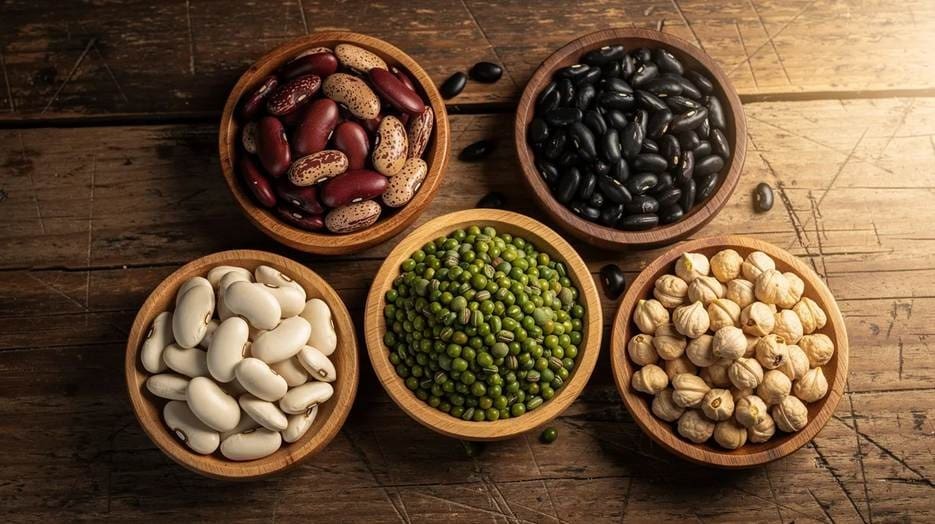
Beans, lentils, chickpeas, black beans, cannellini beans, and peas are central to clean food trends because they are inexpensive, filling, and nutrient dense. They are a good source of plant proteins, fiber, folate, potassium, iron, and magnesium, with very little saturated fat.
Beans and grains also work together beautifully. Rice and beans, lentils and rice, beans and barley, and chickpeas with bulgur can help supply essential amino acids across the day. This is one reason traditional cuisines have relied on these combinations for centuries.
From 2024 to 2026, interest has grown in bean-based pastas, lentil snacks, chickpea flour mixes, dips, and ready-to-heat meals. Functional foods that provide targeted health benefits beyond basic nutrition are gaining popularity, including nutrient-dense sea vegetables rich in omega-3s, vitamins, and antioxidants.
Beans and Gut Health: More Than Just Fiber
Beans contain resistant starches and fermentable fibers that nourish gut bacteria and may improve microbiome diversity. That can support immune function, appetite regulation, cholesterol, and metabolic health.
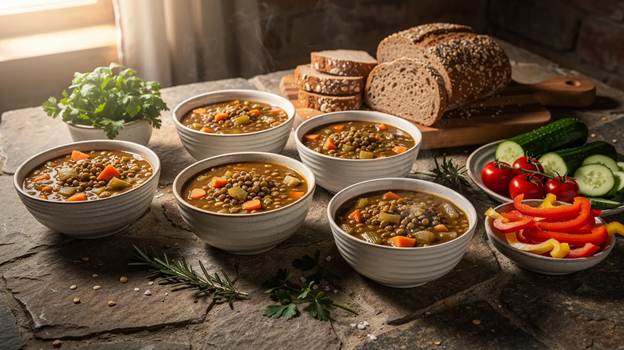
Gas can happen, especially when people jump from low-fiber eating to large portions. Soak dried beans, cook them well, rinse canned beans, and start small. A simple lentil soup with vegetables and olive oil is an easy example of a weeknight dish that is nutritious, satisfying, and gentle to build on.
Beans Across the Globe: Comforting, “Clean” Classics
Beans are not bland health food when treated as part of culture. Italian minestrone uses cannellini beans, Indian dal turns lentils into comfort, Mexican black bean bowls bring smoky heat, and the middle east offers dishes like mujaddara with lentils and grains.
These recipes usually rely on spices, herbs, vegetables, olive oil, and slow-cooked flavor instead of ultra processed foods or artificial sauces. They work in sweet and savory dishes, but beans especially shine in savory dishes where texture and seasoning matter.
Clean Food Meets Global Flavors: How Traditional Grains & Beans Are Evolving
In 2026, global flavors are expected to be highlighted in traditional grocery stores, moving beyond specialty markets, with major brands preparing to expand their offerings. Consumers are increasingly interested in international food trends, with ingredients like Dubai chocolate, matcha, and Turkish pasta gaining popularity.
The trend of incorporating global flavors into everyday meals is driven by a desire for variety and new culinary experiences, encouraging home cooks to explore recipes from different cultures. Harissa chickpea bowls, miso barley salads, turmeric and ginger lentil soups, and freekeh dishes make clean food feel exciting rather than restrictive.
The clean food movement is also integrating emotional wellness into dietary choices, with an increase in foods and drinks infused with clean adaptogens like ashwagandha and chamomile. Menus featuring ‘stress-busting’ ingredients like chamomile and ashwagandha have increased nearly 30% year-over-year, reflecting a growing trend towards emotional wellness in food. In 2026, consumers are increasingly seeking food products that align with their health and values, emphasizing sustainable sourcing and mood-supportive ingredients.
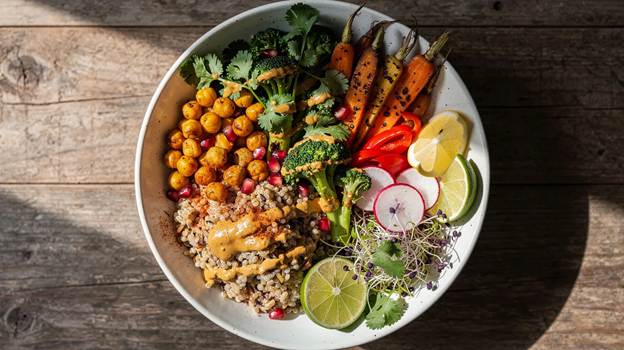
Examples of Whole Grain & Bean Dishes With Global Flair
A farro and chickpea tabbouleh is herb-forward, lemony, and chewy. A barley and lentil stew with cumin, coriander, and smoked paprika feels warming and substantial. A sorghum salad with black beans, roasted corn, lime, and jalapeño is smoky, tangy, and bright.
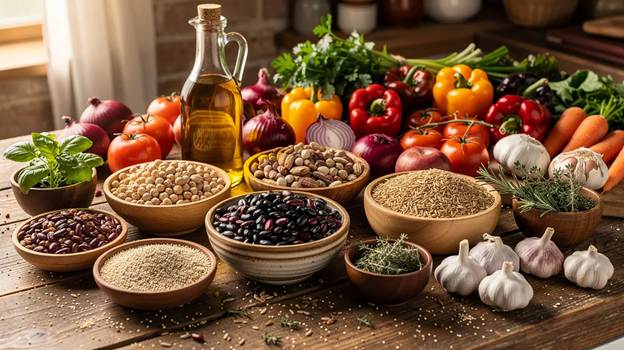
These dishes depend on food you can see and understand: grains, beans, vegetables, spices, herbs, and quality oils. The trend of functional foods is driven by consumer demand for products that provide health benefits beyond basic nutrition, with a focus on sustainability and emotional wellness, but the best versions still keep the ingredient list simple.
Making Clean Food Practical: How to Build Grain & Bean Habits That Last
The easiest way to make clean food last is to cook once and use the ingredients many ways. Cook a pot of brown rice, barley, farro, or lentils on Sunday, then turn it into salads, soups, side dishes, wraps, and grain bowls during the week.
Fast options count. Rolled oats, quick-cook farro, canned beans, frozen whole grain blends, and bean-based pasta make healthy eating realistic. Build a bowl with whole grains, beans, vegetables, healthy fats, and herbs. If weight loss is a goal, this style of eating can help with fullness, but the bigger focus should be balance, energy, and long term health.
Clean Food on the Go: From Lunchboxes to Road Trips
Portable options include whole grain salads in jars, hummus with whole grain crackers, bean dips with vegetables, and wraps filled with lentils or chickpeas. These meals travel well for workdays, hikes, road trips, and active weekends.
At Quarra Stone, we focus on durable, high-performing materials that stand the test of time. Whole grains and beans are similar in spirit: durable fuel for the body, not a short-lived trend.
How Clean Food Trends Reflect a Bigger Shift in Wellness Culture
The current clean eating landscape focuses on minimally processed, functional whole foods that prioritize long-term metabolic vitality, gut diversity, and simple ingredients. The rise of clean eating emphasizes radical transparency, the reduction of ultra-processed foods, and functional ingredients that prioritize both physical longevity and mental well-being.
People now judge meals by how they feel afterward: focused, satisfied, calm, energized. Clean food trends connect with sustainability, brain health, cardiovascular disease prevention, digestive health, and good health in a broader sense. Millet, sorghum, beans, and lentils can also support resilient agriculture, since many require fewer inputs than more resource-intensive foods.
From Fads to Foundations: Why Traditional Foods Endure
Blue Zones and other long-lived communities often center everyday meals on beans, grains, vegetables, and modest portions of other foods. A Harvard study found that individuals consuming four servings of whole grains daily experienced a 22% reduction in the risk of death from any cause, highlighting the health benefits of whole ancient grains compared to modern grains.
The lesson is not to chase every new product. The lesson is to return to foundations. As with good stonework, a diet anchored in whole grains and beans can outlast passing nutrition trends.
FAQs: Health Benefits of Whole Grains, Clean Food & Beans
Is eating more whole grains and beans expensive?
Usually, no. Oats, brown rice, barley, dried beans, and lentils are among the most affordable foods per serving. Premium ancient grains can be used as accents in meals, while batch cooking helps reduce waste and makes a pot of bean soup far cheaper than repeated takeout.
What if I’m sensitive to gluten but still want to follow clean food trends?
Many traditional grains are naturally gluten-free, including quinoa, buckwheat, millet, sorghum, and certified gluten-free oats. Beans, lentils, peas, and chickpeas are also gluten-free. If you have celiac disease, choose certified gluten-free products to avoid cross-contact.
How can I get kids or picky eaters to enjoy whole grains and beans?
Start gradually. Mix white rice with brown rice, blend beans into pasta sauce, or serve whole grain pasta with a familiar tomato sauce. Small portions, repeated exposure, and favorite toppings can make new textures feel less intimidating.
Do I have to give up all refined grains to eat “clean”?
No. Most nutrition guidance focuses on increasing whole grains, not eliminating every refined grain. Aim for at least half your grains as whole grains, then leave room for occasional foods you genuinely enjoy.
How long does it take to experience the internal health benefits of whole grains and beans after updating my diet?
Some people notice better fullness, digestion, and energy within days or weeks. Changes in cholesterol, blood pressure, and blood sugar often take months. The most significant health benefits come from consistent habits, not short bursts of perfection.