Key Takeaways
- In buckwheat vs wheat, the healthier choice depends on the person: whole wheat is nutritious for most people, while buckwheat is better for celiac disease, gluten intolerance, gluten ataxia, or a medically necessary gluten free diet.
- Buckwheat is naturally gluten free and not related to wheat; choose products labeled gluten free to avoid cross-contact.
- Whole grain foods, whether buckwheat or wheat, provide more fiber, vitamins, minerals, and health benefits than refined grains.
- Buckwheat often supports steadier blood sugar and blood pressure because it is rich in magnesium and rutin.
- For most people, both grains can fit into a balanced diet when eaten in minimally processed forms.
Introduction: Why Compare Buckwheat and Wheat?
Buckwheat has moved from old-world porridge bowls into modern gluten free foods, while wheat remains one of the world’s most common grain foods. That creates confusion: if both are starchy foods used in bread, noodles, and baked goods, which is actually healthier?
Here’s the practical answer: buckwheat is a pseudocereal seed, not a true cereal grain. Wheat is a grass-family grain. That botanical difference matters for gluten, allergies, cooking, nutrition, and everyday food choices.
Interest in naturally gluten free foods has grown from 2024 through 2026, especially among people managing celiac disease, wheat allergy, or other symptoms after eating wheat. This guide keeps the science simple and focuses on protein, dietary fiber, minerals, glycemic index, and gluten free living.
Buckwheat vs. Wheat: The Quick Comparison
Cooked wheat, such as whole wheat berries, cracked wheat, bulgur wheat, or Khorasan wheat, usually has more calories, protein, carbohydrates, and minerals per 100g because it is more energy-dense. A 100g serving of wheat provides 132 calories, which is 40 calories more than the 92 calories provided by the same serving of buckwheat. Wheat contains 5.71g of protein per 100g, making it a richer source of protein compared to buckwheat, which has 3.38g of protein per 100g.
Buckwheat wins for gluten free needs. Buckwheat does not contain gluten proteins and can be consumed as a great alternative to wheat for individuals with gluten-related disorders such as celiac disease. Consumption of wheat should be avoided for people with gluten-related disorders, as it will likely trigger the symptoms of the disease.
For blood sugar, processing matters. Buckwheat is often lower to moderate in glycemic impact than wheat flour products, especially sweet cereals and pastries with a high glycemic index. Still, intact whole wheat kernels can also be excellent.
What Buckwheat and Wheat Actually Are
Plant origin matters because it explains gluten, allergic reactions, and recipe performance. Buckwheat belongs to the Polygonaceae family, genus Fagopyrum, making it closer to rhubarb than to wheat. Wheat belongs to the Poaceae grass family, genus Triticum, and has been cultivated for thousands of years as a staple food.
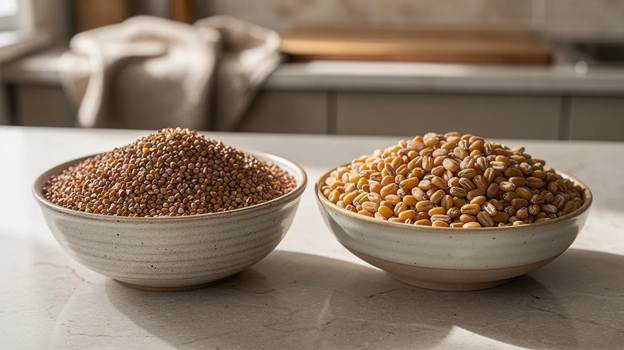
Buckwheat groats are triangular and dark, with a distinct earthy, nutty flavor that can overwhelm more delicate recipes. Wheat kernels are oval and may be golden, red, or purple, with a milder earthy taste. Buckwheat flour is commonly used to make traditional Japanese soba noodles, savory French galettes, and Russian blinis. Wheat is used in bread, pasta, whole wheat bread, cereals, pastries, and countless packaged foods.
Nutritional Profile: Buckwheat vs. Wheat
Nutrition numbers vary by variety and cooking method, but the broad pattern is consistent. Wheat has a higher carbohydrate content, with 27.6g of carbs per 100g compared to 19.94g in buckwheat, making it 6g richer in net carbs in some comparisons. Per 100g cooked, wheat also provides more fiber: a 100g serving of cooked wheat contains 4.3g of dietary fiber, while the same serving of cooked buckwheat contains 2.7g of dietary fiber.
Macronutrients and Fiber
Both grains are mostly carbohydrate, with small amounts of healthy fats and little saturated fat. Buckwheat contains all nine essential amino acids, including high levels of lysine, which wheat lacks. Whole wheat still provides more total protein per cooked serving, which can help muscle maintenance when paired with beans, eggs, yogurt, fish, or tofu.
Fiber is one of the biggest reasons to choose whole grain foods. Dietary fiber from wheat bran increases stool bulk and the frequency of bowel movements, making it easier to pass and can be used to treat constipation. Whole grains, including wheat and buckwheat, are known to help prevent constipation and diverticular disease by keeping the stool soft and bulky due to their fiber content. Refining removes much of the bran and wheat germ, reducing this benefit.
Vitamins and Minerals
Wheat is over two times richer in iron, zinc, phosphorus, and vitamin B3 compared to buckwheat, while buckwheat is richer in magnesium and vitamins B2, B6, and folate. Buckwheat is rich in magnesium, copper, and iron, offering higher nutrient density compared to traditional wheat in several key areas.
Neither food provides vitamin D or B12, so pair grains with a varied diet. If you have anemia, thyroid concerns, or mineral deficiencies, work with a clinician or dietitian rather than guessing from labels alone.
Gluten, Celiac Disease, and Gluten Intolerance
Gluten is a family of storage proteins, including gliadin and glutenin, found in wheat, barley, and rye. All common wheat varieties, including durum, spelt, einkorn, emmer, and Khorasan, contain gluten and are not safe for a gluten free diet.
Buckwheat is naturally gluten free, but farming and milling can contaminate it with wheat. For celiac disease or gluten ataxia, buy certified or labeled gluten free buckwheat, oats, and gluten free flours. The U.S. standard for gluten free labels is generally under 20 parts per million, according to FDA gluten-free labeling rules.
Celiac Disease and Gluten Ataxia
Celiac disease is an autoimmune condition in which gluten damages the small intestine, leading to malabsorption, weight loss, anemia, and long-term complications. Gluten ataxia is rarer, but serious, because gluten exposure can affect balance and coordination.
For these conditions, wheat, barley malt, malt flavoring, and hidden gluten sources must be removed. Anyone who suspects celiac disease should seek testing before starting a strict gluten free diet.
Wheat Allergy and Non-Celiac Gluten Intolerance
Wheat allergy is an IgE-mediated reaction to wheat proteins. Wheat allergy symptoms may include hives, swelling, breathing trouble, digestive distress, or anaphylaxis. Wheat allergy is most often reported in young children and may affect up to 1% of children in the U.S., with some individuals remaining allergic throughout their lives.
Non-celiac gluten intolerance can cause bloating, fatigue, brain fog, or other symptoms despite negative celiac and wheat allergy tests. Many people in this group do better replacing wheat with naturally gluten free foods like buckwheat, rice, brown rice, corn, quinoa, and certified gluten free oats.
Glycemic Index, Blood Sugar, and Blood Pressure
The glycemic index measures how quickly carbohydrate food raises blood sugar compared with glucose. The glycemic index of boiled buckwheat groats is 45, while whole wheat kernels have a glycemic index of 30±9, indicating that both have low glycemic index values when intact and minimally processed.
Problems usually come from refined grains, white rice, white bread, gelatinized starch, sugar-heavy cereals, and baked goods. Pair either grain with protein, vegetables, and healthy fats such as olive oil, nuts, or seeds to moderate glucose and insulin levels.
Impact on Heart Health and Metabolic Risk
Higher consumption of whole grains, such as whole-wheat bread and cereals, is associated with a reduced risk of developing type 2 diabetes. Whole grain intake is also linked with reduced risk of heart disease, coronary heart disease, cardiovascular disease, and possibly colorectal cancer, according to broad nutrition guidance from the U.S. Department of Health and Human Services.
Buckwheat is rich in rutin, a powerful antioxidant that supports heart health and blood vessel strength. Increased buckwheat intake may reduce cardiovascular disease risk markers, as well as glucose, total cholesterol, and triglyceride levels. Buckwheat and buckwheat-enriched products contain flavonoids that may benefit inflammatory bowel diseases, such as ulcerative colitis and crohn’s disease. These effects are promising, but no single grain replaces medical care.
Whole Grain vs. Refined: The Real Health Divider
Whether a grain is whole or refined often matters more than whether it is buckwheat or wheat. A whole grain keeps the bran, germ, and endosperm in their natural state. Refining turns kernels into white flour or fine wheat flour, removing much of the fiber, minerals, and health promoting nutrients.
Look for 100% whole wheat, whole wheat flour, whole buckwheat, or a recognized whole grain stamp. The grain stamp can help in most grocery stores, but always read ingredients. Many crackers, sauces, soups, processed meats, and candies contain modified food starch or wheat-based thickeners. Also check for trans fats, added sugars, and excess sodium.
For most people without celiac disease, wheat allergy, or gluten intolerance, gluten itself is not harmful. Whole wheat can be a valuable part of a healthy diet. For people who must avoid gluten, similar benefits can come from naturally gluten free whole grains and other grains such as millet, teff, amaranth, buckwheat, and rice.
Practical Tips: Choosing Between Buckwheat and Wheat in Everyday Eating
Use buckwheat instead of wheat when you need distinct nutritional benefits, particularly for gluten-free diets. Whole buckwheat groats can be boiled and served like rice or oats, or toasted to create a crunchy salad topping. Buckwheat lacks gluten, which affects its ability to rise in baking without adding binders or blending with flours.
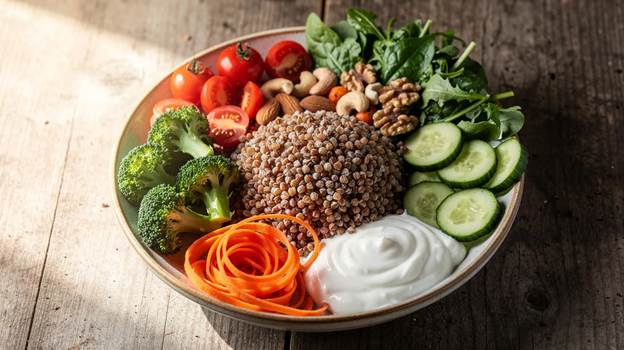
If you tolerate wheat, choose whole wheat pasta, whole wheat sourdough, cracked wheat salads, or bulgur wheat instead of refined pastries. If you need gluten free foods, choose certified buckwheat porridge, 100% buckwheat soba, kasha pilaf, or buckwheat pancakes.
In grocery stores, do not assume “brown” means healthy. Check whether whole grain appears first. For strict gluten avoidance, avoid bulk bins, shared scoops, and packaged foods with unclear ingredients.

FAQ: Buckwheat vs Wheat Sustainable Farming & Organics
Is buckwheat completely safe for people with celiac disease?
Pure buckwheat is naturally gluten free and safe for celiac disease, but cross-contact with wheat can happen during harvesting, transport, or milling. Choose buckwheat products labeled gluten free and avoid bulk bins unless the store has strict allergen controls.
Can I consume both buckwheat and wheat together while maintaining a health plan focused on sustainable farming & organics?
Yes, if you do not have celiac disease, wheat allergy, gluten ataxia, or gluten intolerance. A varied pattern that includes buckwheat, wheat, barley, oats, brown rice, corn, and other grains can broaden flavor, texture, and nutrition.
Is buckwheat better than wheat for weight loss?
Buckwheat is not a magic weight loss food. It can feel filling because of texture and fiber, but whole wheat can also support fullness. The bigger issue is portion size, sauces, toppings, sweets, and whether your overall diet helps you eat in a sustainable calorie range.
Are ancient wheat varieties like spelt or einkorn safer than regular wheat?
No for medically gluten free diets. Spelt, einkorn, emmer, and Khorasan may taste different and may contain slightly different nutrients, but they still contain gluten and are unsafe for celiac disease or gluten ataxia.
How can I tell if a product is really whole grain?
Do not rely on color. Look for “100% whole wheat,” “100% whole grain,” “whole buckwheat,” “whole rye,” or “whole oats” near the start of the ingredient list. A whole grain stamp is useful, but the ingredient list is still your best check.