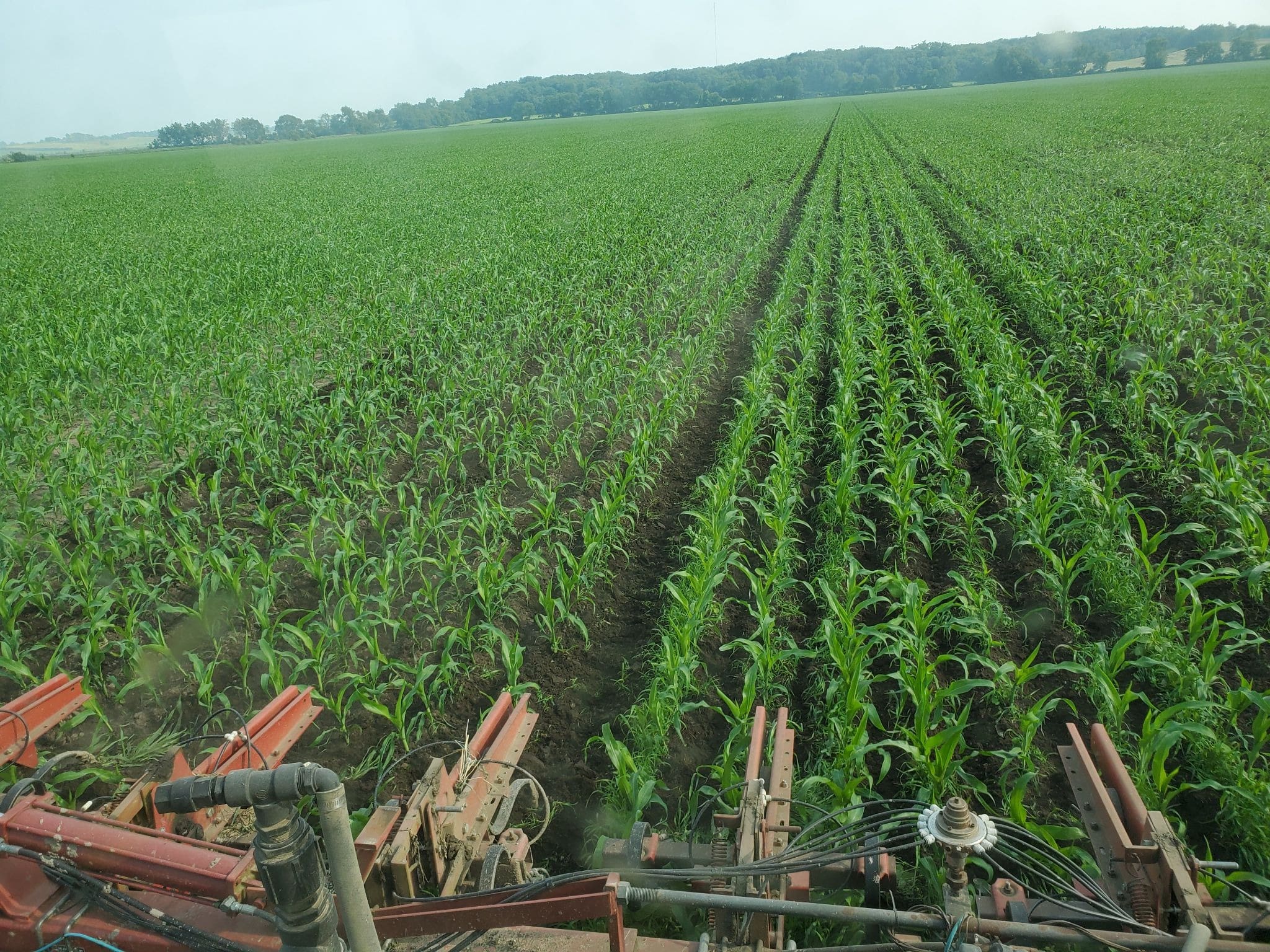
Most years, our neighbors plant in early May. We watch them. We wait.
For three weeks after the chemical fields next door are planted — treated seeds in the ground, pre-emergent herbicides in the soil — we do not plant anything. We cannot. To maintain our organic certification and protect our crops from cross-contamination, we hold. The growing season starts ticking for everyone else while our fields sit ready but empty.
That three-week wait is one small, rarely discussed fact about what organic farming actually requires. It is not symbolic. It costs us yield. It compresses our window. And it is not optional.
This is not a complaint. We made the choice to farm this way, and we stand behind it completely. But when people ask why organic food costs more or whether organic certification is worth the hassle, this is the kind of answer that rarely gets told. So here it is, from the inside.
Key Takeaways
- Organic farmers must wait three weeks after neighboring chemical fields are planted to avoid cross-contamination — shortening an already compressed growing season.
- Organic certification requires ongoing documentation, inspections, and compliance with standards covering soil, seeds, inputs, and practices.
- Without synthetic herbicides, weed control requires more labor, more passes through the field, and more planning.
- Cross-contamination risk from neighboring conventional farms is a real, active challenge — not a hypothetical.
- The additional cost of organic food reflects real labor, real constraints, and real choices made by real farmers.
The Three-Week Wait: Why Cross-Contamination Is a Constant Reality
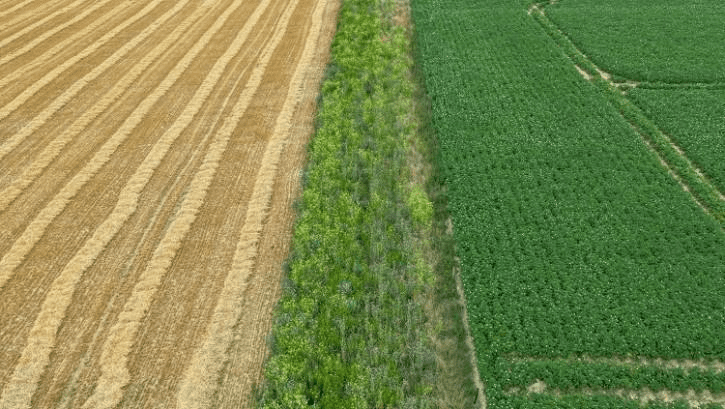
Doudlah Farms is a certified organic operation in southern Wisconsin. Like most farms, we do not exist in isolation. Our fields border land farmed conventionally — with treated seeds, synthetic fertilizers, and herbicide applications that begin in early spring.
The problem is drift and runoff. When conventional fields are planted — especially with pre-emergent herbicides that persist in soil and air — those chemicals do not respect property lines. Wind carries particulates. Rain moves surface applications. For a certified organic farm, any detectable contamination from prohibited substances can jeopardize certification and, more practically, undermine the entire reason we farm the way we do.
Our answer: We wait three weeks after neighboring fields are planted before we put seed in the ground. This gives the initial chemical applications time to settle, reduces drift exposure during the critical germination window, and keeps our certification clean.
Three weeks sounds manageable. In farming, it is significant. Wisconsin’s growing season is not long to begin with. Every week of planting delay is a week off the back end of the season — tighter harvest windows, higher exposure to early frost, compressed time for late-season varieties to mature. We plan around it every year, but we never stop feeling it.
Organic Certification: What It Actually Requires
When consumers see a USDA Organic label, they might think of a standard met once and maintained passively. In practice, organic certification is an ongoing, active, documented commitment. At Doudlah Farms, we maintain certification through MOSA (Midwest Organic and Sustainable Education Service), and the process is thorough.
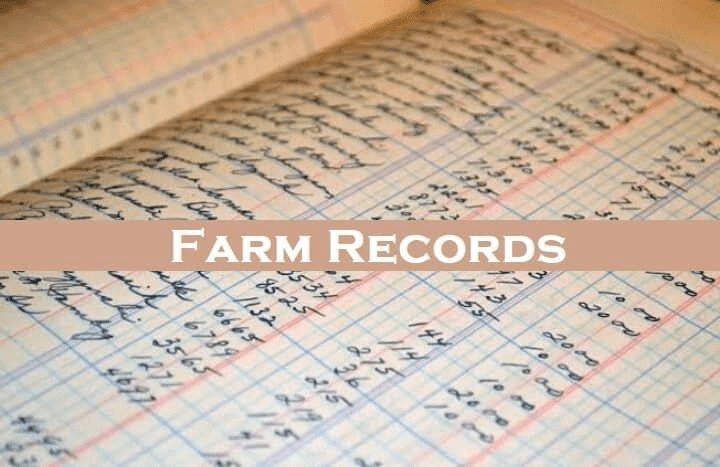
The Documentation Load
Every field, every input, every crop has to be documented. That means:
- Field histories showing no prohibited substances for at least three years before certification begins
- Records of every seed purchased — with documentation that seeds are organic (or proof of non-availability when organic seeds cannot be sourced)
- Logs of every input applied to soil or crops, reviewed against the National List of Allowed and Prohibited Substances
- Harvest records, storage records, and sales records that trace product from the field to the buyer
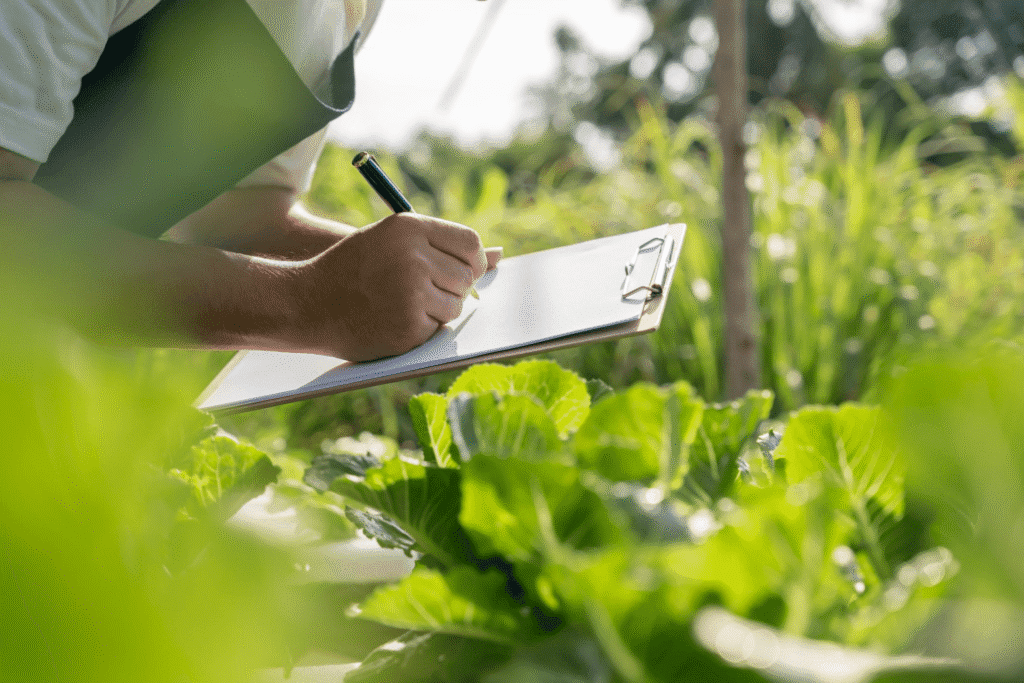
An inspection happens every year. An inspector walks the fields, reviews the paperwork, checks the storage areas, and asks questions. There is no phoning it in. If the records are incomplete or something looks off, certification is at risk.
Inputs: You Cannot Just Spray Your Way Out of a Problem
This is where organic farming is hardest. Conventional farmers have access to a large toolkit of synthetic pesticides, herbicides, fungicides, and fertilizers. When a pest population spikes or a weed emerges, there is usually a product for it.
Organic farmers work from a much narrower approved list — and many of the approved inputs are less effective, more labor-intensive to apply, or more expensive than their conventional equivalents. Some problems that conventional farmers solve with a single pass of a sprayer require organic farmers to:
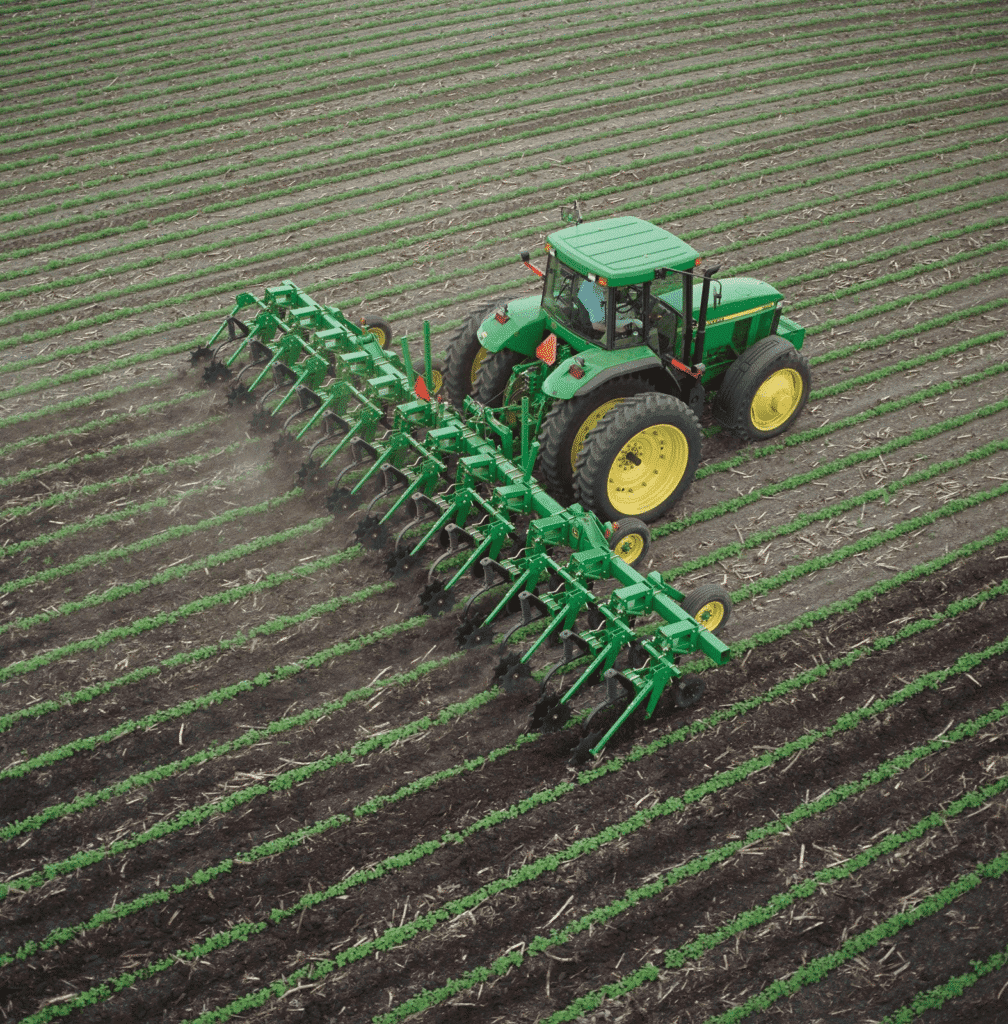
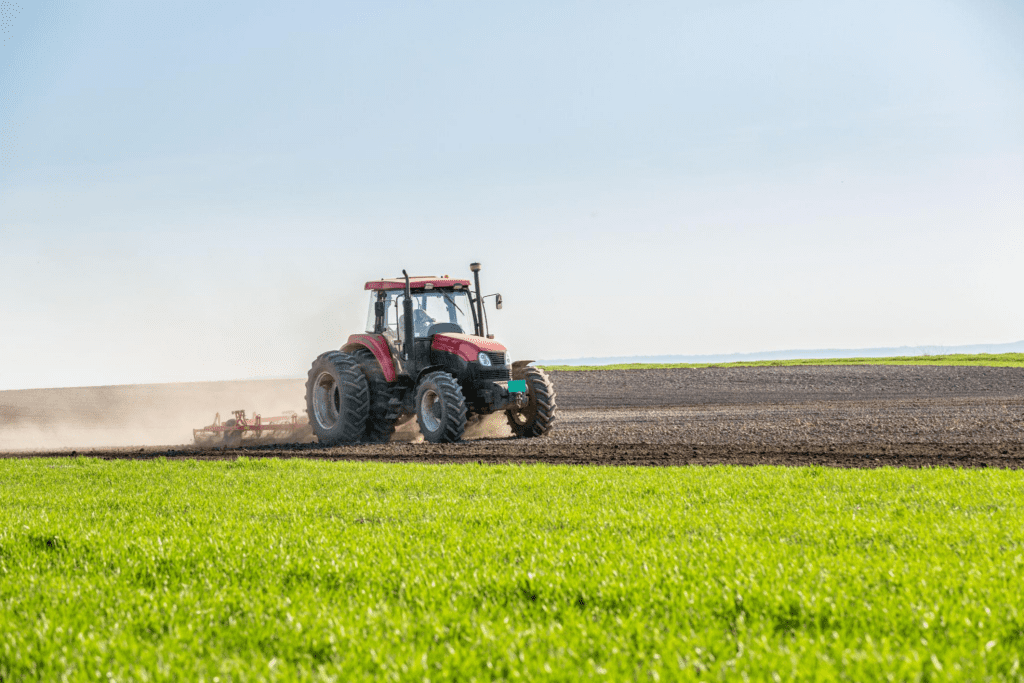
- Cultivate mechanically — multiple tractor passes between rows
- Hand-weed — particularly in areas machinery cannot reach
- Time planting to outcompete weed germination cycles
- Use cover crops strategically to suppress weed pressure before cash crops go in
Each of these takes time. Time is the most finite resource on a farm.
Organic vs. Conventional Farming: The Real Differences
The comparison between organic and conventional farming is often reduced to a single question about pesticides. That misses most of the picture.
Soil Management
Conventional farming can rely on synthetic fertilizers to replace what crops remove from the soil. Organic farming has to build fertility from within — through compost, green manures, cover crops, and practices that encourage biological activity. This takes longer, costs more upfront, and requires patience over seasons rather than seasons over inputs.
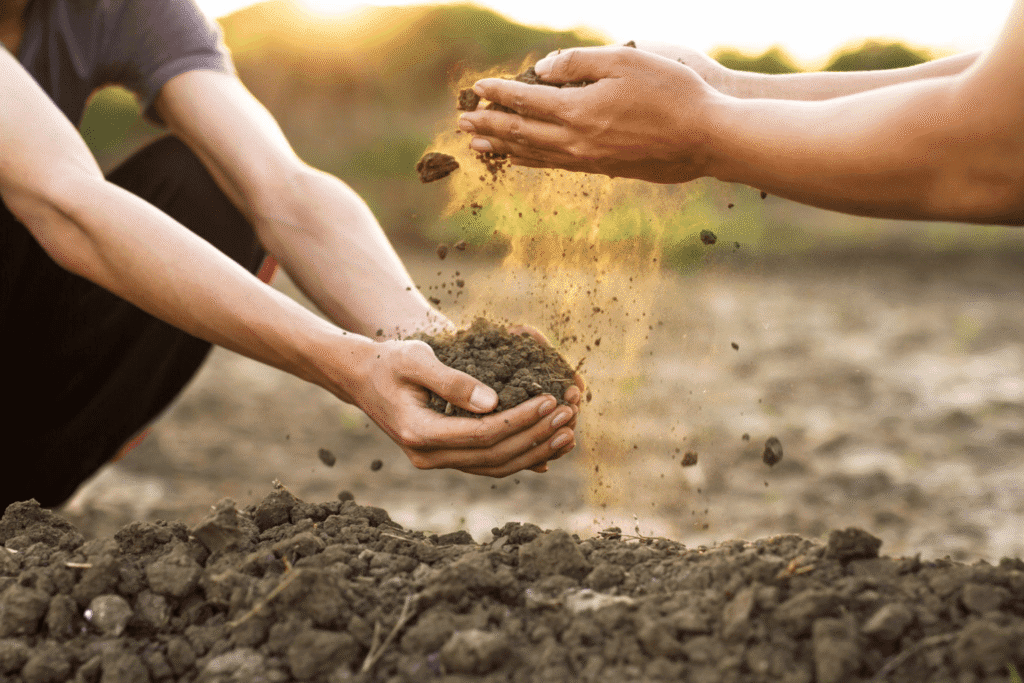
At Doudlah Farms, we also farm Biodynamic — a certification that goes beyond organic in its approach to the farm as a living system. This means planning around soil biology, crop rotations, and farm-wide ecosystem health, not just yield.
Weed Control
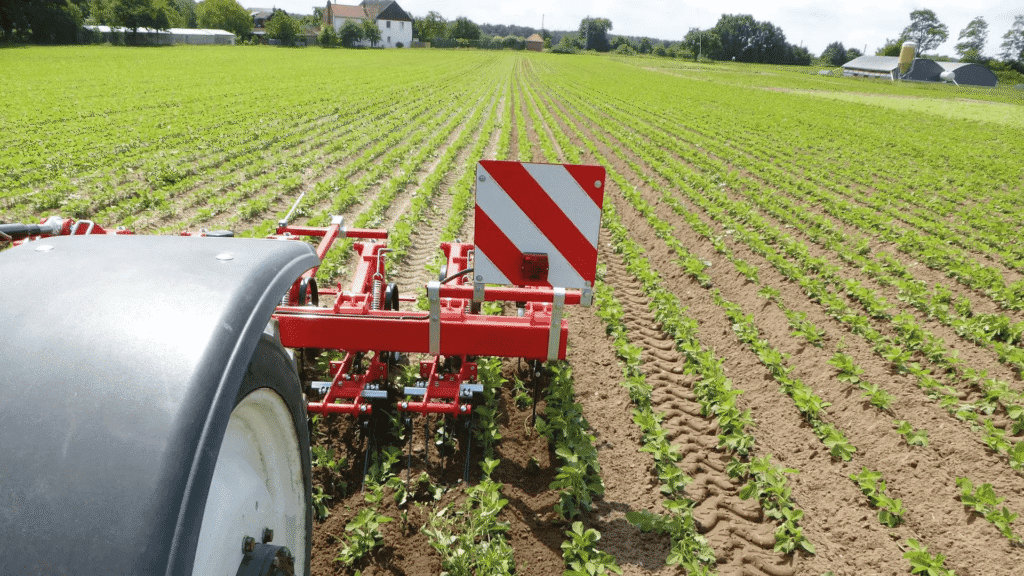
Without herbicides, weed control is one of the most labor-intensive aspects of organic farming. We use cultivation equipment to mechanically disrupt weed growth. We time operations to match weed vulnerability windows. We choose varieties that establish quickly to compete. And still, there are hands-on days in the field that conventional farmers simply do not have.
Pest and Disease Management
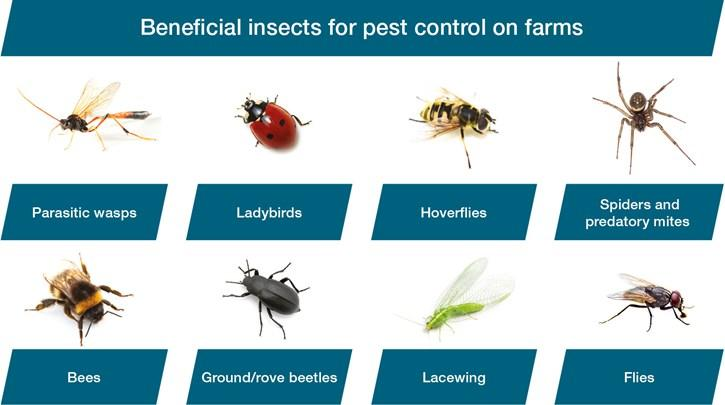
Organic pest management is preventive by nature. It requires deep knowledge of pest life cycles, beneficial insect populations, and crop rotation sequences that break pest cycles before they establish. When problems do occur, organic-approved interventions are often slower-acting and require more precise timing than conventional alternatives. Getting it wrong costs more.
Learn more about our certifications and standards →
Why the Organic Growing Season Is Shorter — and Harder
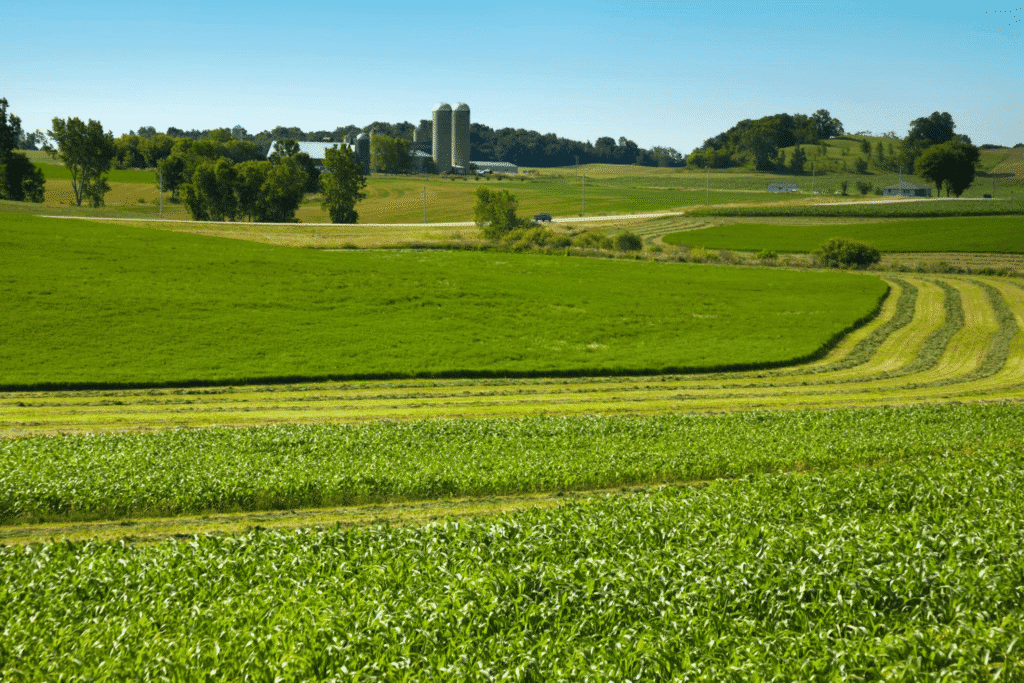
The three-week wait is one of several factors that compress what is already a demanding Wisconsin growing season. Here is a more complete picture of what shortens it:
- Spring chemical drift from neighbors — we cannot plant until the risk window passes
- Cover crop timing — we keep the ground covered between cash crops, which requires careful coordination around planting windows
- Mechanical cultivation — additional passes through the field take time and can only happen in certain soil moisture conditions
- Longer crop rotation cycles — we cannot plant the same crop in the same field year after year, which means some highly productive land sits in rotation with crops that are lower revenue
All of this compresses into a season that is already defined by Wisconsin weather — late springs, early fall frosts, and unpredictable windows in between. Conventional farmers in the same county are not waiting three weeks. They are in the ground the moment conditions allow.
Why Organic Food Costs More — The Honest Answer
This is the question we hear most, and it deserves a straight answer. Organic food costs more because:
- Labor costs are significantly higher — weed control, certification record-keeping, and more complex management all require more time and people
- Organic inputs (seeds, approved pesticides, compost) cost more than their conventional equivalents
- Yields are often lower — especially in the early years of conversion, or when pest or weed pressure is high without a quick synthetic fix
- Certification itself is not free — annual inspection fees, membership costs, and the administrative load of documentation add up
- Risk is higher — an organic crop that gets contaminated by a prohibited substance, hit by a pest that cannot be controlled with approved inputs, or impacted by a drift event has fewer recovery options
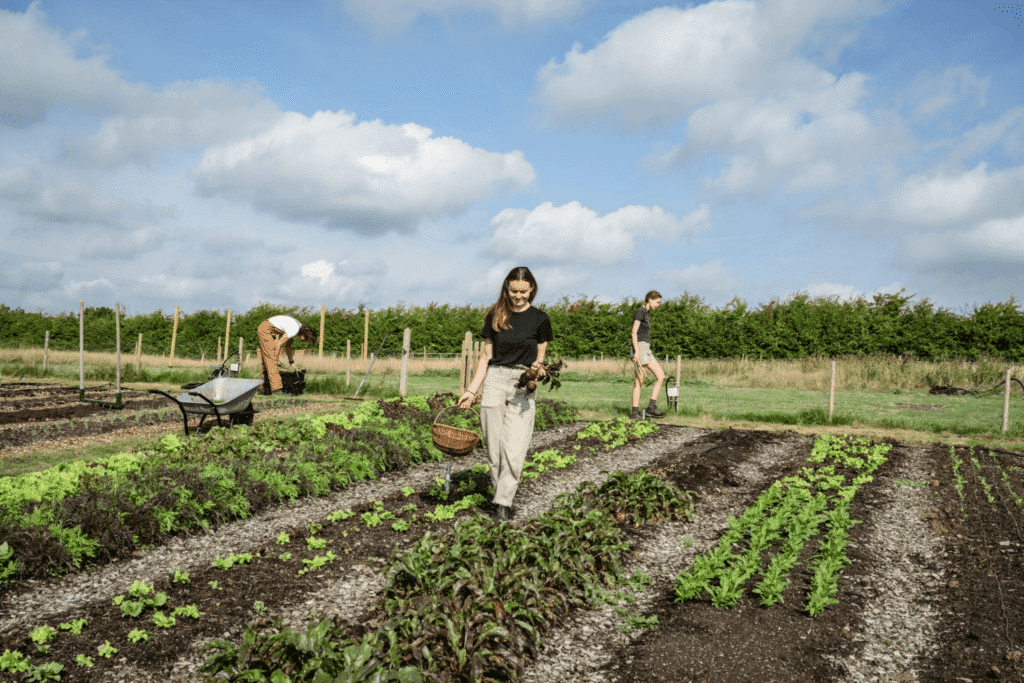
When you buy Doudlah Farms products, you are not paying for a label. You are paying for the three-week wait. The extra cultivation passes. The inspector’s visit. The test results show clean from 220+ chemicals. The sixth-generation commitment to a way of farming that does not cut corners because corners, on an organic farm, are where the certification lives.
See our tested-clean results →
What Goes Right When It Works
None of this is told to discourage. It is told because the work matters — and the work works.
Sixth-generation farming on Wisconsin land has taught our family that soil rewards patience. Fields that have been managed organically for decades are biologically richer, more resilient in drought, and more productive per input than fields dependent on synthetic shortcuts. The constraints of organic farming are often the same forces that make the food better.
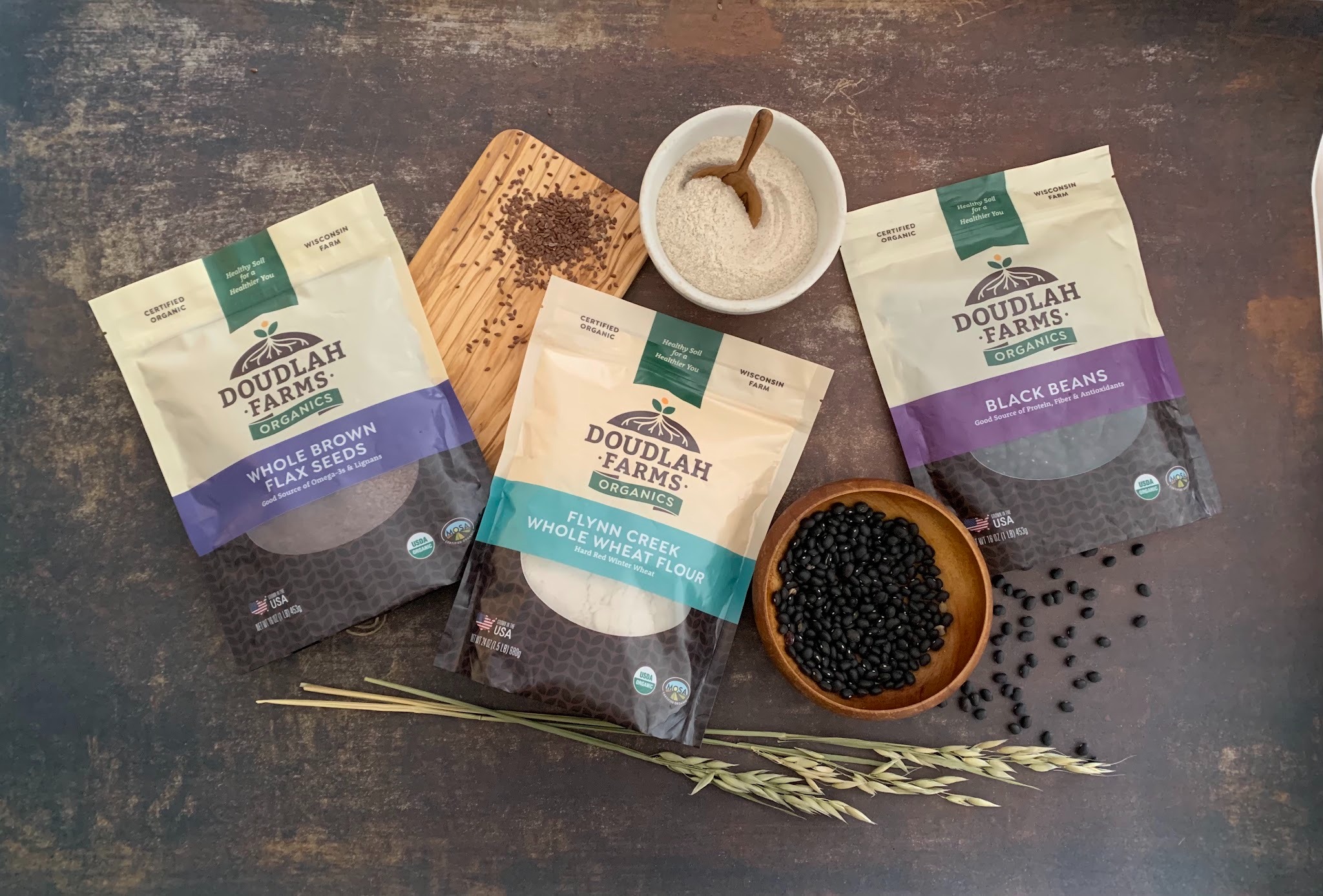
The beans we grow in soil managed without synthetic chemicals for years test cleaner, taste different, and hold their texture in ways that matter. The sunflower seeds carry the flavor of the ground that is alive with biology. The stone-ground flours come from grains that grew in soil we know intimately, not soil that was replaced by chemistry.
That is what the extra work is for.
Shop beans, flours, and seeds grown the hard way →
Frequently Asked Questions About Organic Farming Challenges
Why are day-to-day organic farming challenges significantly harder to manage than conventional methods?
Organic farming is harder than conventional farming because it prohibits synthetic pesticides, herbicides, and fertilizers — removing the tools conventional farmers rely on most. Without these inputs, organic farmers must control weeds mechanically, manage pests preventively, build soil fertility through biological processes, and navigate a much narrower list of approved materials. Combined with rigorous annual certification requirements and additional risks like cross-contamination from neighboring conventional operations, the management demands are significantly greater.
What are the biggest organic certification challenges?
The biggest organic certification challenges include maintaining complete documentation of all field inputs, seeds, harvests, and sales; passing annual third-party inspections; sourcing certified organic seeds; complying with strict input restrictions; and protecting crops from contamination by prohibited substances used on neighboring properties. At Doudlah Farms, we must also manage buffer zones along conventional farm borders to prevent cross-contamination.
How does cross-contamination affect organic farms?
Cross-contamination from neighboring conventional farms is a genuine and ongoing risk for organic operations. Prohibited pesticides and herbicides can drift via wind, move via water runoff, or be carried by equipment. For certified organic farms like Doudlah Farms, detectable levels of prohibited substances can jeopardize certification status. To manage this risk, we maintain a 35-foot buffer zone from neighboring fields and delay planting for three weeks after neighboring chemical applications, which shortens our growing season.
Why does the organic growing season feel shorter?
The organic growing season is functionally shorter because of constraints that conventional farmers do not face. These include waiting periods after neighboring chemical applications to prevent cross-contamination, more complex planting schedules driven by multi-year crop rotations, and additional time required for mechanical weed control. At Doudlah Farms in Wisconsin, we typically wait three weeks after neighboring conventional fields are planted before we begin our own planting, which compresses an already limited growing window.
Why does organic food cost more?
Organic food costs more because the farming system that produces it requires more labor, more time, more complex management, and more documentation than conventional farming. Organic inputs are generally more expensive, yields are often lower, especially when pest or weed pressure is high, and certification itself carries ongoing administrative and inspection costs. The price of organic food reflects the real cost of farming without synthetic shortcuts — not a marketing premium.
Is organic farming worth the extra work?
For Doudlah Farms, yes — unequivocally. The constraints of organic farming are the same practices that build long-term soil health, reduce chemical exposure for families who eat our products, and produce food that is genuinely cleaner by every measurable standard. Our products are tested free from over 220 chemicals, including glyphosate. That is not something you can achieve by cutting corners on the work. The work is the point.
Healthy soil grows healthy food. It really is that simple — and that hard. Shop Doudlah Farms: doudlahfarms.com/shop