Sprouting transforms a dry, dormant bean into a crisp, living food packed with nutrients your body can actually absorb. At Doudlah Farms, we think of sprouted beans as one of the easiest whole-food upgrades you can make on your kitchen counter, year-round.
Key Takeaways
- Sprouted beans are easier to digest than unsprouted beans because the sprouting process breaks down compounds like phytic acid, trypsin inhibitors, and gas-causing oligosaccharides.
- Sprouting increases levels of key vitamins, particularly vitamin C and B vitamins, while enhancing antioxidant activity and mineral absorption.
- Bean sprouts may help lower blood pressure, reduce LDL cholesterol, and support steadier blood sugar, making them useful for heart health and metabolic balance.
- Raw sprouts can harbor harmful bacteria (Salmonella, E. coli, Listeria); pregnant women, older adults, young children, and anyone with a compromised immune system should eat sprouts fully cooked.
- You can grow bean sprouts at home with nothing more than a jar, water, and a dish towel; the whole sprouting process takes 1 to 6 days, depending on the bean type.
Sprouted Beans Basics: What They Are and Why They Matter
Sprouted beans are legumes that have just begun germination. After soaking in water, the seed shifts from a dormant state into a tiny growing plant, using its stored starch as fuel. That metabolic shift changes the bean’s nutrient content, flavor, and digestibility. Compared with fully cooked unsprouted beans, sprouted beans have a crisp texture, a milder taste, and less starchiness.
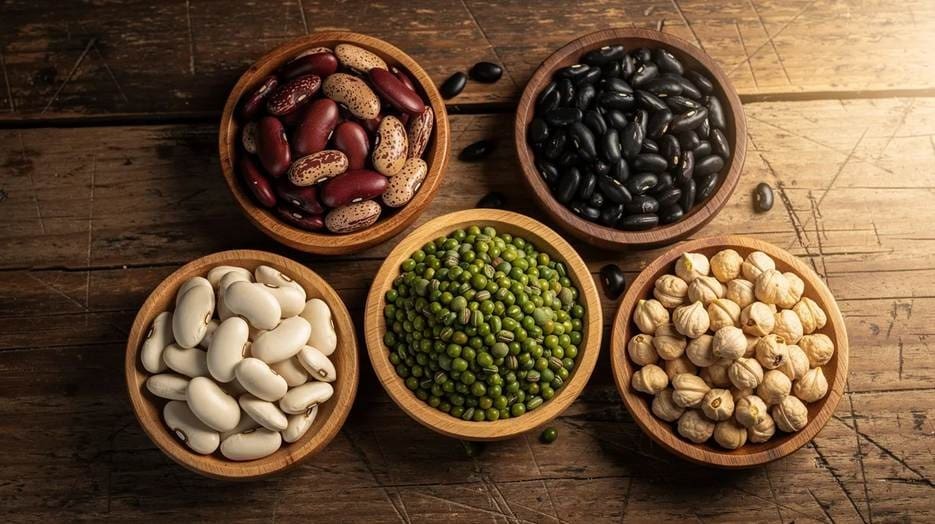
Bean sprouts on grocery labels usually mean mung bean sprouts. Other sprouted legumes (lentils, chickpeas, soybean sprouts) are typically labeled by name. These differ from broccoli sprouts and alfalfa sprouts: broccoli sprouts concentrate glucosinolates, while alfalfa sprouts are milder and leafier. All are nutrient-rich plant foods, but each brings a distinct flavor profile and set of phytonutrients.
At Doudlah Farms, sprouted beans fit our regenerative approach because sprouting is a minimally processed technique that turns simple pantry seeds into fresh, living food without added inputs.
Health Benefits of Sprouted Beans
Sprouting changes both the nutrient content of beans and the way our bodies use those nutrients. Consuming sprouted beans enhances nutrient bioavailability because the germination process activates enzymes that break down compounds blocking absorption.
Sprouting increases levels of key vitamins, particularly vitamin C and B vitamins. In one study of legumes, mung beans went from about 11.7 mg of vitamin C per 100g dry weight to roughly 285 mg after five days of sprouting. Sprouting also enhances antioxidant activity in beans; white bean antioxidant capacity nearly doubled from 68.4 to 123.8 μmol TE/g dry weight. These antioxidants may reduce cancer risk and help protect against degenerative diseases over time.
Sprouted beans can support heart health through several mechanisms. Bean sprouts may lower LDL cholesterol levels and can increase HDL cholesterol levels. They may also lower triglyceride levels in the blood and help regulate blood pressure levels. One study on sprouted adzuki beans in diabetic mice showed that bean sprouts improve heart health in diabetics, reducing triglycerides by about 33% and total cholesterol by about 49%. These results point toward reduced risk factors for cardiovascular disease and heart disease.
Sprouted beans have a lower glycemic index and help stabilize blood sugar. Bean sprouts may improve insulin function and lower blood sugar, which matters for anyone managing energy levels or monitoring metabolic health. The fiber in sprouted beans also supports weight management by increasing satiety without adding many calories.
Emerging research on compounds like GABA is worth noting. Chickpeas showed an 18-fold rise in GABA over five days of germination, reaching about 210 mg per 100g dry weight. GABA plays a role in blood pressure regulation, stress response, and sleep. Sprouts are a supportive food in this context, not a stand-alone treatment.
Sprouted Beans and Digestive Health
Many people avoid beans because of gas and bloating. Sprouting addresses the root causes of that discomfort.
Sprouting reduces phytic acid, which binds minerals such as iron and zinc and interferes with their absorption. In a study of pulses, lentils lost up to 75% of their phytic acid after 48 hours of germination; mung beans lost 30 to 40%. Trypsin inhibitor activity dropped by about 39%, and tannins increased up to 5.8-fold in mung beans. Sprouted beans are easier to digest than unsprouted beans because these enzyme-blocking and mineral-chelating compounds are broken down during germination.
The starch profile also shifts: resistant starch declines, digestible starch increases, and less undigested material reaches the colon for fermentation and gas production. In one study on biofortified common beans, sprouting plus cooking reduced stachyose (a gas-causing oligosaccharide) by about 82% and raffinose by about 76%.
Fiber in sprouted beans feeds beneficial gut microbes, producing short-chain fatty acids such as butyrate that support colon health and immune function. Animal studies showed that sprouted adzuki beans shifted gut bacteria toward beneficial strains like Akkermansia.
Start with small servings of sprouted lentils or mung beans, then increase gradually. People with IBS or very sensitive GI tracts may still experience symptoms; working with a healthcare provider is a reasonable step if discomfort persists.
How to Sprout Beans at Home (Step-by-Step)
You can grow bean sprouts at home without special equipment. All you need is a large bowl or wide-mouth jar, a breathable cover, clean water, and quality dry beans.
Choose your beans. Mung beans and lentils are the most beginner-friendly; they sprout fast and tolerate minor mistakes. Chickpeas and soybeans also work but take longer and produce firmer own sprouts.
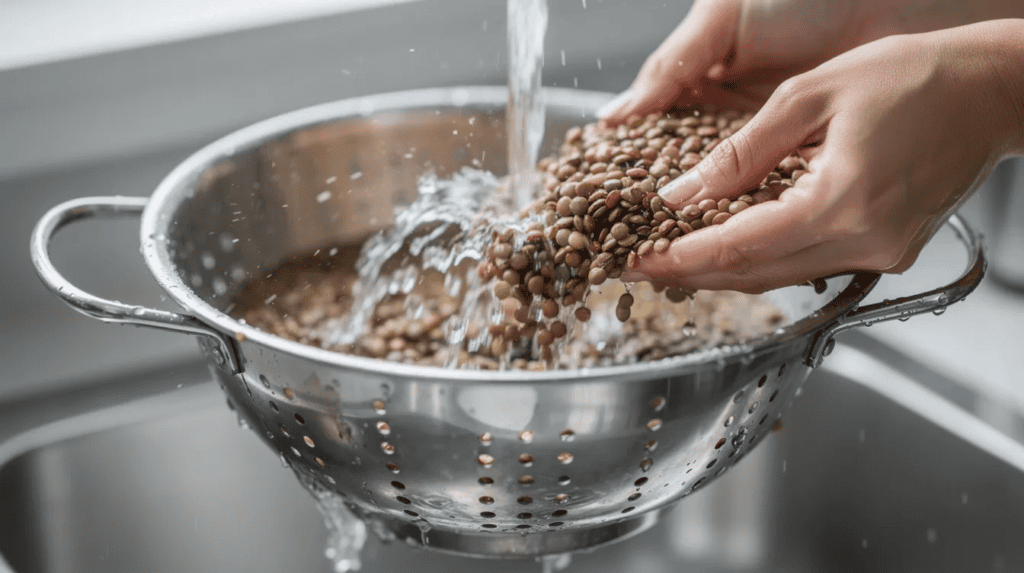
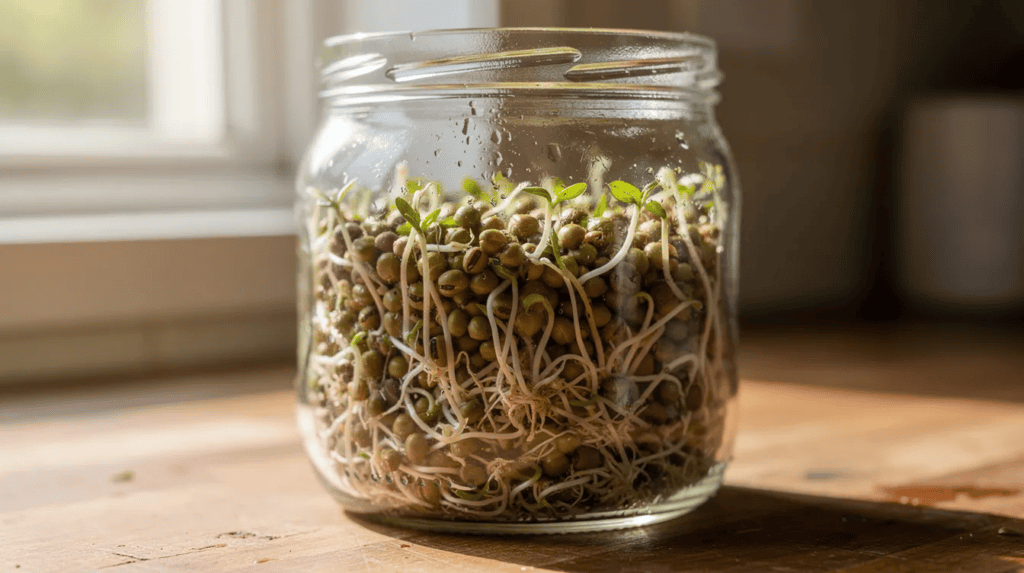
Soak. Rinse your beans, place them in a jar or large bowl, and cover with plenty of cool water. Soak smaller lentils for 4 to 6 hours; soak mung beans and chickpeas for 8 to 12 hours. Keep the container in a dark or covered spot at room temperature.
Drain and rinse. After soaking, drain all water. Rinse and drain 2 to 3 times each day, keeping the beans slightly moist but never submerged. Cover the jar with a dish towel or cheesecloth secured with a rubber band. Store at room temperature, out of direct sunlight.
Wait. Lentil sprouts appear in roughly 1 to 3 days. Thicker, crunchy mung bean sprouts (the kind you see in Asian cooking) take 4 to 6 days to grow. Growing sprouts is mostly hands-off; the rinsing cycle is the main task.
Check for doneness. Look for pale, crisp sprouts about ¼ to ½ inch long. Discard any batch with a foul smell, sliminess, or visible mold. Doudlah Farms encourages the use of organic, food-grade seeds and good kitchen hygiene when growing bean sprouts at home.
Using Sprouted Beans in Everyday Meals
Treat sprouted beans as a flexible ingredient you toss into meals you already make, not a specialty health food.
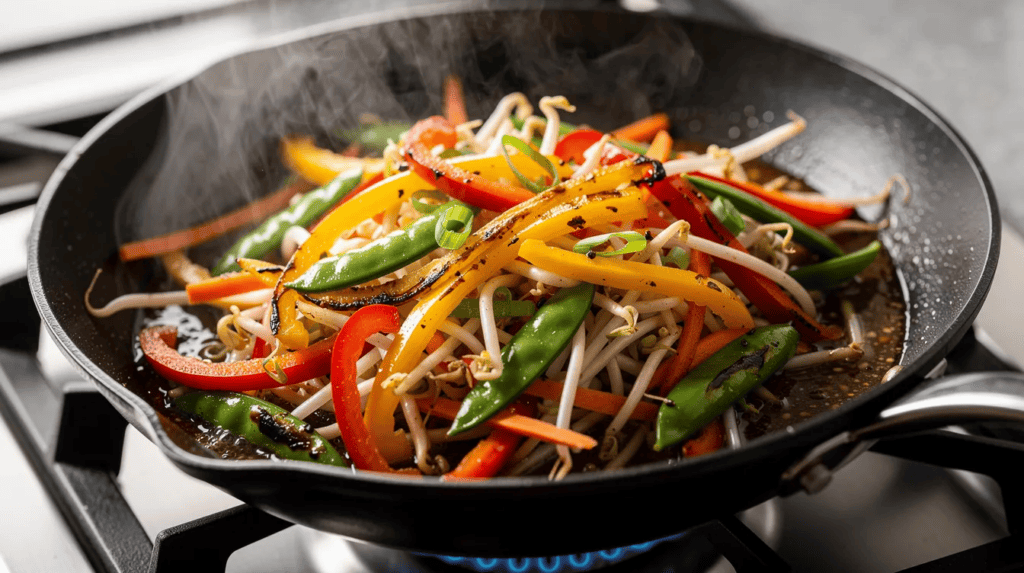
Raw or lightly cooked sprouts work well in salads, rice bowls, spring rolls, and sandwiches when safe to do so. Mung bean sprouts add crunch and fresh flavor to cold dishes. For cooked applications, add them to stir-fries, soups, stews, or quick sautés where sprouts are heated through but still have some bite. Cooked sprouts lose a fraction of heat-sensitive vitamins and minerals but gain safety against harmful bacteria.
Lentil sprouts and sprouted chickpeas bring more protein to plant-forward meals. Fold them into grain bowls with whole grains and seasonal vegetables, blend them into sprouted hummus, or mix them into veggie burger patties. Pairing sprouted beans with sprouted grains, fermented foods, and healthy fats rounds out both flavor and nutrient content.
For Doudlah Farms customers: toss sprouts over farm-fresh salad mixes, pile them onto pasture-raised egg dishes, or stir them into a simple broth alongside whatever is in season.
Nutrition Snapshot: What’s Inside Sprouted Beans?
One cup of raw mung bean sprouts contains 31 calories, making them one of the lowest-calorie ways to add nutrients to a meal. That same cup provides about 13% of the RDA for vitamin C and 2.7 grams of protein. Bean sprouts are rich in folate, manganese, and phosphorus, and they contain meaningful amounts of vitamin K and magnesium. They are also a good source of vitamin C and iron.
While the total protein per cup of sprouts is less than that of a cup of fully cooked dried beans, the germination process improves protein quality and digestibility, making sprouted beans a practical plant protein source. Soybean sprouts and lentil sprouts tend to carry more protein per serving; mung bean sprouts are higher in water and fiber, which support hydration and gut health.
Sprouting increases the levels of antioxidants and bioactive compounds compared with unsprouted seeds. Exact nutritional value varies by bean type, sprouting time, and whether you eat sprouts raw or cooked, so these values are approximate. For anyone tracking macros, think of sprouted beans as low-calorie nutrient boosters you can add generously.
Safety, Risks, and Who Should Be Careful
The same warm, humid conditions that help beans sprout also allow harmful bacteria like E. coli, Salmonella, and Listeria to thrive if contamination occurs. Raw bean sprouts have been linked to nearly 40 disease outbreaks since 1990, and sprouts are considered one of the top 10 riskiest foods by food safety researchers.
Pregnant women, young children, older adults, and anyone with weakened immune systems are usually advised to avoid raw sprouts entirely. Cooking sprouts is the safest way to consume them; simmering in soups or stir-frying until steaming hot reduces bacterial risk to near zero. Certain beans (like kidney beans) still need to be cooked even after sprouting due to residual toxins like lectins.
Practical safety tips:
- Use clean, preferably organic beans from a trusted source.
- Sanitize jars and sprouting equipment before each batch.
- Rinse sprouts well during the sprouting process.
- Sprouts must be stored below 40°F (4°C) to prevent spoilage.
- Discard anything that smells off, feels slimy, or shows mold.
If you have a soy or peanut allergy, note that it may extend to certain bean sprouts. Consult a healthcare provider if there is any doubt. Doudlah Farms emphasizes safe, mindful preparation and encourages listening to your body when adding new foods to your eating routine.
Sprouted Beans and a Whole-Food, Farm-Centered Lifestyle
Sprouting turns simple pantry beans into fresh, living food on your kitchen counter. That process connects to the broader values behind regenerative farming: working with biology rather than against it, and choosing nutrient-dense food grown with care for the land.
Regularly including sprouted beans alongside other minimally processed foods (whole grains, seasonal produce, pastured eggs, healthy fats) can reduce the risk of chronic conditions and support long-term vitality. The potential health benefits of these small dietary additions compound over time.
Try one new sprouted bean recipe per week. Pay attention to how you feel: energy, digestion, mood. Adjust sprout types and serving sizes to fit your body. A single jar of sprouting beans on your counter is one of the simplest, most consistent habits you can build, and small, consistent habits add up in human nutrition.
Sprouted Beans FAQ
These brief Q&A entries clarify common concerns not covered in the sections above.
How long do homemade sprouted beans last in the refrigerator?
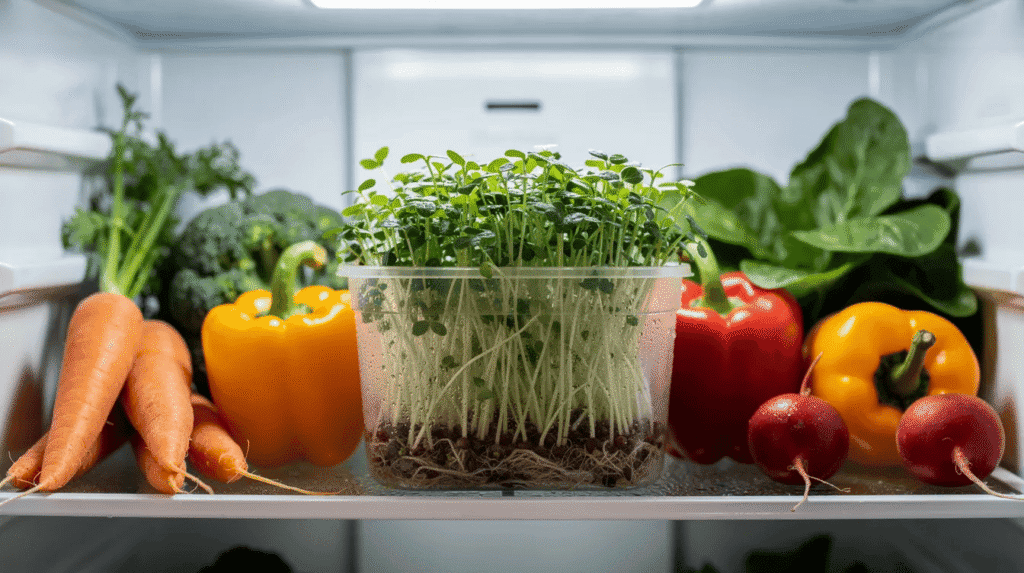
Most home-sprouted beans keep 2 to 3 days in the fridge when stored well-drained in a breathable or loosely covered container. Check daily for off smells, excess moisture, or sliminess, and discard immediately if any appear. Cooking sprouts into soups or stir-fries the same day you harvest them is the safest and freshest option.
Can I sprout canned beans, or do they need to be dry?
Sprouting requires dry, intact beans. Canned beans have already been cooked at high temperatures, so they cannot germinate or sprout. Choose high-quality dry beans from a trusted source (ideally organic and food-grade) for sprouting projects. Canned beans are still useful for quick meals, but they will not offer the same crisp texture or nutrient shifts of sprouted legumes.
Which beans are easiest and safest for beginners to sprout?
Mung beans and lentils are the best starter beans. They sprout in 1 to 3 days, are forgiving of minor timing mistakes, and are the most common bean sprouts worldwide. Chickpeas and soybeans can also be sprouted, but take longer and have a firmer texture that many people prefer as lightly cooked sprouts. Start with small batches so you can practice rinsing, draining, and spotting spoilage before scaling up.
Do sprouted beans replace regular beans in my diet, or should I eat both?
Sprouted beans complement cooked unsprouted beans rather than replace them. Each offers a slightly different nutrient profile and texture. A practical approach: cooked black beans in chili during the week, plus sprouted mung beans in salads or other sprouts in stir fries on other days. People with sensitive digestion may tolerate sprouted beans better and can experiment with the ratio that works for them.
Can sprouted beans help me eat more protein on a plant-forward diet?
Sprouted beans add easily digestible protein to plant-forward meals. Lentil sprouts and soybean sprouts contain more protein than most leafy vegetables. While individual servings may not match meat gram-for-gram, combining sprouted beans with whole grains, nuts, and seeds creates satisfying, higher-protein plates. Experiment with sprouted bean spreads, grain bowls, and sautés as easy upgrades to the meals you already enjoy.