Kale gets the magazine covers. Acai gets the smoothie bowls. Meanwhile, the most nutrient-dense, affordable, shelf-stable food in your kitchen is sitting in a paper bag in the back of the pantry, waiting for someone to notice it.
Beans are a superfood. Not in the marketing sense – in the boring, well-documented, nutrition-label sense. High fiber. High plant protein. Loaded with minerals and polyphenols. Cheap. Filling. Good for the soil they grow in.
But there’s a catch nobody talks about, and it’s the reason we’re writing this post. A bean is only as clean as the field it came from. Here’s what the nutrition actually looks like, and what to check before you buy.
Watch: Beans from Our Fields
https://www.facebook.com/share/r/1JGbce7KD5/?mibextid=wwXIfr
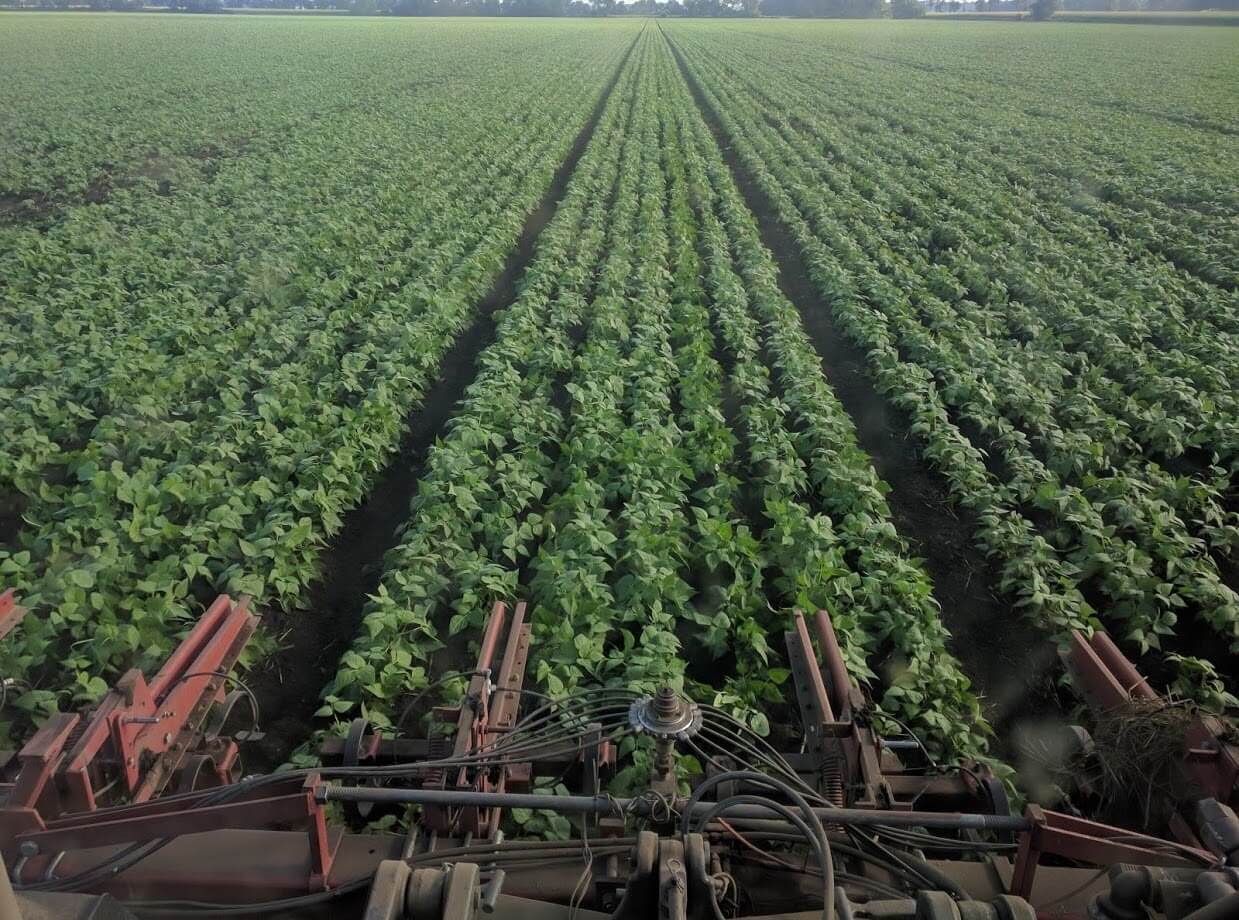
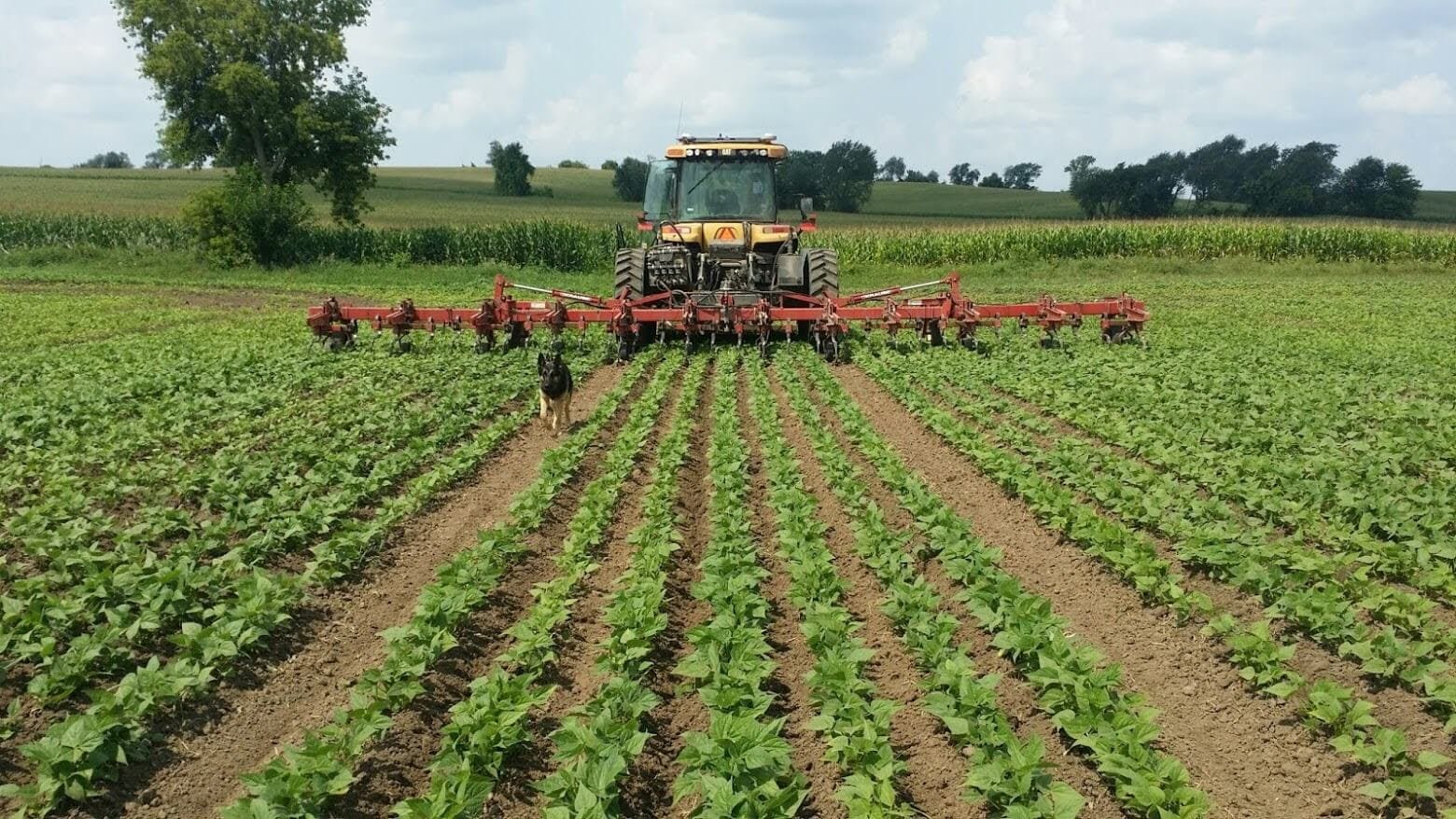
A quick look at the beans we grow here in Evansville, Wisconsin – and why we farm the way we do. Everything below is the longer version of that story.
What Makes a Food a “Superfood”?
“Superfood” isn’t a regulated term. No agency defines it, and no lab certifies it. It’s a word marketers use, which is exactly why we usually avoid it.
But if the term means anything useful, it means this: a whole food that delivers an unusually high amount of nutrition per calorie and per dollar. By that definition, beans clear the bar more easily than almost anything else you can buy.
The Nutrition Inside a Dry Bean
One cup of cooked black beans gives you roughly 15 grams of fiber and 15 grams of protein for about 230 calories. To put the fiber number in context, most American adults eat around 15 grams in an entire day. One bowl of beans covers it.
Here’s what else is in there.
Fiber, in two forms. Beans carry both soluble and insoluble fiber. Soluble fiber slows digestion and has been consistently associated with lower LDL cholesterol. Insoluble fiber does the mechanical work of keeping things moving. Most whole foods give you one or the other. Beans give you both.
Plant protein that actually counts. Beans are one of the few plant foods with a protein content that rivals animal sources by volume. Pair them with a whole grain – cornbread, rice, or our stone-ground spelt flour – and you get a complete amino acid profile without a gram of cholesterol.
Resistant starch. This is the underrated one. A portion of the starch in beans resists digestion in the small intestine and ferments in the colon instead, where it feeds beneficial gut bacteria and produces short-chain fatty acids. Cook beans and cool them, and the resistant starch content goes up. Yesterday’s bean salad is nutritionally better than today’s.
Minerals and folate. Iron, magnesium, potassium, zinc, and folate – beans are a meaningful source of all of them. Kidney beans and black beans in particular are dense in iron, and the vitamin C in a squeeze of lime or a spoonful of salsa helps your body absorb it.
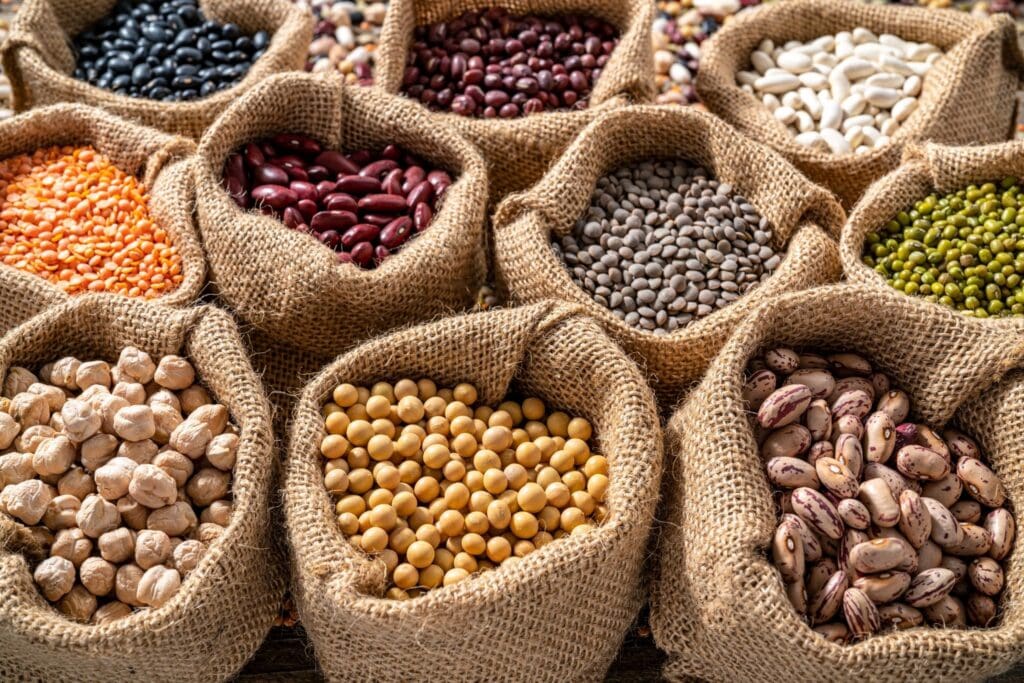
Polyphenols and antioxidants. The color in a black bean or a cranberry bean isn’t decorative. Those pigments are anthocyanins and flavonoids, the same class of compounds people take blueberry supplements for.
Fiber, Blood Sugar, and Staying Full
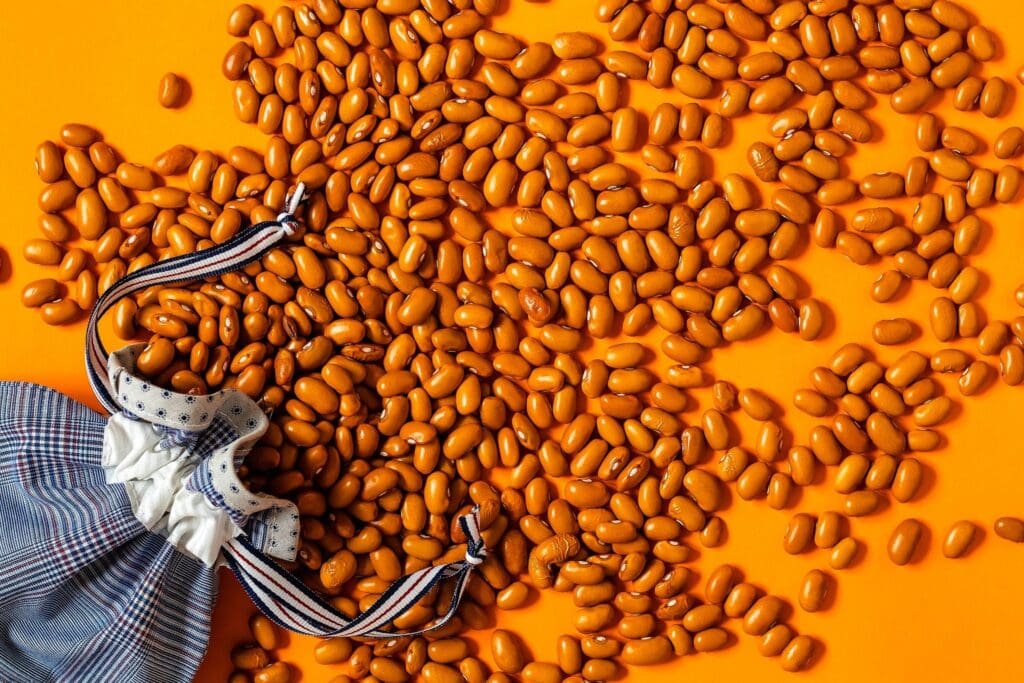
Beans have a low glycemic index. The combination of fiber and protein slows the release of glucose into the bloodstream, which means you get steady energy instead of a spike and a crash. That matters for anyone managing blood sugar, and it’s the reason a bowl of beans keeps you full three hours later when a bagel doesn’t.
Long-running population studies have repeatedly found that people who eat legumes regularly have lower rates of cardiovascular disease. The research is observational, so it can’t prove cause on its own, but the finding is remarkably consistent across cultures and decades – from Japan to Sweden to the Mediterranean.
The Part Most “Superfood” Articles Skip
Here’s where we’re going to be honest with you in a way a supplement company won’t be.
Beans absorb what’s in the soil. That’s the whole reason they’re nutrient-dense – they’re efficient at pulling minerals up through their roots. But that same efficiency means the growing conditions matter enormously.
In some conventional operations, dry beans and other pulse crops are sprayed with a desiccant shortly before harvest to dry the plants down evenly and speed up combining. Glyphosate is one of the chemicals used for this. Because the application happens close to harvest, residue can end up on the bean itself rather than breaking down in the field.
So you can buy a bag of beans specifically because you’re trying to eat clean, and end up with chemical residue in the same bowl. That’s not a hypothetical concern. It’s a testing question – and most brands don’t answer it.
What “Tested Clean” Means at Our Farm
We’re a sixth-generation family farm in Evansville, Wisconsin. We’re certified USDA Organic, MOSA, Biodynamic, and Real Organic Project – which is a lot of fancy names for growing food in a way that’s good for the land and good for you.
But certification is the floor, not the ceiling. Our beans are also tested clean from over 220 chemicals, including glyphosate. That’s a lab result, not a slogan. It’s the number we lead with because it’s the one thing a shopper can’t see through the bag.
We also don’t outsource. When our inventory runs low, it runs low. We don’t buy beans from another country and put them in our packaging. What you get is what we grew, in our soil, here in Wisconsin.
Which Bean Should You Buy?
We grow ten varieties. A few starting points:
- Black beans – the workhorse. Tacos, soups, grain bowls, burgers. Highest in anthocyanins of anything we grow.
- Cranberry beans – creamy, slightly sweet, beautiful speckled color. Best in brothy soups and simple preparations where they can be the star.
- Kidney beans – chili, three-bean salad, red beans and rice. Holds shape well through long cooking.
- Great Northern – mild and versatile. White bean soup, cassoulet, mashed on toast with olive oil and salt.
All available in 1 lb bags up to 25 lb bulk, at doudlahfarms.com.
How to Cook Dry Beans Without Overthinking It
Sort them, rinse them, and soak overnight in plenty of water if you have the time. Drain, cover with fresh water by two inches, bring to a boil, then drop to a low simmer for 60 to 90 minutes, depending on the variety. Salt near the end. Add an onion half, a bay leaf, or a garlic clove to the pot, and you have something worth eating on its own.
No soak time? Simmer them 20 to 30 minutes longer. That’s the whole adjustment.
Cook a pound at once. That’s four to five meals for a couple of dollars, which is the other quiet superpower of beans that nobody puts on a smoothie label.
Beans as a Superfood: Common Questions
Are beans really a superfood? Yes, by any reasonable definition. Beans deliver high fiber, high plant protein, resistant starch, minerals, and antioxidants at a very low cost per serving. “Superfood” is a marketing term rather than a regulated one, but if it describes any food accurately, it describes beans.
Which bean is the healthiest? Black beans are typically the most antioxidant-dense because of their dark pigment, and kidney beans are among the highest in iron. Nutritionally, the differences between varieties are small. The healthiest bean is the one you’ll actually cook and eat regularly.
How much protein is in a cup of beans? Roughly 15 grams for a cup of cooked black beans, alongside about 15 grams of fiber. Exact figures vary by variety and preparation.
Are dried beans healthier than canned beans? Dried beans give you more control. You choose the salt level, avoid can-lining materials like BPA, and skip the preservatives some canned products include. Dried beans are also significantly cheaper per serving and store for years. Canned beans are still a good food – dried beans are simply better.
Do beans have to be organic? It matters more with beans than with many other crops. Some conventional pulse operations use pre-harvest desiccants, including glyphosate, to dry the crop before combining. That practice can leave residue on the bean itself. Certified organic beans are grown without synthetic pesticides and herbicides, and beans that are independently tested go a step further.
What does “tested clean from 220+ chemicals” actually mean? It means our beans are submitted to laboratory screening against a panel of more than 220 agricultural chemicals, including glyphosate, and come back with no detectable residue. It’s a verified test result, not a label claim. Organic certification governs how a crop is grown; testing verifies what ends up in the bag.
Do I have to soak dry beans before cooking? No. Soaking shortens cook time and can make beans easier to digest for some people, but unsoaked beans cook perfectly well with an extra 20 to 30 minutes of simmering.
Why do beans cause gas, and can I avoid it? Beans contain oligosaccharides, a carbohydrate that human digestion doesn’t fully break down, so gut bacteria ferment it instead. Soaking and discarding the soaking water helps, as does introducing beans gradually. Most people adapt within a few weeks of eating them regularly as their gut microbiome adjusts.
How long do dry beans last? Stored cool, dry, and sealed, dry beans keep for years. Older beans take longer to soften but remain safe and nutritious. This shelf stability is part of why beans have anchored pantries for centuries.
Are beans good for weight management? The combination of fiber and protein promotes satiety, meaning a bean-based meal keeps you full longer than a comparable number of calories from refined carbohydrates. Beans also have a low glycemic index, which supports steadier blood sugar between meals.
The Bottom Line
Beans earn the superfood label – more honestly than most foods carrying it. Fiber, protein, minerals, antioxidants, resistant starch, and a price that makes healthy eating possible on a real budget.
But the nutrition assumes the bean is clean. Soil quality determines nutrient density, and growing practices determine what residue comes along for the ride. That’s the part you can’t read off a nutrition panel – which is why we test, and why we publish what the tests show.
Your health is deeply rooted in our soil. With beans, that’s not a metaphor. It’s the supply chain.
Shop our organic dry beans at doudlahfarms.com → – ten varieties, 1 lb bags to 25 lb bulk. Free shipping on orders over $50.
Want more like this? Join our newsletter for farm updates, recipes, and testing results twice a month.
Keep reading: [How to Cook Dry Beans from Scratch] | [What Is Glyphosate and Why Does It Matter in Your Food?] | [Organic vs. Regenerative Farming: What’s the Difference?]
Doudlah Farms Organics is a sixth-generation family farm in Evansville, Wisconsin, certified USDA Organic, MOSA, Biodynamic, and Real Organic Project. Our products are tested clean of 220+ chemicals, including glyphosate.