If you’ve ever stared into an open fridge on a Tuesday night, wondering what to make for dinner, you already know why batch cooking whole grains deserves a spot in your routine. Spending a few hours on one day can set you up with the foundation for breakfasts, lunches, and dinners all week long. This guide walks you through everything from choosing the right grain to storing it safely, with practical ideas you can start using this weekend.
Key Takeaways
- Batch cooking grains saves time during the week and takes the same effort as cooking a small portion, so you might as well cook big batches.
- Whole grains like quinoa, brown rice, oats, barley, farro, millet, and wild rice store well in the fridge for up to 4–5 days and freeze beautifully for months.
- A single Sunday cook session supports a simple weekly meal plan with fast bowls, salads, and breakfasts that help you eat clean without daily kitchen marathons.
- Many whole grains are naturally gluten-free and can anchor plant-based, high-protein, or mixed-diet meals for every member of the household.
- Sourcing organic ingredients from farms like Doudlah Farms connects your batch cooking habit to soil health, regenerative agriculture, and a more sustainable lifestyle.
Why Whole Grains Belong in Every Meal Plan
A whole grain keeps all three parts of the kernel intact: the fiber-rich bran, the nutrient-dense germ, and the starchy endosperm. Refined grains strip away the bran and germ, losing most of the fiber, B vitamins, and minerals that make grains worth eating. MyPlate recommends making at least half of your grain intake whole grains, and the research backs that up. Meta-analyses show that people who eat around 45 grams of whole grains daily see significantly lower risks of type-2 diabetes, cardiovascular disease, and colorectal cancer.
Whole grains contain fiber, B vitamins, and minerals like magnesium, iron, and zinc. That fiber helps regulate blood sugar levels by slowing glucose absorption, and it can keep you full until your next meal. Common options in American kitchens include brown rice, old-fashioned oats, steel-cut oats, quinoa, barley, farro, millet, wild rice, wheat berries, and rye berries. If you need gluten-free options, stick with quinoa, buckwheat, certified gluten-free oats, millet, teff, sorghum, wild rice, and brown rice. Grains like farro, barley, and spelled contain gluten.
Whole grains like quinoa and barley are cost-effective meal bases that pair beautifully with beans, lentils, nuts, seeds, eggs, and pastured meats for a balanced, high-protein meal plan. Doudlah Farms grows organically cultivated whole grains in Wisconsin’s Upper Midwest, giving you a local, sustainable source for your pantry staples.
Batch Cooking Basics: How to Cook Whole Grains Once for the Week
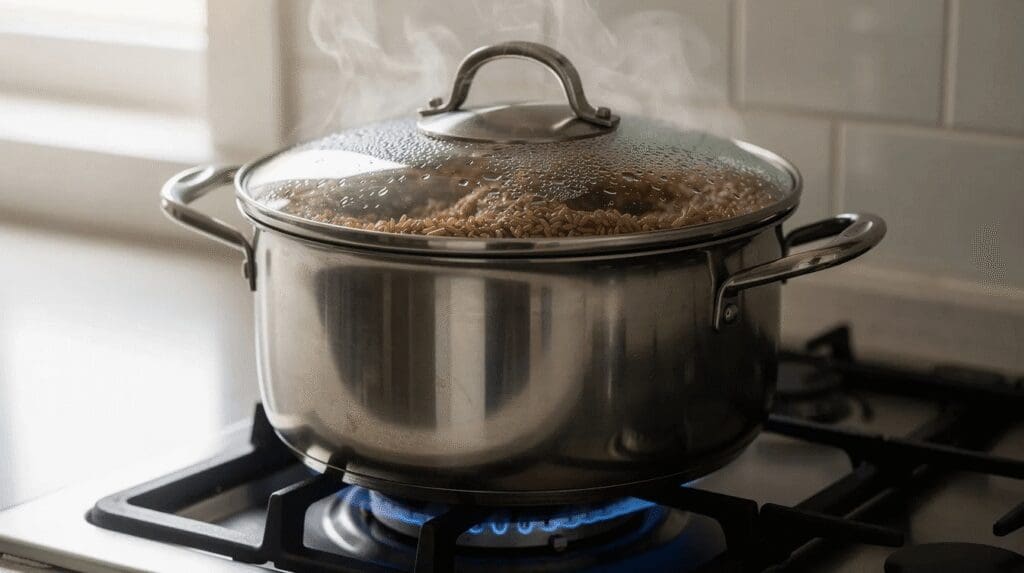
Batch cooking means making a large quantity of cooked grain at once, typically 3–5 cups dry, and using it across multiple meals throughout the week. Most people schedule this on a Sunday or another “reset” day. The key insight: cooking a large pot of grains takes the same effort as cooking a small portion, so you might as well scale up.
The general absorption method works for most grains:
- Rinse the grain if needed (especially quinoa, millet, and buckwheat)
- Combine the grain with water or broth in a pot
- Bring to a boil, then reduce the heat
- Cover and simmer until the liquid is absorbed
- Remove from heat and let rest, covered, for 5–10 minutes
- Fluff with a fork
Cook grains in salted water until al dente for the best texture. Here are a few specific ratios:
- Quinoa: 1 cup of grain to 2 cups of liquid, simmer about 15 minutes
- Brown rice: 1 cup grain to 2.25 cups liquid, simmer 35–45 minutes
- Barley: 1 cup grain to 3 cups liquid, simmer 40–50 minutes
For more flavor, try a grain pilaf variation: sauté diced onion and garlic in olive oil, toast the dry grain briefly until fragrant, then add hot broth and simmer as usual.
Older grains stored for a long time may need more water and a longer simmer. If your grains turn out too wet, remove the lid and cook off the moisture for a few minutes. A realistic batch for a small household is 2 cups of dry grain, yielding roughly 5–6 cups cooked, enough for several days of meals.
Choosing the Right Whole Grain for Your Lifestyle
Different grains suit different schedules and dietary needs. Pick 1–3 “house grains” that match your routine and rotate them each week for variety.
Fast grains (15–20 minutes): Quinoa, buckwheat groats, bulgur, and quick-cooking farro. These are perfect for weeknights or a last-minute batch when time is tight. A half-cup of cooked bulgur provides 8 grams of fiber, making it a nutrition powerhouse for its cook time.
Slow, hearty grains (35–60 minutes): Brown rice, barley, farro, wheat berries, rye berries, and wild rice. These deliver a chewy texture that holds up in salads and reheated dishes. Farro is higher in protein and fiber than white rice, which makes it a standout side dish or bowl base.
Breakfast grains: Steel-cut oats and old-fashioned oats are ideal for batch breakfast prep-think overnight oats, baked oatmeal, or warm porridge reheated all week.
If you have celiac disease or gluten sensitivity, choose certified gluten-free grains and avoid cross-contamination when batch cooking mixed grains. Plant-based eaters might lean on quinoa and millet for their superior amino acid profiles, while high-protein seekers can combine hearty grains with eggs, Greek yogurt, or grass-fed meats.
Step-by-Step: A Sunday Whole-Grain Batch Cooking Routine
Picture this: it’s Sunday afternoon, you have 60–90 minutes, and by the time you’re done, you’ll have a fridge stocked with the building blocks for a week of delicious, healthy meals. Batch cooking whole grains saves time and enhances meal variety without requiring daily effort.
Here’s a simple sequence with step-by-step instructions:
- Start the longest-cooking grain first (barley or brown rice)
- While it simmers, measure out a quicker grain like quinoa and get it going
- Start roasting sheet pans of vegetables (sweet potatoes, broccoli, peppers) while grains cook
- Set steel-cut oats to cook for breakfast prep
Sample batch for two adults: 2 cups dry brown rice, 1 cup dry quinoa, 1 cup steel-cut oats. This yields roughly 6 cups of rice, 3 cups of quinoa, and 3 cups of oats-enough for about three days of prepared meals. A meal plan can be easily doubled or tripled for more servings if you’re feeding a bigger family.
Limit flavoring when cooking grains to allow for versatile meal options later. Just salt and maybe a bay leaf keep things neutral so the same rice can go into a Mexican-inspired bowl one night and a Mediterranean salad the next.
To cool grains properly, spread cooked grains on a baking tray to cool and prevent clumping, let steam off for about 20–30 minutes, then transfer to containers. Pair this grain prep with simple protein prep-a pot of beans, hard-boiled eggs, or shredded pastured chicken-and you have high protein meals ready to assemble in minutes.
Storage, Food Safety, and Reheating Tips
Cooked grains are perishable. Proper handling keeps your batch cooking safe and stress-free.
Fridge storage: Cooked whole grains keep safely in the refrigerator for 4 to 5 days. Store cooked grains in airtight containers to preserve freshness. Storage in shallow containers allows grains to cool more quickly and safely. Label containers with the date to track freshness and safety-for example, “Brown rice – cooked Sept 6, 2026.” Refrigerate cooked grains within 2 hours of cooking for food safety.
Freezing: Cooked grains can be frozen for up to 3 months without losing quality. Portioning and freezing cooked grains offers convenience for meal prep. Flatten freezer bags to save space and label with grain type and date.
Reheating: Adding a little moisture helps prevent cooked grains from drying out during reheating. On the stovetop, add a splash of water or broth and heat gently. In the microwave, cover with a damp paper towel and stir halfway through. You can also reheat grains directly in soups, stews, and casseroles.
Safety basics: Cool cooked grains quickly to prevent bacteria growth and sogginess. Keep hot food above 140°F (60°C) when serving, and reheat leftovers to at least 165°F (74°C). Discard anything that smells off, looks slimy, or shows mold.
Simple Ways to Use Batch-Cooked Grains All Week
Pre-cooked grains can be stored for quick weekday meals. Here are framework ideas rather than full recipes-think of them as starting points you can customize for more flavor.
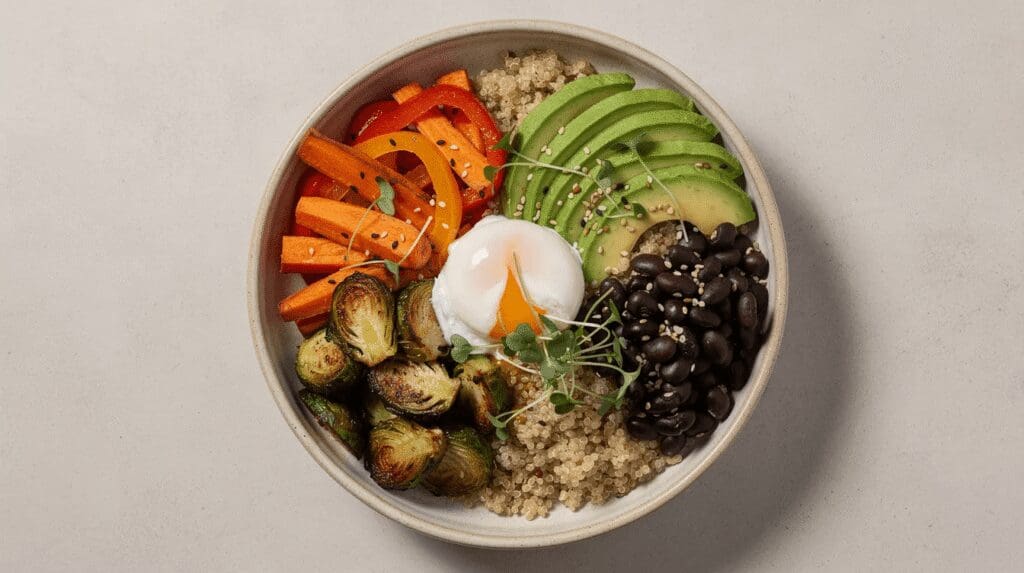
- Grain bowls: 1 cup cooked grain + roasted or raw veggies + a palm-size portion of protein (beans, lentils, poached egg, grilled chicken) + a drizzle of sauce. A tasty, balanced dinner or lunch in five minutes.
- Breakfast: Reheated steel-cut oats with fresh seasonal fruit and nuts. Quinoa porridge with cinnamon. Savory breakfast bowls topped with a poached egg or scrambled eggs and sautéed vegetables.
- Hearty lunch salads: Quinoa or farro tossed with cucumbers, tomato, herbs, and lemon vinaigrette. Add crumbled cheese or chickpeas for protein that keeps you satisfied until the afternoon.
- Quick skillet dinners: Sauté garlic and greens in olive oil, add a few cups of cooked grain, season with tamari or herbs, and finish with toasted seeds. A vegetarian dish that comes together in under ten minutes.
- Soups and stews: Stir a cup of cooked brown rice, barley, or wild rice into simmering broth with vegetables and beans for a filling one-pot soup.
- Kid-friendly options: Whole-grain “fried rice” with leftover vegetables, stuffed peppers using cooked quinoa or rice, and baked casseroles layered with brown rice or barley. Even dessert can get a grain boost-think baked oat cups with fruit.
Batch Cooking Whole Grains for Different Diets (Gluten Free, Plant-Based, High Protein)
One batch-cooked grain can anchor multiple dietary needs in the same household when meals are assembled “bar-style” at the table.
Gluten-free: Stick with certified gluten-free oats, brown rice, quinoa, millet, buckwheat, and wild rice. Use separate utensils and cookware if you’re also cooking wheat or barley in the same kitchen.
Plant-based: Pair grains with beans, lentils, tofu, tempeh, and nuts to create complete proteins. Even a simple quinoa and black bean bowl can deliver satisfying protein and fiber. Services like Purple Carrot or Green Chef offer vegan and vegetarian meal kits, but building your own bowls from batch-cooked grains is far more budget-friendly and lets you skip ultra-processed foods entirely.
High protein: Combine grains with eggs-a poached egg over farro and greens makes a quick dinner, or add Greek yogurt at breakfast. Pastured poultry and grass-fed beef round out a high-protein plate at dinner.
Clean eating: Keep sauces simple and natural-olive oil, vinegar, citrus, herbs, nuts, seeds. Store plain cooked grains in airtight containers for versatility, and you’ll always be ready to build a dish that fits any dietary pattern. A registered dietitian can help you fine-tune portions if you’re trying to lose weight or manage specific dietary needs. Batch cooking makes it easier to stay consistent with long-term meal plans, whether you follow a Mediterranean-style diet, a diabetes-friendly plan, or just want to eat more plants.
How Doudlah Farms Fits Into a Whole-Grain Batch Cooking Lifestyle
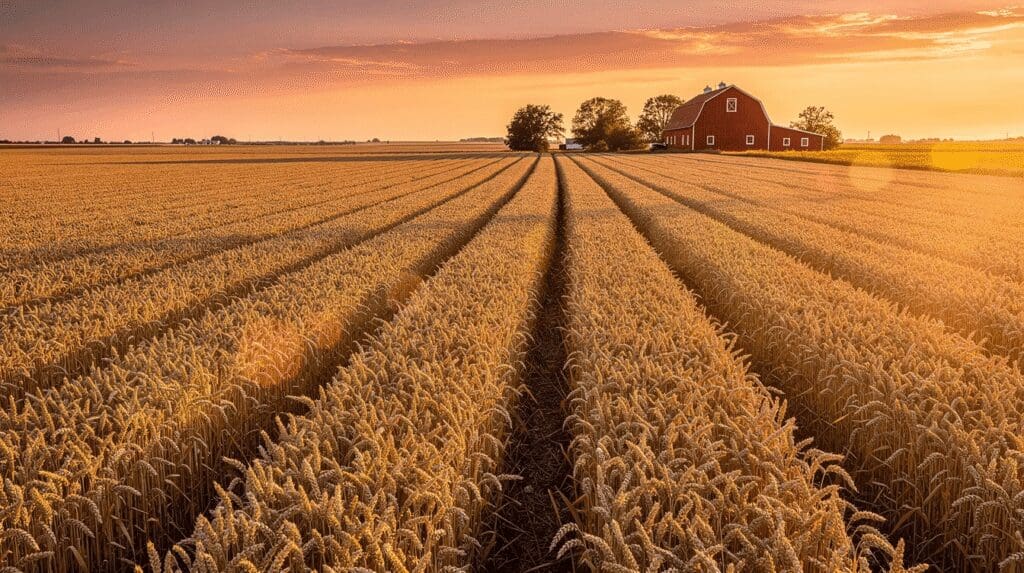
Doudlah Farms is a Wisconsin-based organic farm committed to soil health, pollinator-friendly practices, and nutrient-dense crops. Their organic food offerings include organic wheat berries, organic oats, organic barley, organic rye, organic cornmeal, and dry beans-all ideal for fiber-rich, vitamins-packed batch cooking.
Buying whole grains directly from a farm means fresher harvest dates, transparent growing practices, and direct support for regenerative agriculture in your local community. Buying whole grains in bulk is cost-effective and budget-friendly, especially when you’re cooking big batches every week instead of buying single-serve convenience snacks.
Stocking your pantry with Doudlah Farms grains and pairing them with seasonal produce from nearby markets creates an “eat clean” rhythm that reflects the Upper Midwest growing calendar. Meal planning reduces food waste by 31 percent in kitchens, which means your weekly grain routine is good for your wallet and the planet. Think of Doudlah Farms grains as the foundation of your family’s meal plans, from cozy autumn porridges to hearty winter soups and grain salads packed for work or school in most areas.
Sample 3-Day Whole-Grain Meal Plan Using One Batch Cook
This is a concrete example-not a rigid diet-showing how one Sunday batch of grains can fuel several days of meals for two adults. Adjust portions and ingredients to fit your own taste and weight goals.
The batch: Cook 2 cups of dry brown rice, 1 cup dry quinoa, and 1 cup steel-cut oats on Sunday. Yields roughly 6 cups of rice, 3 cups of quinoa, and 3 cups of oats.
Day 1:
- Breakfast: Warm steel-cut oats with apples and walnuts
- Lunch: Quinoa salad with cucumbers, tomato, and lemon vinaigrette
- Dinner: Brown rice bowls with roasted seasonal vegetables and black beans
Day 2:
- Breakfast: Overnight oats with berries, chia seeds, and dairy-free yogurt
- Lunch: Leftover brown rice turned into “fried rice” with peas, carrots, and tamari
- Dinner: Quinoa and kale sauté finished with a poached egg on top
Day 3:
- Breakfast: Quinoa porridge with cinnamon and fresh pear
- Lunch: Mason-jar grain salads layered with brown rice, beans, and crunchy veggies
- Dinner: Quick vegetable soup with leftover rice stirred in for body
Every meal here can be adapted: swap the egg for tofu to keep it vegan, use dairy-free yogurt for a plant-based breakfast, or add shredded chicken for extra protein. The same batch serves different preferences without extra cooking, which is the real convenience of this approach and helps everyone in a busy life to eat well.
FAQ: Batch Cooking Whole Grains
These questions cover practical details that come up often when you start making whole grains a weekly habit.
How long do cooked whole grains really last in the fridge?
Most cooked grains stay at peak quality for 3–4 days in airtight containers below 40°F (4°C), though many sources note they remain safe for 4–5 days. For longer storage, freeze portions for up to 3 months. Label containers with the exact cook date-for example, “quinoa – cooked Sept 12, 2026”-and discard anything that smells sour, looks slimy, or shows visible mold.
Can I mix different cooked grains in one batch?
Grains with similar cooking times and textures, like brown rice and wild rice, or farro and barley, can be cooked together. But it’s usually easier to cook them separately and mix after cooking. This lets families create custom blends (half quinoa, half brown rice for better texture and protein) without worrying about unevenly cooked grains.
What if my batch-cooked grains get dry or clumpy?
Sprinkle on a tablespoon or two of water or broth, then reheat gently on the stovetop or in the microwave, fluffing with a fork once hot. For especially dry grains, repurpose them in baked dishes-casseroles, veggie burgers, or grain-based frittatas-where extra liquid and eggs will rehydrate everything.
Do I need to soak whole grains before batch cooking?
Soaking is optional for many grains but helpful for very chewy options like wheat berries, rye berries, and hulled barley. Soak harder grains for better digestibility before cooking-an overnight soak of 8–12 hours in cool water can cut cooking time nearly in half. Rinse after soaking to remove excess starch and any dust.
How can I keep batch-cooked grain meals from feeling repetitive?
Rotate at least two different grains each week and use different “flavor families” on different days-Mediterranean, Mexican-inspired, or Asian-inspired sauces and toppings. Keep a small “sauce library” in your fridge: lemon-herb vinaigrette, tahini dressing, and a simple tamari-ginger sauce. The same cooked grain can taste completely different from one meal to the next, which helps you save money on takeout while actually enjoying every bite. Even simple recipes become exciting when the freshness of your toppings changes daily.