Heritage grains are experiencing a revival that goes far beyond nostalgia. At Doudlah Farms in Wisconsin, these time-tested varieties are grown, harvested, and milled to deliver flavor, nutrition, and sustainability that modern grains simply cannot match.
Key Takeaways
● Heritage grains are traditional open-pollinated varieties grown before modern plant breeding, offering distinct flavors and richer nutrition than commodity wheat.
● Heritage wheats like red fife and rouge de bordeaux are making a comeback in artisan baking and regional food systems.
● Freshly milled flours from heirloom grains reward bakers with deeper taste, better texture, and more nutrients.
● Heritage grains support soil health and biodiversity when planted in regenerative systems, making them a future-facing choice.
● A practical FAQ below answers common questions for home bakers and shoppers new to these grains.
What Are Heritage and Ancient Grains?
Heritage grains are cereal grains cultivated before intensive plant breeding, traditional varieties that existed long before the mid-20th-century push toward high-yield, input-heavy agriculture. They have been cultivated for flavor and cultural significance rather than yield alone.
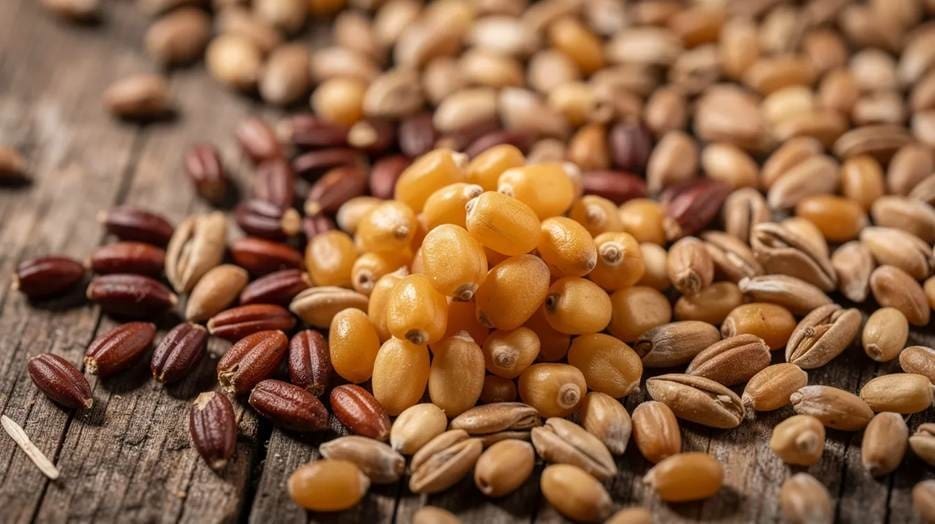
Ancient grains take this lineage even further. Species like einkorn, emmer, spelt, and kamut have changed remarkably little over millennia, with einkorn dating back over 10,000 years as the oldest wheat first domesticated near the fertile crescent. Heritage wheats such as red fife (Canada, 1842) and rouge de bordeaux (France, 1800s) are regional landraces that preceded the Green Revolution’s introduction of semi-dwarf modern wheat.
By contrast, modern varieties of bread wheat were developed after World War II for uniformity, short stalks, and compatibility with synthetic fertilizers. Doudlah Farms chose heritage and ancient varieties because they fit organic, regenerative practices and deliver delicious, nutrient-dense grains to local bakers.
Why Heritage Grains Matter Today
Heritage grains are not a passing food trend-they represent a meaningful shift toward better taste, health, and ecological resilience.
● Flavor: Heritage grains offer distinct flavors compared to the blandness of modern grains-nutty, sweet, cocoa, and caramel notes that industrial flour cannot replicate.
● Nutrition: Heritage grains are generally richer in fiber, vitamins, and minerals compared to modern grains. Some heritage varieties may contain higher levels of certain nutrients, including iron, zinc, and magnesium. They also provide slightly higher levels of beneficial plant compounds and often have a higher ratio of bran compared to modern wheat.
● Digestibility: Many heritage grains possess simpler gluten structures, making them easier to digest for some. However, heritage grains are not gluten-free and are generally not safe for people with celiac disease.
● Culture and seeds sovereignty: Growing red fife or rouge de bordeaux in Wisconsin keeps regional food stories alive and supports small-scale seed producers over centralized grain systems. Heritage grains are known for their unique flavors and nutritional benefits that favor local communities.
● Doudlah Farms’ mission: Every lot of heritage grain grown here supports organic certification, long-term soil health, and sustainability, keeping food dollars circulating in Midwestern communities.
From Field to Flour: How Doudlah Farms Grows Heritage Grains
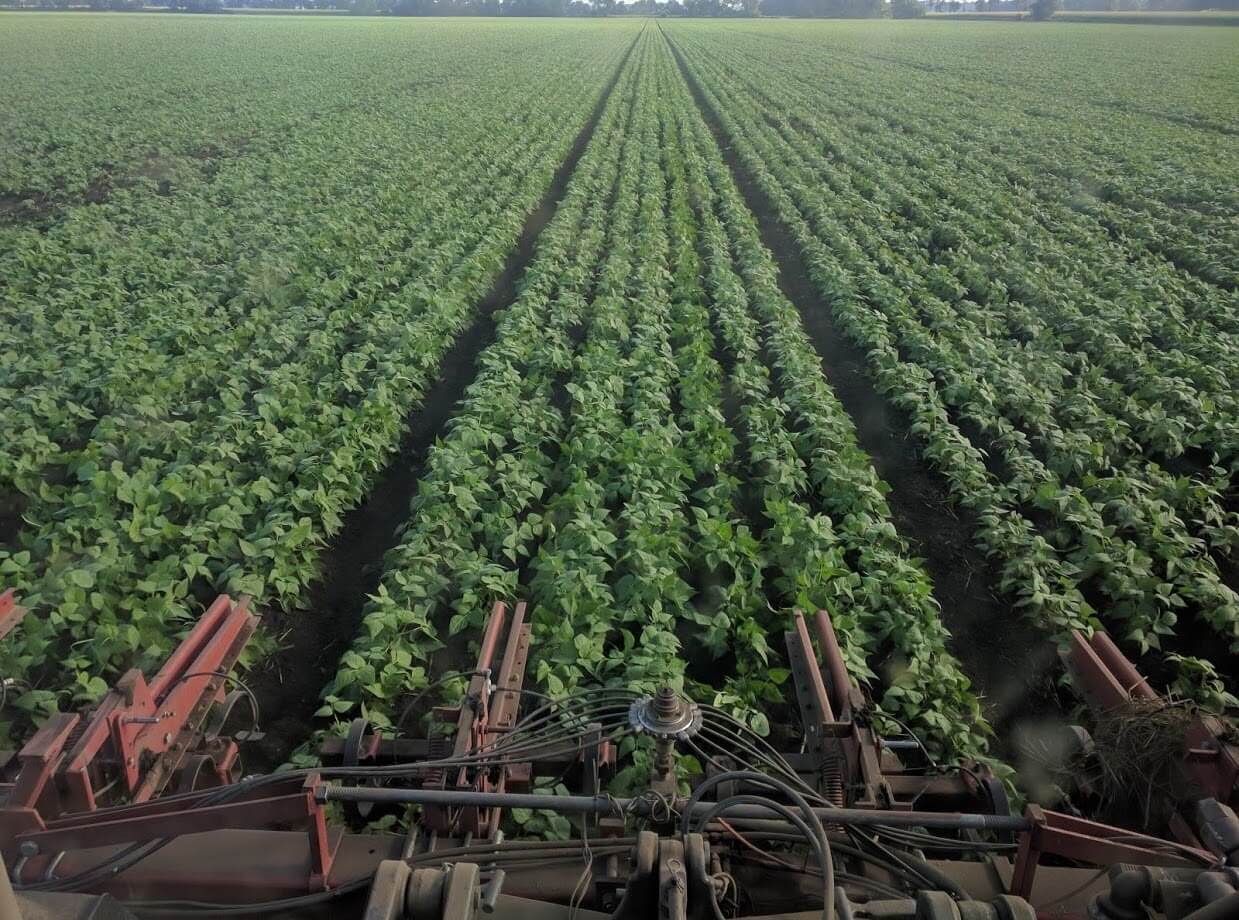
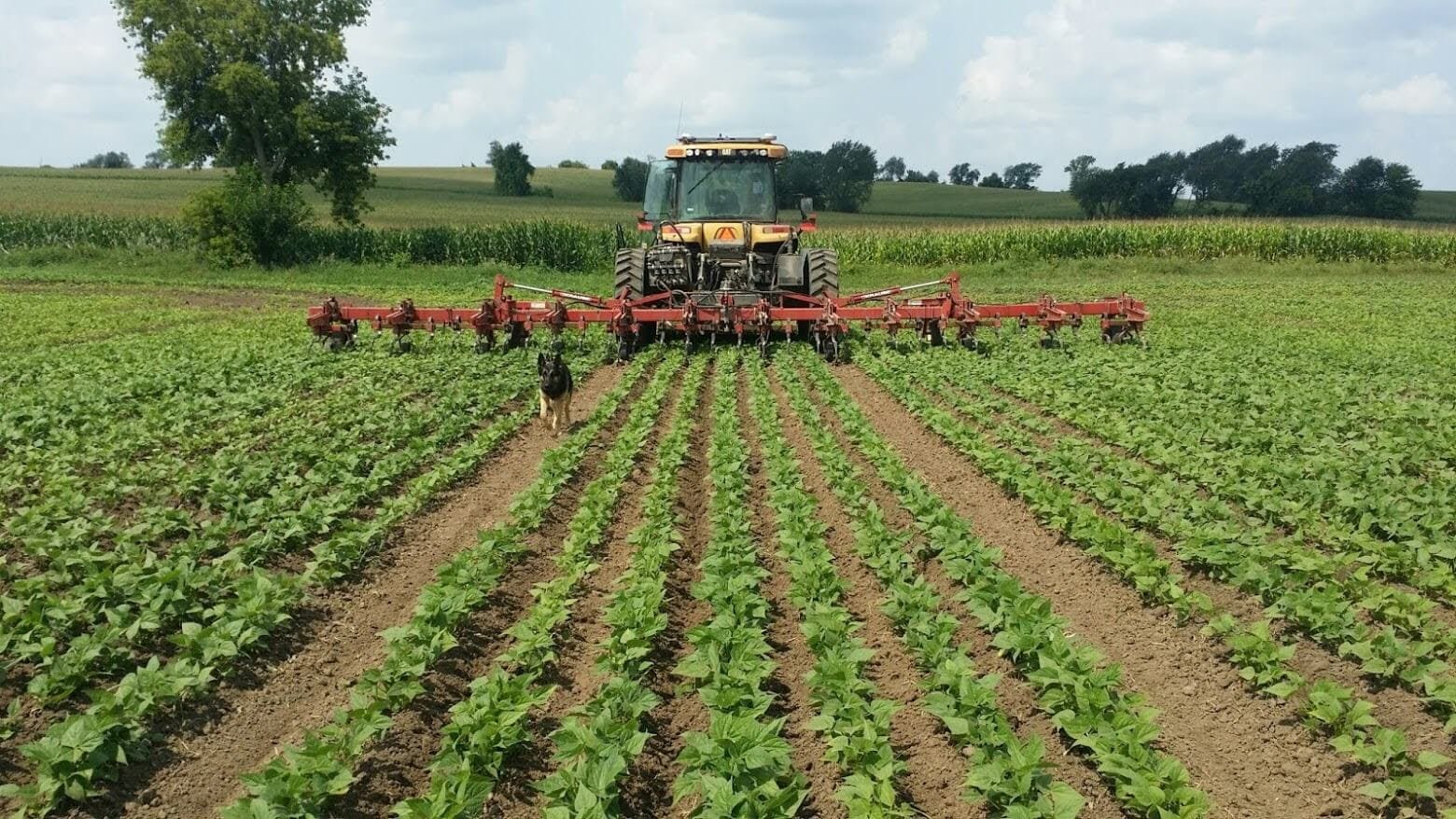
At our farm in southern Wisconsin, heritage grains are woven into a diversified crop plan. We rotate heritage wheats, ancient grains, legumes, and cover crops to build soil organic matter and break pest cycles. Consider that 92% of corn planted in the US is genetically modified-our approach takes a different page entirely, favoring biodiversity over monoculture.
We use no synthetic fertilizers or pesticides, relying instead on composts, manures, and mob grazing, which improves water retention and reduces synthetic inputs. After the wheat harvest, we plant cover crops like clover, vetch, or rye to protect the soil through Wisconsin winters. Careful harvesting and dedicated storage prevent contamination with conventional grain streams, and our partnerships with local bakers, millers, and co-ops ensure these grains reach kitchens as quality flour worth every penny.
Heritage Wheats in Focus: Red Fife, Rouge de Bordeaux & More
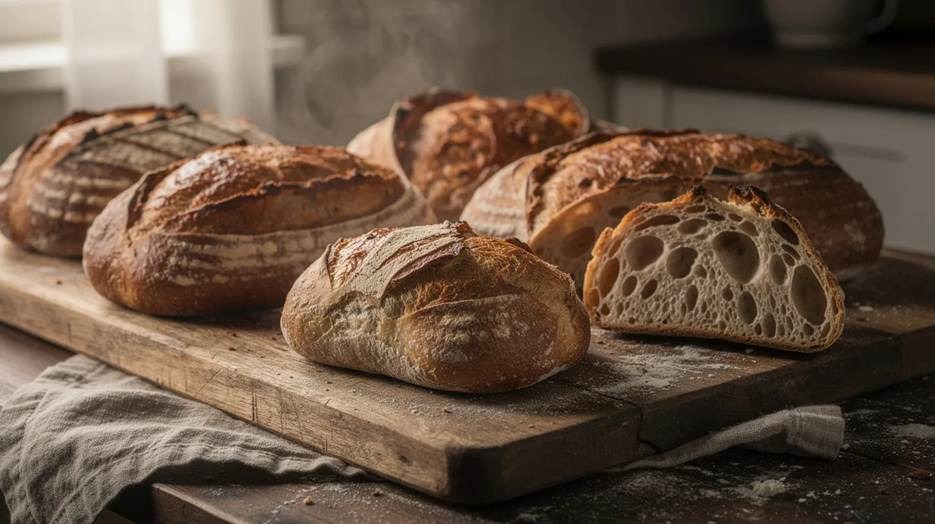
Red fife was first grown in Canada in 1842 by farmer David Fife, originating from seed reportedly sent from Glasgow. It rose to popularity as the dominant Canadian bread wheat before modern varieties replaced it. Its rich, nutty flavor with gentle caramel notes makes it ideal for sourdough bread, pizza dough, and crackers.
Rouge de Bordeaux, rooted in southwestern France, features deep reddish-bronze kernels with aroma notes of cocoa and toasted nuts. It excels in country loaves, focaccia, and enriched doughs. White Sonora is the oldest wheat variety in North America, while khorasan wheat, also called kamut, originated over 4,000 years ago. Doudlah Farms trials regional landraces suited to the Upper Midwest climate, so watch for rotating seasonal offerings.
Ancient Grains: Einkorn, Emmer, Spelt and Their Distinctive Profiles
Ancient grains are the grandparents of modern cereals, with lineages stretching back thousands of years and simpler genetic structures than durum wheat or common bread wheat.
● Einkorn is over 10,000 years old and has a lower gluten structure than modern wheat. Its tender, slightly sweet, herbal flavor suits rustic loaves, cookies, pancakes, and porridge.
● Emmer, often sold as farro, originated over 8,000 years ago in the Middle East. It is naturally low in gluten and high in protein, with warm, nutty notes perfect for salads, soups, and flatbreads.
● Spelt spread across southern Europe centuries ago. Its malty, sweet taste works beautifully in pasta, waffles, and lighter sandwich loaves.
We also highlight Ryman Rye, which is higher in fiber and lower in gluten than wheat, and raw heritage oats, rich in nutrients and flavor. Alongside barley, buckwheat, rice, and even cornmeal, these ancient grains round out a diverse pantry. Doudlah Farms cleans and mills these grains with trusted local partners for full traceability.
Freshly Milled Flours: Why Milling Matters
Freshly milled heritage flour is a living ingredient. At Doudlah Farms, we prioritize small-batch milling so milled flours reach customers within weeks, germ and bran intact. Stone-milling keeps flour cool, preserving natural oils, vitamin E, and volatile aromatics. Store fresh whole-grain flour in airtight containers in the freezer and use it within a few months. These flours absorb more water than commodity all-purpose, benefit from autolyze rests, and yield moist, open crumbs when handled with care. Every bag connects you directly to the field, harvest year, and variety grown at our mill.
How to Start Baking with Heritage & Ancient Grains at Home
You don’t need expensive equipment-just curiosity. Start by replacing 20–30% of your usual white flour with red fife, spelt, or einkorn in familiar recipes like banana bread or weekend pancakes. Sourdough is a natural partner: long fermentation builds structure, enhances digestibility, and deepens flavor. Expect sticky doughs that respond well to stretch-and-fold techniques and slightly higher hydration. Try a red fife country loaf, rouge de bordeaux focaccia, spelt pancake mix, or einkorn shortbread cookies for a delicious introduction to cooking and baking with heritage grains.
Rebecca, a local baker who sources from Doudlah Farms, notes the texture difference is “worth leaving commodity flour behind.” Look for our labeled heritage flours at local markets, co-ops, and regional retailers, or purchase directly from the farm.
Heritage Grains, Soil Health & Regenerative Farming
Heritage grains promote agricultural biodiversity, in contrast to monoculture farming. Heritage grains may help support biodiversity when grown in mixed farming systems-a mosaic of heritage wheats, legumes, and cover crops reduces disease pressure and supports beneficial insects.
Heritage grains often have deeper root systems compared to modern grains, stabilizing soil and storing more carbon underground. Many heritage grains are better adapted to poor soils and require fewer synthetic inputs, and heritage grains can be more resilient to drought due to their extensive root systems. Cover crops build organic matter and protect soil season after season. By choosing Doudlah Farms, consumers support a model that treats soil as a living community. As climate shifts accelerate, genetically diverse heritage grains become essential for the food system of the 2030s and beyond.
Looking Ahead: The Future of Heirloom & Heritage Grains
Interest in heritage grains has grown sharply since around 2010, driven by artisan bakeries, farmers’ markets, and home bakers seeking deeper flavor and connection to place. More small mills and community-supported grain programs are emerging, and universities are now working with heritage germplasm to breed lines that balance resilience, nutrition, and organic-field performance.
Doudlah Farms continues experimenting with different heritage varieties, collaborating with farmers and bakers for feedback, and keeping seed and knowledge alive for the next generation. Treat every bag of heritage flour not as a museum artifact but as an invitation to join a living, evolving food tradition.
FAQ: Heritage & Ancient Grains
These questions address common practical concerns for anyone new to heritage and ancient grains.
Are heritage grains gluten-free or safe for people with celiac disease?
No. Heritage wheats and ancient grains like red fife, rouge de bordeaux, spelt, and emmer still contain gluten and are not safe for anyone with celiac disease. Some people without celiac disease report feeling better with long-fermented heritage bread, but this is anecdotal, not a medical guarantee. Consult a healthcare professional before making dietary changes. Doudlah Farms does not make health-treatment claims.
How should I store whole heritage grains and fresh-milled flours?
Whole, unmilled grain berries keep for a year or more in sealed containers in a cool, dry pantry. Fresh-milled whole-grain flours should be refrigerated or frozen in airtight containers and used within two to four months. Let the chilled flour warm to room temperature before mixing doughs for predictable fermentation.
What is the difference between heritage grains and “ancient grains” on a package label?
Ancient grains refer to very old cereal species-einkorn, emmer, sspelled millet, sorghum, and some barleys-that have changed little in thousands of years. Heritage wheats are older varieties of common bread wheat or regional landraces, like red fife and rouge de bordeaux, widely grown before modern high-yield cultivars took over. At Doudlah Farms, both terms signal specific, traceable varieties with documented histories.
Can I use heritage wheat flour in my bread machine?
Yes, but reduce yeast slightly, increase hydration, and select a longer “whole wheat” or “artisan” cycle. Start with a 50/50 blend of heritage whole wheat and conventional bread flour, then adjust upward. For the full aroma and texture experience, try at least one hand-mixed, no-knead loaf with red fife or rouge de bordeaux-it’s a review of what wheat can really taste like.
Where can I buy Doudlah Farms’ heritage and ancient grains?
Visit our farm store, find us at regional farmers markets across Wisconsin, or check partner food co-ops. Sign up for the Doudlah Farms newsletter or follow our social channels for seasonal harvest updates and limited-run variety announcements. For bulk orders, bakery collaborations, or questions about specific varieties, submit your inquiry directly through our website-we’re always happy to help.