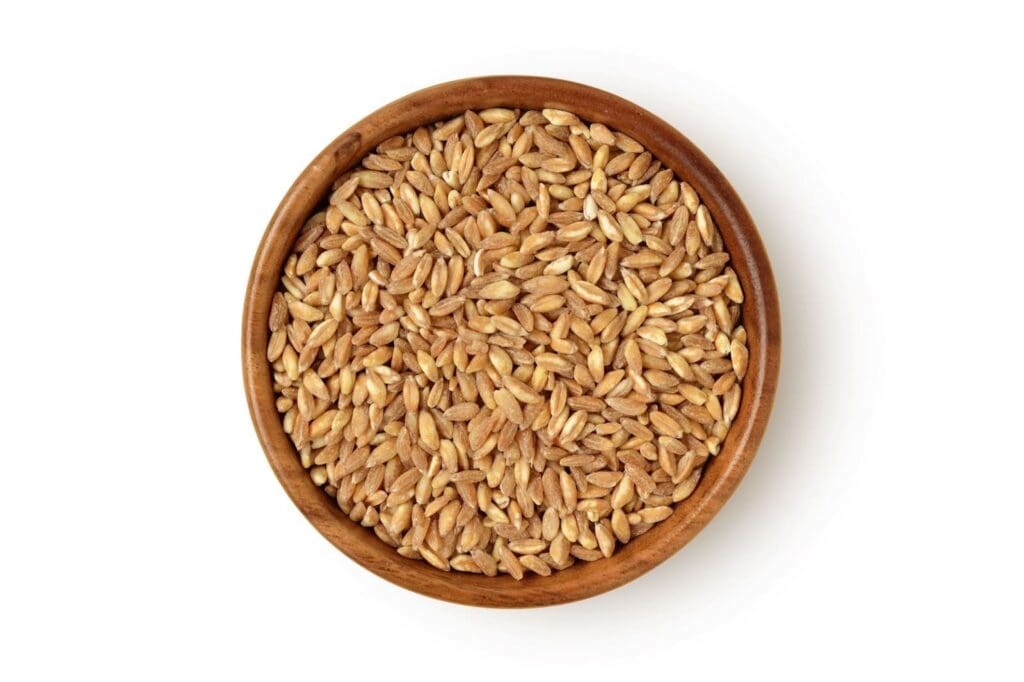
When most people think of corn, they picture the bright yellow ears of sweet corn sold in summer at farm stands and grocery stores. But the world of heirloom corn is far more diverse—and far more flavorful. At Doudlah Farms, we grow certified organic heirloom varieties that preserve history, nourish your body, and restore the health of our soils.
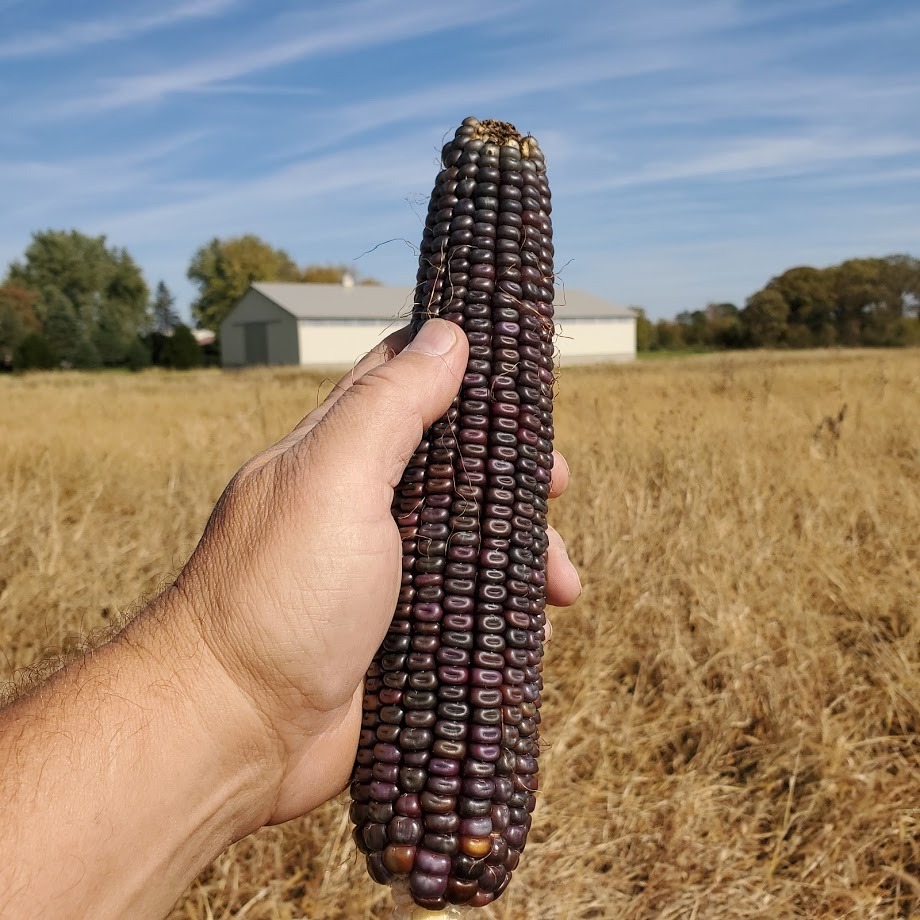
Unlike modern hybrids, heirloom corn has been passed down through generations, prized for its unique flavor, colors, and resilience. Different heirloom corn varieties are adapted to thrive in specific areas or climates, such as drier regions or particular geographic zones. These traditional varieties make the best cornmeal, delicious grits, wholesome cornbread, and more.
Introduction to Heirloom Corn
Heirloom corn is more than just a crop—it’s a living link to our agricultural past, cherished for its diversity and rich flavors. These traditional varieties, such as flour corn, flint corn, sweet corn, dent corn, and popcorn, have been carefully preserved and passed down through generations. Each type brings something special to the table: flour corn is prized for making the best cornmeal, perfect for soft cornbread and tender cakes, while sweet corn is loved for its juicy, fresh taste right off the cob. Flint corn and dent corn offer sturdy kernels ideal for hearty dishes, and popcorn is a fun, healthy snack that everyone can enjoy.
What sets heirloom corn apart is its unique combination of color, texture, and flavor—qualities that modern hybrids often lack. Many people are rediscovering their love for these varieties, seeking out certified organic and non-GMO options to ensure their food is as healthy and sustainable as possible. Whether you’re baking, cooking, or simply enjoying the beauty of colorful ears, heirloom corn brings years of tradition and a perfect touch of authenticity to your kitchen.
Different Types of Heirloom Corn
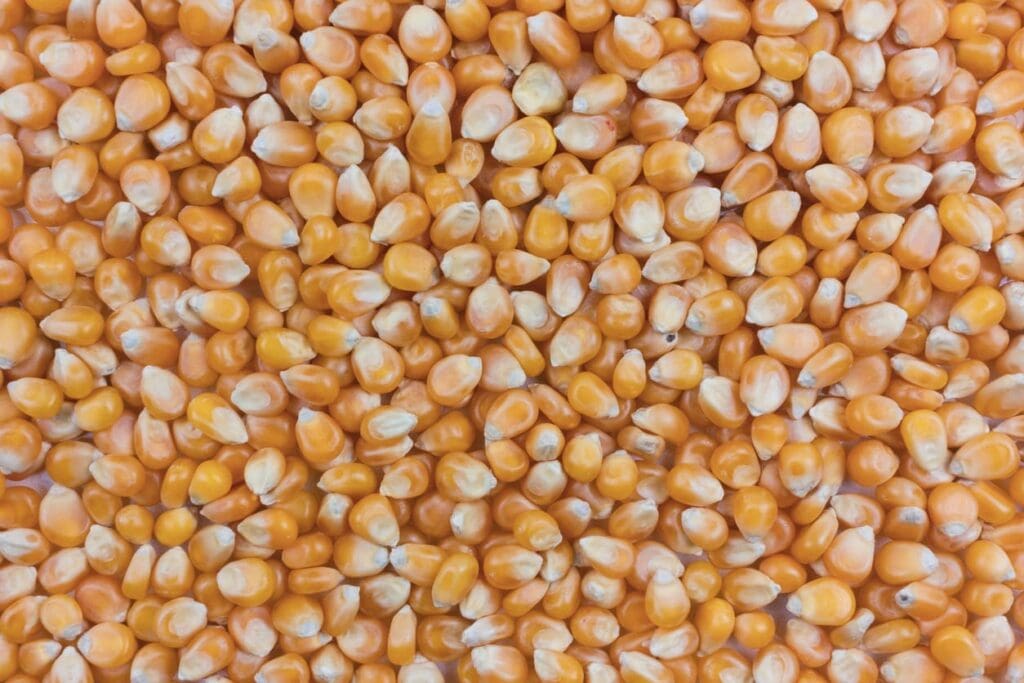
Not all corn is the same, and each variety serves a different purpose in the kitchen. Here are some of the most common heirloom varieties we grow and love:
- Flour corn – Known for its soft kernels and fine texture, this variety is perfect for milling into smooth flour used in cakes, tortillas, and other baked goods.
- Flint corn – With hard, sturdy kernels, flint is traditionally used for grits and cornmeal, offering a nutty flavor and a long shelf life.
- Dent corn – The most widely grown field corn, dent has a characteristic “dent” in each kernel. It’s ideal for cornmeal, masa, and hearty starch-based foods.
- Sweet corn – This is the fresh yellow corn or white corn you enjoy right off the cob. Its naturally higher sugar content makes it a summer favorite.
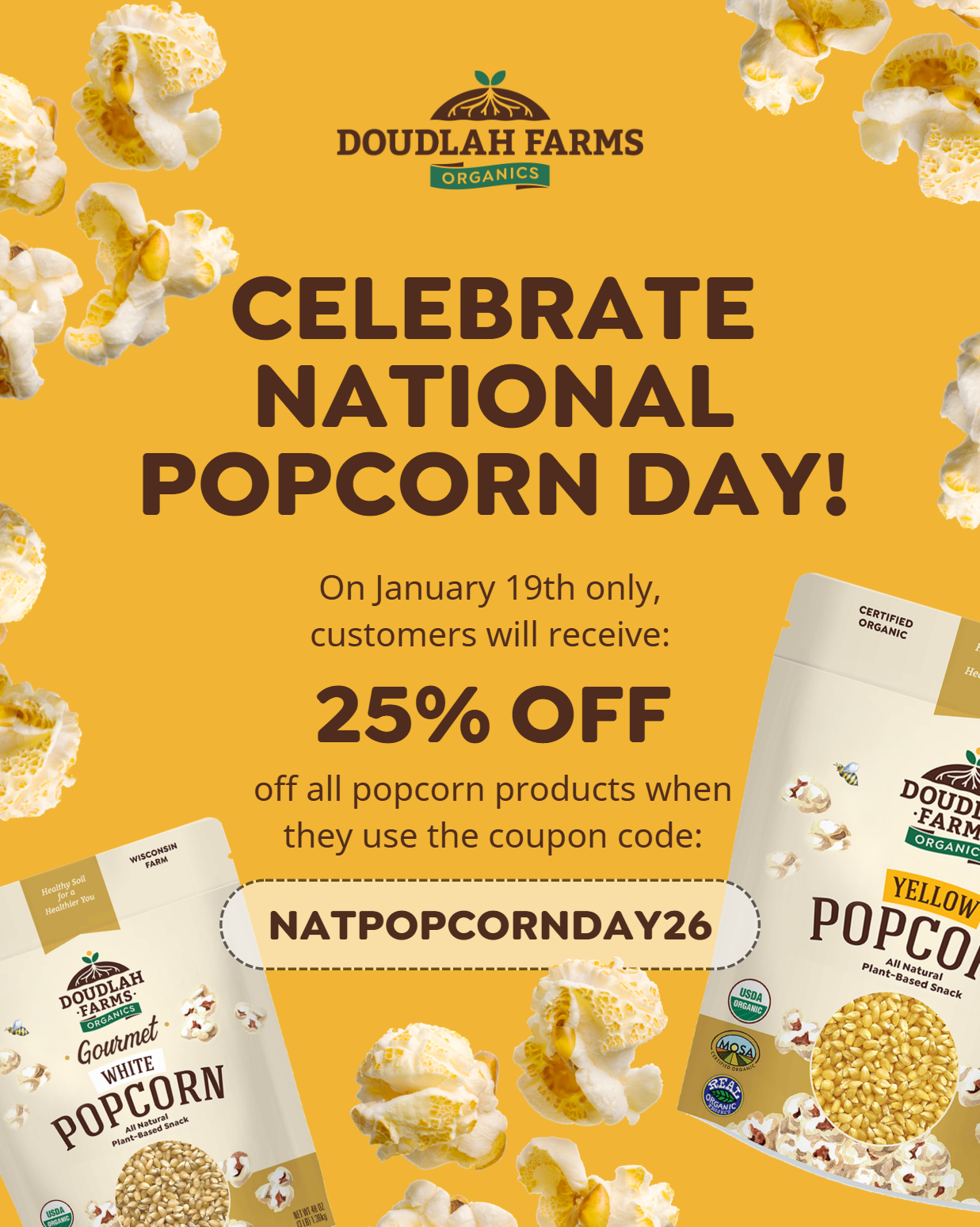
- Popcorn – A unique type of flint corn, popcorn is a fun and healthy snack when grown as non-GMO and certified organic, without synthetic chemicals or pesticides.
Each of these grains has its own heritage and culinary use, making heirloom corn a cornerstone of diverse diets around the world.
Why Choose Certified Organic, Non-GMO Corn?
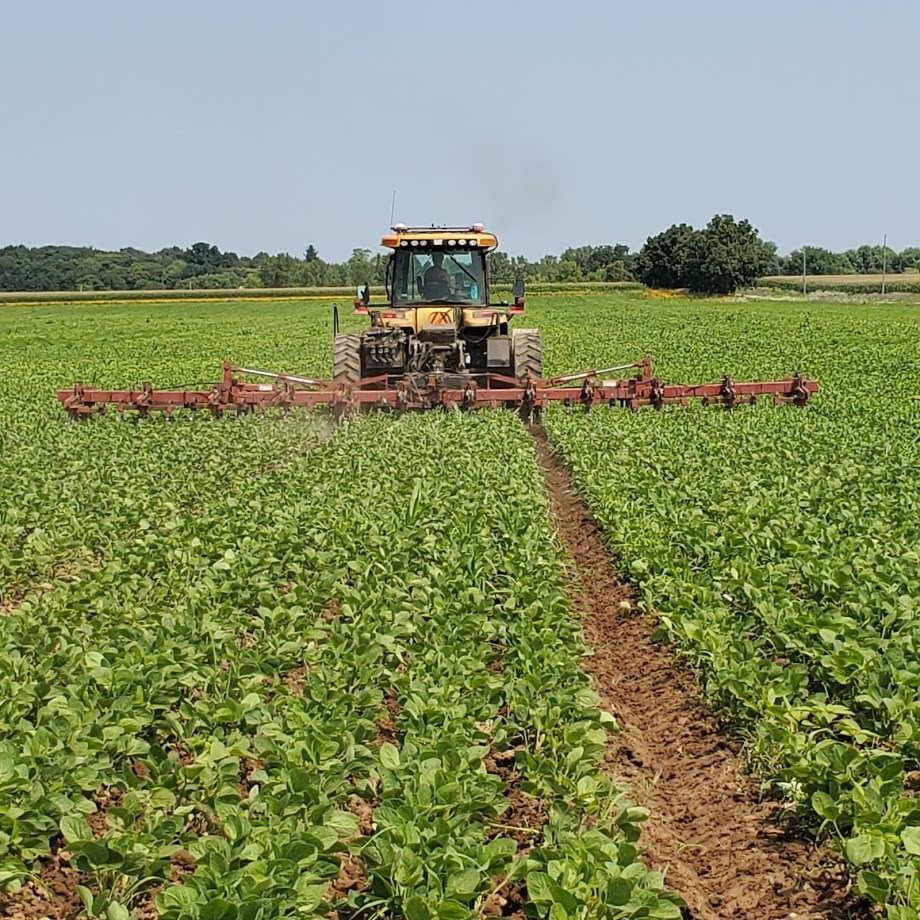
Modern industrial corn production often relies on genetic modification and heavy chemical inputs. At Doudlah Farms, our certified organic, non-GMO corn is grown without synthetic fertilizers or pesticides. This means cleaner food, richer nutrition, and better soil health for future generations.
When you purchase our cornmeal or grits, you’re not just buying a product—you’re helping to build a food system that supports farmers, the land, and your health.
Growing and Harvesting Heirloom Corn
Growing heirloom corn at home is an easy and rewarding way to connect with nature and your food. With so many heirloom varieties to choose from—like sweet corn, yellow corn, and white corn—you can fill your garden with vibrant colors and flavors. Start by selecting a sunny spot with well-drained soil, and plant your seeds at the right time for your climate. As your corn grows, keep it healthy by watering regularly and using natural methods to manage pests, steering clear of pesticides for a cleaner, more wholesome harvest.
When it comes time to harvest, each type of corn has its own cues. Sweet corn is best picked when the kernels are plump and milky, while other heirloom varieties are ready when the husks are dry and the kernels are fully formed. Once harvested, you can enjoy your corn fresh or use it in classic dishes like grits and cornbread. Growing heirloom corn is a fun way to bring healthy, delicious food to your table and celebrate the diversity of these time-honored grains.
From Kernel to Cornmeal: The Milling Process
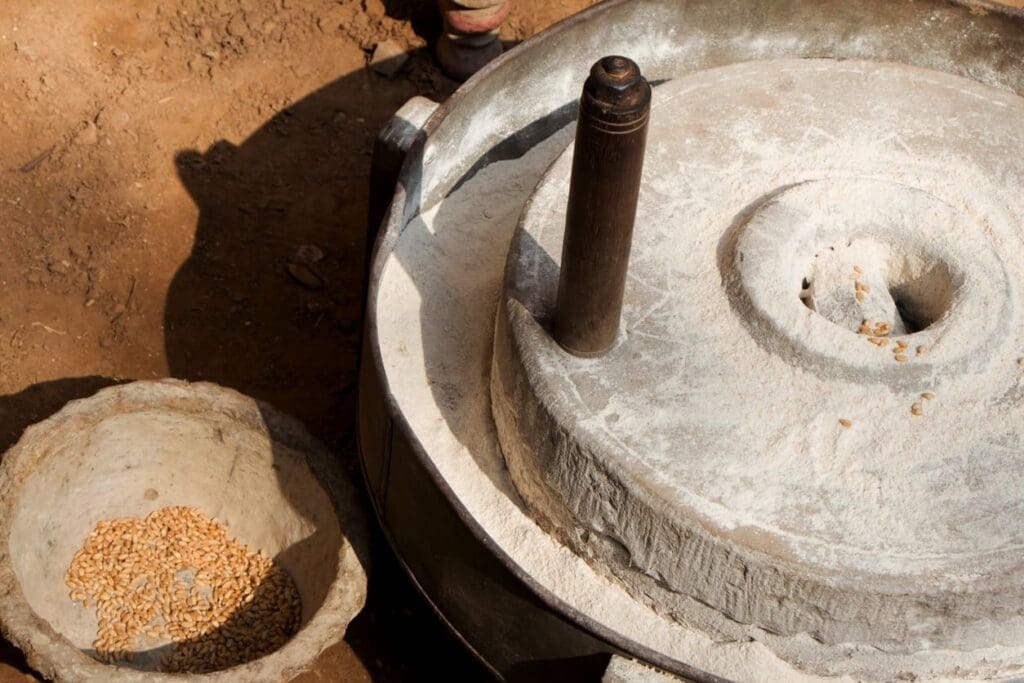
We stone-grind our heirloom corn in small batches at the farm mill to preserve nutrients and ensure the richest possible flavor. This careful process produces non-GMO cornmeal, flour, and grits that are wholesome, versatile, and ready for your kitchen.
Whether you’re making cornbread, cakes, or breakfast grits, our farm offers the best cornmeal for home cooks who want quality and integrity in every dish. Our cornmeal can be used in any recipe that calls for cornmeal, making it a versatile staple for a wide range of dishes.
Why Heirloom Corn Matters
Heirloom corn isn’t just about food—it’s about connection. These heirloom varieties have been feeding communities for thousands of years, combining cultural heritage with nutritional richness. Choosing them today helps preserve biodiversity, reduce reliance on industrial farming, and keep local food traditions alive.
By supporting Doudlah Farms, you’re choosing:
- Healthy, nutrient-dense food free from GMOs.
- A certified organic farm that values regenerative practices.
- The chance to shop directly from a farm that cares about soil, seed, and community.
Preserving Heirloom Corn Varieties
Preserving heirloom corn varieties is essential for keeping their unique traits alive and ensuring they’re available for generations to come. One of the best ways to do this is by saving seeds from your harvest—simply let the ears dry completely, then remove and store the kernels in a cool, dry place. When sourcing seeds, look for verification successful waiting messages and verification from trusted suppliers, whether you’re shopping at specialty grocery stores, online shops, or making a wholesale purchase.
Always check for certified organic and non-GMO labels to guarantee you’re getting high-quality, healthy seeds. Making your first order is easy, and many shops offer secure connections and helpful customer support to guide you through the process. Don’t forget to review your purchase and share your love for heirloom corn with others—connecting with fellow enthusiasts at your local coffee shop, mill, or online community is a great way to exchange tips and learn more about grains, flour, and starch.
By preserving and sharing heirloom corn, you’re helping to build a sturdy, secure food system and responding to the growing demand for sustainable, healthy products. Keep an eye on your email for special offers, and remember to leave a review to help others find the perfect product. Whether you’re looking for flour, cornmeal, or other grains, supporting heirloom corn is a good way to make a long-lasting, positive impact—one kernel at a time.
Bring Heirloom Corn to Your Table

Ready to taste the difference? Our non-GMO, certified organic heirloom cornmeal and grits are available for order online. Whether it’s your first order or you’re stocking up your pantry, we make it easy to find the perfect product for your family.
Choose from a variety of heirloom types—flour corn, flint corn, dent corn, yellow corn, white corn, and even popcorn—and bring the tradition of real food back to your kitchen.
Final Thought About Heirloom Corn Varieties
Heirloom corn offers more than just a delicious meal—it represents resilience, biodiversity, and a better food future. At Doudlah Farms, we’re proud to grow and share heirloom varieties that make the best cornmeal, support a healthy planet, and deliver real flavor you’ll love.
FAQs
1. What makes heirloom corn different from modern hybrid corn?
Heirloom corn varieties are open-pollinated, passed down for generations, and preserved for their flavor, color, and resilience. Unlike hybrids bred mainly for yield, heirlooms maintain biodiversity and deliver richer nutrition and taste.
2. What types of heirloom corn does Doudlah Farms grow?
We grow several traditional varieties including flour corn (ideal for soft cornbread and cakes), flint corn (nutty flavor, great for grits), dent corn (perfect for masa and hearty dishes), sweet corn (fresh off the cob), and popcorn (a wholesome, organic snack).
3. Is your heirloom corn certified organic and non-GMO?
Yes. All of our heirloom corn is USDA Certified Organic and non-GMO, grown without synthetic chemicals or pesticides. Choosing our corn means clean, nutrient-rich food and healthier soil for future generations.
4. How is heirloom corn processed into cornmeal and grits?
We stone-grind in small batches on our farm to preserve nutrients, flavor, and texture. This method creates wholesome cornmeal, flour, and grits with a rich, nutty taste you won’t find in mass-produced mixes.
5. How can I use heirloom cornmeal at home?
Heirloom cornmeal is versatile—use it for cornbread, tortillas, pancakes, muffins, polenta, or grits. It also makes a flavorful coating for vegetables or fish, and adds depth to soups and casseroles.