Baking is both an art and a science. Every choice you make—whether it’s selecting organic flour protein, balancing the right baking ingredients, or adjusting the rise time—affects the final result. If you’ve ever wondered why one recipe turns out light and airy while another feels heavy and dense, the answer often comes down to protein content and how it interacts with other ingredients like yeast, butter, eggs, and sugar to form a mixture that impacts the final baked good.
Take a moment to learn about how protein content and ingredient interactions can influence your baking outcomes.
At Doudlah Farms, we’re committed to helping every baker understand how these elements work together so you can become a better baker and enjoy more flavorful, nutrient-rich baked goods. There are so many things that can affect your baking results, from ingredient quality and protein content to mixing technique.
Organic flour is crafted from wheat varieties grown without synthetic pesticides, herbicides, or fertilizers, making it a top choice for bakers who value natural, sustainable ingredients. As more people seek out wholesome options for their kitchens, organic flour is gaining popularity for its purity and the way it supports both health and the environment. When you use organic flour in your baking, you’re working with a product that retains the natural qualities of wheat, which can enhance the flavor and nutrition of your bread, cakes, and other baked goods.
Understanding the science behind baking ingredients is especially important when working with organic flour. Leavening agents like baking soda and baking powder are essential for creating carbon dioxide bubbles, which help dough rise and give baked goods their light, airy texture. By combining organic flour with other natural ingredients such as brown sugar, eggs, and butter, you can produce delicious treats that are both satisfying and better for you. Whether you’re baking a rustic loaf of bread or a batch of cookies, knowing how these ingredients work together will help you achieve the best results.
There’s a wide variety of organic flours available, each offering unique benefits for different types of baked goods. Whole wheat flour, made from the entire wheat kernel, is rich in fiber and nutrients, making it a great choice for hearty breads and recipes where a robust flavor and texture are desired. All-purpose organic flour is a versatile blend of hard and soft wheat, suitable for everything from cookies to muffins, and provides a balanced protein content for most baking needs.
For those looking to bake yeast-based breads, organic bread flour is the go-to option. Made from hard wheat, it boasts a higher protein content, which helps create a strong gluten network for a chewy, well-risen loaf. On the other hand, if you’re aiming for a tender cake or delicate pastry, choosing an organic cake flour with lower protein content will result in a softer, finer crumb. Understanding the types of organic flour and their protein content allows you to select the right flour for your recipe, ensuring the perfect texture and rise in your finished baked goods.

The protein content of flour (expressed as a percentage) is one of the most important factors in baking science. Proteins in wheat—especially gliadin and glutenin—combine with water to form gluten, the elastic network that provides structure and allows dough to stretch without tearing. Gluten proteins are found in the endosperm of wheat grains, and their content is often represented by a number on flour packaging, which helps bakers choose the right flour. The protein content makes a significant difference in the final baked product, affecting its texture, rise, and structure.
This is why choosing the right wheat variety and flour type is so important—different varieties naturally produce different levels of protein, and are often tested and assigned a number to predict their gluten performance and end-use suitability.
The protein content in organic flour isn’t just determined by the type of flour—it’s also influenced by several key factors. The wheat variety used plays a major role; for example, bread wheat naturally contains more protein than pastry wheat, which means it produces flour better suited for chewy breads rather than tender cakes. Growing conditions, such as the amount of rainfall and sunlight the wheat receives, can also affect protein levels. Wheat grown in drier climates often develops higher protein content, which is ideal for baking bread that needs a strong structure.
Additionally, the way flour is milled can impact its protein content. Stone-milled flour tends to retain more of the wheat’s natural protein compared to roller-milled flour, which can strip away some of the grain’s nutrients. By understanding how wheat variety, growing environment, and milling process affect protein content, bakers can make informed choices and achieve the best possible results in their bread, cakes, and other baked goods.
For bakers who want to consistently achieve the perfect loaf or cake, knowing the protein content of their organic flour is essential. There are a couple of reliable methods for measuring protein levels. Near-infrared reflectance (NIR) spectroscopy is a quick, non-destructive way to analyze flour, using infrared light to determine protein content. The Kjeldahl method, on the other hand, is a laboratory technique that measures the amount of nitrogen in the flour, which correlates to protein levels.
By checking the protein content of your flour, you can tailor your recipes to suit your baking goals. For instance, if you want a bread with a high rise and chewy texture, opt for a flour with higher protein content. If you’re baking a delicate cake, a lower protein flour will help you achieve a tender crumb. Understanding and measuring protein levels empowers every baker to make adjustments and achieve consistent, delicious results.

In baking, the way ingredients work together is what creates flavor, texture, and the desired rise. When flour is mixed with water and yeast, fermentation begins, producing carbon dioxide bubbles that get trapped in the gluten network. This process gives bread its lift and airy texture.
Other baking ingredients also play a role:
Understanding how these elements affect one another is key to making consistently good baked goods.
Many conventional flours are sold with additives or conditioners, and often have added conditioners or ingredients to enhance texture or shelf life. But at Doudlah Farms, our focus is on pure, natural organic flour protein. This means the strength of the gluten and the final form of your bread, cake, or pizza crust comes directly from the quality of the grain—not chemical shortcuts.
Our wheat varieties are grown regeneratively, ensuring nutrient-rich soils that produce flour with authentic flavor and natural performance. This combination of careful farming and clean milling results in flour that helps you achieve better results while supporting the healthy soil movement.
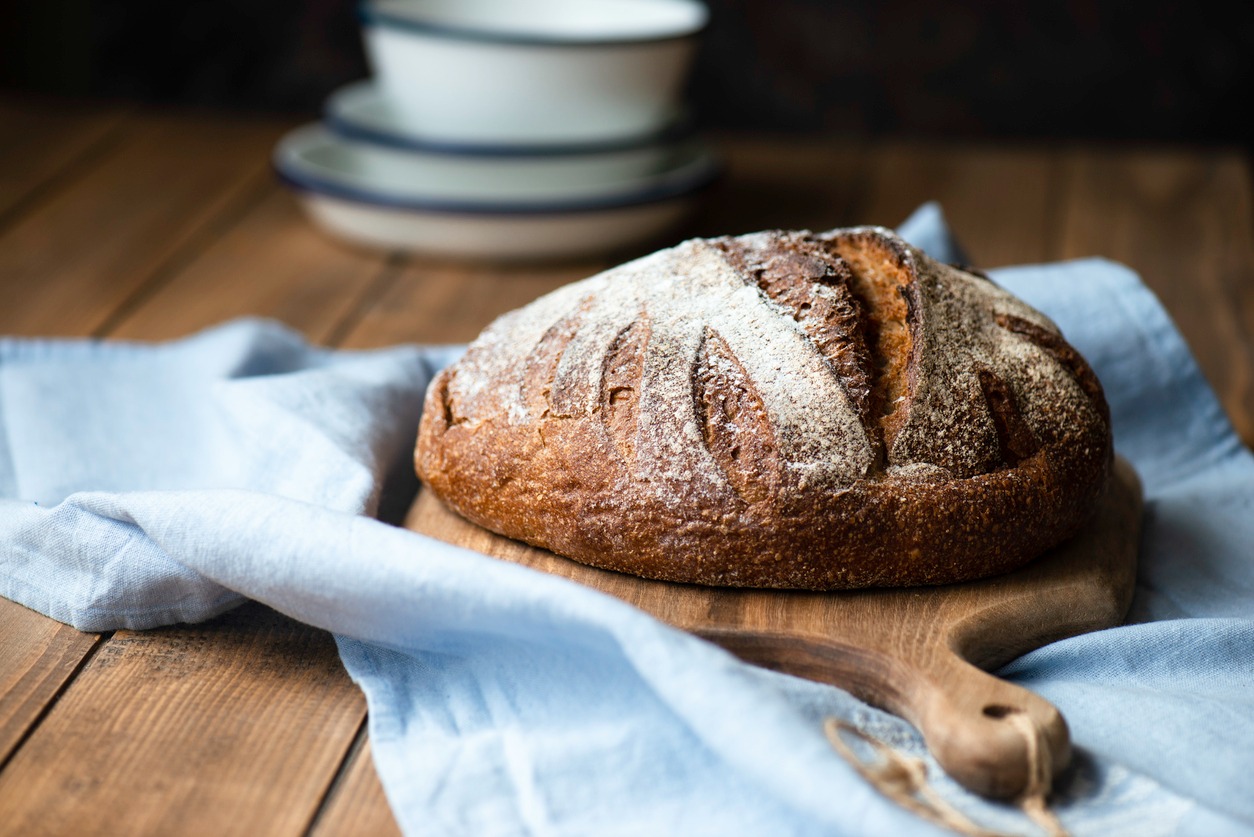
Whether you’re crafting a rustic loaf, stretching pizza dough, or whipping up a delicate cake, knowing your flour’s protein content can help you control the final texture. Higher protein flours give structure and chew, while lower protein options deliver tenderness and crisp, delicate crumb.
For best baking results, always check the expiration date on your leavening agents to ensure they are still effective. This article is a helpful resource for understanding organic flour protein and baking science. If you’d like more baking tips and updates from Doudlah Farms, sign up with your email to stay connected.
By choosing organic options, you’re not just becoming a better baker—you’re also supporting farming that offers cleaner food and a healthier future.

Baking with organic flour can be a rewarding experience, but it does come with its own set of challenges and opportunities. One helpful tip is to experiment with combining different organic flours to achieve the ideal protein content and texture for your baked goods. For example, mixing whole wheat flour with all-purpose flour can create a bread that’s both nutritious and pleasantly textured.
It’s also important to adjust the amount of liquid in your recipes, as organic flours often absorb more moisture than conventional flours. This means you may need to add a bit more water or milk to your dough or batter to get the right consistency. Additionally, because organic flours can be denser, you might need to increase the amount of yeast to ensure your bread rises properly. By understanding these unique characteristics and making small adjustments, you’ll be able to achieve the perfect rise, texture, and flavor in your baked goods. With practice and a willingness to experiment, you’ll become a better baker and enjoy the full benefits of baking with organic flour.
At Doudlah Farms, we take pride in offering organic, nutrient-dense flours from carefully selected wheat varieties. Our products empower bakers to create flavorful, nourishing baked goods while supporting sustainable farming.
The next time you check your pantry for supplies, remember: understanding flour’s protein content is the secret to improving your favorite recipes. With the right knowledge—and the right flour—you can achieve bakery-quality results at home.
Protein content measures the amount of gluten-forming proteins in wheat. Higher protein flours create stronger doughs with more chew and rise (great for breads), while lower protein flours make softer, tender baked goods (perfect for cakes and pastries).
Organic flour is grown without synthetic pesticides or fertilizers and retains more of wheat’s natural flavor and nutrients. Unlike conventional flour, it isn’t boosted with chemical conditioners—its performance comes directly from the quality of the grain.
Protein levels depend on the wheat variety, growing conditions (rainfall, soil health, climate), and milling process. For example, wheat grown in drier climates typically has higher protein, and stone-milled flour often retains more natural nutrients.
Yes, sometimes. Organic flours tend to absorb more liquid than conventional ones, so you may need to slightly increase water or milk in your recipe. For yeast breads, a little extra rise time or yeast can also help. Small adjustments ensure light, flavorful results.