As interest in sustainable food continues to grow, many shoppers are asking an important question: regenerative vs organic—what’s the difference, and does it really matter? While both approaches aim to improve how food is grown, they take different paths toward protecting the land, supporting farmers, and producing healthy food.
Understanding how organic farming and regenerative agriculture work—individually and together—can help consumers make informed choices that support sustainable agriculture, long-term soil health, and resilient food systems.
Sustainable agriculture is an approach to farming that prioritizes the long-term health and productivity of the land, while also safeguarding environmental sustainability and human health. At its core, sustainable agriculture is about nurturing soil health, maintaining soil fertility, and conserving natural resources so that farming can continue to satisfy human food needs for generations to come.
This philosophy goes beyond short-term yields, focusing instead on sustainable farming practices that protect the environment and promote ecological balance. By minimizing the use of synthetic fertilizers and pesticides, sustainable farming helps preserve water quality, support biodiversity, and reduce the environmental impact of food production.
Organic farming and regenerative agriculture are two leading examples of sustainable farming practices. Both aim to enhance soil health, promote ecological balance, and ensure that food production remains viable without depleting the natural resource base. Organic certification, such as USDA Organic certification, sets strict standards for environmental sustainability and human health, giving consumers confidence in the products they choose.
Ultimately, sustainable agriculture is about creating resilient agricultural systems that can adapt to changing conditions, protect the land, and provide healthy food while supporting the well-being of farmers, communities, and the planet.
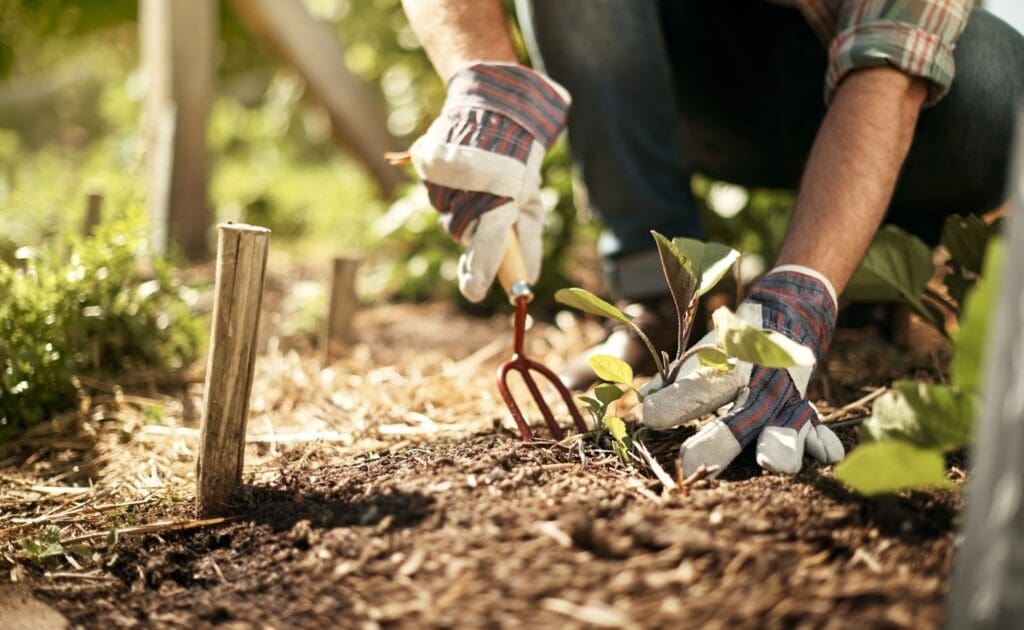
Organic farming is defined by clear, enforceable rules. Farms that earn organic certification must follow USDA organic regulations, which strictly limit the use of synthetic fertilizers, synthetic pesticides, and other chemical inputs. The Department of Agriculture is responsible for establishing and overseeing organic standards, ensuring that organic practices are defined and regulated through national policies and certifications.
Key principles of organic farming include:
Organic farming is a production system that integrates cultural, biological, and mechanical processes to foster cycling of resources and promote ecological balance.
USDA organic certification gives consumers confidence that food is grown according to national organic standards designed to protect human health, soil, and the environment. Organic certification is governed by established government standards, while regenerative agriculture is still developing standardized certifications. Organic certification requires farmers to adhere to strict guidelines that prohibit synthetic fertilizers and pesticides.
Regenerative agriculture builds on many organic principles but goes further by focusing on restoring ecosystems rather than simply reducing harm. The goal of regenerative agriculture is to improve soil quality, strengthen soil structure, and rebuild the natural resource base that farming depends on.
Regenerative systems emphasize:
These practices help farms improve long-term productivity while reducing reliance on nonrenewable resources.

When comparing regenerative vs organic, the biggest difference lies in focus:
Organic farms follow defined practices; regenerative farms adapt their farming practices to local conditions to improve agricultural systems over time. Many regenerative farms are certified organic, but not all organic farms use regenerative methods.
Both approaches value soil, but regenerative agriculture places soil health at the center of every decision. Practices such as conservation tillage, nutrient cycling, and managing organic waste help improve soil fertility, enhance soil fertility, and strengthen soil structure.
Healthy soil:
Regenerative practices significantly increase soil carbon and enhance soil fertility. Regenerative agriculture also increases soil organic matter, enabling land to retain significantly more water.
This focus on improving soil health allows farms to enhance environmental quality while maintaining agricultural productivity.
Organic farming reduces environmental impact by limiting chemical fertilizers and synthetic pesticides. Regenerative systems go further by rebuilding natural resources, restoring ecosystem services, and helping agriculture adapt to climate pressures.
Together, these systems:
Healthy soils also play a role in food security as the global population grows.

Sustainable food systems must balance environmental protection with economic viability. Both organic farming and regenerative agriculture aim to support farm operations that remain productive, profitable, and resilient.
By improving soil fertility and supporting integrated pest management, farms can:
These approaches help satisfy human food needs while preserving resources for future generations.
Consumer demand for healthy food is reshaping modern agriculture. Choosing organic food—or supporting farms that use regenerative agriculture—helps promote sustainable practices that protect soil, water, and local ecosystems.
When consumers understand regenerative vs organic, they gain the power to:
Every purchase is a vote for the kind of agricultural economy we want to sustain.
At Doudlah Farms, organic certification is just one part of a broader commitment to improving soil health, protecting natural processes, and strengthening local ecosystems. The farm incorporates integrated and environmentally friendly animal production practices, ensuring livestock management supports environmental protection, resource efficiency, and long-term sustainability. By focusing on soil fertility, conservation tillage, and responsible farming practices, the farm works to improve soil and promote ecological balance year after year.
Unlike conventional agriculture, which relies heavily on chemical inputs, pesticides, and large-scale mechanization with significant environmental impacts, Doudlah Farms prioritizes natural and regenerative methods. The farm has shifted away from conventional practices, adopting sustainable and regenerative systems that reduce chemical use and support ecosystem health.
This integrated approach supports food security, environmental impact reduction, and long-term agricultural productivity.
The choice between regenerative vs organic isn’t about picking a winner—it’s about understanding how both contribute to a healthier, more sustainable food system. Organic farming provides essential safeguards, while regenerative agriculture pushes farming toward deeper restoration.
Together, they represent the future of sustainable agriculture.
The biggest difference is focus. Organic farming follows defined certification standards that limit synthetic fertilizers and pesticides. Regenerative agriculture goes further by prioritizing outcomes—specifically improving soil health, restoring ecosystems, and strengthening long-term farm resilience. Many regenerative farms are also certified organic, but not all organic farms use regenerative methods.
Rather than being “better,” regenerative and organic farming serve complementary roles. Organic farming provides essential safeguards for human health and the environment, while regenerative agriculture builds on those standards by actively restoring soil and natural resources. Together, they represent a more complete approach to sustainable agriculture.
Organic farming is regulated through USDA Organic certification with clear national standards. Regenerative agriculture is still developing standardized certifications, though programs like Regenerative Organic Certification® (ROC) combine organic requirements with additional soil health, animal welfare, and social fairness criteria.
Soil health is the foundation of regenerative systems. Healthy soil holds more water, supports beneficial microorganisms, reduces erosion, and improves crop resilience. By increasing soil organic matter and fertility, regenerative practices help farms produce food while protecting the land for future generations.
5. How do consumer choices support regenerative and organic farming?
When consumers choose organic food or support farms using regenerative practices, they help drive demand for sustainable farming systems. Every purchase supports healthier soil, cleaner water, stronger rural communities, and a food system designed for long-term environmental and human health.