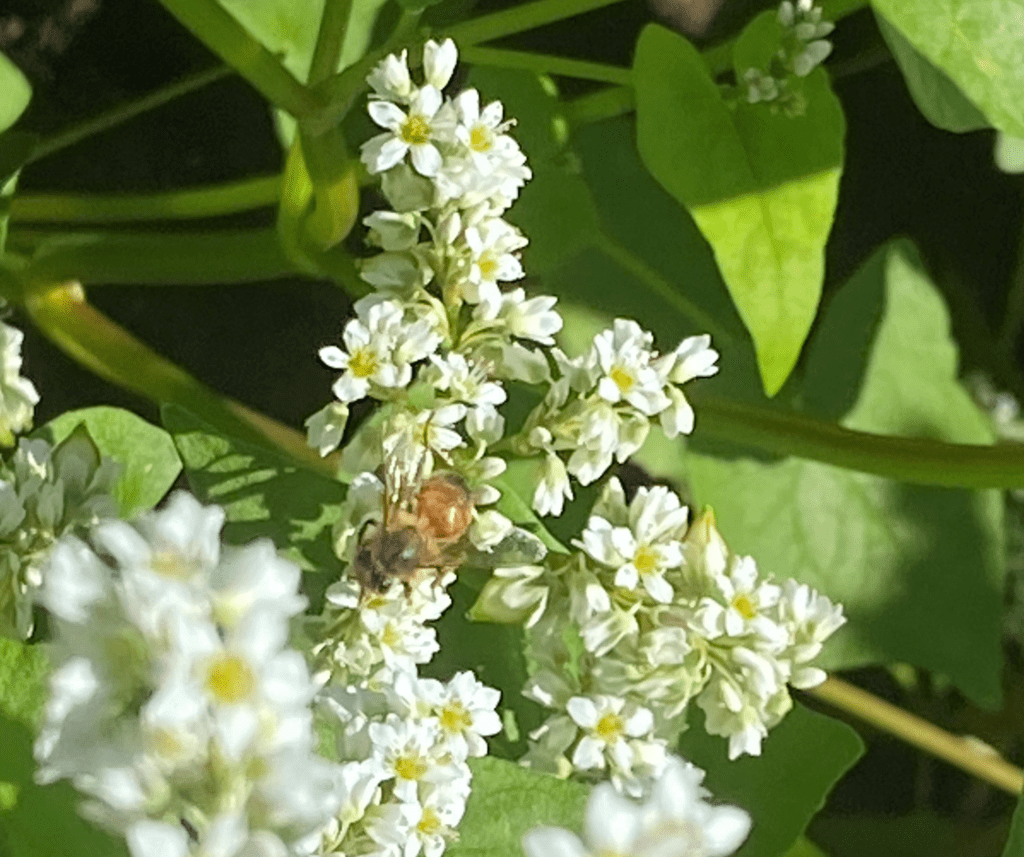
Every spring at Doudlah Farms, something remarkable happens alongside our regular crop planting. A strip of land that could easily have been left as bare dirt or mowed grass begins to erupt in a vibrant bloom of clover, native wildflowers, phacelia, and sunflowers. It hums with active life. That hum is not an accident; it is a strategic choice. Protecting wild pollinators directly influences soil health and biodiversity across our entire agricultural footprint, proving that sustainable ecosystem management is the ultimate anchor for long-term harvest resilience.
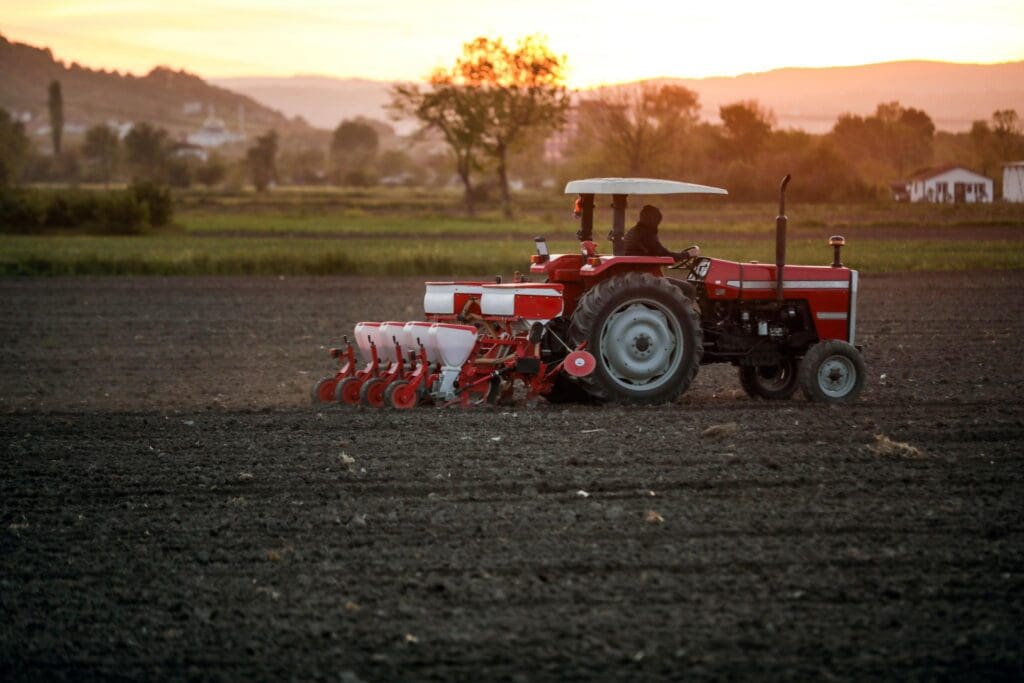
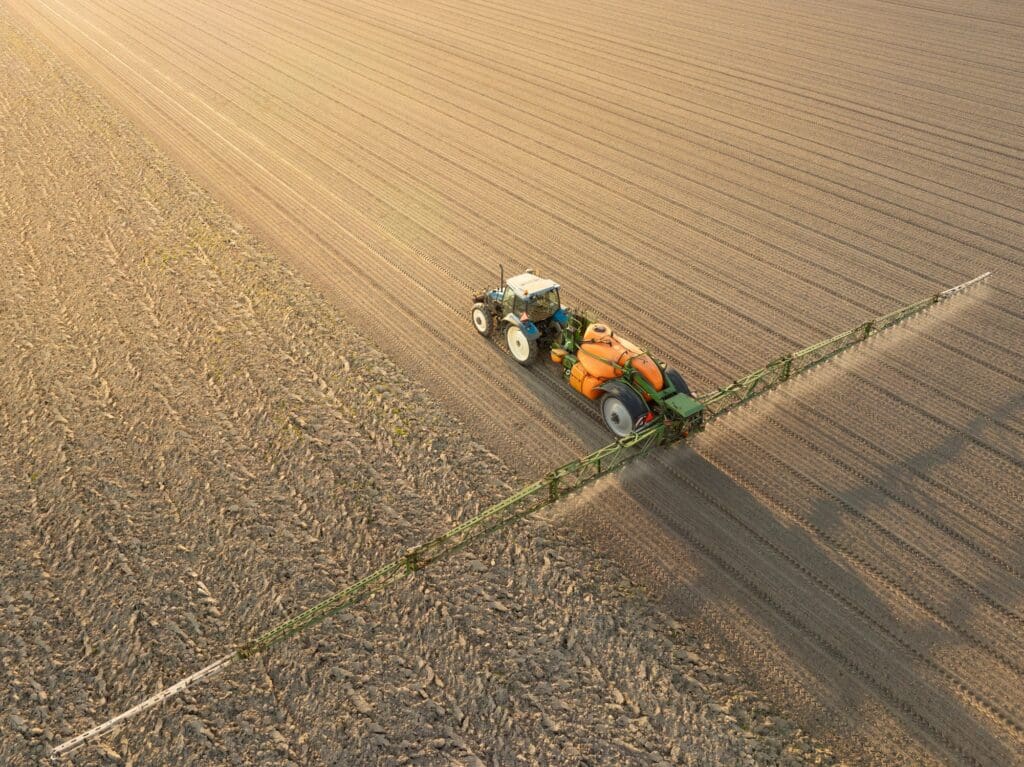
Most years, our neighbors plant in early May. We watch them. We wait. For three weeks after the conventional fields next door are seeded, we do not put anything into the ground. To preserve our certification and insulate our crops from chemical drift, we hold our position. This three-week window is a stark, rarely discussed reality of the operational organic farming challenges we navigate. It is not a symbolic choice; it compresses our timeline and directly impacts yield.
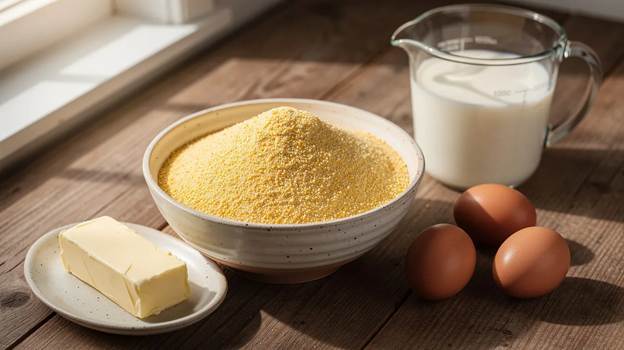
Working with cornmeal is structurally identical to classical stonecraft: the permanence of the final creation depends entirely on the raw material, the precision of the cut, and the patience of the finish. In modern kitchens, selecting the proper grind size matters significantly more than most bakers realize. By mastering how cornmeal particles absorb moisture compared to traditional wheat flours, home bakers can elevate simple pantry staples into extraordinary homemade cornbread, delicate cakes, and flawlessly crisp coatings.
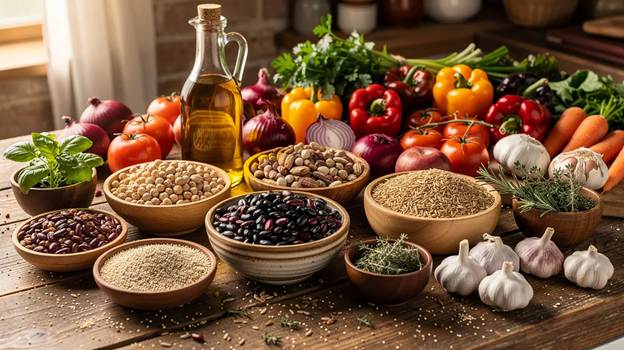
Clean food in 2026 is no longer about chasing hyper-restrictive diet trends or moralizing your grocery cart. Instead, the focus has shifted toward practical, real-food nutrition that prioritizes raw ingredient matrices over isolated nutrients. Consumers are actively stepping away from ultra-processed options, chemical stabilizers, and unpronounceable additive lists in favor of time-tested pantry staples. By returning to ancient crops, heirloom varieties, and regional pulses, home cooks are unlocking the compounding health benefits of whole grains and beans to achieve steady, sustainable metabolic vitality.
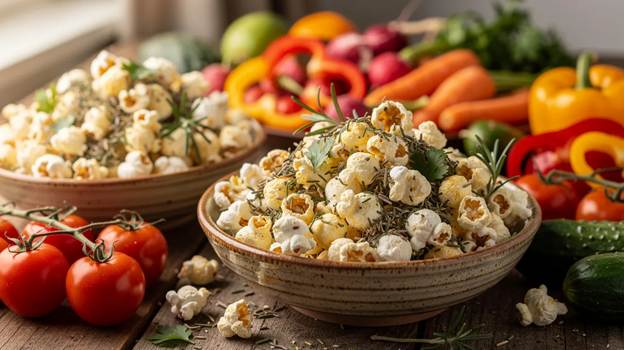
In many Midwestern kitchens, popcorn has been a familiar comfort snack for generations. But most of us still stop at a basic bowl tossed with melted butter and salt. It is time to rethink this pantry staple. By upgrading to clean, certified organic, non-GMO kernels, you gain a versatile, whole-grain canvas perfect for experimenting with creative popcorn recipes. From crisp morning parfaits and savory protein coatings to decadent dessert toppings, high-quality popped corn can easily step out of the movie theater and into your daily meal prep.
Picture a shopper walking through a local food co-op, staring at an array of butterflies, seals, and “all-natural” promises on packaging. It is no wonder consumers feel overwhelmed. To cut through the marketing noise, understanding the rigorous organic certification process is essential for protecting your family’s health and supporting authentic agriculture. Regulated under federal law, this multi-year compliance system acts as a transparent shield, legally guaranteeing that your food was grown without synthetic pesticides, genetically modified organisms, or chemical fertilizers.
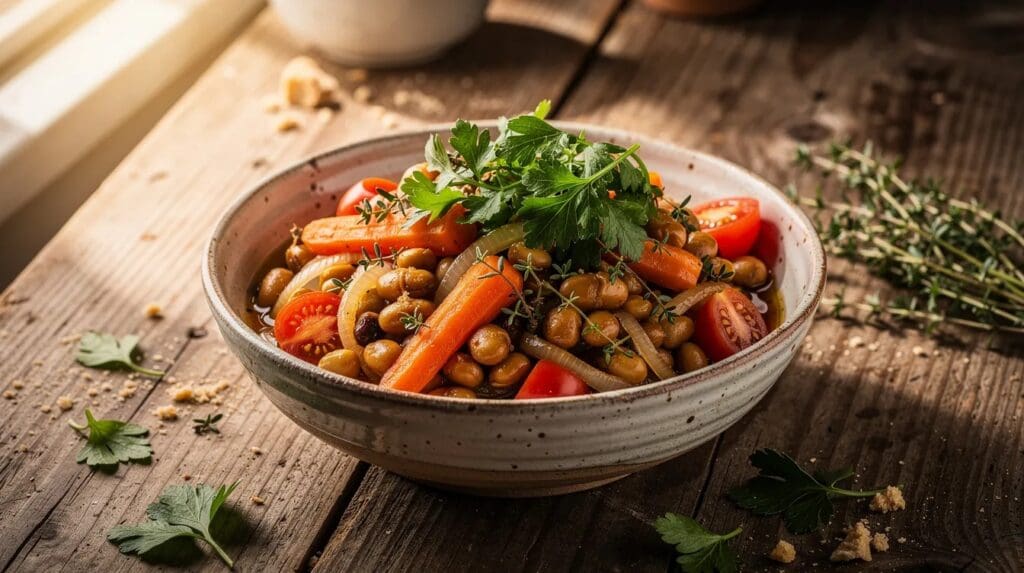
When constructing a vibrant lifestyle focused on longevity, look no further than your pantry. Exploring the profound benefits of beans for heart health reveals a simple, pocket-friendly whole food capable of transforming your cardiovascular system without a radical diet overhaul. As a nutritional powerhouse brimming with soluble fiber, plant protein, magnesium, and active potassium, daily bean consumption targets the leading modifiable risk factors of heart disease. Learn how substituting heavy saturated fats with clean, organic legumes can actively clear your arterial pathways, stabilize blood glucose, and safeguard your vascular vitality.
Fuel prices and vehicle maintenance debts are driving up the cost of modern living. In 2026, the data behind eBike vs gas car cost 2026 comparisons presents an undeniable financial reality: substituting short-to-medium commutes with an electric bike can save you thousands of dollars annually. With the average cost of vehicle ownership hovering near $12,000 per year, converting those standard 5-to-15 mile cross-town trips into a scenic ride along the Southwest Commuter Path is a powerful way to eliminate fuel expenses, delete parking headaches, and inject low-impact wellness into your daily schedule.
Glyphosate is the most widely used herbicide in history, often found in high concentrations in conventional oats, wheat, and legumes. Because residues can persist even in some organic crops due to environmental drift, the label glyphosate-free food is becoming a critical benchmark for purity. By choosing products that undergo independent laboratory testing, consumers can ensure their diet supports long-term health and the gut microbiome while avoiding controversial “probably carcinogenic” chemicals.
Your gut microbiome is a complex ecosystem of trillions of microbes that influence everything from your immune strength to your daily mood. Gut health organic food plays a dual role in supporting this system: it provides the essential prebiotic fibers that fuel beneficial bacteria while minimizing exposure to synthetic pesticides like glyphosate, which emerging research suggests may disrupt microbial balance. By choosing “Tested Clean,” organic whole foods, you are providing your digestive system with the pure, nutrient-dense fuel it needs to thrive.