Earl Doudlah used to carry a bucket out to the fields every morning, long before anyone was talking about soil health or Wisconsin organic farm practices as a category. He just knew that a farm was only as good as the ground underneath it. Six generations later, that bucket is in our logo because it’s in our DNA. This is the story of how a Wisconsin family farm ended up holding USDA Organic, MOSA, Biodynamic, and Real Organic Project certification, and why we’ll never outsource a single bag to keep the shelves full.
Key Takeaways
• Doudlah Farms is a sixth-generation family farm in Evansville, Wisconsin, built on Earl’s belief that healthy soil is the foundation of everything else.
• Mark Doudlah’s philosophy carries that forward: never outsource, never compromise. What you buy from us is genuinely grown on our Wisconsin land.
• The family has pursued higher standards alongside the Real Organic Project, not instead of its own testing program.
• Regenerative practices, cover crops, rotational grazing, and no-till farming are the throughline connecting Earl’s era to today.
• Decades of soil investment are what drive nutrient density up. The land has gotten healthier over generations, and the food reflects that.
Earl and the Bucket: Where It Started
Earl Doudlah didn’t have a laboratory or a certification binder. What he had was a bucket, a set of fields, and a conviction that the health of a crop started with the health of the ground it grew in. He walked those fields every morning, paying attention to what the soil was telling him long before soil biology was something you could send off to a lab and get a report on.
That habit, showing up, paying attention, treating the land as something to be stewarded rather than simply used, is the seed from which everything at Doudlah Farms grew. It’s why the bucket is in our logo. It isn’t decoration. It’s a reminder of where the standard came from.
Six Generations of Soil: What That Actually Means
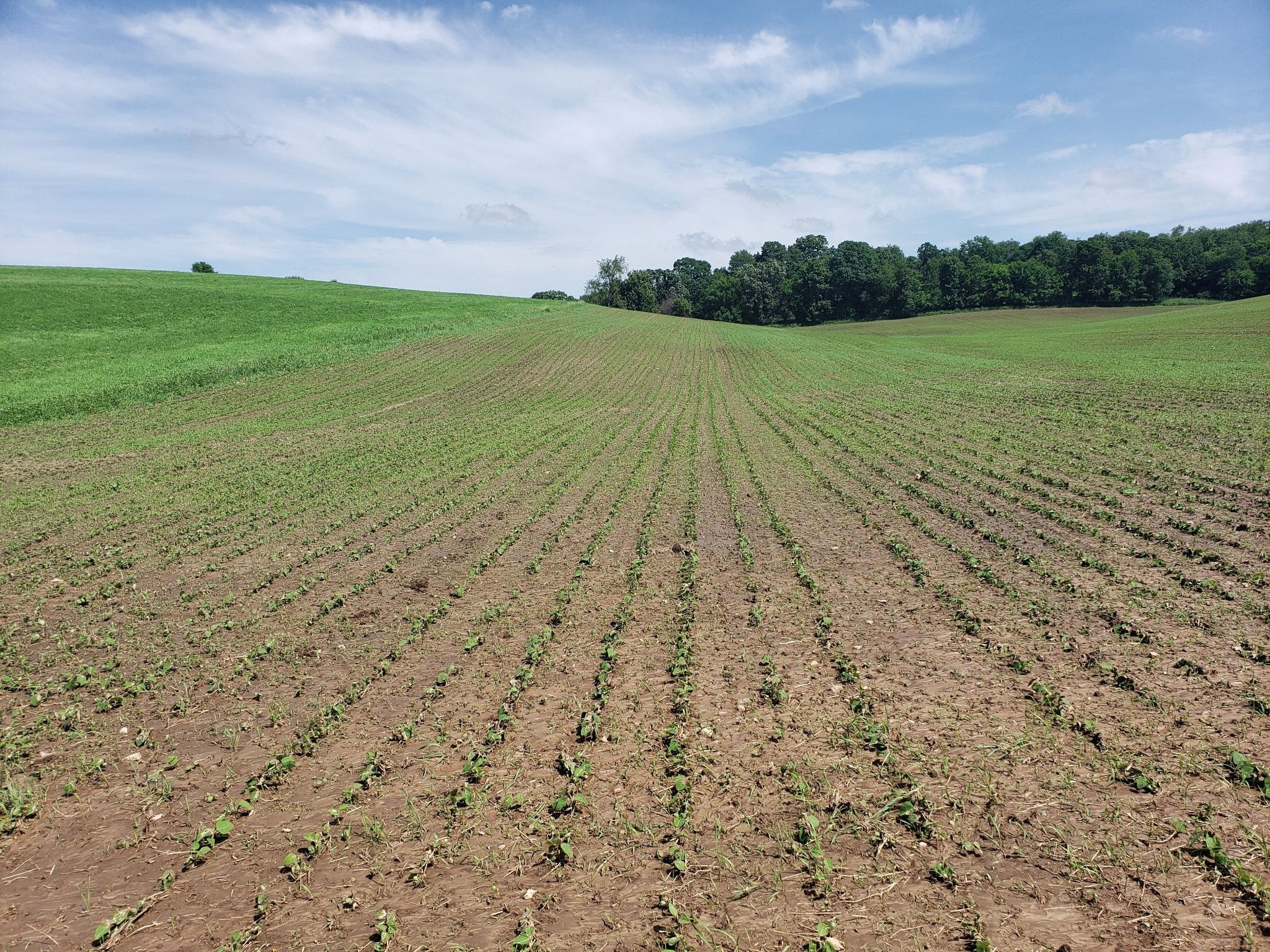
Six generations of farming the same land in Evansville, Wisconsin, isn’t just a nice detail for a brand story. It means six generations of decisions about how to treat the soil, decisions that compound. A field farmed with care for sixty years behaves differently from one farmed hard for the same stretch of time. Structure, organic matter, and biological life build up slowly, and they can be undone quickly by the wrong choices.
Our family has chosen, generation after generation, to build rather than extract. You can read more of that history on our About Us page.
Mark’s Philosophy: Never Outsource, Never Compromise
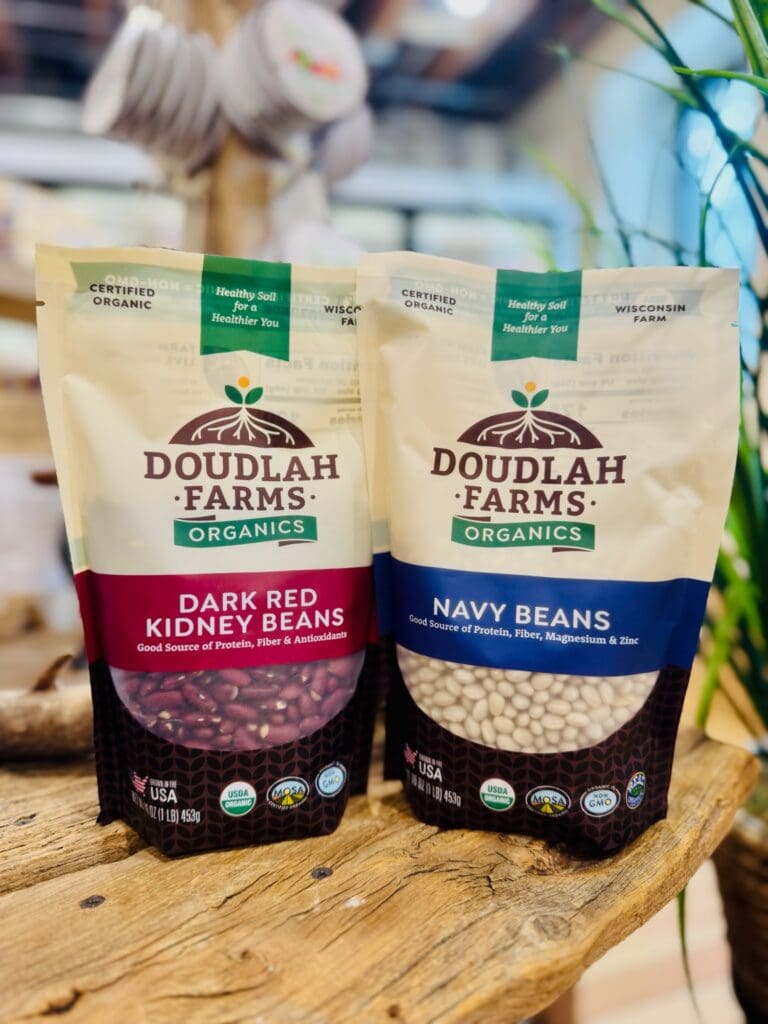
Mark Doudlah runs the farm today with a rule that sounds simple and isn’t always easy to keep: Doudlah Farms does not outsource products from other countries when inventory is low. If a bag of our beans or popcorn is on a shelf, it was genuinely grown right here in Wisconsin. Full stop.
That rule costs something. It would be easier, in a lean year, to fill gaps with products from somewhere else and let the label do the rest of the talking. Mark’s answer has consistently been no. The trust behind our name only means something if it’s true every single time, not just when it’s convenient.
Chasing Higher Standards, Alongside the Real Organic Project
The family’s pursuit of higher standards didn’t stop at USDA Organic, MOSA, and Biodynamic certification. We’ve championed the Real Organic Project alongside our own testing program, not as a replacement for it, but as part of the same ongoing effort: proving, not just claiming, that our food is grown the way we say it is.
That’s a family trait as much as a business decision. Every generation of Doudlahs has asked what the next standard should be, rather than settling for the one already met. Testing for over 220 chemicals, including glyphosate, is simply the current chapter of that same habit.
Regenerative Farming as the Throughline

Cover crops, rotational grazing, and no-till planting connect Earl’s era to today more directly than almost anything else on the farm. These aren’t new ideas we adopted to chase a trend. They’re an extension of the same instinct Earl had with his bucket: pay attention to the soil, and don’t take more from it than you give back.
Practically, that means fields that rest and rebuild on a rotation, ground that’s rarely left bare, and livestock and cover crops doing work that used to require synthetic inputs. It’s slower than conventional farming in some ways. It’s also the reason the land is in better shape today than it was several generations ago, not worse.
Decades of Soil Investment, Measured in Nutrient Density
Here’s where six generations of patience show up on your plate. Soil that’s been built up over decades, rather than mined for one good season, gives crops better access to the minerals and compounds that make food nutrient-dense. That’s not a marketing claim; it’s the direct, practical outcome of treating soil health as a multi-generational project instead of a yearly input decision.
The land itself has gotten healthier over time, and the food grown in it reflects that. It’s the clearest throughline from Earl’s bucket to the bag of beans on your counter today.
Priced for What’s Actually In It
We hear it sometimes: our products cost more than the conventional version on the shelf next to them. That’s true, and we don’t think it should be brushed past. But it’s worth separating price from value. This isn’t food priced for scarcity or exclusivity. It’s food priced for what’s actually in it, decades of soil work, verified testing, and certifications that mean something specific.
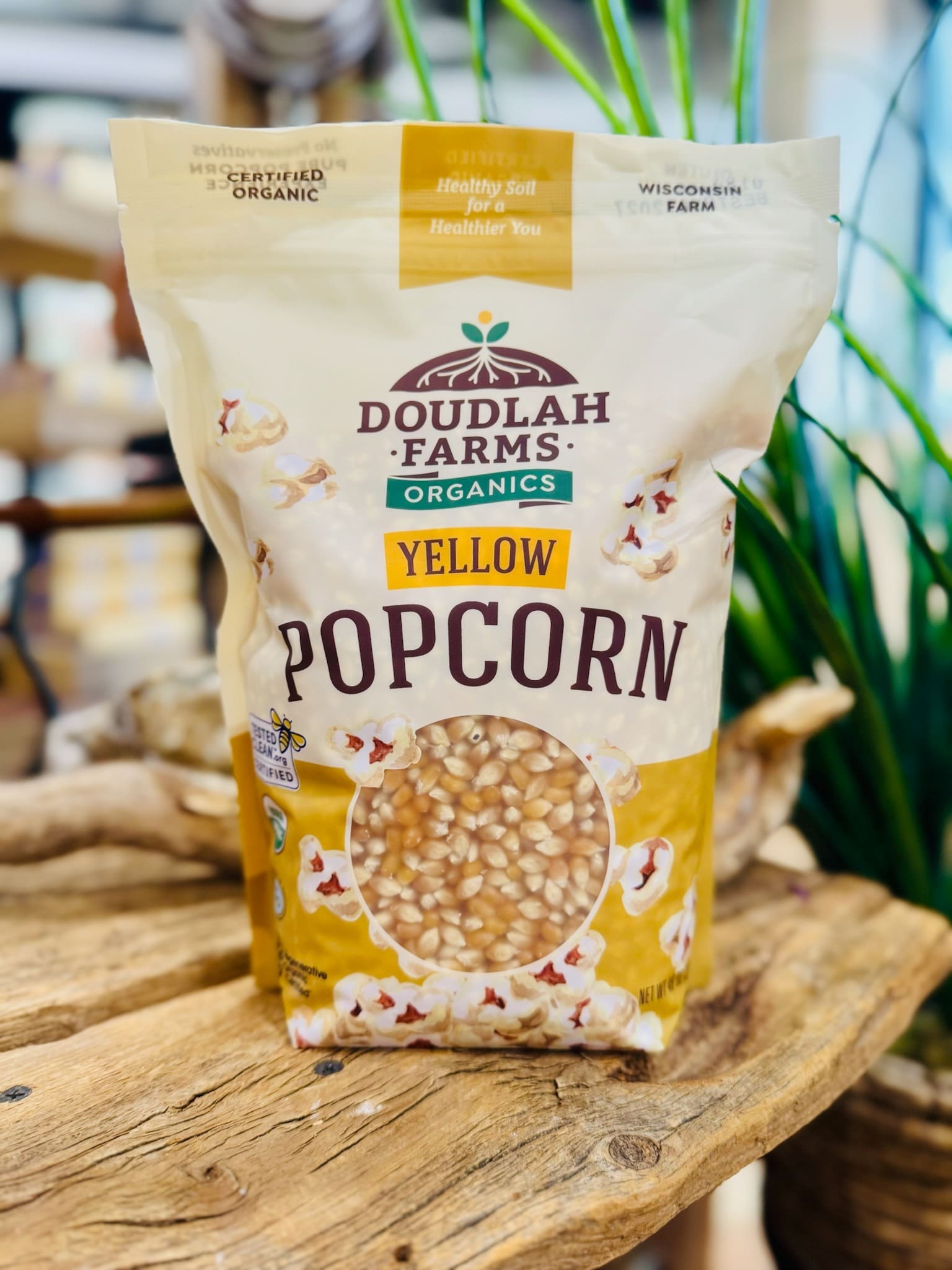
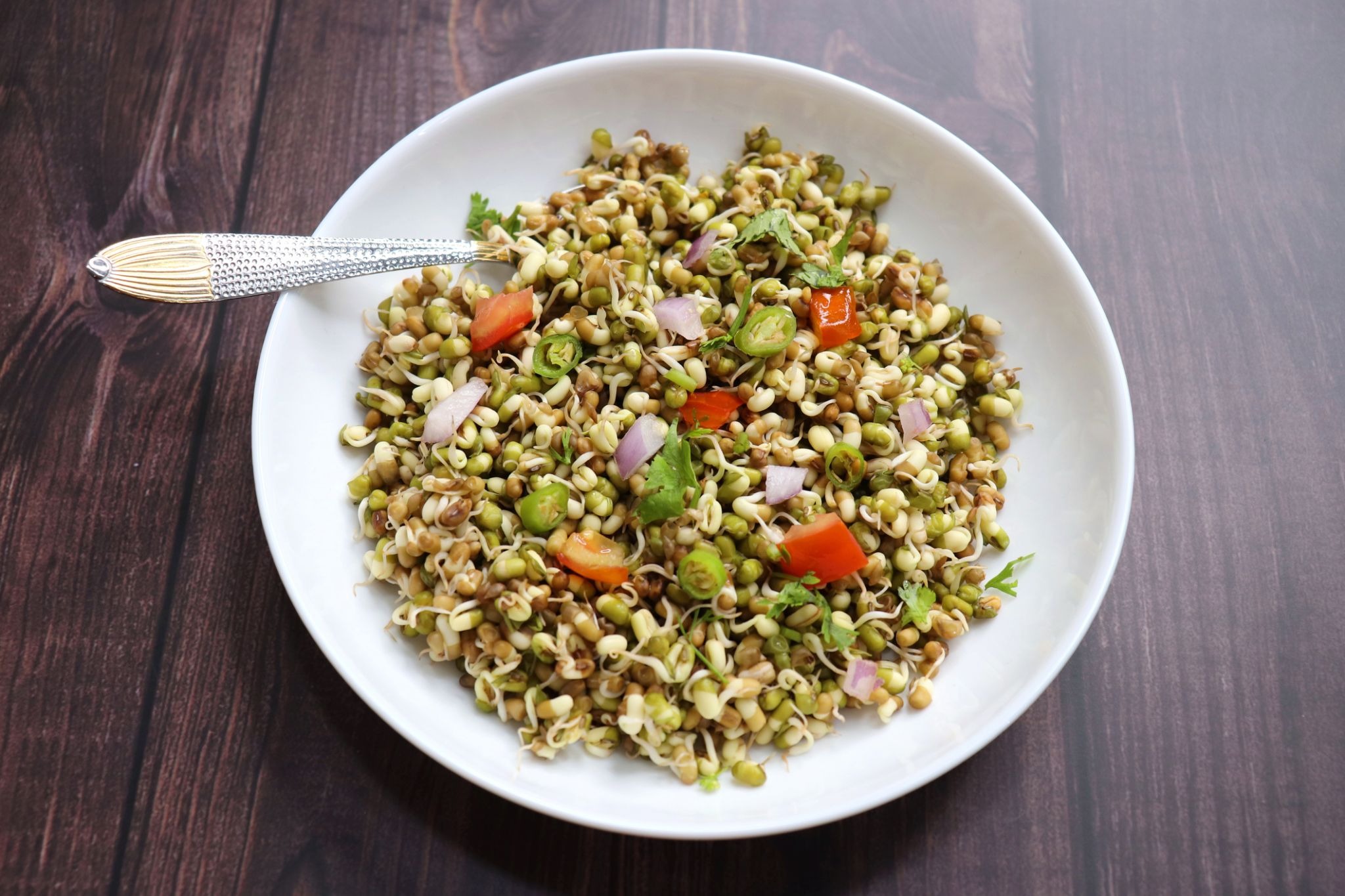
Measured dollar for dollar against what you’re actually getting, nutrient-dense food grown in soil that’s been cared for across six generations can beat conventional food on value, not just on principle. You can put that to the test yourself with a batch of recipes built around our beans, popcorn, and stone-ground flours.
Sixth Generation, Zero Compromises: FAQ
Quick, standalone answers to the questions we hear most often about our farm and family.
How many generations has the Doudlah family farmed this Wisconsin land?
The Doudlah family has farmed in Evansville, Wisconsin, for six generations, starting with Earl Doudlah’s early focus on soil health and continuing today under Mark Doudlah. That history is the foundation for the farm’s current organic, Biodynamic, and Real Organic Project practices.
Does Doudlah Farms ever source products from outside Wisconsin?
No. Doudlah Farms does not outsource products from other countries or other farms when inventory runs low. Every bag sold under the Doudlah Farms name is genuinely grown on the family’s own Wisconsin land, even during periods of limited supply.
What is the story behind the bucket in the Doudlah Farms logo?
The bucket represents Earl Doudlah, who carried one out to the fields every morning to check on the health of the soil. It symbolizes the farm’s founding belief that healthy soil is the foundation of healthy food, a principle that still guides the family’s regenerative practices today.
How does the Real Organic Project fit into the Doudlah Farms story?
The Doudlah family has championed the Real Organic Project alongside its own testing program, using both as part of an ongoing effort to prove, not just claim, higher farming standards. It reflects a family pattern of pursuing the next standard rather than settling once a certification is met.
Why does regenerative farming matter for nutrient density?
Soil that has been built up through cover cropping, rotational grazing, and no-till practices over many years gives crops better access to minerals and compounds tied to nutrient density. Decades of this kind of soil investment are a meaningful reason Doudlah Farms products test as nutrient-dense as they do.
Ready to taste six generations of soil work for yourself? Buy from the farm that wrote the blueprint.
Learn more about our standards on the Beyond Organic and certifications pages, see the Tested Clean results for yourself, or find us near you on our Find Us page.