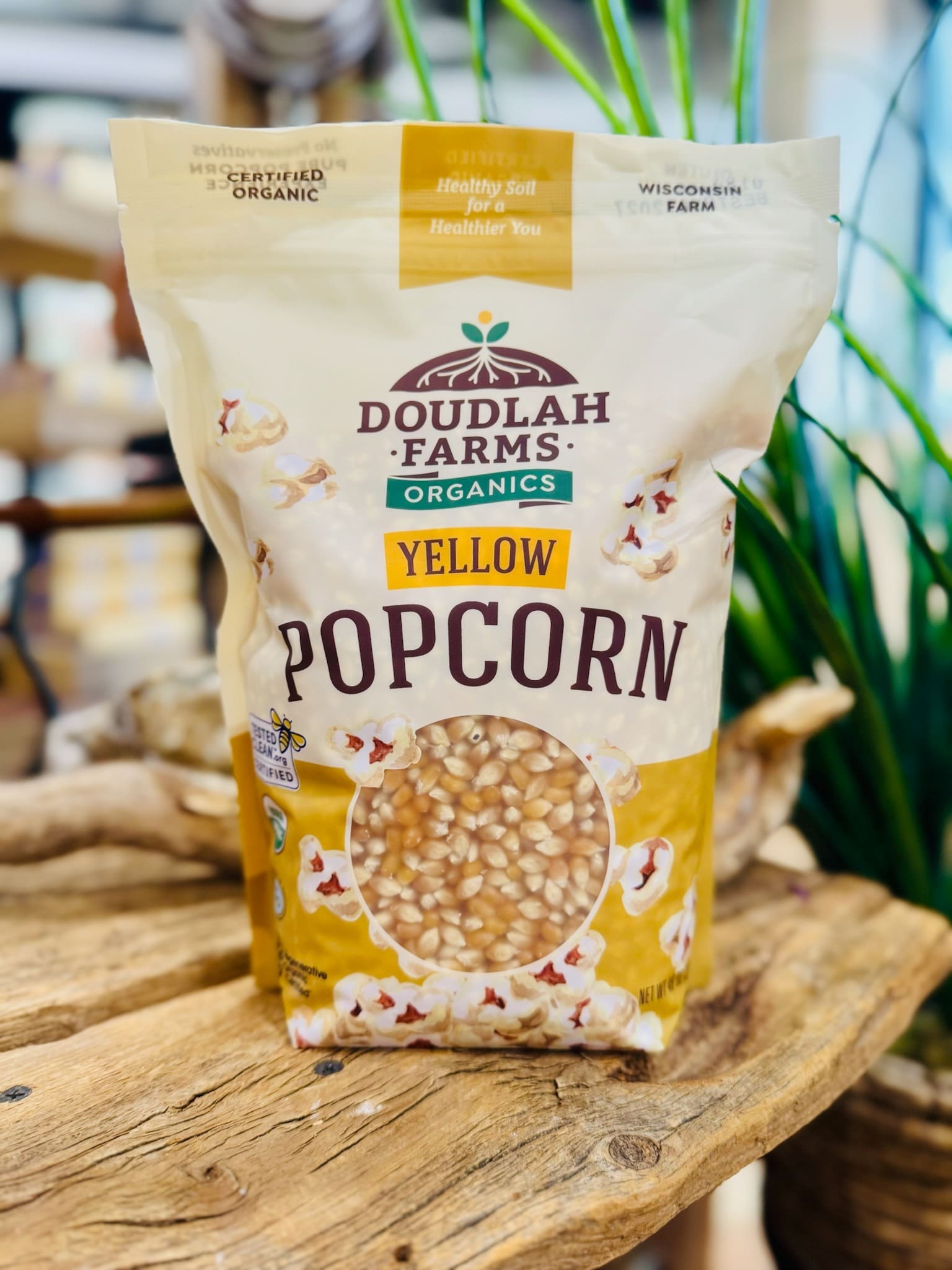
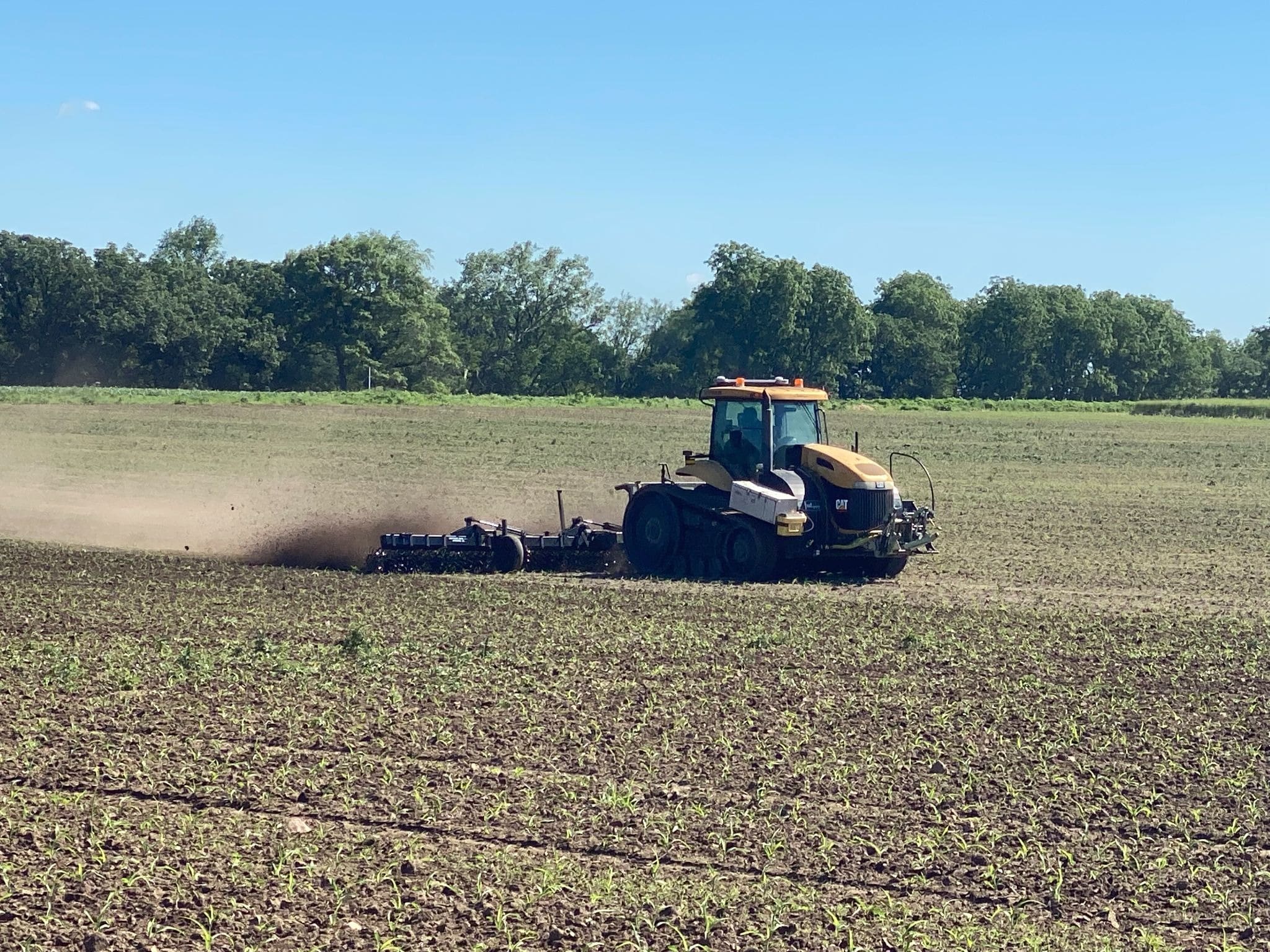
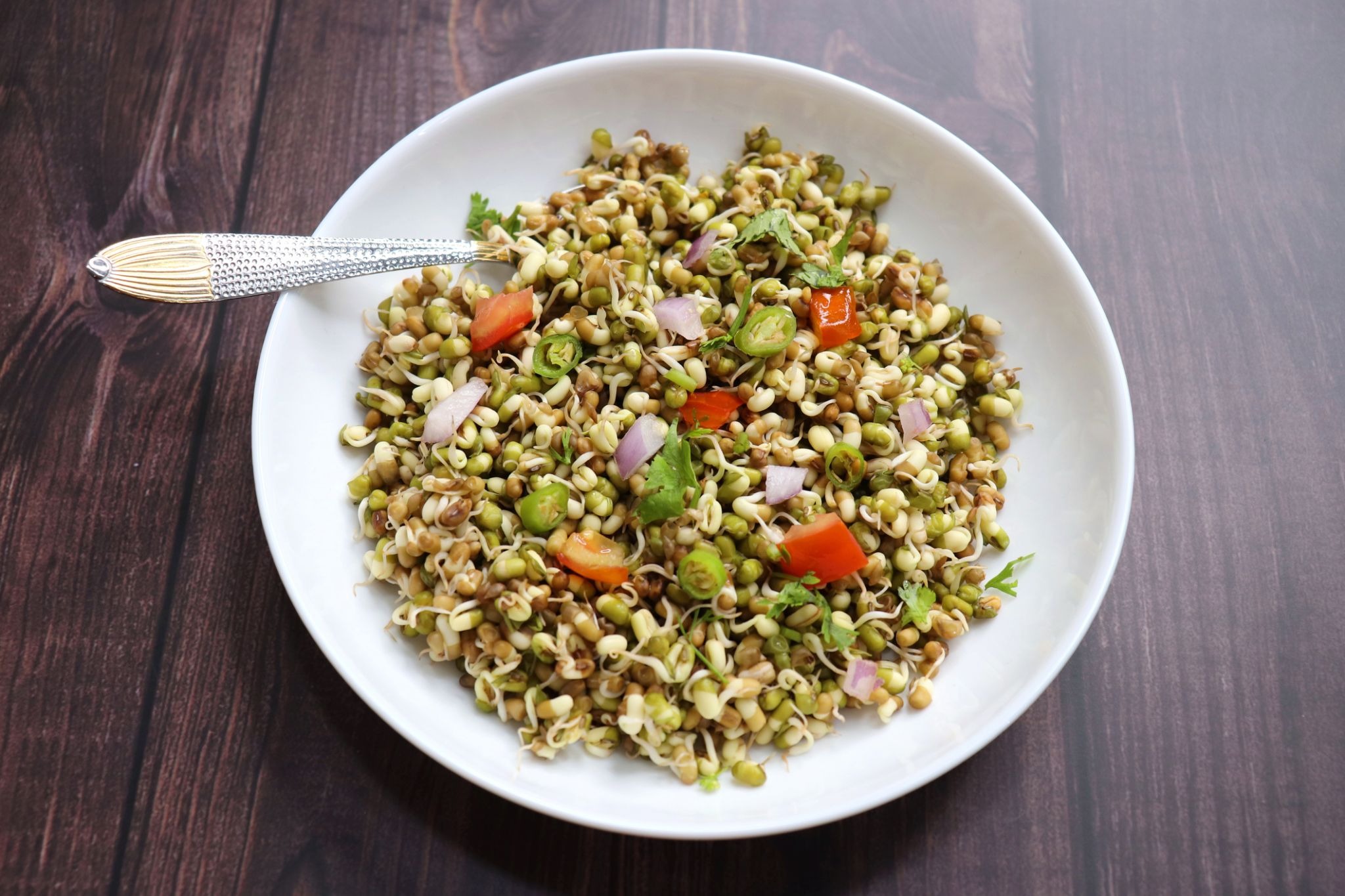
If you’ve ever stood in a grocery aisle reading a label twice, you’ve probably asked yourself what organic really means. The USDA Organic seal tells you a lot: no synthetic pesticides, no GMOs, no sewage sludge on the soil. That’s a real, meaningful standard, and it’s the reason we build on top of it rather than around it. At Doudlah Farms, we hold USDA Organic, MOSA, Biodynamic, and Real Organic Project certification, and we test every harvest for over 220 chemicals we aren’t required to test for. Here’s what USDA Organic actually guarantees, where the gap is, and why the extra work matters for what ends up on your plate.
Key Takeaways
• USDA Organic sets a real, credible floor for how food is grown. It just isn’t the whole picture.
• Doudlah Farms builds on that floor with MOSA, Biodynamic, and Real Organic Project certification, plus testing for 220+ chemicals we aren’t required to test for.
• The Real Organic Project is a national precedent for exactly this kind of add-on standard. We didn’t invent the idea. We adopted it.
• Regenerative practices like cover cropping, no-till planting, and crop rotation are what make our higher testing bar possible in the first place.
• Healthier soil grows more nutrient-dense food. How a crop is grown shapes what’s in it, not just whether it’s free of residue.
What USDA Organic Actually Guarantees
USDA Organic certification is not a marketing badge. It’s an inspected, annually audited standard that prohibits synthetic pesticides and fertilizers, bans GMOs, and requires three full years of transitioning land before it can be certified organic at all. Any farm carrying that seal has gone through a real process, and every consumer buying organic is getting something genuinely different from conventional agriculture.
We say this plainly because it matters: USDA Organic is the credible floor. It’s the foundation everything else is built on. The question worth asking isn’t whether that floor is solid. It is. The question is what happens above it.
The Gap Between the Label and the Lab
Here’s the part most shoppers don’t know. Organic certification is based primarily on farming practices and inputs, not routine, product-by-product laboratory testing for pesticide residue. Spot checks happen, but they aren’t the norm on every bag that leaves every farm. That leaves room for a gap between what a label promises and what a lab could confirm, especially when drift from a neighboring conventional field or contamination somewhere in the supply chain is involved.
That gap isn’t a flaw in the organic system. It’s simply the edge of what the system was designed to check. We built our own testing program to cover that edge, because we wanted proof, not just process.
Building on the Floor, Not Around It
MOSA certifies our organic practices under USDA standards. Biodynamic certification, through Demeter, asks us to treat the whole farm as a living ecosystem, right down to the timing of planting and the diversity of what grows where. And the Real Organic Project is a farmer-led add-on label that layers stricter, more specific standards on top of USDA Organic. It exists because a group of organic farmers wanted a way to distinguish soil-grown, pasture-raised, genuinely regenerative farms from operations that meet the organic minimum without embracing the spirit behind it.
That’s the model we’ve followed with our own testing. The Real Organic Project proved that an add-on standard, built on top of USDA Organic rather than in competition with it, is a workable and respected path. We’re not asking you to take our word alone that we go further. There’s a national precedent for exactly this kind of layering, and we’re glad to be part of it.
Why We Test for 220+ Chemicals We Aren’t Required To
Every harvest, we send samples to an independent lab and test for more than 220 chemicals, including glyphosate, the world’s most widely used herbicide. Nothing in the USDA Organic standard requires this. We do it anyway, because a certificate that says a product wasn’t sprayed with something is different from a certificate that says a product was checked in a lab and came back clean. We wanted the second one, and we wanted it to be something you could see, not just something you take on trust.
You can review exactly what we test for and see the results for yourself on our Tested Clean page.
Regenerative Practices: The Reason the Higher Bar Is Possible
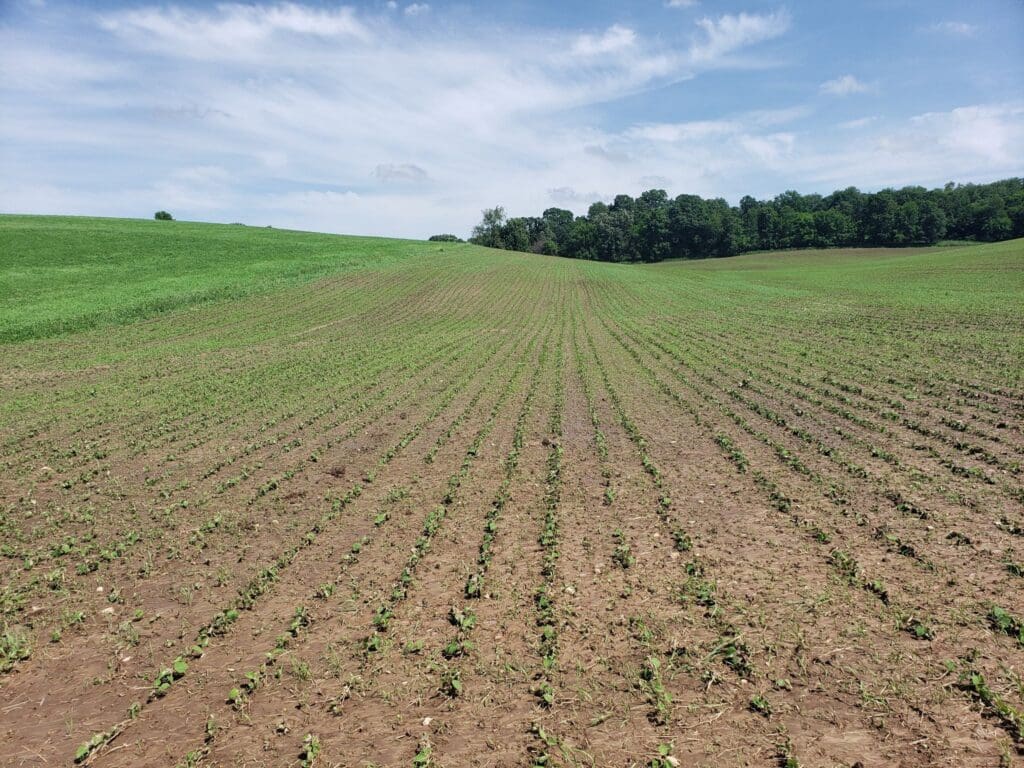
Testing clean isn’t just about what you leave out. It’s about what the soil is doing underneath the crop. We rotate crops through our fields on a multi-year cycle, keep cover crops growing whenever a field would otherwise sit bare, and avoid tilling wherever we can so the soil’s own structure and biology stay intact season after season.
Those practices build soil that’s biologically active and structurally sound, and that soil does real work. It builds organic matter that helps break down residues before they ever reach a harvested crop. Regenerative farming is the reason our testing numbers come back clean as often as they do. The lab report is the proof. The soil work is the reason the proof exists.
How Soil Health Shows Up on Your Plate
Nutrient density isn’t determined only by whether a crop is labeled organic. It’s shaped by the biology of the soil the crop grew in. Soil that’s rich in organic matter and microbial life gives plants better access to minerals and compounds they need to build nutrients, season after season. That’s a big part of why we think about soil health first and treat testing and certification as the proof, not the whole story.
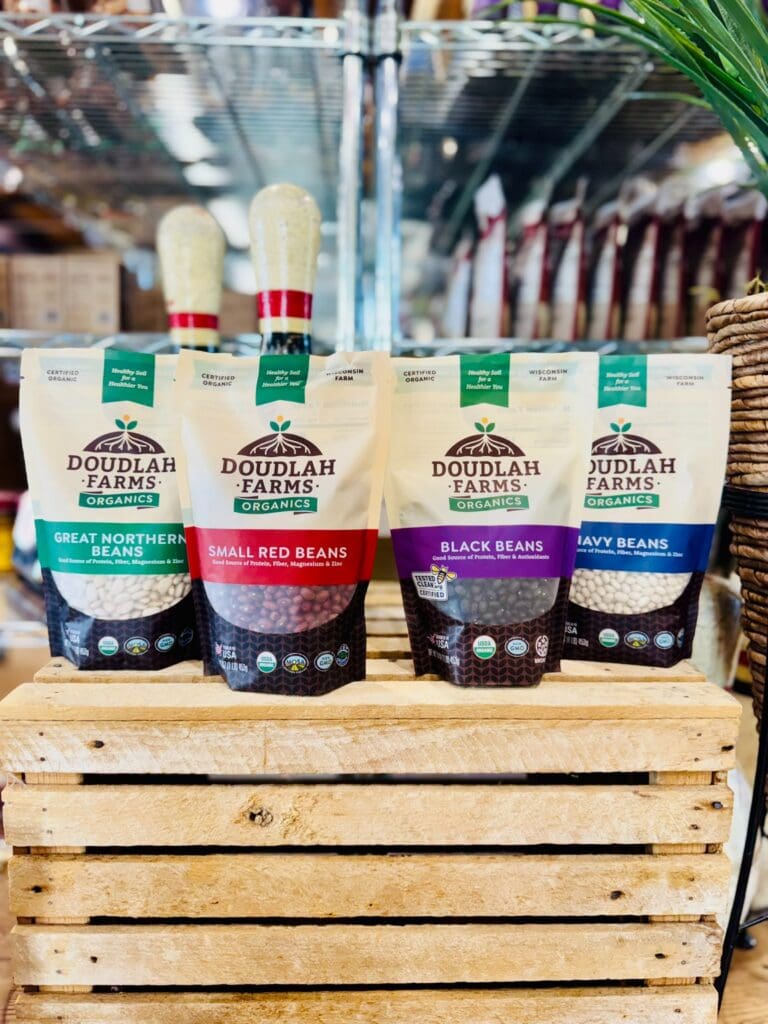
In practice, that means a bag of our black beans or Great Northern beans isn’t just something that avoids synthetic inputs. It’s something grown in soil we’ve spent generations building. You can read more about how we farm on our About Us page, or browse ways to put these beans to use on our recipes page.
Why Organic Isn’t Always Enough: FAQ
Quick, standalone answers to the questions we hear most often about our standards.
What does organic really mean under USDA rules?
USDA Organic means a farm has been inspected and certified to avoid synthetic pesticides and fertilizers, GMOs, and sewage sludge, and that the land has completed a three-year transition period before certification. It’s a practices-based standard covering how food is grown, not a guarantee that every batch has been lab-tested for residue.
Is USDA Organic certification enough to guarantee pesticide-free food?
USDA Organic significantly reduces pesticide exposure by prohibiting synthetic pesticide use, but it doesn’t include routine residue testing on every product. Drift from neighboring conventional farms or contamination elsewhere in the supply chain can still occur. That’s the specific gap that additional, independent lab testing is designed to close.
What is the Real Organic Project, and how does it relate to USDA Organic?
The Real Organic Project is a farmer-led add-on certification that layers stricter standards on top of USDA Organic, rather than replacing it. It gives consumers a way to identify farms committed to soil-grown, pasture-based, and genuinely regenerative practices beyond the organic minimum. Doudlah Farms follows the same add-on model with its own testing program.
Why does Doudlah Farms test for 220+ chemicals if it’s already certified organic?
Organic certification does not require the inclusion of routine chemical residue testing on finished products. Doudlah Farms tests every harvest for more than 220 chemicals, including glyphosate, through an independent lab, so customers have a verifiable lab result behind the claim rather than a practices-only guarantee.
Does regenerative farming actually change the nutrition of the food?
Soil biology directly affects how well a plant accesses and concentrates minerals and nutrients. Regenerative practices like cover cropping, no-till planting, and crop rotation build organic matter and microbial activity in soil, which supports both cleaner test results and, over time, more nutrient-dense crops.
Ready to taste the difference six generations of soil work make? Shop our dry beans — tested clean, grown regeneratively, certified beyond organic.
Want the full picture of our standards? Visit our Beyond Organic page, see our certifications, find us at a retailer near you on our Find Us page, or read more on our blog.