At Doudlah Farms, better food starts with better farming. But what if the key to healthier meals, thriving communities, and a more resilient planet isn’t just organic—it’s regenerative? That’s where regenerative agriculture comes in.
Let’s explore regenerative agriculture, why it matters, and how it’s transforming farming from the ground up.
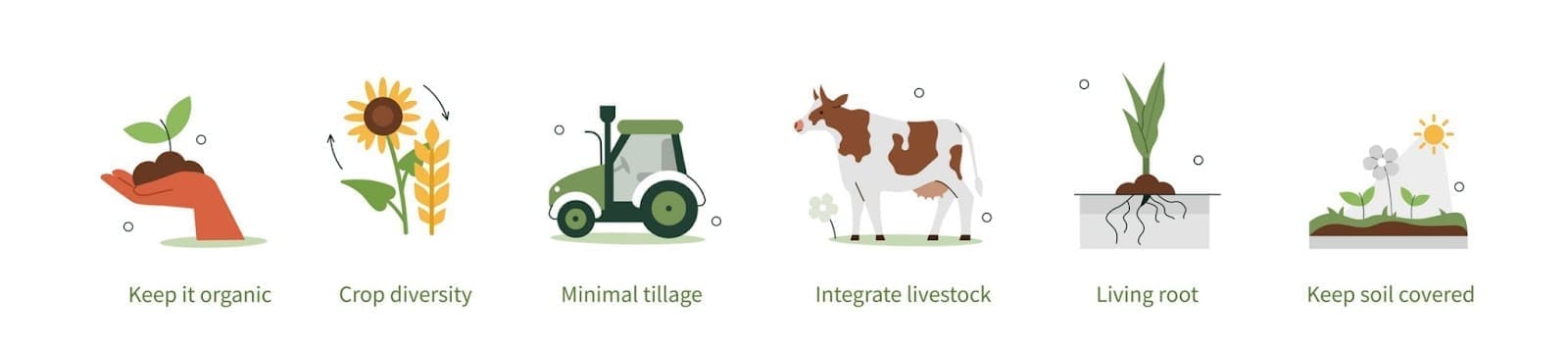
So, what is regenerative agriculture exactly? At its core, regenerative agriculture is a holistic approach beyond sustainability. This holistic approach integrates environmental, social, and economic sustainability principles, emphasizing soil health, biodiversity, and ecological balance interconnectedness. It focuses on restoring and enhancing soil health, guided by soil health principles that improve soil function, resilience, and productivity while supporting biodiversity and reducing costs. Regenerative agriculture also prioritizes increasing biodiversity, with plant diversity crucial in promoting healthy, resilient ecosystems and supporting nutrient cycling. Rather than simply maintaining current conditions, regenerative methods aim to heal and improve the land over time. Farmers and ranchers are central to implementing these regenerative practices, managing land to improve environmental and economic outcomes.
Unlike conventional or standard organic farming, regenerative organic agriculture is a specific approach with high standards for soil health, animal welfare, and worker fairness. It actively rebuilds topsoil, strengthens ecosystems, and pulls carbon out of the atmosphere. This approach treats the farm as a living system, not just a production unit.
The benefits of regenerative farming reach far beyond the fields. Here’s how it impacts food, the environment, and your health:
At Doudlah Farms, we’ve seen firsthand how regenerative organic farming leads to better yields, healthier crops, and stronger communities. Many farmers are adopting these regenerative practices and seeing benefits across their land, livestock, and livelihoods.

People often ask, “Isn’t that just another word for sustainable farming practices?” While the two are related, there’s a key difference. Sustainable agriculture is a comprehensive approach to farming that emphasizes environmental stewardship, soil health, biodiversity, and long-term ecosystem viability. Sustainable farming focuses on maintaining the current state without further degradation. Regenerative agriculture, on the other hand, actively works to restore soil and ecosystem health, taking things a step further by building on sustainable agricultural practices that help maintain environmental health.
It’s not just about doing less harm. It’s about doing more good for the planet’s health.
The healthy soil movement is gaining momentum nationwide—and for good reason. Scientists and farmers alike recognize that our future depends on the vitality of our soil, which includes not only microbes and plant life but also diverse animal life that contributes to a balanced ecosystem.
Healthy soil means better food, cleaner water, and a more stable climate. It also helps reduce erosion—maintaining soil cover through cover crops and mulches is essential for preventing erosion and sustaining soil health. Healthy soil helps combat pests naturally; using natural methods to control pests relies on beneficial organisms instead of chemicals. Living soil is supported by plants and continuous plant roots, which foster microbial activity, nutrient cycling, and overall soil vitality.
At Doudlah Farms, we’re proud to be part of this movement. Every decision we make—from crop selection to compost application—is rooted in the belief that soil health is the foundation of human health.
Regenerative farming practices are at the heart of building healthier soils and more resilient food systems. These techniques go beyond traditional methods, restoring the land’s natural vitality and supporting a thriving ecosystem. One of the most effective strategies is planting cover crops during the off-season. Cover crops, such as clover or rye, protect the soil from erosion, add organic matter, and feed beneficial soil microbes, all of which help improve soil health and fertility.
Crop rotations are another cornerstone of regenerative agriculture. By alternating different crops in the same field, farmers can break pest cycles, enhance nutrient cycling, and boost biodiversity above and below ground. This diversity supports a wider range of soil organisms and helps maintain a balanced ecosystem.
Reducing tillage is also key. By disturbing the soil less, farmers preserve soil structure, retain more organic matter, and encourage the growth of living roots and soil microbes. Integrating livestock into crop systems further enhances nutrient cycling, as grazing animals help return nutrients to the soil and stimulate plant growth.
Together, these regenerative practices help reduce soil erosion, increase soil organic matter, and sequester carbon dioxide from the atmosphere, directly addressing climate change. By adopting these methods, farmers produce healthier food and contribute to a more sustainable and biodiverse planet.

Regenerative agriculture is emerging as a powerful ally in the fight against climate change. By prioritizing soil health and increasing soil organic matter, regenerative practices enable the soil to act as a natural carbon sink, drawing carbon dioxide out of the atmosphere and storing it safely underground. This process reduces greenhouse gas emissions and helps slow the pace of global warming.
Improving soil fertility through regenerative agriculture means farmers can rely less on synthetic fertilizers, which are often energy-intensive to produce and can contribute to emissions. Healthier soils also retain more water, making farms more resilient to climate extremes like droughts and floods.
By adopting regenerative agriculture, farmers become stewards of the land and the climate. These practices strengthen the entire food system, making it more sustainable and better equipped to handle the challenges of a changing environment. In this way, regenerative agriculture is not just about growing food—it’s about restoring the planet’s health for future generations.
Water is a precious resource, and regenerative agriculture strongly emphasizes protecting and conserving it. Practices like cover cropping and reduced tillage help keep soil in place, reducing soil erosion and preventing runoff that can pollute waterways. By maintaining a living cover on the soil, farmers encourage water to soak in rather than wash away, improving water quality and soil moisture.
Regenerative agriculture also supports the conservation of natural habitats. Promoting biodiversity through diverse plantings and protecting soil structure creates environments where beneficial insects, other wildlife, and native plants can thrive. This ecological balance is essential for healthy, resilient ecosystems.
By prioritizing water quality and conservation, regenerative farmers help ensure that their land remains productive and vibrant while safeguarding clean water and natural resources for their communities and the planet.
Strong policy support and incentives are needed for widespread adoption of regenerative agriculture. Governments and organizations can play a pivotal role by offering financial assistance, technical guidance, and educational resources to farmers ready to embrace regenerative practices. Policies such as tax breaks, grants, or subsidies can make it easier for farmers to transition to regenerative methods and invest in the long-term health of their land.
Supporting regenerative agriculture at the policy level benefits individual farmers and strengthens the entire food system. By encouraging practices that restore soil health and reduce the impacts of climate change, these policies help build a more resilient and sustainable future for food production.
When we invest in regenerative agriculture, we invest in a food system that nourishes people, protects the environment, and supports farmers as stewards of the land.

Building a regenerative future starts with education and awareness. By sharing the benefits of regenerative agriculture with farmers, consumers, and the broader community, we can inspire more people to support and adopt these transformative practices. Training programs and technical support empower farmers to implement regenerative methods effectively, while outreach and marketing campaigns help consumers understand the value of food grown in harmony with nature.
Education also helps foster a vibrant community of regenerative farmers and advocates, creating a culture of sustainability and resilience within the food system. By spreading the regenerative message, we can amplify the benefits of regenerative agriculture—healthier soils, stronger ecosystems, and a more equitable food system for all.
Together, through learning and collaboration, we can restore the health of our planet and ensure a thriving future for future generations.
We’re not just growing organic crops. We’re rebuilding ecosystems. At Doudlah Farms, our regenerative practices include:
By focusing on soil health, we cultivate nutrient-rich foods that support gut health, immunity, and overall well-being. These regenerative practices also help create more resilient supply chains by strengthening the ecosystem against disruptions. And we’re doing it in a way that protects the planet for future generations.
The future of food is rooted in the past, when farming worked with nature, not against it. Whether you’re a conscious consumer or a curious eater, understanding regenerative agriculture helps you make better choices for your health and the Earth.
By supporting farms like Doudlah, you’re fueling the healthy soil movement, promoting sustainable farming practices, and helping expand the impact of regenerative organic farming.
Shop our products, follow our journey, and join us in building a healthier food system from the ground up.
Ready to taste the difference that regenerative farming makes?
Visit DoudlahFarms.com and explore our complete line of organic, heirloom grains and regenerative products.