Every bag of Doudlah Farms beans, popcorn, and flour comes with a claim most brands don’t make: tested clean from over 220 chemicals, including glyphosate. That’s not a slogan. It’s a lab report. If you’ve searched for glyphosate in food and landed here wondering what our testing actually covers, here’s the plain-language version, no jargon, no fear-mongering. Just what we test for, why glyphosate turns up even on organic farms, and what the results actually mean for what’s in your pantry.
Key Takeaways
• Doudlah Farms tests every harvest for more than 220 chemicals through an independent lab. The full list and results are public on our Tested Clean page.
• USDA Organic already prohibits synthetic glyphosate use on certified farms. The real issue is drift and supply-chain contamination, not a failure of the organic standard.
• The Real Organic Project maintains its own additional testing standards, which is national validation that third-party, above-and-beyond testing is a recognized best practice, not a marketing invention.
• Regenerative soil management is part of why our fields test cleaner: biologically active soil binds and breaks down residues more effectively than depleted soil.
• Cleaner inputs plus living soil add up to more nutrition per bite, which reframes the price of our products as a value argument, not just a premium.
What Doudlah Farms Actually Tests For
Every harvest, we send samples to an independent laboratory and screen for more than 220 individual chemicals: synthetic pesticides, herbicides, and fungicides that show up across conventional agriculture. Glyphosate, the most widely used herbicide in the world, is on that list, along with the residues and breakdown products most likely to appear in grain and legume crops.
The lab report is the hero of this story, not a paragraph of marketing copy about it. You can see exactly what we test for and how our results come back on our Tested Clean page. We publish it because a claim you can’t verify isn’t much of a claim.
Glyphosate in Food: Why It Shows Up Even in Organic Products
Glyphosate is sprayed on an enormous share of conventional cropland in the United States, which means it’s present in soil, water, and even the air in agricultural regions. Wind drift from a neighboring conventional field, residue in shared equipment or storage, and contamination earlier in a supply chain can all introduce trace amounts of glyphosate into a crop that was never sprayed with it directly.
That’s why an organic farm can, in rare cases, still show trace glyphosate on a lab test. It isn’t evidence that organic farming failed. It’s evidence of how pervasive conventional spraying has become in the broader landscape, and it’s exactly the kind of thing routine testing is built to catch.
USDA Organic Already Prohibits Glyphosate. So what’s the issue?
To be clear: USDA Organic certification already prohibits the use of synthetic glyphosate on certified organic land. That rule is real, and it’s enforced. The issue isn’t that the standard allows glyphosate. It’s that the standard governs what a farm does, not what might drift onto a farm from somewhere else.
That’s the gap our testing is built to close. We treat our own lab results as an extra layer of verification on top of a standard we already fully meet, not as a correction to it. USDA Organic tells you how the crop was farmed. Our testing tells you what actually turned up in the harvest.
Real Organic Project’s Testing Standards: Validation, Not Invention
We didn’t dream up the idea of testing beyond what organic certification requires. The Real Organic Project maintains its own additional testing standards on top of USDA Organic, specifically because a group of farmers recognized the same gap we did: certification alone doesn’t confirm residue levels on a specific harvest.
That’s a meaningful national precedent. When a respected, farmer-led add-on certification builds independent testing into its own standard, it confirms that this kind of above-and-beyond verification is a recognized best practice in organic agriculture, not something one farm invented to sound impressive.
How Regenerative Soil Management Keeps Our Fields Cleaner
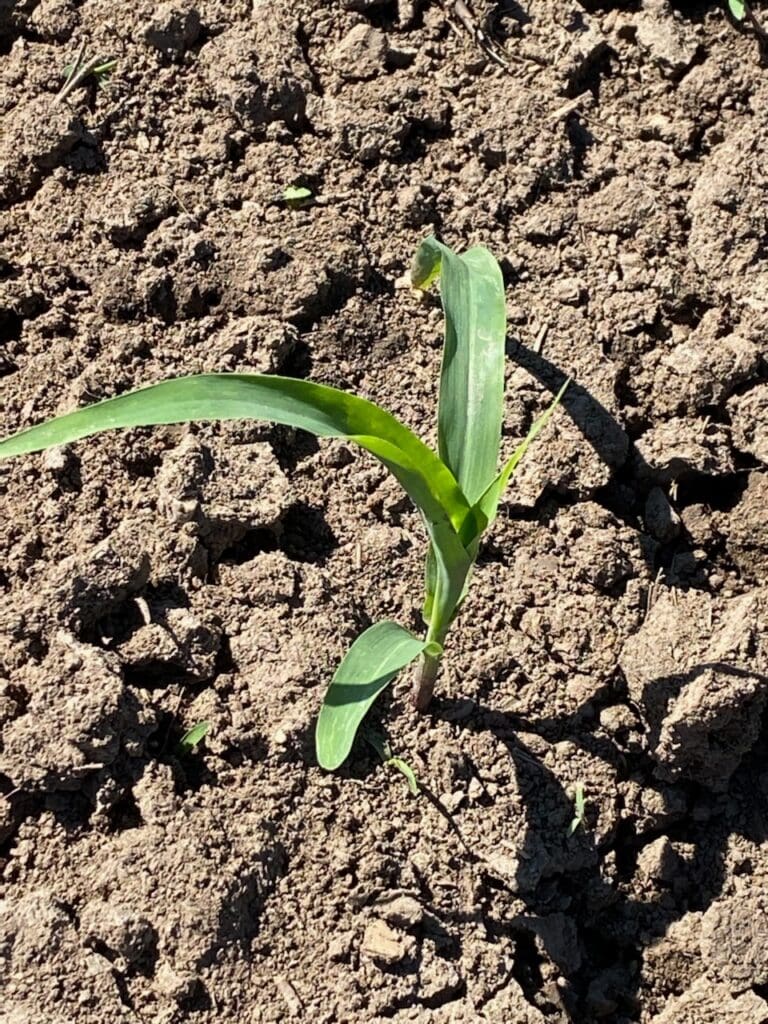
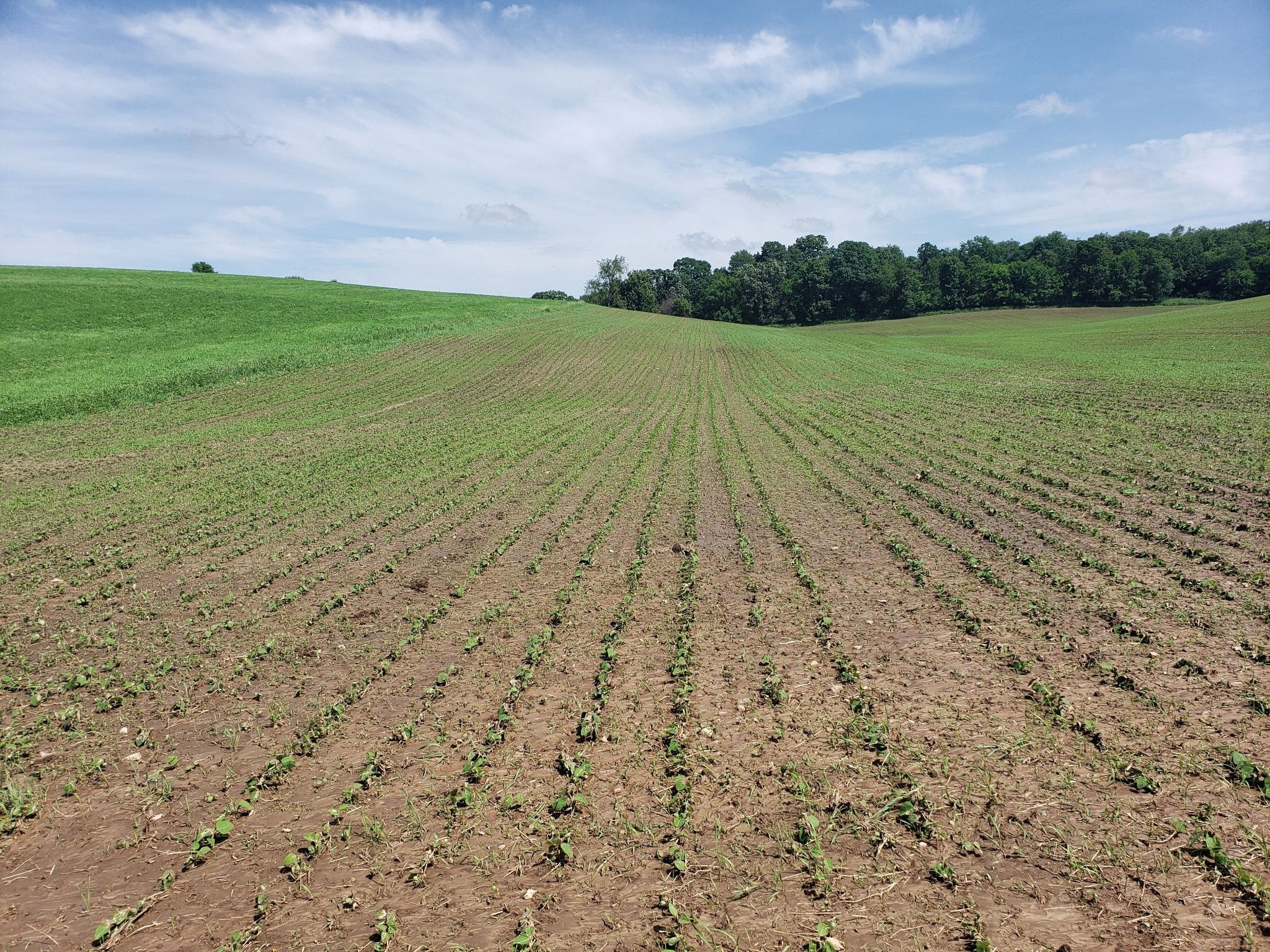
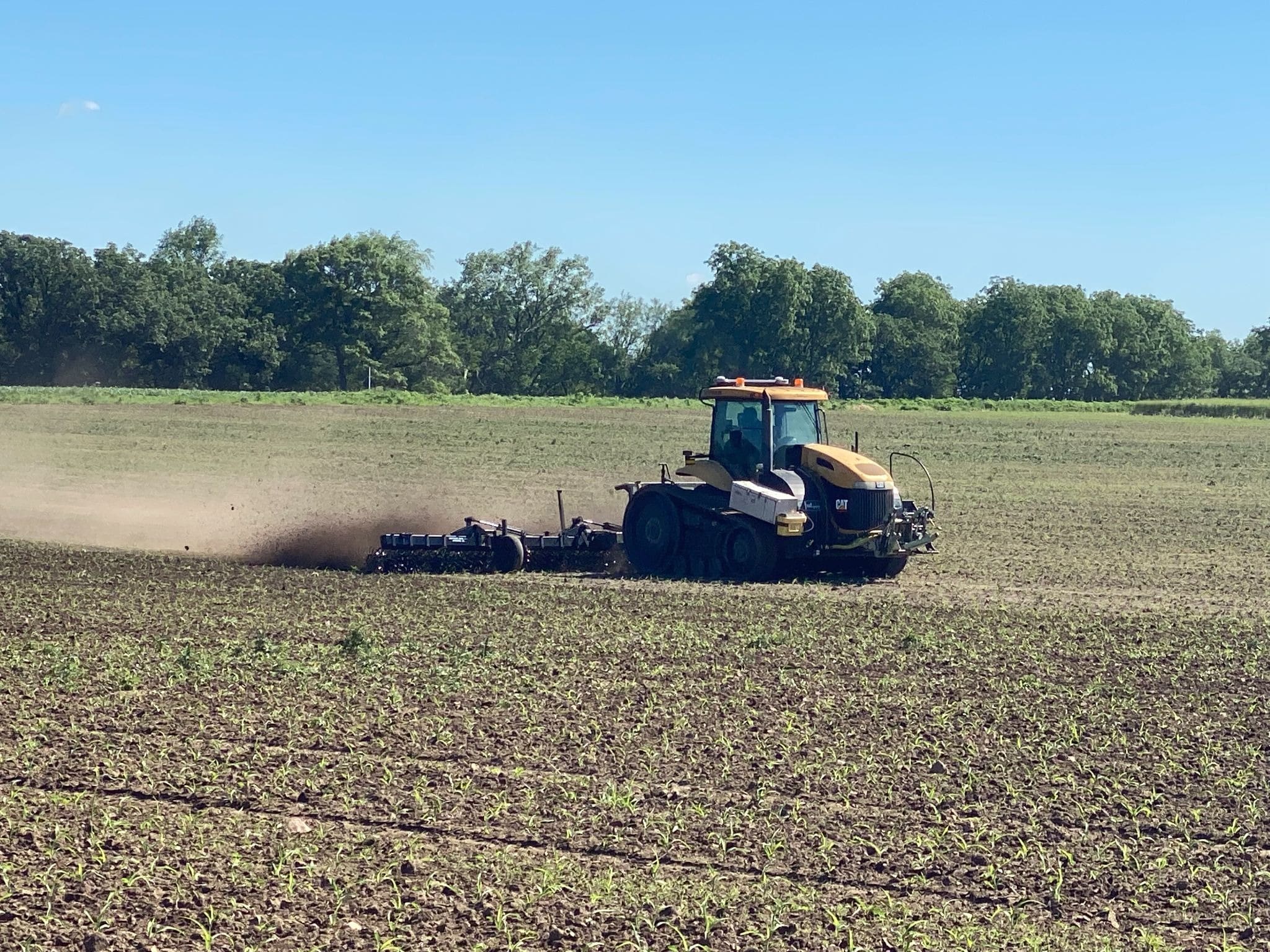
Testing clean isn’t only about avoiding contamination. It’s also about what’s happening underground. We manage our fields with cover cropping, crop rotation, and minimal tillage, all practices that build soil rich in organic matter and microbial life.
Biologically active soil does real work, breaking down and binding residues before they move into a growing crop. Depleted, biologically thin soil doesn’t have that capacity. Decades of regenerative management are a meaningful part of why our test results come back clean as consistently as they do. The soil is doing some of the work, the lab later confirms.
Nutrient Density: Paying for Concentrated Nutrition
Here’s the part that reframes the price conversation. Soil that’s biologically alive doesn’t just handle residues better. It also gives plants better access to the minerals and compounds that build nutrient-dense food. Cleaner inputs plus living soil isn’t just a safety story. It’s a nutrition story.
When you compare cost per nutrient rather than cost per pound, concentrated, nutrient-dense food can work out to be a better value than conventional alternatives, not simply a premium option. You’re paying for what’s actually in the bag, not just for what isn’t.
What 220 Chemicals Actually Are: FAQ
Quick, standalone answers to the questions we hear most often about our testing.
What does Doudlah Farms actually test for in its products?
Doudlah Farms tests every harvest through an independent laboratory for more than 220 chemicals, including glyphosate and related pesticide and herbicide residues common in conventional agriculture. Full testing details and results are published on the Tested Clean page.
Why would glyphosate show up in food if it’s organic?
Glyphosate can appear in organic crops through wind drift from neighboring conventional fields, shared equipment or storage, or contamination earlier in the supply chain, not because organic farms use it directly. USDA Organic prohibits synthetic glyphosate use on certified land; independent testing exists to catch trace contamination from outside sources.
Does testing positive for trace glyphosate mean the organic standard failed?
No. USDA Organic governs farming practices, including a prohibition on synthetic glyphosate use, not environmental drift from surrounding conventional agriculture. A trace result from outside contamination reflects the broader landscape, not a failure of the organic standard or the farm’s own practices.
Is it normal for organic brands to do additional chemical testing?
Yes. The Real Organic Project, a respected farmer-led add-on certification, maintains its own additional testing standards on top of USDA Organic. That national precedent shows independent, above-and-beyond chemical testing is a recognized best practice in the organic industry, not a marketing tactic unique to one brand.
Does regenerative soil management actually affect test results?
Biologically active soil, built through cover cropping, crop rotation, and reduced tillage, helps bind and break down chemical residues before they move into a growing crop. Decades of regenerative management are one meaningful factor behind consistently clean lab results, alongside careful sourcing and handling.
Curious what a clean lab report actually looks like? See the certificate — then shop the products behind it.
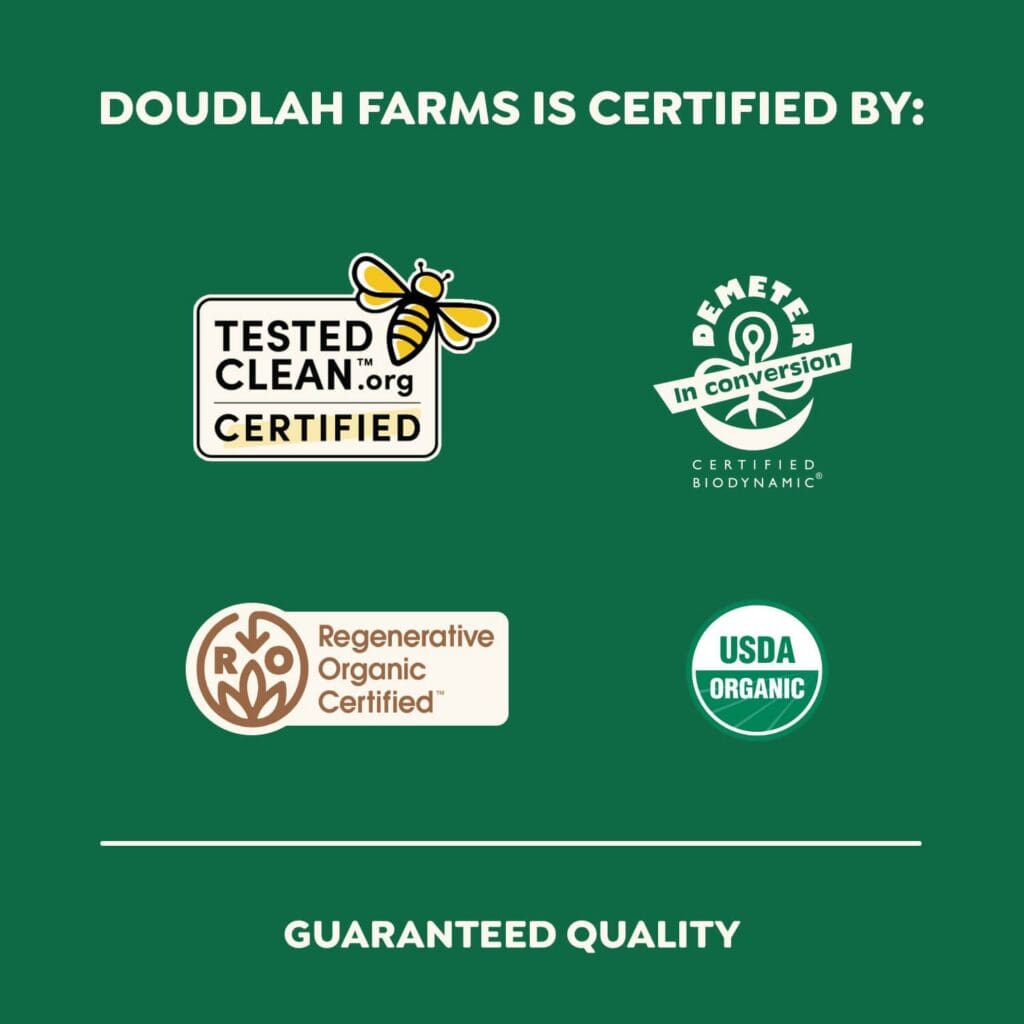
Explore our full certifications, learn more about going Beyond Organic, browse recipes that put these ingredients to work, or find a retailer near you on our Find Us page.