In 2026, food transparency means knowing exactly how your food is grown, handled, and delivered – from family farm to plate. Consumers increasingly demand food transparency for informed decision-making, and that demand is reshaping how every producer, retailer, and brand operates.
Key Takeaways
- Food transparency refers to sharing clear information about food production – not just ingredients, but origin, farming practices, and processing methods.
- Doudlah Farms is a certified organic family farm in Wisconsin practicing regenerative agriculture and full ingredient traceability on everything we grow and sell.
- Transparency directly affects your health (clean raw ingredients, fewer synthetic inputs), the environment (soil health, biodiversity, carbon sequestration), and local communities (supporting real family farms over anonymous supply chains).
- Technology like QR codes, batch numbers, and detailed labels now makes it realistic for shoppers to see how their flour, beans, or fresh meat was raised and processed.
- The rest of this article shows how Doudlah Farms puts transparency into practice – and how you can demand the same from every brand you buy.
What “Food Transparency” Really Means in 2026
Food transparency shifts consumer relationships from advertising to information-based accountability. Instead of trusting a slogan, you can verify where food comes from, how it was produced, and who was involved at each step. Food transparency includes ingredient authenticity and supply chain visibility – not just a line of text on packaging.
The difference between basic labeling and true ingredient traceability is significant. A basic label might read “organic wheat flour.” True traceability tells you that wheat was harvested from a specific field in south-central Wisconsin in September 2025, cleaned on-farm, and milled in October. Post-COVID supply chain shocks, 2022–2024 price spikes, and growing concern over ultra-processed foods have driven this demand: 83% of Americans now read food labels before purchase.
Contrast a typical anonymous global supply chain – commodities traded multiple times with unclear origin – against a transparent system anchored by a family farm that grows, cleans, mills, and ships under one name. Buzzwords like “natural,” “local,” and “farm-fresh” carry no weight without verification. Transparency helps in recognizing and avoiding misleading marketing claims that hide behind vague language.
How We Practice Transparency at Doudlah Farms
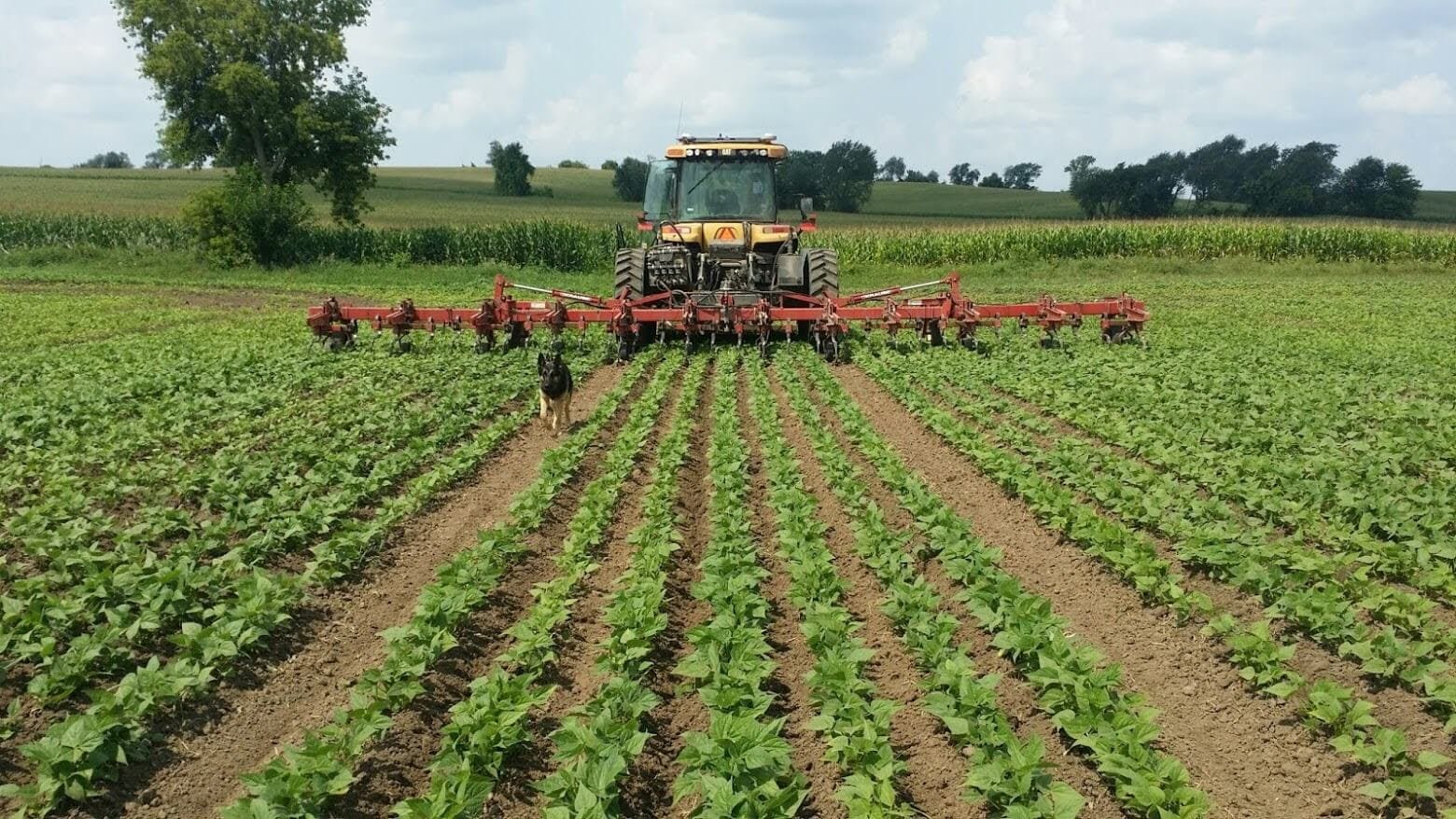
Doudlah Farms is a multigenerational, certified organic family farm in Wisconsin. That story shapes everything about how we produce and present food. We invite customers to on-farm events, share crop rotation plans, and explain the regenerative methods we use to build soil life after decades of conventional agriculture in the region.
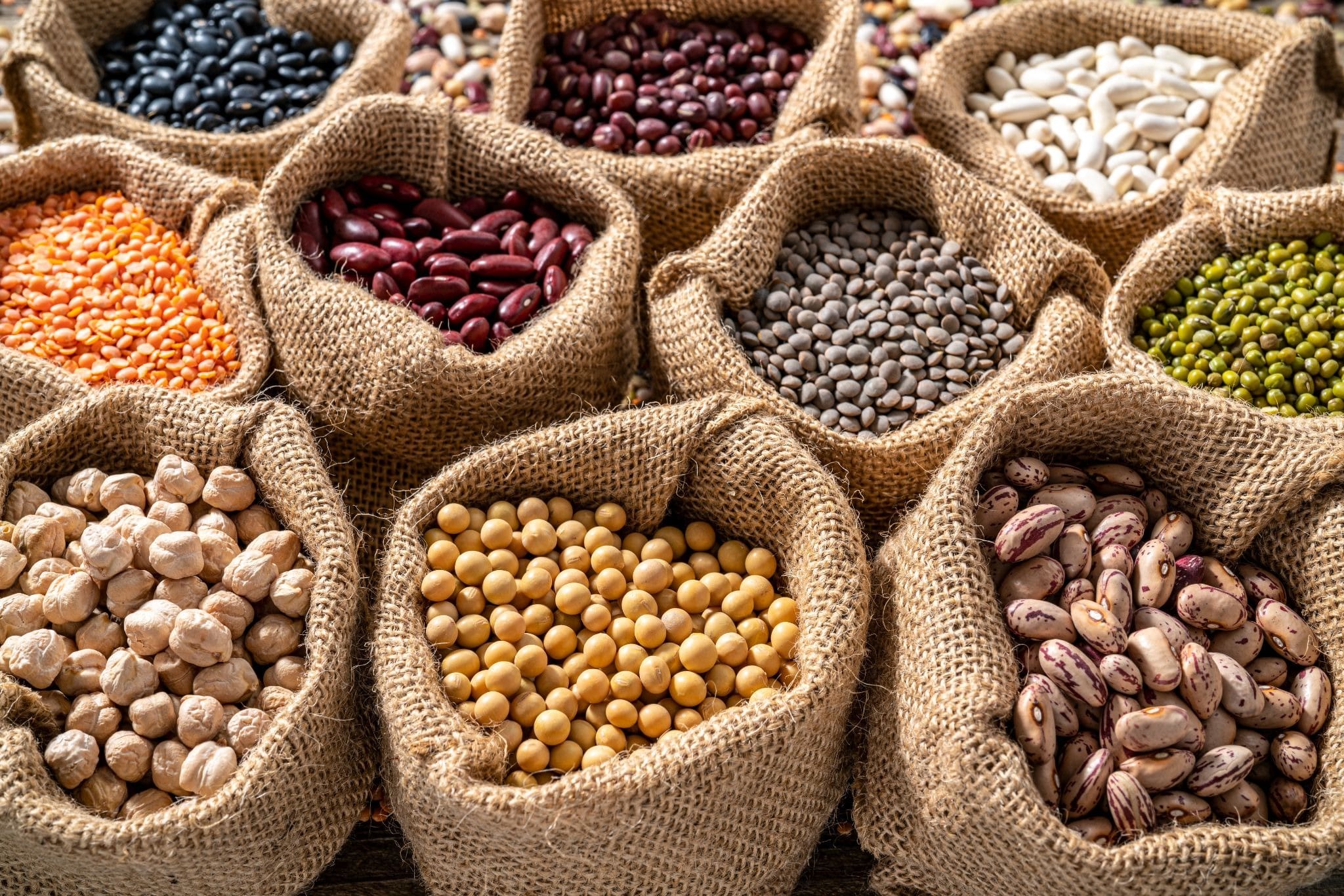
Ingredient traceability tracks food through sourcing and production at our farm. For staple products like organic wheat berries, flour, oats, and beans, each lot is tied to a specific field, season, and harvest year – for example, “2025 Harvest – South Field.” We clearly label which products come 100% from our farm versus items sourced from trusted neighboring family farms (like fresh meat or eggs), with provenance marked on every package.
Our labeling practices include production and “best by” dates, USDA Organic certifications, milling or cleaning dates for grains, and simple ingredient lists – “Ingredients: Organic Hard Red Wheat,” nothing else. We use our website, email newsletters, and social media to share planting, harvest, and storage updates so customers always have all the information they need.
Ingredient Traceability: Following Every Kernel
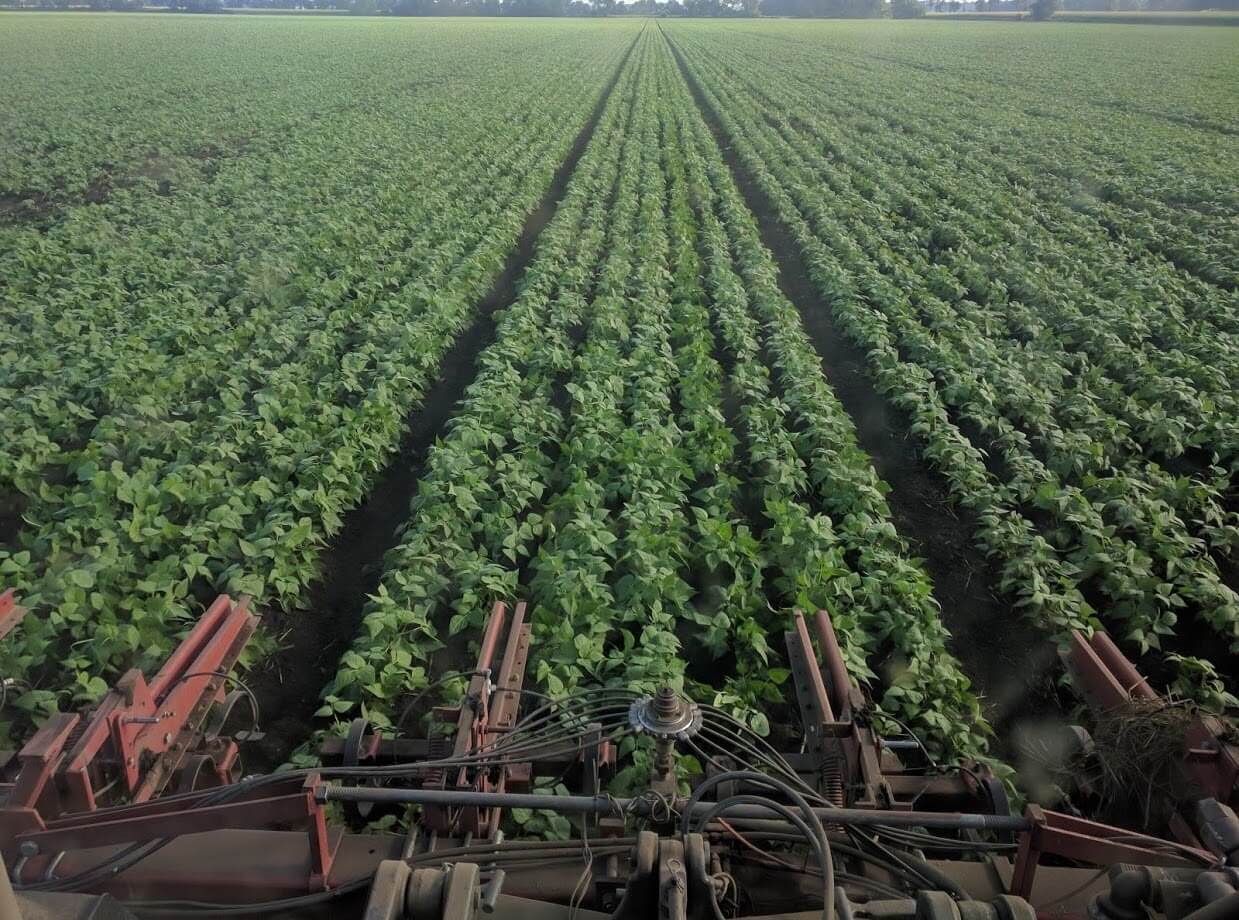
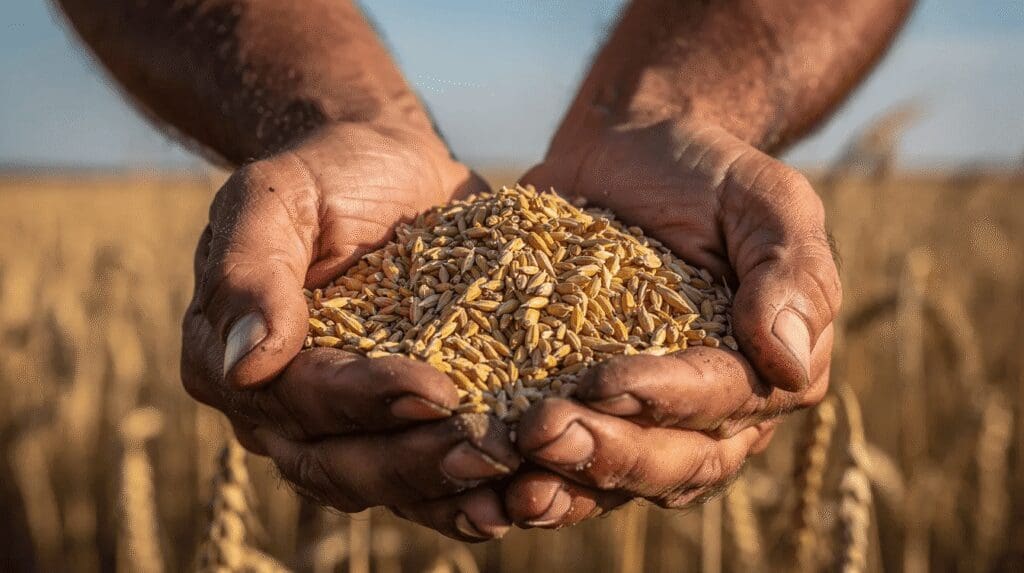
Ingredient traceability at Doudlah Farms means tracking every kernel of grain from a named field to the bag on your shelf or in your fridge. Consider a 2025 bag of organic all-purpose flour: we document the planting date, seed variety, organic inputs used, harvest date, on-farm cleaning and storage, milling date, and final packaging.
Batch tracking enhances quality control and recall management. Each batch number is assigned and recorded so we can respond rapidly if a quality issue ever arises – pinpointing a specific lot instead of pulling everything. Documentation verifies ingredient claims through testing reports, and companies may track where oils and grains are sourced from using similar systems. Traceability helps verify ingredient claims and sourcing standards, ensuring that “quality meat” or “organic grain” claims match reality.
This same traceability logic applies to partner products. When we carry fresh meat from neighboring family farms, we document the farm of origin, animal diet (pasture-raised, grass-fed), and processing facility details. Manufacturers review supplier standards and sourcing records – and we hold our partners to the same standard.
From Family Farm to Local Community
Transparency is also about relationships – knowing the family and people behind your food. Buying direct from a family farm like Doudlah Farms shortens the supply chain and makes accountability simple. We supply local co-ops, bakeries, and restaurants in south-central Wisconsin that share our ingredient traceability values.
Food transparency enables consumers to support local and sustainable farming practices, keeping more food dollars circulating in rural communities instead of disappearing into global commodity markets. Transparent brands can gain consumer loyalty by providing detailed product information – and you can often meet our family in person at local events to ask about grains, fresh meat, and produce.
Why Food Transparency Matters for Your Health and the Environment
Transparency connects to two outcomes many consumers care about most in 2026: personal health and environmental impact.
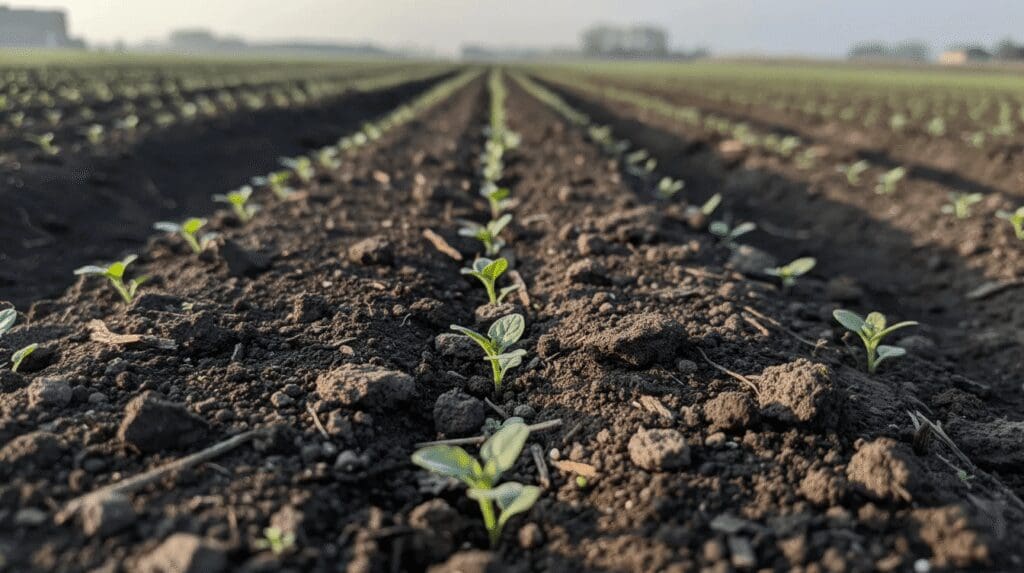
Transparent labeling allows consumers to understand nutritional content effectively, while clear labeling helps people with food allergies make safe choices. When you can see every ingredient and its origin, you avoid unwanted additives and synthetic pesticides that hide behind vague terms on national brands. Transparent sourcing also ties to nutrient density: long-term soil health, cover crops, and reduced chemical use – practices central at Doudlah Farms – support more nutrient-rich grains and legumes. Research from American Farmland Trust shows farms using these methods reduced nitrogen losses by 22–85% and sediment losses by up to 99%.
Knowing which family farm raised the animals, on what pastures, and how they were fed helps you decide on quality meat instead of anonymous, industrially raised options. Traceability helps assess the sustainability of food products, and food transparency encourages ethical and sustainable practices across the food supply chain. Transparent, regenerative family farms can sequester carbon in soil and reduce reliance on long-distance shipping – a sign of real environmental benefits, not just green packaging.
Trust, Safety, and Accountability
A decade of food recalls and contamination headlines has pushed consumers to ask tougher questions about safety. The FDA’s Food Traceability Rule, now in effect, requires covered entities to maintain lot-level records for rapid trace-back. Supply chain transparency aids rapid responses to food safety crises – and batch tracking enhances quality control and recall management by letting producers pinpoint specific lots instantly.
Clear and honest food labeling can increase trust in brands. Transparency builds trust and accountability between consumers and brands because farms must be ready to show documents and invite scrutiny from third-party certifiers and customers. At Doudlah Farms, our record-keeping, certifications, and close relationships with partner farms create a clear chain of accountability from soil to shelf – bridging the gap between claims and reality. Traceability helps ensure responsible sourcing standards are followed, discouraging greenwashing and hollow marketing.
How Technology and Labels Help You See Behind the Package
In 2026, technology can improve food transparency through traceability solutions that are accessible to any shopper. The global food traceability market reached $16.65 billion in 2025 and is projected to hit $38.87 billion by 2034 – a sign of how seriously the industry is investing.
Traceability systems improve transparency and consumer trust when paired with clear labeling. Here is what to look for on a truly transparent label:
- A specific farm or producer name (not a generic brand)
- Country and region of origin
- Production and harvest dates
- Certifications (USDA Organic, Regenerative Organic, etc.)
- Honest ingredient lists without hidden blends
QR codes on packaging can lead to product pages showing field maps, harvest photos, or detailed sourcing information. But transparency does not require complicated apps – even a simple, plainly written back label and an up-to-date website can create more clarity than many “high-tech” but vague brands. Small brands that invest in this space gain a real competitive edge.
When comparing two products side-by-side in a store, choose the one that names a specific family farm, a production year, and growing methods over the one hiding behind generic imagery.
Questions to Ask at the Meat Case and Bulk Bins
Do not be shy about asking staff at co-ops, farm stands, or butcher counters how they source fresh meat and staple ingredients. Consumers can make informed choices based on food transparency – but only if they ask.
At the meat case:
- Which farm raised this beef or chicken? Is it a family farm?
- What were the animals fed? Is it grass-fed or grain-finished?
- Where was it processed?
At the bulk bins:
- Which farm grew this? Is it certified organic?
- What year was it harvested? How long has it been in storage?
- Is it from one farm or a blend from multiple countries?
If staff can easily answer and provide farm names like Doudlah Farms, that is a strong sign of transparency. If not, look for more forthcoming suppliers.
How You Can Support Food Transparency in Your Daily Life
Every grocery trip is a chance to support more transparent, accountable food systems. Consumers want to know where food ingredients come from, and your purchasing decisions send a direct message to producers and retailers about what matters.
Here is a simple checklist to carry with you:
- Clear origin and named family farm on the label
- Simple, recognizable ingredients
- Third-party certifications where appropriate
- Available contact information to ask follow-up questions
- Real sourcing details on the product page, not just lifestyle imagery
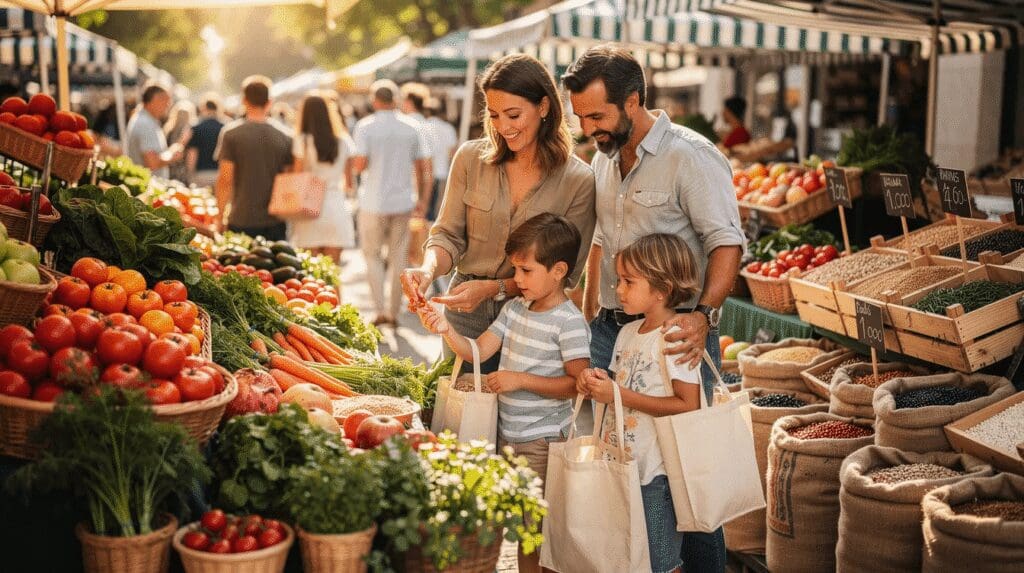
Shift even a portion of your weekly food budget toward purchases from family farms, CSAs, farmers’ markets, and local shops that highlight provenance. Building a brand strategy around transparency is how businesses in our region earn lasting loyalty – and your support makes it possible.
Read online product pages critically in 2026. Look beyond polished photos for real grower stories, batch-level guidance, and published sourcing documentation. Food transparency is present when a farm is willing to meet your questions head-on, not simply redirect you to marketing copy. Traceability improves transparency and consumer trust in food products – and that process starts with you.
If you are in the Upper Midwest, connect directly with Doudlah Farms. Visit during an open farm day, join our email list, or follow our social channels. As more people support transparent brands and family farms, it becomes easier for those farms to thrive – and harder for opaque supply chains to state their compliance without proof.
FAQ: Food Transparency and Doudlah Farms
Below are common, practical questions readers ask after learning about food transparency and how it works in practice.
How is Doudlah Farms different from a typical grocery store brand?
Doudlah Farms is a single, real family farm in Wisconsin – not a marketing label that buys ingredients from dozens of anonymous sources. Most products come directly from our own certified organic fields. Any partner items (such as fresh meat or eggs) are clearly labeled with the farm of origin and production practices. You can see our growing and handling process firsthand and often meet the farmers – something most large brands simply cannot offer. Ingredient traceability tracks sourcing, manufacturing, and transportation for everything we sell.
Do you offer full ingredient traceability on all products?
For single-ingredient items like flour, oats, beans, and wheat berries, we trace each lot back to a specific field, season, and storage bin. Multi-ingredient or partner products list every ingredient with the primary supplying farms identified. While not every detail fits on a label, customers can always touch base with us using a batch number or product name to get more information and account for exactly where their food was sourced.
Does food transparency automatically mean the food is sustainable?
No. Transparency alone does not guarantee sustainability – it simply makes it easier to see whether a farm or brand is acting responsibly. At Doudlah Farms, transparency and regenerative organic practices go hand in hand: cover cropping, minimal tillage, crop diversity, and long-term soil health are central to our order of operations. Look for both clear sourcing information and concrete descriptions of farming practices.
How can I tell if fresh meat is truly from a quality, family farm?
Look for the farm name on the label or ask the butcher which family farm supplied the meat. Do not accept vague terms like “farm-fresh” or “local” at face value. Ask about feed, animal welfare, and processing location. Reputable family farms and producers are ready and happy to share these details. When Doudlah Farms partners with neighboring farms for meat, that partner’s name, region, and key practices are made visible to customers – because the price of trust is openness.
Isn’t all this transparency information overwhelming for busy families?
Families are busy in 2026, but a few simple habits go a long way. Start with just one or two categories – staple grains and fresh meat, for example – and gradually shift those to transparent, family-farm sources. Once you find dependable producers like Doudlah Farms, you will not need to research every purchase. You can rely on the trust you have built and buy with confidence, knowing the environment and your community both benefit from that choice.