As more people rethink what’s on their plate, one question comes up again and again: beans vs meat— which is actually better for your health? While meat has long been viewed as the gold standard for protein, beans and other plant-based foods are gaining attention for their nutritional benefits, sustainability, and versatility. Beans and other plant-based foods are generally lower in calories than meat, which can be beneficial for those seeking weight management.
Let’s break down how beans and meat compare nutritionally, where each shines, and how incorporating more plant protein can support a healthier diet. Comparing beans vs meat is especially relevant in the context of plant-based diets and a healthy diet, as these eating patterns are associated with both health and sustainability benefits.
Meat is known for being a complete protein, meaning it contains all nine essential amino acids. Beans, while not always complete on their own, are excellent protein alternatives when paired with whole grains like rice or corn. Eggs, dairy, and dairy products are also important protein sources for vegetarians, and those who eat dairy products can benefit from their nutrients, such as calcium, vitamin B12, and protein.
What often gets overlooked is that beans provide protein along with fiber, complex carbohydrates, and beneficial plant compounds—nutrients that meat simply doesn’t offer. In addition to whole grains, tofu, soy milk, nuts, and seeds are valuable plant-based protein sources that contribute to a balanced vegetarian or vegan diet.
For those following vegetarian nutrition or looking to reduce meat intake, beans deliver steady, sustained energy without the saturated fat found in many animal products. Some individuals may need supplements to ensure adequate intake of certain nutrients, such as vitamin B12 or vitamin D, when avoiding animal products.
Make it a habit to eat beans as part of a balanced, plant-based diet for better health and nutrition.
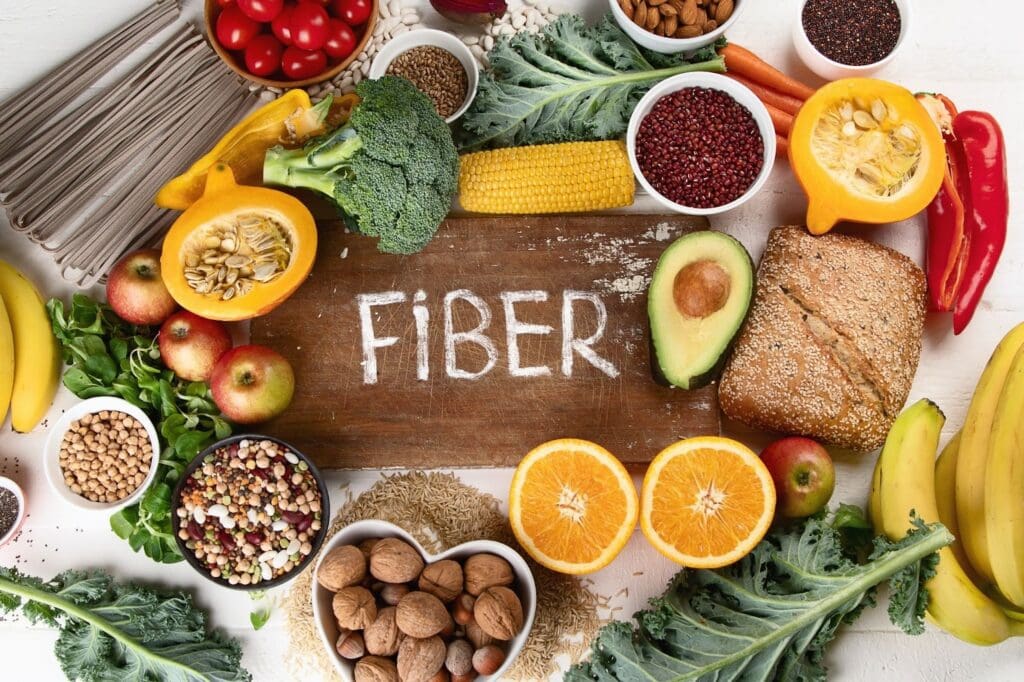
One of the biggest nutritional differences in the beans vs meat debate is fiber. Beans are naturally rich in dietary fiber, which supports:
The fiber in beans can also support weight loss by promoting fullness and reducing overall calorie intake.
Meat contains zero fiber. From a digestive and metabolic health perspective, beans have a clear advantage.
Both beans and meat can be considered iron-rich foods, but the type of iron differs.
Those who eat meat, fish, or poultry generally have higher iron stores because these foods provide heme iron, which is more readily absorbed by the body. Poultry and fish are also important sources of heme iron, contributing to improved iron levels.
Dried beans and dried fruit are valuable plant-based sources of iron and zinc, making them especially important for vegetarians and vegans. Including these foods in your diet can help support immune health and growth, and combining them with vitamin C–rich foods like peppers or tomatoes significantly improves iron absorption. Beans also supply magnesium, potassium, and folate—key nutrients for overall health.
Many cuts of meat, especially processed or fatty varieties, are higher in saturated fat. Diets high in saturated fat have been linked to increased heart disease risk.
Beans, on the other hand:
Omega-3 fatty acids are also important for heart health. While fish is a common source of these beneficial fatty acids, there are plant-based alternatives such as flaxseeds, chia seeds, and walnuts that can be included in a balanced diet.
For those focused on long-term wellness, beans offer a heart-friendly alternative without sacrificing nutrition.
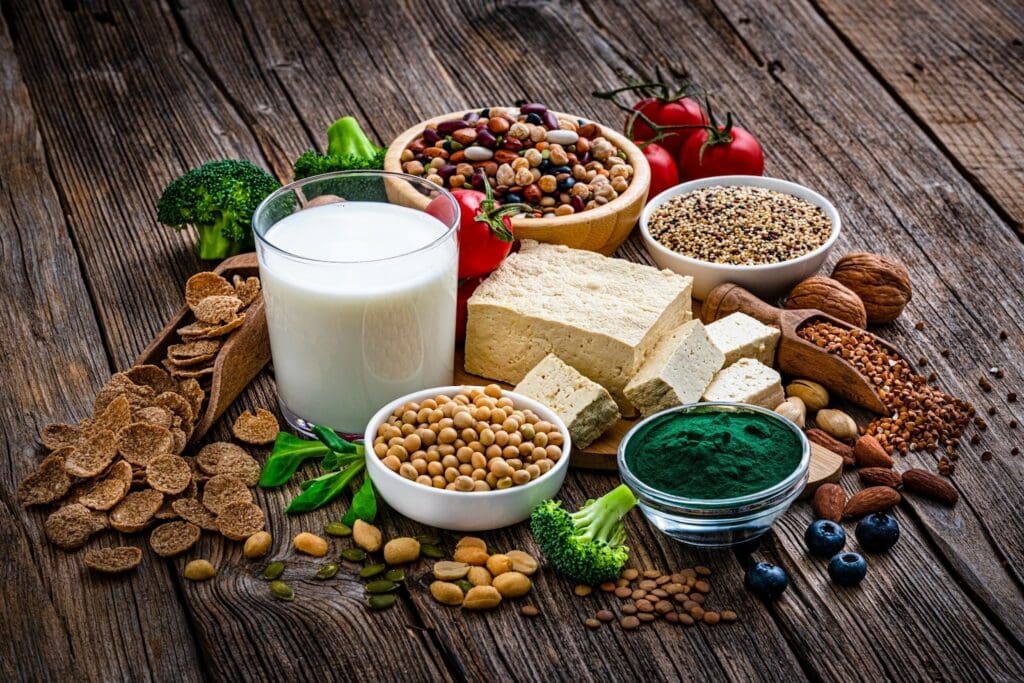
Research increasingly links diets rich in plant protein to improved health outcomes, including lower rates of cardiovascular disease and better metabolic health. Beans fit perfectly into this pattern by offering protein, fiber, and antioxidants in one simple food.
This makes beans an ideal foundation for anyone interested in:
When following a vegetarian diet, it is important to plan meals carefully to ensure adequate intake of essential nutrients such as iron, vitamin B12, and omega-3 fatty acids. Vegans, who exclude all animal products, should pay special attention to nutrients like vitamin B12 and may need to consider fortified foods or supplements to maintain optimal health.
While nutrition is the main focus, it’s worth noting that beans also support a more sustainable food system. Compared to meat production, beans require fewer resources and contribute positively to soil health—an important consideration for farms committed to organic and regenerative practices.
Choosing beans more often supports both personal health and the health of the land.
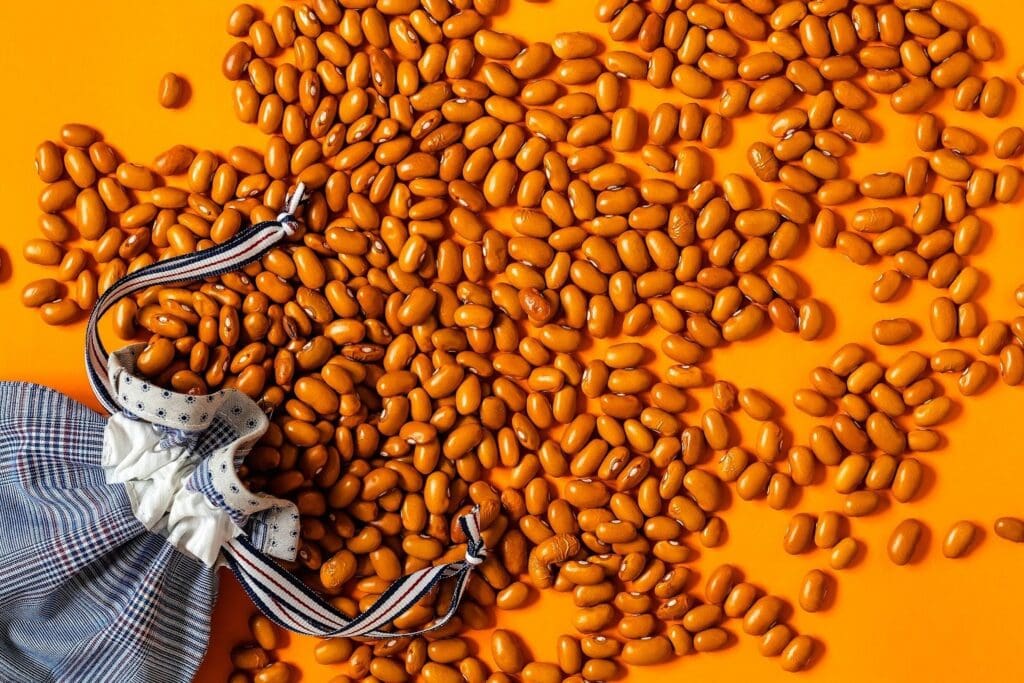
Cooking with beans is one of the simplest and most effective ways to add more plant-based foods to your diet, supporting a healthy weight and lowering your risk of heart disease. Beans are packed with protein, fiber, and a variety of other nutrients, making them a cornerstone of both vegetarian and vegan diets. They’re also a key part of any plant-based eating plan, providing iron-rich foods that help maintain healthy red blood cells.
To get the most nutritional benefit from beans, it’s important to pair them with foods high in vitamin C—think citrus fruits, tomatoes, or dark green vegetables. This combination helps your body absorb more iron from plant sources, ensuring you get enough iron to meet your needs. Black beans, chickpeas, and peas are all good sources of iron and can be easily added to your favorite meals. For example, toss beans into salads, stir them into hearty soups, or use them as the main source of protein in veggie burgers and chili. Pairing beans with whole grains like brown rice or quinoa creates a complete protein, giving your body all the essential amino acids it needs.
Beans are incredibly versatile and can be used in a wide range of dishes. Try blending them into dips and spreads, adding them to whole grain cereals, or using them as a topping for roasted vegetables. For a healthier meal, cook beans with olive oil instead of butter, and load up on colorful vegetables such as tomatoes and peas to boost the nutrient content.
Health professionals and organizations like the National Institutes of Health recommend a well-planned vegetarian or vegan diet to meet all your nutritional needs. The Dietary Reference Intakes set by the National Academies provide helpful guidelines for getting enough protein, iron, vitamins, and other minerals from your diet. If you’re unsure about your nutrient intake, consulting with a registered dietitian or health professional can help ensure you’re meeting your goals.
By making beans and other legumes a regular part of your meals, you can enjoy a diet that’s rich in fiber, low in fat, and full of vitamins and minerals. This approach not only supports a healthy weight but also reduces your risk of chronic diseases like diabetes and heart disease. Embracing a plant-based diet with a variety of whole grains, fruits, vegetables, and legumes is a delicious and sustainable way to eat for lifelong health. Start experimenting with beans in your kitchen and discover just how easy—and tasty—healthy eating can be!
The answer isn’t necessarily all-or-nothing. Meat can still play a role in a balanced diet, especially when sourced responsibly. But beans stand out as one of the most nutrient-dense, affordable, and versatile protein alternatives available.
Incorporating more beans into your meals can:
At Doudlah Farms, the focus on organic grains and whole foods pairs naturally with bean-based meals. Beans and organic grains together create complete, nourishing plant proteins that support both human health and sustainable farming practices.
When comparing beans vs meat, beans offer a powerful combination of nutrition, affordability, and sustainability. Whether you’re fully plant-based or simply looking to eat more intentionally, beans deserve a regular place on your plate.
Eating well doesn’t have to be complicated—sometimes the healthiest choices are also the simplest.
Meat is a “complete protein,” containing all nine essential amino acids. While beans are often “incomplete” on their own, they become excellent protein alternatives when paired with whole grains like rice or corn. Additionally, beans provide fiber and complex carbohydrates—nutrients that meat lacks—making them a vital part of a balanced, healthy diet.
Beans have a significant advantage for heart health because they are naturally low in fat and contain zero cholesterol. In contrast, many cuts of meat are high in saturated fat, which is linked to increased heart disease risk. The high fiber content in beans also helps lower cholesterol levels and supports better metabolic health.
Yes, but the type of iron differs. Meat contains heme iron, which the body absorbs easily. Beans provide non-heme iron, which is absorbed more slowly. To optimize vegetarian nutrition, you should pair iron-rich beans with vitamin C–rich foods like tomatoes or peppers, as this significantly improves the body’s ability to absorb plant-based iron.
Fiber is one of the biggest nutritional dividers; beans are rich in dietary fiber, while meat contains none. Fiber is essential for gut health, stabilizing blood sugar, and promoting a feeling of fullness, which aids in weight management. A diet high in plant-based fiber is a cornerstone of longevity and chronic disease prevention.
Yes. From an environmental perspective, bean production is much more efficient. Growing beans requires significantly fewer natural resources (like water and land) than raising livestock. Additionally, beans contribute to soil health through nitrogen fixation, making them a preferred crop for organic and regenerative farming practices like those at Doudlah Farms.