Glyphosate is the world’s most widely used herbicide, first commercialized in 1974 and now applied to hundreds of millions of acres globally. Independent testing routinely detects glyphosate residue in common foods and beverages, from breakfast cereals to beer, due to the widespread use of glyphosate products in both agricultural and residential settings. This article explains what glyphosate is, why its safety remains disputed, how it enters the food chain, and practical ways you can reduce exposure starting today.
Key Takeaways
- Glyphosate is a widely used herbicide found in many common foods, including oats, wheat products, chickpeas, and lentils.
- The International Agency for Research on Cancer classifies glyphosate as “probably carcinogenic to humans,” while the Environmental Protection Agency considers it “unlikely to be carcinogenic,” creating regulatory confusion.
- “Glyphosate-free” on food labels means the product has been tested and verified to contain glyphosate below specific detection limits set by third-party certifiers like the Detox Project.
- Certified organic foods prohibit glyphosate use but don’t guarantee zero residue if contamination occurs from neighboring fields.
What Is Glyphosate and Why Is It Controversial?
Glyphosate is a synthetic, non-selective herbicide first commercialized in 1974, most famously as the active ingredient in Roundup. Glyphosate products, including commercial herbicide formulations like Roundup, are now the world’s most widely used herbicides. Today, farmers and landscapers use these glyphosate products to kill weeds on croplands, home gardens, orchards, and public rights-of-way worldwide.
The herbicide works by blocking an enzyme that certain plants need to grow. This enzyme pathway—called the shikimate pathway—is not found in humans or other animals, which is one reason regulators initially considered glyphosate relatively safe for human cells.
However, commercial products like Roundup are glyphosate based herbicides (GBHs) that also contain surfactants and other ingredients. Research suggests some of these additives may be more toxic than glyphosate itself.
The regulatory disagreement is significant:
- The U.S. Environmental Protection Agency has repeatedly stated glyphosate is “unlikely to be carcinogenic to humans”
- The International Agency for Research on Cancer (IARC) classified glyphosate in 2015 as “probably carcinogenic to humans” (Group 2A), based on evidence linking glyphosate exposure to non-Hodgkin lymphoma and other cancers. Glyphosate is thus considered among probable human carcinogens, similar to other chemicals like certain benzene derivatives.
This conflict, combined with lawsuits linking glyphosate exposure to non-Hodgkin lymphoma, has prompted many consumers and professionals to examine glyphosate in food and the broader environment more closely.
How Glyphosate Ends Up in the Food You Eat
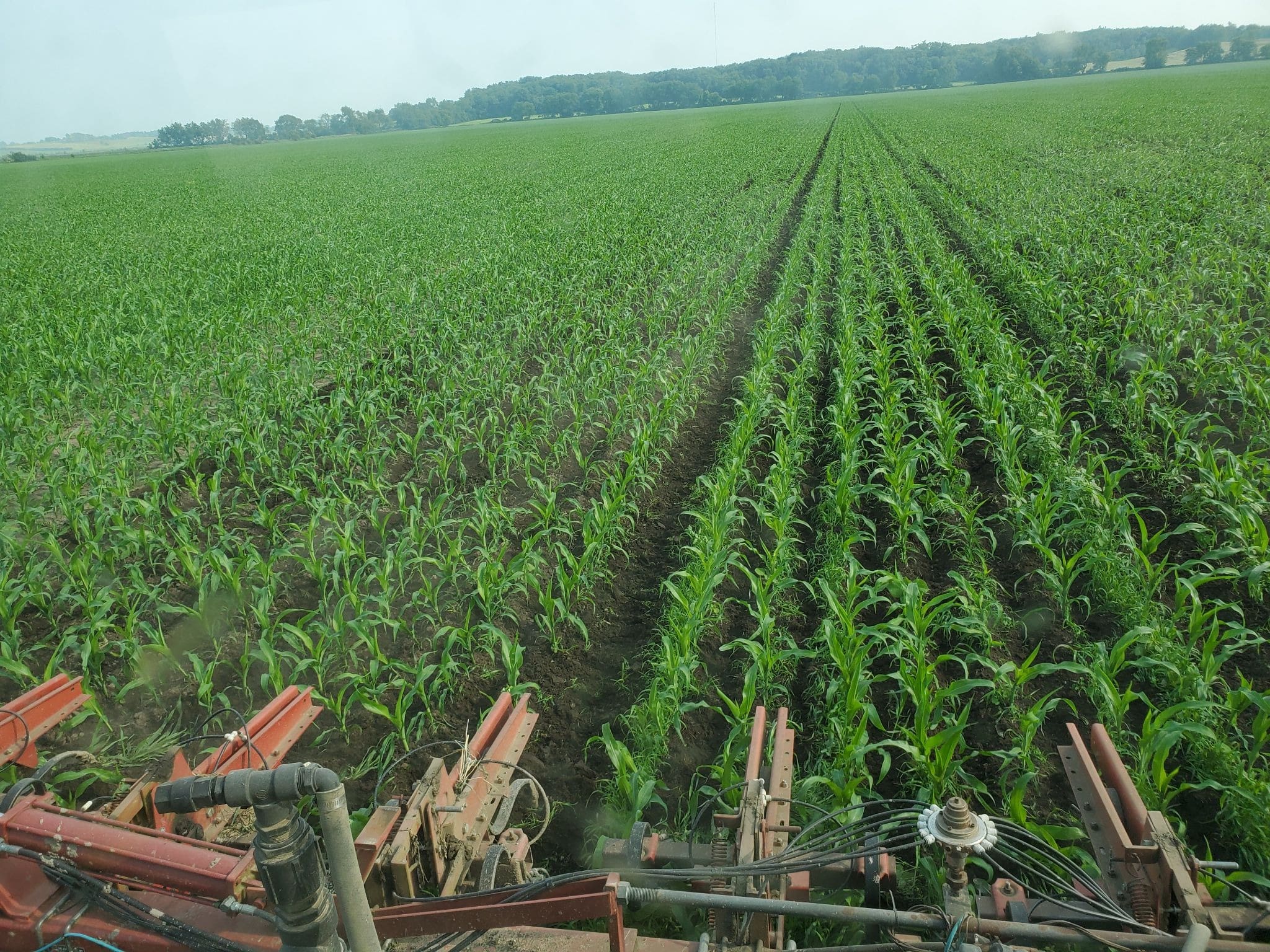
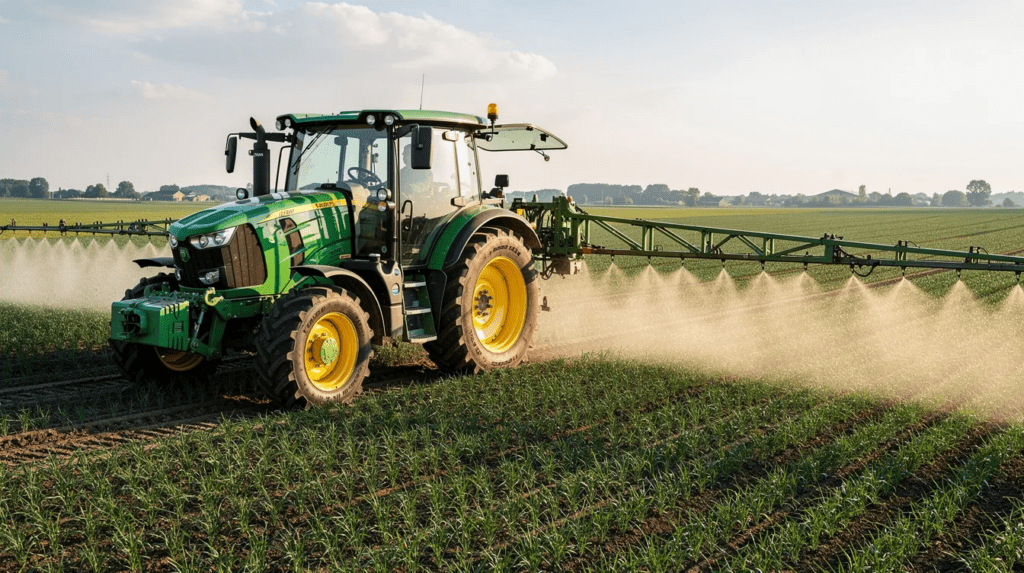
Glyphosate isn’t limited to genetically modified crops. It’s sprayed on genetically engineered corn and soy, but also on non-GMO crops, lawns, orchards, and roadsides. This widespread herbicide use increases the chance of residues appearing in your food.
Farmers apply glyphosate in two main ways:
- Weed control during growing season – Killing weeds that compete with crops
- Pre-harvest desiccation – Drying crops like wheat, oats, and barley to even out ripening before harvest
Monitoring programs consistently find glyphosate residues in several crops commonly eaten by Americans:
| Crop Type | Percentage Treated with Glyphosate |
| Soybeans | Approximately 94-100% (USDA NASS, 2022) |
| Cotton | Around 85-95% (USDA NASS, 2022) |
| Almonds | Less than 20%, primarily for weed control (EPA, 2021) |
| Corn | Approximately 85-90% (USDA NASS, 2022) |
| Wheat | Around 60-70%, mainly for pre-harvest desiccation (USDA NASS, 2022) |
| Apples | Below 10%, with limited glyphosate use (EPA, 2021) |
Testing shows the highest levels typically appear in conventional oats, wheat-based products (bread, pasta, cereals), chickpeas, lentils, and soy-based items. Independent tests in the late 2010s and early 2020s found glyphosate in a large percentage of oat-based breakfast products.
Glyphosate moves through the food chain from sprayed fields to raw crops, into animal feed for livestock and poultry, into processed human foods, and occasionally into products like honey via environmental contamination. While glyphosate binds strongly to soil, it can still reach waterways through surface run-off and spread to nearby crops through dust drift.
What “Glyphosate-Free” Really Means
When you see “glyphosate-free” on food labels, it typically means the product has been tested and found to contain glyphosate below the analytical detection limit—usually measured in parts per billion.
There’s no single global legal definition of “glyphosate-free.” Different third-party programs use their own testing methods and thresholds. The Detox Project, for example, certifies products as certified glyphosate residue free when they contain less than 10 parts per billion (ppb).
Understanding the distinction between labels matters:
Conventional products can legally contain glyphosate up to maximum residue limits (MRLs) set by regulatory agencies. These limits vary by crop.
Certified organic products prohibit glyphosate use on certified farms but don’t guarantee zero residue. Contamination can occur through drift from neighboring conventional fields.
Independently verified glyphosate-free products undergo specific testing to confirm glyphosate levels fall below strict thresholds, regardless of farming method.
It’s important to understand that “glyphosate-free” means “tested and not detected” rather than an absolute guarantee of zero molecules. Laboratory detection always has limits.
Serious glyphosate-free programs involve batch or periodic testing, supply chain documentation, and independent laboratory verification. When shopping, look for these specifics on brand websites to verify the claim’s credibility.
Health Concerns Linked to Glyphosate Exposure
Most people encounter low levels of glyphosate through food. Higher exposures occur among farmers, groundskeepers, and people who regularly mix or spray herbicides without protective gear.
Several meta-analysis studies have found increased risk of non-Hodgkin lymphoma among heavy occupational users of glyphosate based herbicides, particularly those with many years of exposure. These potential links have driven much of the public concern about glyphosate.
Short-term exposure symptoms at higher doses include:
- Eye and skin irritation
- Coughing and respiratory discomfort
- Nausea and vomiting
- In cases of concentrated ingestion, life-threatening poisoning
Research continues in several areas where results remain mixed or emerging:
- Potential liver and kidney damage
- Reproductive issues, including changes in sperm quality in animals. Glyphosate exposure has also been linked to potential reproductive damage in animals, such as disruption of key regulatory enzymes in androgen synthesis and alterations in estrogen and testosterone levels.
- Possible endocrine (hormone) disruption
- Neurotoxicity affecting learning and behavior in laboratory animals
Gut microbiome concerns have also emerged. Glyphosate targets the shikimate pathway used by many bacteria, and some studies suggest it can alter the diversity and balance of the human gut microbiome, which may indirectly affect immunity and brain health. The gut microbiota can also influence the development and integrity of the blood brain barrier, which plays a role in neurological complications.
Many nervous system and microbiome studies have used doses higher than typical dietary exposures. However, some chronic, low-dose research suggests health effects may still be relevant—which is why many people prefer to minimize intake even when levels fall within regulatory limits.
Organic, Conventional, and Glyphosate-Free: How They Compare
Shoppers now encounter a confusing mix of labels: conventional, organic, non-GMO, and glyphosate-free. Understanding how these compare helps you prioritize based on your goals.
Conventional agriculture relies on conventional methods, including the use of chemical fertilizers and synthetic pesticides, to produce more food and manage pests. Conventional farming typically uses chemical interventions to enhance crop yields and control pests, resulting in higher yields and faster crop production. However, these methods may have greater environmental impacts, such as soil erosion and water contamination. Pesticide residues are regulated by agencies like the EPA, which sets maximum residue limits by crop. Most non-organic crops may contain detectable glyphosate residues.
Organic farming methods (like USDA Organic or EU Organic) ban synthetic herbicides and emphasize crop rotation and composting—practices used for thousands of years to maintain soil health and ecosystem balance. Organic farming practices help preserve biodiversity in the natural world and are associated with a smaller carbon footprint and less environmental pollution compared to conventional farming methods, which can lead to soil erosion and water contamination. However, while organic farming is often perceived as more environmentally friendly, it typically produces lower yields than conventional farming, raising concerns about food security and the ability to produce enough food for a growing population. Organic foods can still show trace residues from environmental drift, and organic farming is not pesticide-free—over 20 chemicals, including copper and sulfur, are approved for use in organic farming, and these can sometimes be used more intensively than synthetic ones. Organic produce can still contain pesticide residues, including from non-organic sources, but typically at lower levels than conventional produce.
It’s worth noting that “natural” pesticides aren’t automatically safer. Some, like copper compounds, carry their own ecological concerns. Many organic farmers focus on soil fertility and biodiversity rather than simply substituting synthetic ones for natural alternatives, contributing to a smaller carbon footprint overall.
Glyphosate-free labeling targets one specific chemical but doesn’t guarantee broader organic and conventional farming standards like soil conservation.
A practical hierarchy for health-focused readers:
- Prioritize eating more fruits, vegetables, and whole foods overall
- Choose organic or certified glyphosate free for foods you eat most often
- Focus on high-risk categories: breakfast cereals, bread, beans, and baby foods
Everyday Strategies to Reduce Glyphosate in Your Diet
You don’t need to overhaul your entire pantry overnight. Small, consistent changes can meaningfully reduce glyphosate intake within days or weeks.
Prioritize organic or glyphosate-tested options for high-risk categories:
- Oat-based breakfast foods
- Wheat-based products (breads, crackers, pasta)
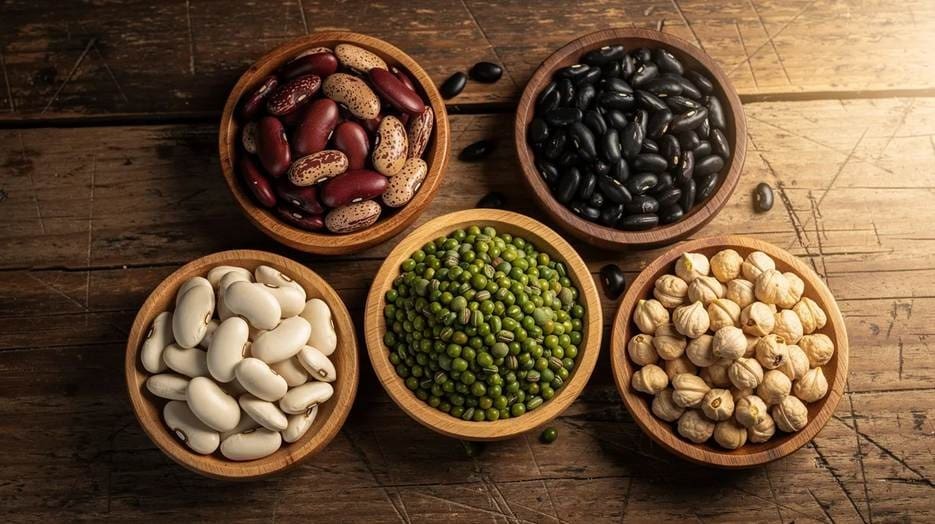
- Chickpeas and lentils
- Soy-derived processed foods
When shopping for infants and toddlers, consider certified organic or glyphosate-tested baby foods. Young children may be more vulnerable to chemical exposures relative to body weight, and pregnant women should also consider minimizing exposure.
Practical shopping tips:
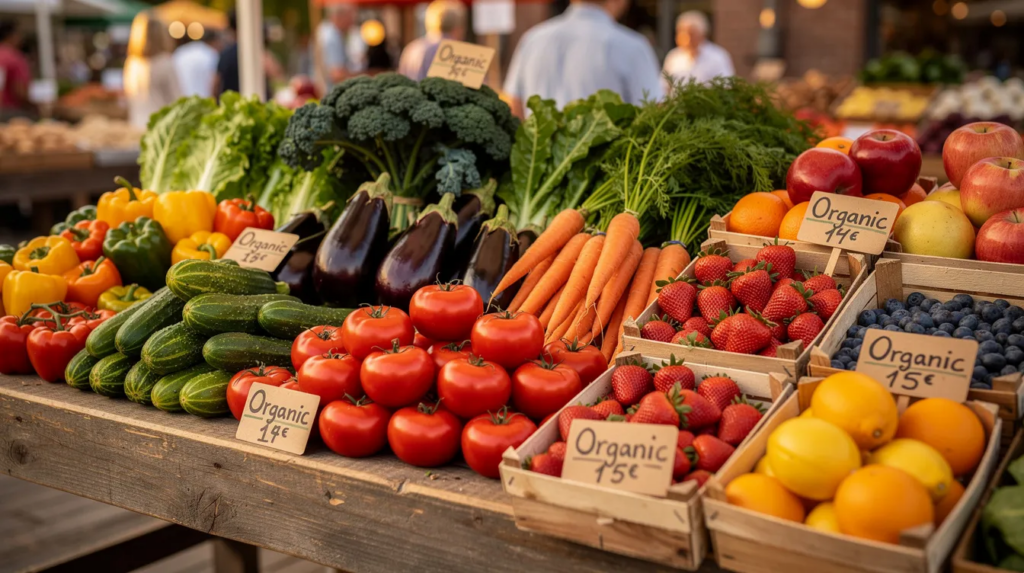
- Visit your local farmers market for direct access to organic produce
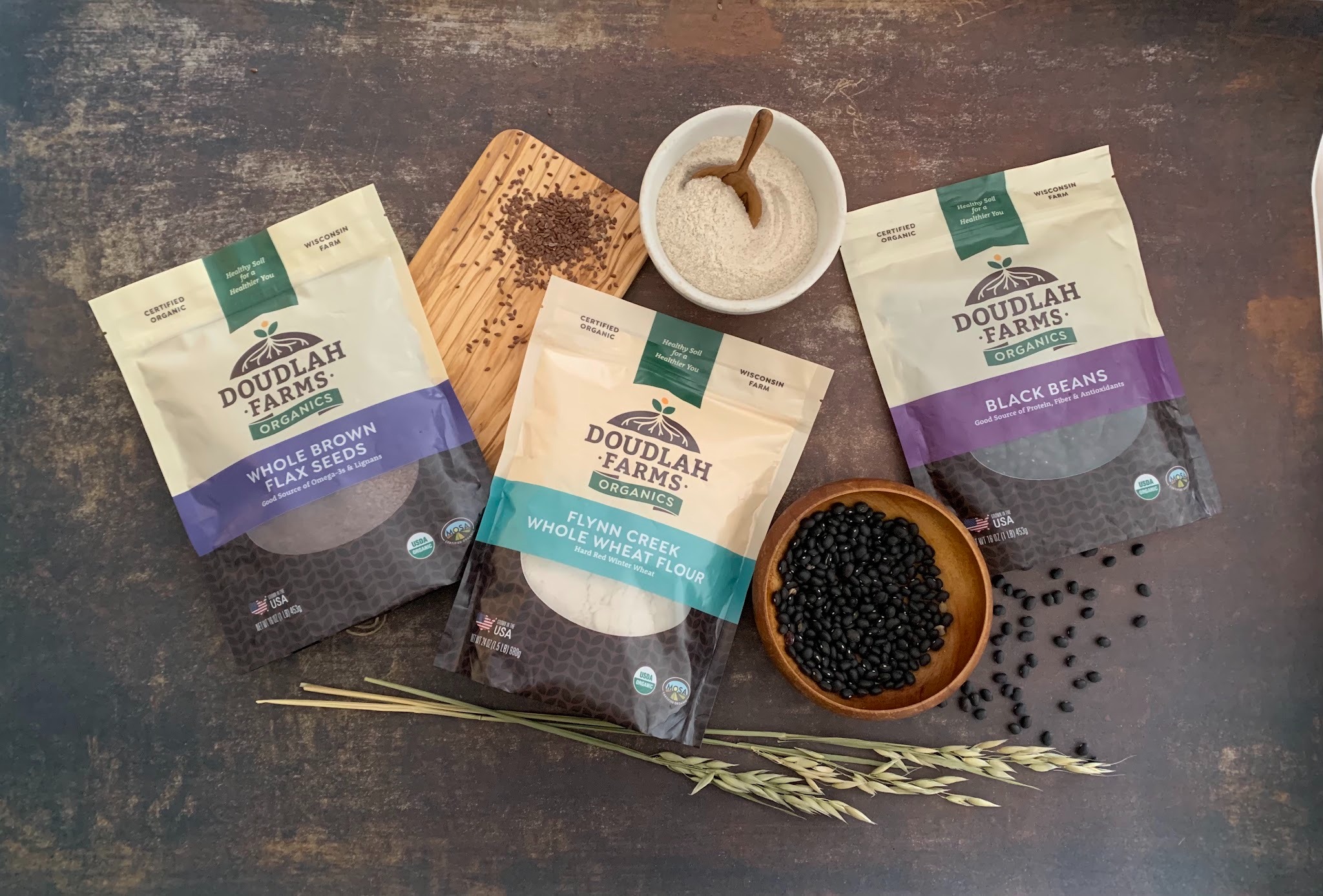
- Look for brands with both USDA Organic and glyphosate-residue-free certifications
- Consider alternatives like avocado oil for cooking and gluten free ancient grains
- Choose organic versions of items high in vitamin C and other nutrients you consume daily
Cooking from basic ingredients—whole grains, dried beans, fresh vegetables—gives you more control over food production in your kitchen. Rinsing and soaking grains and legumes before cooking can reduce surface residues, though this won’t eliminate systemic glyphosate inside plant tissues.
Small intervention studies have shown that switching a portion of weekly shopping to eating organic can reduce pesticide and glyphosate metabolite levels in urine by significant percentages within about a week.
For those who use herbicides at home gardens, consider non-chemical weed management methods like mulch, hand weeding, or flame weeding—especially in areas where children or pets spend time.
Frequently Asked Questions (FAQs) About Glyphosate-Free Food
Is any amount of glyphosate in food considered safe?
Regulatory agencies like the EPA and EFSA set maximum residue limits they consider safe based on toxicology data, typically with large safety margins. IARC’s classification as “probably carcinogenic” focuses on hazard—whether something can cause cancer under some conditions. Regulators assess risk—whether typical exposures are likely to cause harm. Some people accept regulatory limits while others prefer minimizing exposure through organic foods and glyphosate-free choices.
Does washing or cooking food remove glyphosate?
Rinsing, soaking, and cooking can reduce some surface residues, but glyphosate is often systemic—inside plant tissues—so it cannot be completely washed away. Washing remains worthwhile for general cleanliness and removing other contaminants. The most reliable way to reduce glyphosate is to change how and where your food is grown and sourced.
Does non-GMO automatically mean glyphosate-free?
No. “Non-GMO” only refers to whether crops are genetically engineered. Non-GMO wheat, oats, and other crops can still be treated with glyphosate herbicide before harvest. If avoiding glyphosate residue is your priority, look specifically for “organic” or explicit “glyphosate-free” testing claims.
What farming practices support glyphosate-free food production?
Glyphosate-free food is typically produced through organic or regenerative farming methods that avoid synthetic herbicides. These practices promote soil health, biodiversity, and ecosystem balance while reducing chemical runoff and protecting human health. Choosing glyphosate-free supports sustainable agriculture that prioritizes environmental and human well-being.
Are glyphosate-free products more expensive?
Glyphosate-free or certified organic products often cost more due to third-party testing, certification, and additional labor required to avoid certain chemicals. Budget-friendly strategies include prioritizing glyphosate-free versions of frequently eaten items (grains, cereals, legumes) while buying conventional options for foods you eat less often. The same amount of money spent strategically can significantly reduce your overall exposure.