If you’ve been reading about the anti-inflammatory diet, you’ve probably seen the same advice repeated: eat more vegetables, cut out processed food, choose whole grains. Good advice. But here’s the part most articles leave out — where your food was grown, and how, matters just as much as what you’re eating.
Food as medicine only works if the food itself is clean.
What Is Inflammation — and Why Should You Care?
Inflammation is your body’s response to injury, infection, or threats such as bacteria, toxins, or allergens. In the short term, it’s protective — the reason a sprained ankle swells or a cut turns red. The body’s inflammatory response can also cause pain and other symptoms, such as swelling, redness, or discomfort in joints, muscles, or the digestive system. But when that response doesn’t switch off, chronic inflammation quietly drives some of the most common chronic diseases we face today: heart disease, type 2 diabetes, arthritis, stroke, obesity, and certain types of cancer. Chronic inflammation can make existing illnesses worse and raise your risk for several diseases, including cancer. Many major diseases, including cancer, heart disease, diabetes, arthritis, depression, and Alzheimer’s, have been linked to chronic inflammation. Inflammation can cause cell damage that increases your risk for chronic diseases like heart disease and cancer.
Many factors contribute to chronic inflammation — stress, sleep, emotional health, genetics, and physical activity all play a role. But diet is one of the most powerful and controllable levers we have. What you eat can either fuel the fire or help put it out. Managing inflammation through diet can help reduce symptoms associated with chronic illnesses.
The anti-inflammatory diet is built around a simple idea: certain foods promote inflammation, and certain foods fight it. Shift the balance toward the latter, and your body has a better chance of regulating its own immune system response.
Inflammatory Foods: What to Reduce

Before we get to what to add, it helps to understand what to pull back on. The standard American diet is, unfortunately, packed with inflammatory foods.
At the top of the list: trans fats and partially hydrogenated oils, found in many packaged snacks, baked goods, and fried foods like French fries. Trans fats trigger inflammation and are found in hydrogenated or partially hydrogenated oils. These fats directly promote inflammation and have been linked to elevated cholesterol and increased risk of cardiovascular disease. Many prepared foods also contain hidden sugar, which can contribute to inflammation.
Refined carbohydrates — white bread, pastries, and heavily processed grains — spike blood sugar rapidly, triggering an inflammatory cascade. Refined carbohydrates that are low in fiber and high in sugar can promote inflammation.
Similarly, processed meats like hot dogs and bacon contain compounds that promote chronic inflammation and have been associated with a higher risk of cancer and heart disease. Processed meats have been classified as carcinogens by the World Health Organization (WHO). Red meat and processed meat are linked to inflammation and increased cancer risk.
Red meat, consumed in large quantities, can also tip the scales toward inflammation — particularly when it comes from conventionally raised animals fed grain-heavy diets. Consumption of saturated fat in meat and dairy products has been associated with increased rates of multiple chronic illnesses. Saturated fats are found in animal products like meat and cheese and can promote inflammation.
Diets high in these inflammatory foods are associated with high blood pressure and increased risk of heart disease and stroke. Certain foods and dietary patterns can influence blood pressure levels and overall cardiovascular health.
Omega-6 fats, found in plant-based cooking oils, may promote inflammation when consumed in large amounts.
Reading food labels is important to avoid hidden sugars and trans fats.
None of this means you need a perfect diet overnight. But reducing these inflammatory foods, even gradually, creates meaningful space for the anti-inflammatory compounds in whole foods to do their work.
Anti-Inflammatory Foods: What to Add
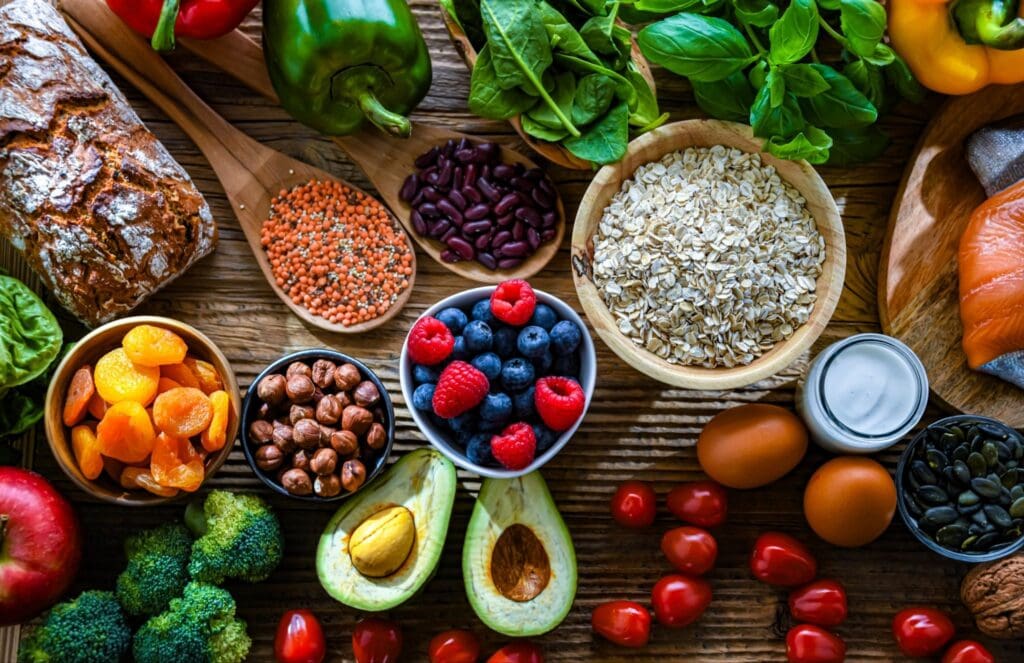
The Mediterranean diet is the most well-studied dietary pattern associated with reduced inflammation — and it’s worth looking at what makes it work. It’s not a rigid set of rules. It’s a way of eating centered on vegetables, fruits, whole grains, legumes, nuts, seeds, fish, olive oil, and herbs. Not coincidentally, these are exactly the foods richest in anti-inflammatory effects.
Vegetables and Fruits
Make vegetables the foundation of your plate — the often-cited guidance to fill half your plate with produce is a practical starting point. Dark leafy greens, cruciferous vegetables like broccoli and Brussels sprouts, and colorful peppers are particularly high in antioxidants and phytonutrients that help reduce inflammation.
Fruits, especially berries and citrus fruits, provide flavonoids and vitamin C — both linked to a lower risk of inflammatory disease. Citrus fruits in particular offer compounds that support immune system regulation.
Whole Grains and Legumes
Whole grains are a cornerstone of any anti-inflammatory diet, but only when they’re actually whole — meaning the bran, germ, and endosperm are all intact. Refined grains have had the most nutritious parts stripped away, which is why white bread behaves so differently in the body than a bowl of whole-grain beans or stone-ground cornmeal.
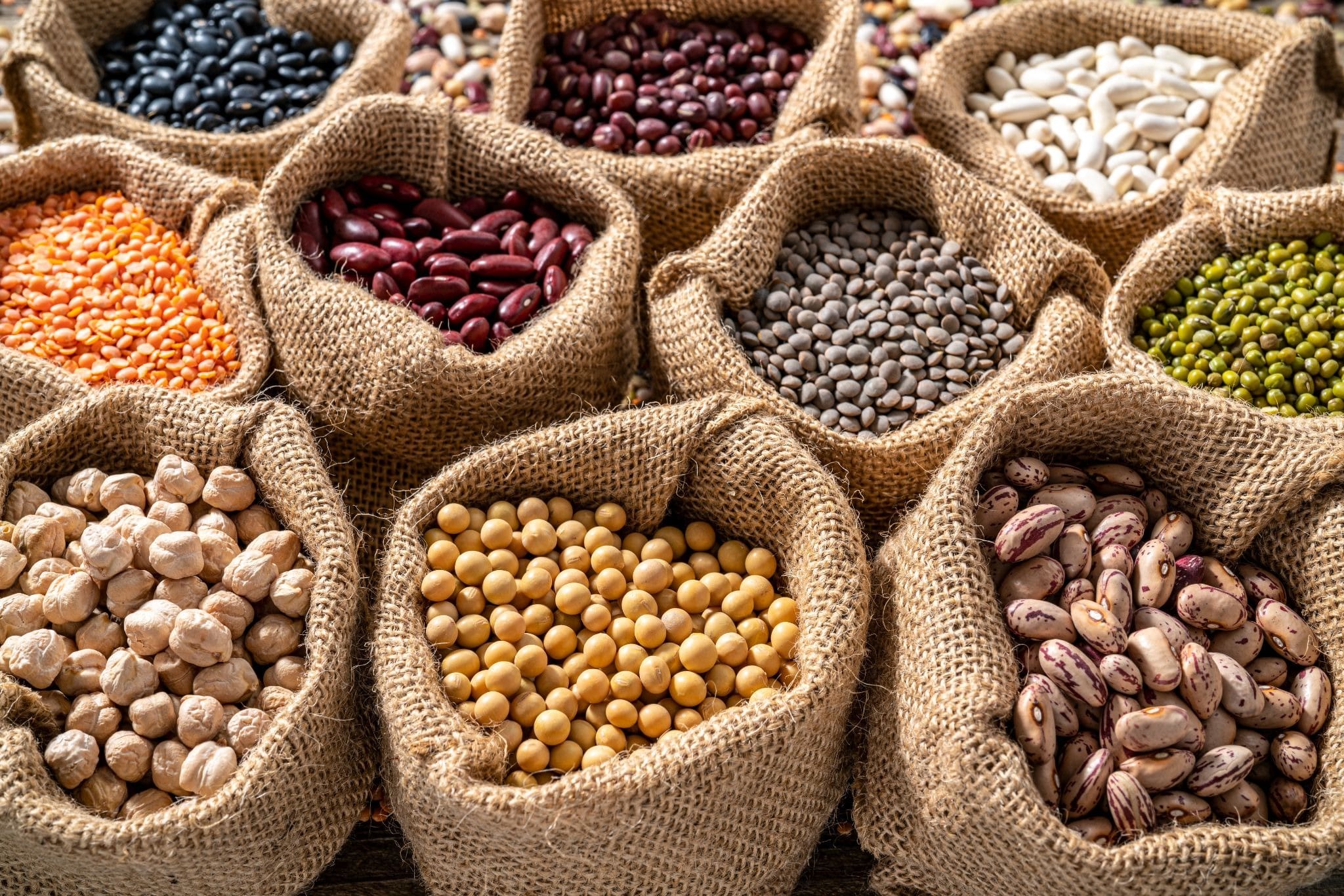
Legumes — beans, lentils, and peas — deserve special mention. They’re among the most reliably anti-inflammatory foods available: high in fiber (which feeds beneficial gut bacteria and helps regulate the immune system), rich in plant-based protein, and loaded with antioxidants. Studies have consistently linked regular bean consumption with lower risk of heart disease, diabetes, and certain cancers.
Fish and Healthy Fats
Fatty fish like salmon are among the best dietary sources of omega-3 fatty acids, among the most studied anti-inflammatory compounds in nutrition. Aim for fish two to three times per week if it fits your diet.
Olive oil is the other cornerstone fat in the Mediterranean diet, and for good reason. It’s rich in oleocanthal, a compound with anti-inflammatory effects similar in mechanism to ibuprofen — though in food, not drugs. Use it as your primary cooking fat and in dressings.
Nuts, Seeds, and Herbs
Nuts — particularly walnuts and almonds — provide healthy fats, fiber, and anti-inflammatory nutrients. Seeds like flaxseed, chia, and sunflower seeds offer similar benefits, along with vitamin E, which plays a role in immune regulation.
Herbs like turmeric, ginger, and rosemary contain potent anti-inflammatory compounds. They’re an easy, flavorful way to get more anti-inflammatory nutrition into everyday cooking without changing what you eat — just how you season it.
Fermented Foods
Fermented foods — yogurt, kimchi, sauerkraut, and kefir — support gut health, which is increasingly understood as central to regulating inflammation. A diverse, healthy gut microbiome helps calibrate the body’s inflammatory response. Even small amounts added regularly to your diet can be beneficial.
The Importance of Variety in an Anti-Inflammatory Diet
A truly effective anti-inflammatory diet is built on variety. Including a wide range of anti-inflammatory foods in your daily meals is one of the most powerful ways to support a healthy diet, reduce inflammation, and lower your risk of chronic diseases like heart disease, diabetes, and cancer.
Chronic inflammation can be managed—and even prevented—by consistently choosing foods that fight inflammation. Fatty fish, colorful fruits and vegetables, whole grains, nuts, and seeds each offer unique anti-inflammatory compounds and antioxidants that work together to protect your body and strengthen your immune system. When you eat a diverse mix of these foods, you ensure your body receives the full spectrum of nutrients it needs to maintain optimal health and keep inflammation in check.
The Mediterranean diet is a prime example of how variety leads to better health outcomes. This dietary pattern emphasizes olive oil, citrus fruits, fermented foods, and a rainbow of vegetables, all of which have been shown to lower inflammation and reduce the risk of chronic diseases. Filling half your plate with a mix of vegetables at every meal is a simple, effective way to boost your intake of anti-inflammatory compounds and antioxidants.
It’s equally important to limit foods that can fuel inflammation. Processed meats like hot dogs and bacon, as well as red meat, are high in partially hydrogenated oils and trans fats—ingredients linked to increased inflammation and a higher risk of chronic illness. Swapping these for plant-based products and fatty fish can help reduce your risk and support a healthier body. Refined carbohydrates, such as white bread and French fries, should also be minimized due to their high glycemic index and potential to exacerbate inflammation.
How you prepare your food matters, too. Healthy cooking methods like baking, steaming, or grilling help preserve the nutrients and anti-inflammatory effects of your ingredients, while minimizing the formation of inflammatory compounds.
For those with specific health needs, medically tailored meals can be a valuable tool. These personalized meal plans take into account your unique health outcomes and dietary requirements, making it easier to manage inflammation and improve overall health.
Finally, access to a variety of whole, unprocessed foods is essential. By making a conscious effort to include a broad range of anti-inflammatory foods in your diet, you take a proactive step toward lowering inflammation, supporting your immune system, and improving your long-term health outcomes. Variety isn’t just the spice of life—it’s the foundation of a truly anti-inflammatory diet.
The Problem Most Anti-Inflammatory Guides Skip
Here’s where most nutrition articles stop. They tell you to eat more anti-inflammatory foods and fewer inflammatory foods, and that’s that.
But there’s a variable that matters enormously and rarely gets discussed: pesticide and herbicide residue on the very foods you’re eating to fight inflammation.
Conventional farming relies heavily on synthetic pesticides, herbicides, and fertilizers. Glyphosate — one of the most widely used herbicides in American agriculture — has attracted significant scientific scrutiny for its potential effects on the gut microbiome, the same system that modulates immune response and inflammation. The research is ongoing, but the question is worth asking: if you’re building your diet around whole grains, beans, and vegetables specifically to reduce inflammation, do you want to be consuming residue from 220+ chemicals at the same time?
This is why organic foods for inflammation aren’t just a marketing preference — they’re a logical extension of the goal.
Beyond Organic: The Doudlah Farms Standard

“Organic” is a meaningful starting point. But not all organic is equal, and the USDA Organic label, while important, permits a range of practices across a wide variety of farm operations.
At Doudlah Farms, we hold ourselves to four independent certifications:
- USDA Organic — the federal standard
- MOSA (Midwest Organic Services Association) — one of the most rigorous third-party certifiers in the country
- Biodynamic — fancy word for treating your farm like a living ecosystem instead of a factory. Closed-loop fertility. No synthetic inputs. The soil is managed as a living system.
- Real Organic Project — an add-on certification that closes loopholes in the USDA standard and requires food to be genuinely grown in soil
And beyond those certifications, every product we sell is tested clean from over 220 chemicals — including glyphosate. That is not a claim. That is a certificate.
Why Soil Health Is the Foundation of Anti-Inflammatory Nutrition
Healthy soil grows healthy food. It really is that simple — and that profound.
The nutrients, antioxidants, and phytonutrients in plants — the very compounds that give anti-inflammatory foods their beneficial qualities — are produced in relationship with a biologically active soil environment. Depleted soils, managed with synthetic inputs, produce food that is measurably lower in certain minerals and secondary plant compounds compared to food grown in living soil.
Mark Doudlah has farmed Wisconsin land for decades using regenerative and biodynamic practices. That sixth-generation stewardship shows up in the quality of what we grow — beans and grains with the full nutritional profile intact, grown in soil that’s been built up, not depleted.
Doudlah Farms Products for Your Anti-Inflammatory Diet
Dry Beans — 10 Varieties
Black beans, kidney beans, cranberry beans, great northern beans — all grown in Wisconsin soil, all tested clean. Black beans are among the most consistently beneficial foods for inflammation: high in fiber, antioxidants, and plant-based protein. Cook a pot at the start of the week and build meals around it.
Available in 1 lb bags through 25 lb bulk. Shop at doudlahfarms.com.
Stone-Ground Whole Grain Flours
Our milled products —spelled, buckwheat, and yellow cornmeal — are stone-ground to preserve the full bran and germ. Buckwheat is particularly worth noting: it’s a gluten-free ancient grain high in rutin, a flavonoid with documented anti-inflammatory effects. Swap it into baking or use our cornmeal as the base for a hearty polenta.
Organic Sunflower Seeds
Grown on the same Wisconsin soils, our sunflower seeds are a simple, nutrient-dense addition to salads, grain bowls, and snacking. High in vitamin E and beneficial fats — exactly the kinds of nutrients a healthy, anti-inflammatory diet is built on.
Organic Popcorn Kernels
Whole grain, gluten-free, and grown without synthetic pesticides or GMOs, they fit perfectly with the best organic popcorn for healthy snacking. Our organic white and yellow popcorn kernels are naturally high in fiber and make a wholesome snack. Conventional popcorn is one of the most heavily sprayed crops in America — our organic popcorn kernels are the clean alternative, popped in a little olive oil with herbs for an easy, genuinely healthy snack.
Simple Places to Start
You don’t need to overhaul everything at once. A few shifts make a significant difference:
- Replace refined grains with whole grains. Swap white bread for stone-ground whole grain flour in baking. Start with a 50/50 blend.
- Make beans a weekly staple. A pot of black beans or great northerns feeds multiple meals — soups, grain bowls, tacos, and salads.
- Use olive oil as your primary cooking fat in place of vegetable or seed oils.
- Add fish to your weekly rotation, particularly salmon and other fatty fish for omega-3s.
- Reach for nuts and seeds as snacks instead of packaged chips or crackers.
- Choose organic foods for inflammation-fighting whole foods — especially for the high-residue crops: grains, beans, and corn.
The Bottom Line
The anti-inflammatory diet works. The research behind it is substantial, consistent, and growing. But it works best when the foods you’re eating are genuinely clean — grown in healthy soil, free from chemical residue, and tested to prove it.
Reducing inflammation through diet is not complicated. Eat more vegetables, fruits, whole grains, legumes, nuts, seeds, and healthy fats. Reduce processed meats, trans fats, refined carbohydrates, and inflammatory foods. Choose organic when it matters — and make sure your organic actually means something.
That’s the standard we hold ourselves to at Doudlah Farm because your health is deeply rooted in our soil.
FAQs About Organic foods for inflammation
Why does it matter if the organic foods for inflammation I choose are grown in healthy soil?
Healthy soil grows healthy food because the nutrients, antioxidants, and phytonutrients in plants are produced in relationship with a biologically active soil environment. Depleted soils managed with synthetic inputs produce food that is measurably lower in certain minerals and secondary plant compounds. Choosing organic foods for inflammation grown in living soil ensures the full nutritional profile is intact.
What are the most important inflammatory foods to reduce in my diet?
You should pull back on trans fats and partially hydrogenated oils (found in many packaged snacks and fried foods), refined carbohydrates like white bread and pastries, and processed meats like hot dogs and bacon. Red meat, particularly from conventionally raised animals fed grain-heavy diets, and saturated fats in dairy products should also be reduced as they are linked to chronic inflammation.
Which whole grains and legumes are recommended for an anti-inflammatory diet?
Legumes such as black beans, kidney beans, lentils, and peas are highly recommended because they are high in fiber, plant-based protein, and antioxidants. For grains, you should choose whole grains where the bran, germ, and endosperm are intact, such as stone-ground yellow cornmeal, spelt, or buckwheat, which is a gluten-free ancient grain high in the anti-inflammatory flavonoid rutin.
How does the Mediterranean diet help manage inflammation?
The Mediterranean diet is a well-studied pattern centered on vegetables, fruits, whole grains, legumes, nuts, seeds, fish, and olive oil. These foods are rich in anti-inflammatory compounds and antioxidants. For example, olive oil contains oleocanthal, which has anti-inflammatory effects similar to ibuprofen, and fatty fish provides omega-3 fatty acids that help regulate the immune system.
How can we tell if an anti-inflammatory diet is actually helping?
Look for measurable changes over three to six months, such as fewer episodes of joint discomfort, reduced fatigue, improved digestion, and better sleep patterns. Choosing organic foods for inflammation ensures you are avoiding glyphosate and other residues that can disrupt the gut microbiome. A simple food and symptom log can help identify which modifications are making a genuine difference in your overall health outcomes.