Key Takeaways
- Gut-healthy organic foods offer many benefits, supporting digestion, immunity, and overall wellness.
- Your gut microbiome contains trillions of microbes that influence digestion, immunity, mood, and long-term disease risk.
- Organically grown, chemical-tested foods may better support gut health by reducing exposure to pesticides and synthetic farm chemicals.
- Fiber-rich organic foods like beans, whole grains, and leafy greens act as fuel (prebiotics) for beneficial bacteria in your digestive system.
- Supporting gut health involves a combination of probiotics and prebiotics, and choosing organic versions helps minimize exposure to synthetic pesticides and antibiotics.
- Doudlah Farms Organics offers US-grown, USDA-certified organic beans and grains that are independently “Tested Clean” for 220+ chemicals, including glyphosate.
- Small, consistent changes to your diet matter more than short-term “gut resets.”
How Your Gut Really Works (And Why It Needs the Right Food)
Your gut includes your stomach, small intestine, and large intestine. Most of your gut flora live in the colon, where trillions of bacteria, yeasts, and other microbes work together to keep you healthy.
This gut microbiome does more than help with digestion. These beneficial microbes, often called friendly bacteria or probiotics, are naturally found in the human gut and in foods like live yogurt. They produce vitamins like B vitamins and vitamin K, create short-chain fatty acids that strengthen your colon lining, and protect against harmful bacteria. Research from 2010 onward has linked gut balance to immune system strength, mood stability, and a reduced risk of health issues such as irritable bowel syndrome, obesity, and type 2 diabetes.
Here’s what matters most: your gut bacteria eat undigested fibers and plant compounds from certain foods you consume. Daily eating patterns shape your microbiome over months, not days. For probiotics to be effective, they must be taken consistently, often for at least four weeks, to assess their impact on gut health.
What Makes Food “Organic” – And Why Your Gut May Care
USDA-certified organic farming prohibits synthetic pesticides, synthetic fertilizers, and GMOs. Doudlah Farms Organics follows these standards, plus MOSA certification, and adds independent “Tested Clean” screening for 220 chemicals, including glyphosate and AMPA. Prophylactic antibiotics are also prohibited in organic meat and dairy production, reducing antibiotic residues in food. Additionally, organic agriculture avoids the use of antibiotics in crops, reducing the risk of consuming foods that contribute to antibiotic-resistant bacteria.
Why does this matter for your gut? Common farm chemicals, such as glyphosate (first approved in the 1970s), are under active study for potential effects on gut bacteria. Lab and animal studies suggest certain pesticides may disrupt microbial balance and increase inflammation. Conventional, non-organic foods can contain higher levels of pesticides, which are associated with negative impacts on gut flora. Chemical residues from pesticides can inhibit the growth of beneficial bacteria, allowing harmful pathogens to proliferate and increasing the risk of digestive problems. Human data is still emerging, but choosing organic, chemical-tested foods is a precautionary choice that reduces residues and unknowns for your gut microbiome. Organic food improves gut health by reducing exposure to synthetic pesticides, which can disrupt beneficial gut flora.
Fiber: The Missing Gut Nutrient Most People Don’t Get Enough Of
Most people in the US get about 15 grams of fiber daily. Guidelines recommend roughly 25 grams for women and 38 grams for men—a significant gap. A diet rich in fiber can support digestion and help prevent constipation, with a recommended daily intake of 30 grams for optimal health. Fiber acts like a sponge, absorbing water, which is crucial for preventing constipation; without adequate fluid intake, fiber cannot perform its function effectively.
Two types of fiber matter for your gut:
- Soluble fiber (found in oats, beans, and citrus fruits) forms gels that feed bacteria and support the growth of beneficial gut microbes.
- Insoluble fiber (found in whole grains, vegetables) adds bulk and keeps things moving.
Certain plant fibers, known as prebiotics, fuel the growth of beneficial gut bacteria. Legumes such as lentils, chickpeas, and beans are rich in fiber and resistant starch, making them powerful prebiotics. Whole grains like oats and barley contain beta-glucan, a fiber that feeds crucial gut microbes. Whole grains also provide lots of fiber and added nutrients, which are essential for optimal colon function and overall digestive health.
Prebiotics are specific fibers and resistant starches that selectively feed good gut bacteria. Adequate fiber intake means more regular bowel movements, less constipation, better stool consistency, and increased production of short-chain fatty acids that reduce inflammation.
Practical tip: Add about 5 grams of fiber at a time (about ½ cup cooked beans) and drink plenty of water to help prevent gas and bloating.
Organic Beans and Legumes: Gut Superfoods from Doudlah Farms Organics
Beans are among the best foods for gut health, combining fiber, resistant starch, and plant-based protein in one package.
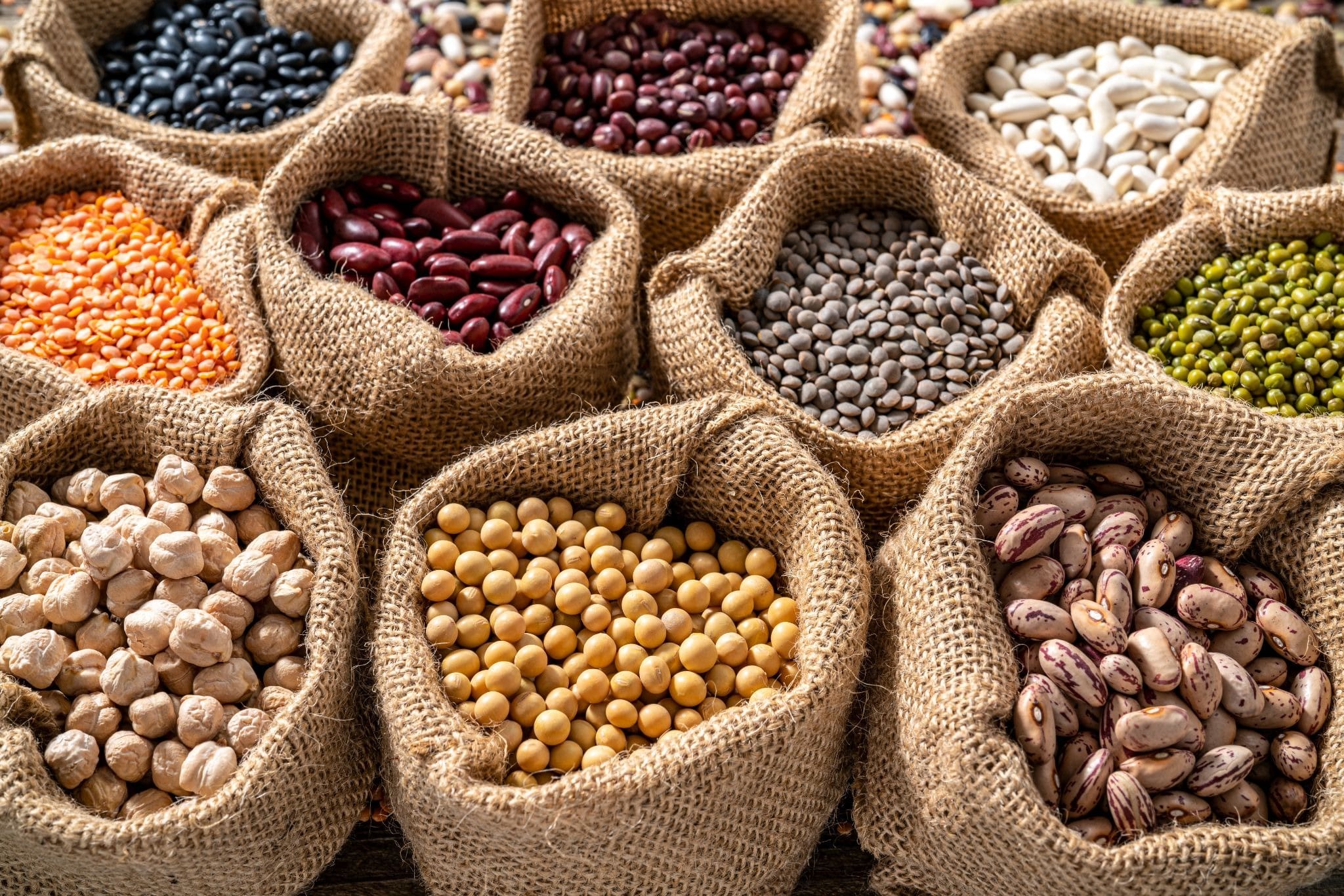
Doudlah Farms Organics grows eight bean varieties in Southern Wisconsin: Black, Cranberry, Dark Red Kidney, Great Northern, Navy, Pink, Pinto, and Small Red. All are USDA-certified organic, non-GMO, and US-grown, and you can explore a comprehensive guide to cooking with these organic beans for more ideas on using them to support gut health.
| Benefit | What It Means |
| High fiber | ½ cup cooked beans provides 6-10g fiber |
| Resistant starch | Acts as a prebiotic fuel for good bacteria |
| Plant protein | 3-4g per serving supports blood sugar balance |
| Tested Clean | Free from 220 chemicals, including glyphosate |
| For people with gut health issues like IBS or IBD, chemical-free beans may be gentler on sensitive digestive systems than conventionally grown alternatives. |
Heritage Grains and Whole Grains: Feeding Your Microbiome Naturally
Whole grains keep the bran and germ intact—where most fiber, nutrients, and plant compounds live. Refined grains remove up to 90% of the fiber and many vitamins. The fiber in whole grains not only supports immune function and gut bacteria but may also indirectly contribute to weight loss by improving metabolism and digestion.
Doudlah Farms Organics offers Flynn Creek Whole Wheat, fine-grind yellow cornmeal, and organic popcorn, all grown in Southern Wisconsin. These grains provide slowly-digested starches that support gut diversity and steady energy.
Simple usage ideas: If you’re new to cooking with them, organic Great Northern beans from Doudlah Farms are a versatile, gut-friendly option for soups, stews, and salads.
- Whole wheat in breads and pancakes
- Cornmeal in polenta and cornbread
- Air-popped popcorn with olive oil and herbs as an evening snack
Leafy Greens, Low-Fructose Fruits, and Other Organic Plant Allies
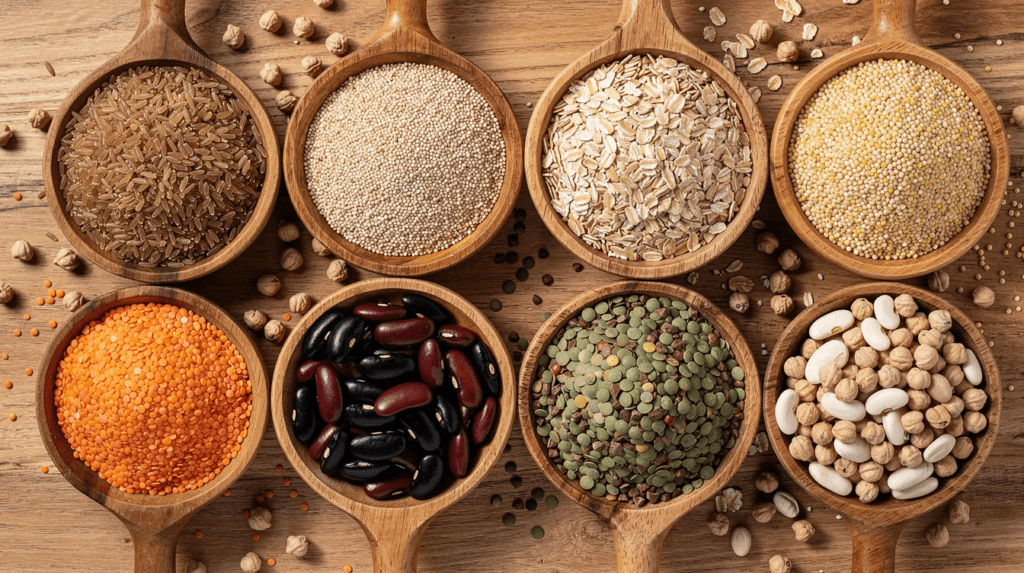
A colorful plant-based plate provides fiber plus polyphenols—plant compounds that beneficial bacteria transform into helpful molecules.
Research shows that leafy greens promote healthy gut bacteria and overall gut health. Leafy greens like organic spinach, kale, and chard deliver fiber, folate, and vitamins C and K. Studies from 2015-2020 show greens support diverse gut flora. Organic produce has been found to have higher levels of phytochemicals and essential nutrients that support a healthy gut microbiome. Organic produce often contains higher concentrations of polyphenols, which act as prebiotics supporting beneficial microbes. Additionally, organic foods typically contain higher levels of antioxidants, which can help reduce gut inflammation.
Low-fructose fruits tend to work better for people prone to bloating: berries, citrus fruits (oranges, grapefruit), and bananas. These are naturally found in most grocery stores and offer delicious options without triggering stomach pain, especially when paired with fiber-rich options like organic black beans from Doudlah Farms in balanced meals.
Avocado provides healthy fat and about 5 grams of fiber per half, making it gentle on most digestive systems, especially when combined with slowly digested options like organic Dark Red Kidney beans in chilis or grain bowls.
Fermented Organic Foods: Feeding Your Gut with Live Cultures
Fermented foods contain probiotics (live bacteria) plus compounds that support digestion. Common options include yogurt with live and active cultures, kefir, sauerkraut, kimchi, miso, and kombucha, and they pair especially well with prebiotic-rich foods like organic cranberry beans to nourish a diverse microbiome.
The difference between probiotics and prebiotics:
- Probiotics = live cultures found naturally in fermented foods
- Prebiotics = fibers that feed those live bacteria
They work best together. Try plain yogurt with berries and organic oats, raw sauerkraut with meals, or unsweetened kombucha instead of soda.
Note: People with a weakened immune system should consult a healthcare professional before taking probiotics or using high-dose probiotic supplements. Food sources are usually milder than dietary supplements.
What to Cut Back On: Foods That Can Work Against a Healthy Gut
Protecting overall health means both adding supportive foods and reducing items that disrupt your gut bacteria.
Foods to limit:
- Ultra-processed foods (packaged snacks, frozen dinners) often contain added sugar, unhealthy fats, and additives
- Refined sugar encourages less-helpful microbes and may increase inflammation
- Fried foods and heavy alcohol use can irritate the gut lining
Practical swap: Replace chips and dip with air-popped organic popcorn and homemade bean dip made from Doudlah Farms Organics beans, such as their organic Great Northern beans – non-GMO and certified clean.
The Brain–Gut Connection: Why Your Stomach and Mood Talk to Each Other
Your gut contains millions of nerve cells—sometimes called the “second brain”—that communicate with your brain through the vagus nerve. About 90% of serotonin production happens in your gut.
A healthy gut microbiome is associated with lower inflammation markers and may support a steadier mood. Many people notice more digestive problems during stress, poor sleep, or after antibiotics. Supporting your gut is one tool among many (including movement, sleep, and stress reduction) for brain-gut harmony.
Regenerative, Biodynamic Farming and Gut Health: Doudlah Farms Organics’ Approach
Healthy soil grows nutrient-dense plants that feed a diverse human body microbiome. Organic and regenerative farming practices that enhance soil health and biodiversity restore soil through cover crops, minimal tillage, and crop rotations.
Biodynamic farming goes further, treating the farm as a living ecosystem. Doudlah Farms Organics uses these beyond-organic, regenerative, and biodynamic methods to grow beans and grains with strong nutrient density—no synthetic chemicals required.
The connection is direct: rich, living soil supports plants with more complex fiber profiles, which nourish a more resilient gut microbiome.
Putting It All Together: A Simple One-Day Organic Gut-Health Menu
Here’s how to combine organic, high fiber foods in real life, using staples from Doudlah Farms Organics’ certified clean, Wisconsin-grown bean and grain offerings:
| Meal | Example | |
| Breakfast | Overnight oats with organic rolled oats, plain yogurt with active cultures, berries, and ground flax seeds | |
| Lunch | Salad with leafy greens, grated carrots, ½ cup Doudlah Farms Organics Black beans, avocado, olive oil dressing | |
| Snack | Air-popped organic popcorn with olive oil and herbs, plus an orange | |
| Dinner | Organic chili with Doudlah Farms Organics Pinto beans, Flynn Creek Whole Wheat bread, raw sauerkraut, showcasing the kind of meal built on Doudlah Farms’ family-run organic farming mission |
How to Start Supporting Your Gut with Doudlah Farms Organics
Change can be small and steady. Start with one organic, high-fiber swap per day rather than an extreme overhaul.
Entry points:
- Replace refined grains with Flynn Creek Whole Wheat
- Add Doudlah Farms Organics beans to one meal daily
- Choose organic popcorn instead of processed chips
Drink enough water and increase fiber gradually over 1-3 weeks. Look for “USDA Organic,” “MOSA certified,” and “Tested Clean” on Doudlah Farms Organics packaging.
Every meal is another chance to feed your gut well and support both personal health and a healthier American farmland.
Frequently Asked Questions About Gut Health Organic Food
Does eating gut health organic food automatically fix problems like IBS or reflux?
Organic food alone does not cure conditions like irritable bowel syndrome, inflammatory bowel disease, or reflux. However, it can reduce exposure to synthetic chemicals and improve overall diet quality. People with diagnosed gut conditions should work with a healthcare professional to develop personalized nutrition plans, incorporating organic foods as part of a broader strategy. Consider tracking symptoms in a food diary when introducing more fiber-rich organic foods.
Can I get too much fiber for my gut?
Suddenly jumping from low-fiber to high-fiber eating can cause gas, bloating, and digestive problems. Increase fiber slowly—about 5 grams more every few days—and drink plenty of water. People with certain medical conditions (strictures, recent surgery, or active IBD flares) should consult their healthcare professional before making big fiber changes.
Are dried organic beans better for gut health than canned beans?
Both dried and canned beans provide fiber, resistant starch, and lean proteins for gut health. Dried beans from Doudlah Farms Organics offer full control over soaking and cooking without additives. If using canned beans, choose organic when possible and rinse well to reduce sodium and fermentable sugars that cause gas.
How long does it take to see gut health benefits after changing my diet?
Some microbiome shifts occur within days of increased fiber and fermented foods intake, but stable changes typically take weeks to months. Focus on habits you can maintain for at least 8-12 weeks. Remember that sleep, movement, and stress also influence gut function—be patient and look at the whole picture.
Is “Tested Clean” really different from just buying organic?
USDA Organic standards limit which chemicals can be used, but don’t require routine independent testing for hundreds of potential residues. Doudlah Farms Organics goes further by testing products for 220 substances, including glyphosate and AMPA. This provides added transparency for people who want extra control over what reaches their gut microbiome.