Key Takeaways
Beans support heart health by helping lower cholesterol, improve blood pressure, stabilize blood sugar, and support a healthy weight. They are simple, whole foods that fit into everyday meals without requiring a complete diet overhaul.
- Regularly eating beans, including kidney beans, black beans, pinto beans, navy beans, chickpeas, and lentils, is linked with lower rates of heart disease, stroke, high blood pressure, and cardiovascular disease.
- Beans contain soluble fiber, which can lower cholesterol levels, slow sugar absorption into the blood, improve insulin response, and make meals more filling.
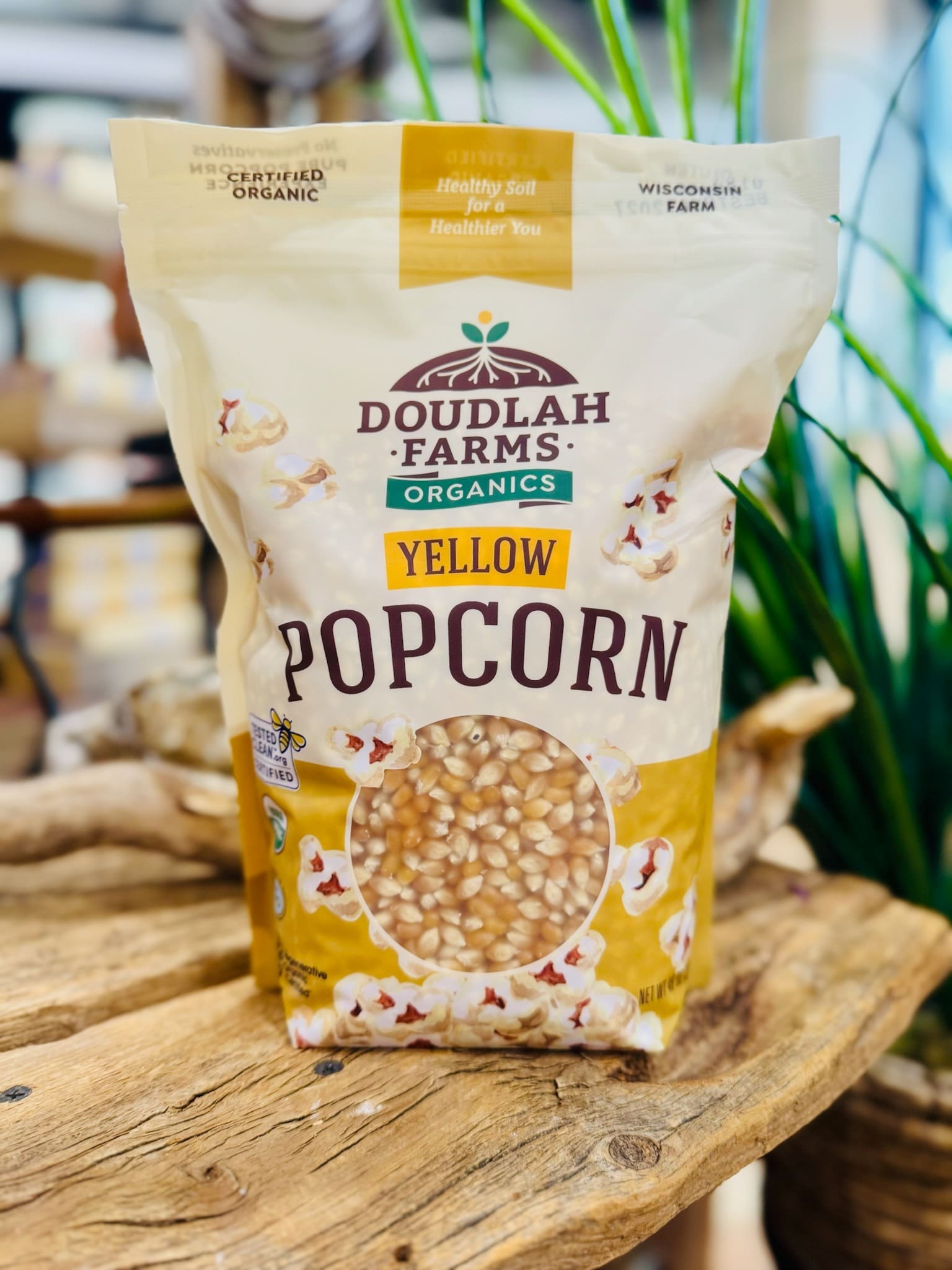
- Organic, soil-building beans from Doudlah Farms in Wisconsin reduce exposure to synthetic chemicals while supporting soil health, biodiversity, and long-term ecosystem health.
- Beans work well in a plant-based or plant-forward pattern with whole grains, vegetables, fruits, olive oil, nuts, seeds, and other plant foods.
Why Beans Belong at the Center of a Heart-Healthy Plate
Heart health is not one number. It includes blood pressure, cholesterol, blood sugar, body weight, inflammation, and the risk of heart disease, stroke, heart attack, and other serious health problems. High blood pressure, high cholesterol, and elevated blood glucose from diabetes are leading risk factors for heart failure.
Heart disease remains the leading cause of death in the United States as of 2026, which makes everyday food choices matter. The American Heart Association emphasizes whole grains, fruits, vegetables, lean proteins, and plant-based foods while limiting sodium, added sugar, unhealthy fats, and processed foods.
Beans are among the most studied plant foods for cardiovascular protection because they provide fiber, plant protein, potassium, magnesium, iron, plant sterols, and essential nutrients with very little saturated fat. This article was written by Asymmetric Applications for Doudlah Farms, a Wisconsin organic farm focused on soil health, nutrient-dense beans, and other plant foods. Here’s what to know about how beans work in the body, how to eat them, and what questions to ask your doctor.
How Beans Support Healthy Cholesterol and Blood Pressure
LDL cholesterol can build up in arteries, while high blood pressure strains blood vessels and the heart. Together, high levels of both raise the risk of heart disease and the risk of heart complications over time.
The soluble fiber in beans binds bile acids in the gut, helping reduce LDL absorption into the bloodstream. A 1-cup cooked serving often provides about 3 to 7 grams of soluble fiber, depending on the bean, plus much more total fiber toward the usual 25 to 30 grams recommended daily. Oatmeal and other high-fiber foods can reduce low-density lipoprotein (LDL) cholesterol, the “bad” cholesterol, by providing soluble fiber that decreases cholesterol absorption into the bloodstream; beans work in a similar way.
Beans also supply potassium and magnesium while staying naturally low in sodium. Potassium-rich foods can support healthy blood pressure, but taking potassium supplements should be discussed with a clinician, especially for kidney disease or certain medicines. Limit daily sodium intake to under 2,300 milligrams to manage blood pressure, and aim to keep blood pressure levels under 120/80 mmHg through lifestyle or medication when needed.
Replacing meat, refined snacks, and processed foods with bean-based meals can steadily lower cholesterol and reduce sodium. Limiting saturated fats to less than 7% of total daily calorie intake can reduce LDL cholesterol by 8% to 10%. Foods with added plant sterols or stanols can lower LDL cholesterol by 5% to 15% when consumed at 2 grams per day, and beans naturally contain smaller amounts of plant sterols and phytochemicals that help protect artery function.
Beans, Blood Sugar, and Maintaining a Healthy Weight
Stable blood sugar matters because Type 2 diabetes increases the risk of heart disease and stroke. In Type 2 diabetes, glucose builds up in the blood instead of entering cells due to insulin resistance, leading to high blood sugar levels over time. High blood sugar from diabetes damages the nerves and blood vessels controlling the heart over time.
Beans digest slowly, so they produce a lower glycemic response than refined carbohydrates. Monitoring blood sugar levels is crucial for individuals with Type 2 diabetes, and beans are often easier on glucose levels than white bread, sweets, or refined grains. Healthy blood glucose levels are essential for the brain, kidneys, and heart, and can be maintained through smart eating, physical activity, stress management, and healthy sleep.
Beans also help with weight because their fiber and protein increase fullness for fewer calories. Research shows that people who eat plant-based diets tend to be leaner than those who do not, with a 2020 review finding that participants assigned to plant-based diets lost weight in every study analyzed. Losing just 3% to 5% of body weight significantly lowers triglycerides and blood sugar.
A simple swap: replace a refined-grain side with black beans and brown rice pilaf, vegetables, and olive oil. Start with 1/2 cup of beans a day, drink more water, and increase slowly to reduce gas.
Beans in a Plant-Based or Plant-Forward Heart-Healthy Eating Pattern
A plant-based diet or plant-forward diet emphasizes plants, including beans, whole grains, vegetables, fruits, nuts, seeds, sweet potatoes, and other foods, with or without smaller amounts of animal products, dairy products, fish, meat, or other animal products. Vegan diets can also be heart-healthy when built around whole foods rather than ultra-processed substitutes.
A whole-food, plant-based diet is associated with significantly lower rates of Type 2 diabetes and improved outcomes for those already diagnosed with the condition. A plant-based diet is rich in fiber, which is important for gut health, stabilizing blood sugar, and reducing the risk of certain diseases, including colorectal cancer.
Nutrient-rich diets, like the DASH Eating Plan or Mediterranean diet, emphasize whole grains, fruits, vegetables, and lean proteins while limiting sodium, added sugars, and unhealthy fats. Structured dietary plans like the DASH Diet are proven to lower blood pressure. Beans pair well with olive oil, citrus fruits, grains, leafy greens, avocados, nuts, and seeds to reduce inflammation and deliver broad health benefits.
Organic, Soil-Healthy Beans from Wisconsin: Why Growing Methods Matter
How beans are grown can influence nutrients and environmental impact. Doudlah Farms uses organic and regenerative practices in southern Wisconsin, focusing on soil health, biodiversity, and avoiding synthetic pesticides and fertilizers.
Healthy soils help produce nutrient-dense foods, including beans with potassium, magnesium, iron, and other nutrients that support cardiovascular health. Research suggests regenerative farms can produce crops with higher mineral and phytochemical levels than comparable conventional farms.
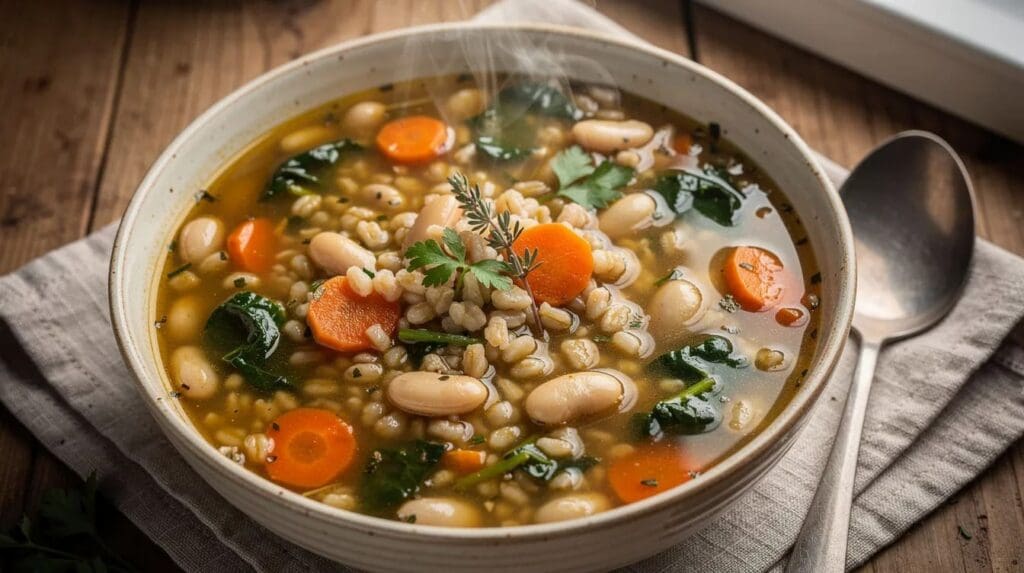
Choosing local organic beans supports regional food systems and a healthy lifestyle. Wisconsin’s climate and soils support diverse bean varieties that fit Midwest comfort foods, from pinto bean chili to bean and barley soup.

Practical Ways to Add More Beans to a Heart-Healthy Diet
Beans are affordable, versatile, and easy to add to meals.
Try black bean and corn salad for fiber and potassium, lentil soup for plant protein, white bean and kale stew for magnesium, hummus with vegetables for a snack, or pinto bean chili instead of higher-sodium meat-heavy dishes. Cook a large pot of beans on Sunday and use them in tacos, salads, soups, and grain bowls.
Choose dry beans when you want full control over sodium, or low-sodium canned beans when time is tight. Rinse canned beans for about 30 seconds to reduce surface sodium. Aim for 1/2 to 1 cup cooked beans most days as part of a mix of plant foods.
Other heart-supportive habits matter too. A sedentary lifestyle weakens the heart muscle, while regular movement strengthens the heart muscle, regulates blood sugar, and helps lower cholesterol and blood pressure. Achieve 150 minutes of weekly moderate aerobic activity or substitute with 75 minutes of intense weekly aerobic exercise, and stay physically active.
Avoid all tobacco products and exposure to secondhand smoke to improve heart health. Quitting tobacco is the single most effective lifestyle change for preventing heart disease, and quitting smoking is the leading cause of reducing preventable cardiovascular death. Adults need 7 to 9 hours of quality sleep nightly because poor sleep is linked to hypertension and heart disease. Chronic stress floods the body with cortisol, elevating heart rate and promoting unhealthy coping mechanisms.
A combination of physical activity, proper nutrition, and risk factor management can significantly lower the risk of cardiovascular disease. Managing five specific modifiable risks-blood pressure, cholesterol, blood sugar, body weight, and smoking-can reduce the global burden of cardiovascular disease by half.
Q&A: Common Questions About the Benefits of Beans for Heart Health
Doudlah Farms often hears practical questions about beans, heart health, and everyday cooking. Here are clear answers.
Can beans cure high blood pressure or high cholesterol?
No single food cures health problems. Beans can lower cholesterol, support blood pressure, and protect long-term health, but some people still need medication, exercise, sleep changes, or medical care. Ask your doctor before changing treatment.
How do I reduce gas from beans?
Start small, such as 1/2 cup daily. Soak dry beans, discard soak water, cook thoroughly, and rinse canned beans. Healthy people usually adapt as gut bacteria adjust.
Can people with diabetes eat beans?
Yes, many people with diabetes can eat beans because they digest more slowly than refined carbohydrates. Beans help stabilize blood sugar, but medication users should monitor glucose and follow clinician guidance.
How often should I consume legumes to experience the maximum benefits of beans for heart health?
Most days are a good goal. Compared with animal products, beans provide more fiber, less saturated fat, no cholesterol, and fewer calories for the fullness they provide.
FAQ
These FAQs cover additional topics readers often ask about beans, dietary supplements, and family meals.
Are canned beans as heart-healthy as cooked dry beans?
Yes. Both canned and dry-cooked beans offer fiber, plant protein, minerals, and health benefits. Canned beans may contain more sodium unless labeled “no salt added,” so rinsing helps. Dry organic beans let families control texture and salt from scratch.
Can I eat beans if I’m following a gluten-free or specialized diet?
Beans are naturally gluten-free. People with celiac disease should watch for cross-contact in canned soups or mixed meals. Plain beans with rice, quinoa, certified gluten-free oats, vegetables, and citrus fruits make satisfying meals.
Are beans safe if I’m already taking heart medications or potassium supplements?
For most people, potassium in beans supports blood pressure and heart rhythm. People with chronic kidney disease, certain blood pressure medicines, or potassium supplements should ask a healthcare provider before major increases in beans or other potassium-rich foods.
Do children, older adults, and women get the same benefits from beans?
Beans support health across life stages with fiber, protein, iron, magnesium, and potassium. Children may enjoy bean tacos or hummus, while older adults may prefer soft beans or purees. Women and men can both benefit from bean-rich meals as part of a healthy diet.
What other foods belong with beans on a heart-healthy plate?
Consume a wide variety of fresh fruits, vegetables, and whole grains as part of a healthy diet. Fatty fish, which are high in omega-3 fatty acids, can help lower triglycerides and blood pressure and reduce the risk of developing blood clots; eating two servings of fatty fish per week can help lower triglycerides and reduce the risk of heart disease. Almonds and other tree nuts can improve blood cholesterol levels and may help reduce the risk of heart attack for individuals with existing heart disease. Avocados provide MUFAs and fiber, extra virgin olive oil is associated with fewer heart attacks, and whey protein supplements have been shown to lower LDL, total cholesterol, and blood pressure.