Short answer: Buckwheat is not wheat. It is a naturally gluten-free seed from a broadleaf plant, carrying complete plant protein, fiber, and rutin, an antioxidant linked to heart health. Eaten regularly it supports blood sugar control, digestion, and cholesterol, which is why it is used like a whole grain despite not being one.
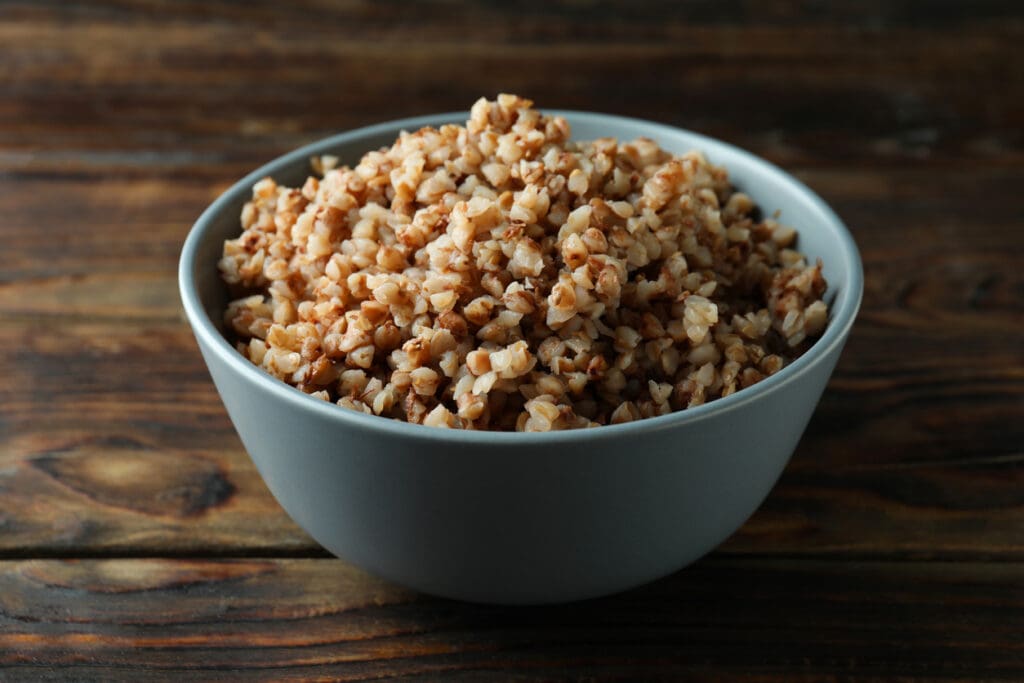
Buckwheat may not be as well-known as quinoa or oats, but this ancient grain is a nutritional powerhouse with incredible health benefits. Despite its name, buckwheat is not actually a type of wheat—it is a broadleaf plant unlike wheat which is a grass. Buckwheat is not related to wheat at all; it’s a naturally gluten-free seed packed with essential nutrients. Rich in fiber, antioxidants, and plant-based protein, buckwheat is a staple of heart-healthy foods, a great addition to an anti-inflammatory diet, and a valuable tool for blood sugar control.
Whether you’re looking to improve digestion, support heart health, or embrace a plant-based diet, adding buckwheat to your diet is a simple yet powerful way to boost your well-being. This versatile superfood can be enjoyed in a variety of ways, from warm breakfast porridge to hearty salads and gluten-free baked goods. With its nutty flavor and impressive nutrient profile, buckwheat is an easy and delicious addition to a healthy diet. Embracing healthy eating by incorporating buckwheat can significantly contribute to overall well-being and the prevention of chronic diseases.
Supports Heart Health and Reduces Heart Disease Risk

One of the biggest health benefits of buckwheat is its ability to promote cardiovascular wellness and help prevent cardiovascular disease. Buckwheat is packed with heart-friendly nutrients, including fiber, magnesium, and rutin—an antioxidant that helps strengthen blood vessels and improve circulation. These nutrients work together to lower blood pressure, reduce LDL (bad) cholesterol, and support overall heart function.
Soluble fiber in buckwheat plays a critical role in heart health by helping to reduce cholesterol absorption in the bloodstream. A high-fiber diet has been shown to lower the risk of heart disease by promoting balanced cholesterol levels and reducing inflammation in the arteries. Additionally, the magnesium content in buckwheat helps relax blood vessels, improving circulation and reducing the strain on the heart. For those looking to prioritize heart-healthy foods, incorporating buckwheat into meals is an easy and natural way to support long-term cardiovascular health. Practical tips for heart healthy eating include using buckwheat in salads, soups, and as a rice substitute to limit sodium, saturated fat, added sugars, and alcohol.
Helps Reduce Inflammation
Chronic inflammation is linked to many health issues, including arthritis, heart disease, and autoimmune disorders. Buckwheat is an excellent addition to an anti-inflammatory diet because it contains powerful plant compounds such as flavonoids and polyphenols, which help combat oxidative stress and inflammation in the body. Unlike processed meats, which can contribute to inflammation and chronic diseases, buckwheat’s natural antioxidants work by neutralizing free radicals, which can cause cell damage and contribute to chronic disease.
Rutin, one of the key antioxidants found in buckwheat, has been shown to have anti-inflammatory and immune-boosting properties. Unlike refined grains, which can contribute to inflammation due to their high glycemic index, lack of fiber, and high levels of saturated fat, buckwheat helps stabilize blood sugar and reduce inflammatory responses in the body. Choosing anti-inflammatory diet staples like buckwheat can be particularly beneficial for those with conditions such as arthritis, digestive disorders, or metabolic syndrome, as it helps support overall immune function while reducing inflammation.
A Natural Choice for Blood Sugar Control
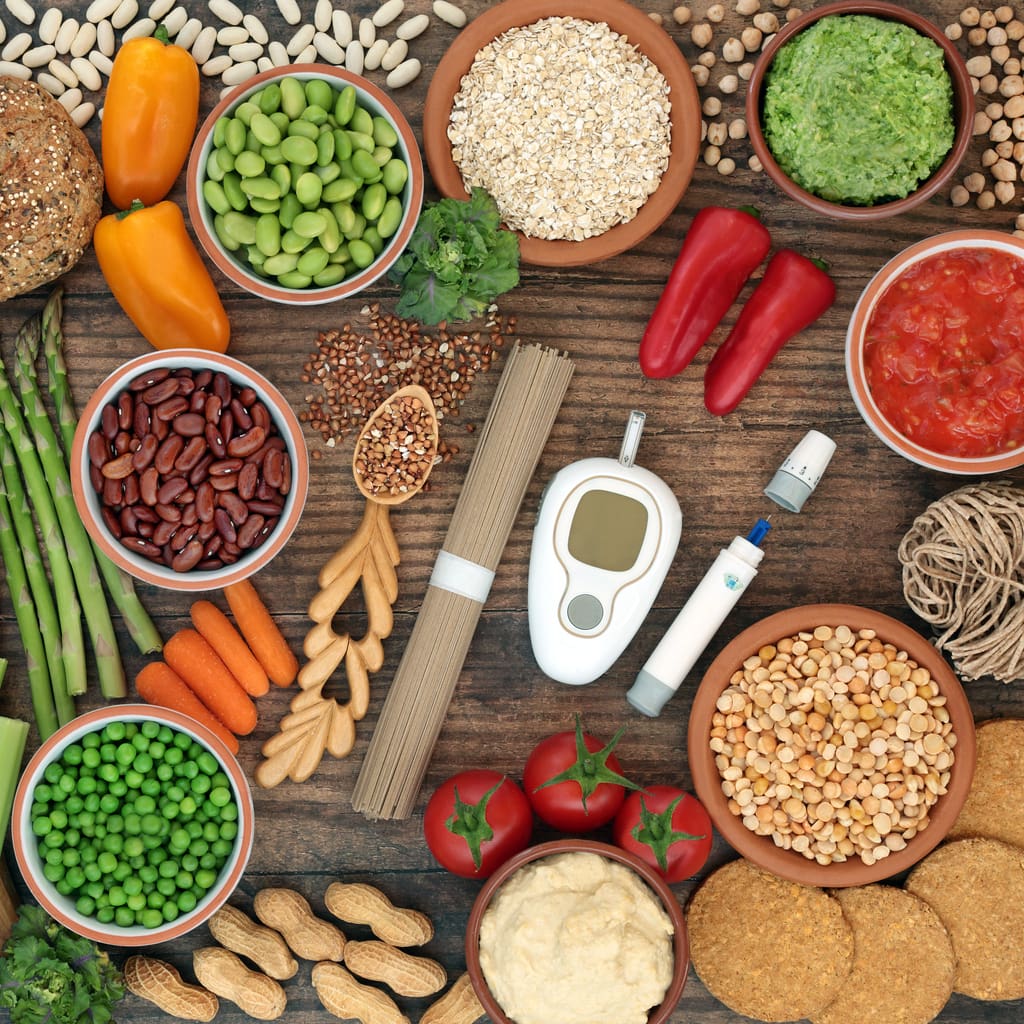
For those managing diabetes or looking to maintain steady energy levels, buckwheat, a whole grain, is a top-tier choice for blood sugar control. Unlike refined carbohydrates that cause blood sugar spikes and crashes, buckwheat has a low glycemic index and is rich in fiber, which slows digestion and helps stabilize blood sugar levels.
In addition to its high fiber content, buckwheat contains a unique compound called D-chiro-inositol, which has been shown to improve insulin sensitivity. This means that the body can use insulin more efficiently to regulate blood sugar, reducing the risk of spikes and crashes. Foods that promote blood sugar control like buckwheat can help prevent type 2 diabetes and support overall metabolic health. Cooked buckwheat groats are a nutritious option for blood sugar management, providing a versatile and healthful addition to meals. Swapping out refined grains for nutrient-dense buckwheat is an easy way to improve glucose regulation while maintaining steady energy throughout the day.
A Powerhouse of Plant-Based Nutrition and Whole Grains
As more people embrace plant-based diets, buckwheat is gaining popularity as a versatile, high-protein grain alternative. Unlike many plant-based proteins, buckwheat contains all nine essential amino acids, making it a complete protein—an important factor for those following vegetarian or vegan diets. This makes it a particularly valuable food for muscle maintenance, immune support, and overall vitality.
Beyond its protein content, buckwheat is loaded with essential vitamins and minerals, including B vitamins, iron, zinc, and manganese. These nutrients are vital for energy production, red blood cell formation, and immune function. Additionally, buckwheat is naturally gluten-free, making it an excellent option for individuals with celiac disease or gluten sensitivities. Incorporating plant-based foods like buckwheat into your diet can lead to significant savings on groceries, facilitate weight loss due to lower calorie density, and reduce the risk of cardiovascular disease. With its impressive nutrient density, buckwheat is a perfect addition to a balanced plant-based nutrition plan, offering both variety and essential nourishment.
Improves Digestive Health
A well-functioning digestive system is the foundation of overall health, and buckwheat, a whole grain, is an excellent food for gut health. The fiber in buckwheat promotes regular bowel movements, prevents constipation, and feeds beneficial gut bacteria, which are essential for a strong immune system and efficient digestion. By nourishing gut microbiota, buckwheat helps create an environment where healthy bacteria can thrive, leading to better nutrient absorption and improved digestive function.
Unlike processed grains that can cause bloating and digestive discomfort, buckwheat is naturally easy to digest and free from common allergens like gluten. Its prebiotic properties help support the growth of probiotics—the good bacteria in your gut—contributing to a balanced and resilient digestive system. Eating fiber-rich, gut-friendly foods like buckwheat can also help reduce the risk of digestive disorders, such as irritable bowel syndrome (IBS) and acid reflux, making it a fantastic choice for overall well-being.
Enhances Metabolic Health
Buckwheat is a fantastic ally for enhancing metabolic health, thanks to its ability to improve insulin sensitivity and glucose metabolism. The fiber and protein in buckwheat work together to regulate blood sugar levels, preventing the spikes and crashes that can lead to insulin resistance. Additionally, the flavonoids in buckwheat have been shown to support healthy blood sugar levels, making it a smart choice for those looking to maintain steady energy throughout the day.
Regular consumption of buckwheat can also help reduce the risk of developing type 2 diabetes and metabolic syndrome. Its high fiber content promotes satiety, helping you feel full longer and supporting a healthy weight. By incorporating buckwheat into your meals, you can take a proactive step towards better metabolic health and overall well-being.
Aids in Cancer Prevention
The powerful antioxidants and flavonoids found in buckwheat offer significant anti-cancer properties, particularly in reducing the risk of colon, breast, and prostate cancers. These compounds help protect cells from damage and oxidative stress, which are key contributors to the development of chronic diseases, including cancer.
Moreover, the fiber in buckwheat promotes regular bowel movements and prevents constipation, reducing the risk of colon cancer. By including buckwheat in your diet, you can harness its protective benefits and support your body’s natural defenses against cancer.
Boosts Immune System Function
Buckwheat is packed with immune-boosting compounds such as flavonoids, phenolic acids, and lignans. These compounds have potent anti-inflammatory and antioxidant effects, which help support immune system function and reduce the risk of illnesses.
Additionally, the high fiber content in buckwheat promotes the growth of beneficial gut bacteria, which are essential for a healthy immune system. A balanced gut microbiome plays a crucial role in overall immune health, making buckwheat a valuable addition to your diet for bolstering your body’s defenses.
Benefits for Skin and Hair
The antioxidants and flavonoids in buckwheat are not only good for your internal health but also for your skin and hair. These compounds help protect the skin against damage caused by free radicals and oxidative stress, reducing the appearance of fine lines and wrinkles and promoting a healthy, glowing complexion.
Buckwheat’s high protein content supports healthy hair growth and can help reduce the risk of hair loss. Additionally, the fiber in buckwheat aids in regular bowel movements and prevents constipation, which can reduce the risk of acne and other skin problems. By incorporating buckwheat into your diet, you can enjoy the benefits of healthier skin and hair.
Supports Weight Management
Buckwheat is a nutrient-dense food that is high in fiber and protein, making it an excellent addition to a weight management diet. The fiber in buckwheat helps promote satiety, reducing hunger and helping you feel full longer. This can be particularly beneficial for those looking to maintain a healthy weight.
The protein in buckwheat supports muscle maintenance and repair, which is essential for a healthy metabolism. Additionally, buckwheat’s high antioxidant content helps reduce inflammation and oxidative stress, factors that can contribute to weight gain and obesity. Regular consumption of buckwheat products can help support a healthy weight and reduce the risk of chronic diseases, including heart disease and type 2 diabetes.
How to Add Buckwheat to Your Diet
One of the best things about buckwheat is its versatility. Whether you’re a seasoned health enthusiast or just beginning to explore heart-healthy foods, there are plenty of ways to incorporate buckwheat into your meals. When cooking with buckwheat, it’s advisable to avoid using coconut and palm oils due to their high saturated fat content. Instead, opt for healthier unsaturated fats and always check Nutrition Facts labels for lower saturated fat options.
Buckwheat groats can be cooked like rice or quinoa and used as a base for salads, grain bowls, or stir-fries. They can also be toasted to enhance their nutty flavor and added to yogurt, smoothies, or granola for a crunchy, nutrient-dense topping. Buckwheat flour is a fantastic gluten-free alternative to traditional flour, making it perfect for pancakes, muffins, and homemade bread. Additionally, soba noodles—made from buckwheat—offer a delicious and healthy alternative to traditional pasta while providing all the nutritional benefits of this ancient grain. Using buckwheat as a protein source can also help reduce the intake of fatty meats, which are high in saturated fats.
Buckwheat: A Simple Superfood for a Healthier You
From promoting heart health and blood sugar control to supporting an anti-inflammatory diet and plant-based nutrition, buckwheat is a powerhouse ingredient that can enhance your well-being in countless ways. Its impressive nutrient profile, rich fiber content, and versatility make it an easy and delicious addition to a healthy diet. By making buckwheat a regular part of your meals, you can take a simple yet effective step toward long-term health and vitality. Additionally, incorporating plant foods like buckwheat into your diet contributes to a more sustainable lifestyle by reducing resource waste and lowering greenhouse gas emissions.
At Doudlah Farms, we are committed to growing high-quality, organic foods that nourish the body and support sustainable agriculture. Our farm-fresh buckwheat is cultivated with care, ensuring you receive the best in taste and nutrition.
Ready to experience the health benefits of buckwheat? Explore our organic buckwheat products and take a step toward a healthier lifestyle today!
Our organic buckwheat
We grow buckwheat on the farm and mill it into flour, so it reaches you as a single, traceable ingredient.
- Organic Buckwheat Flour: naturally gluten free, grown and milled on our farm.