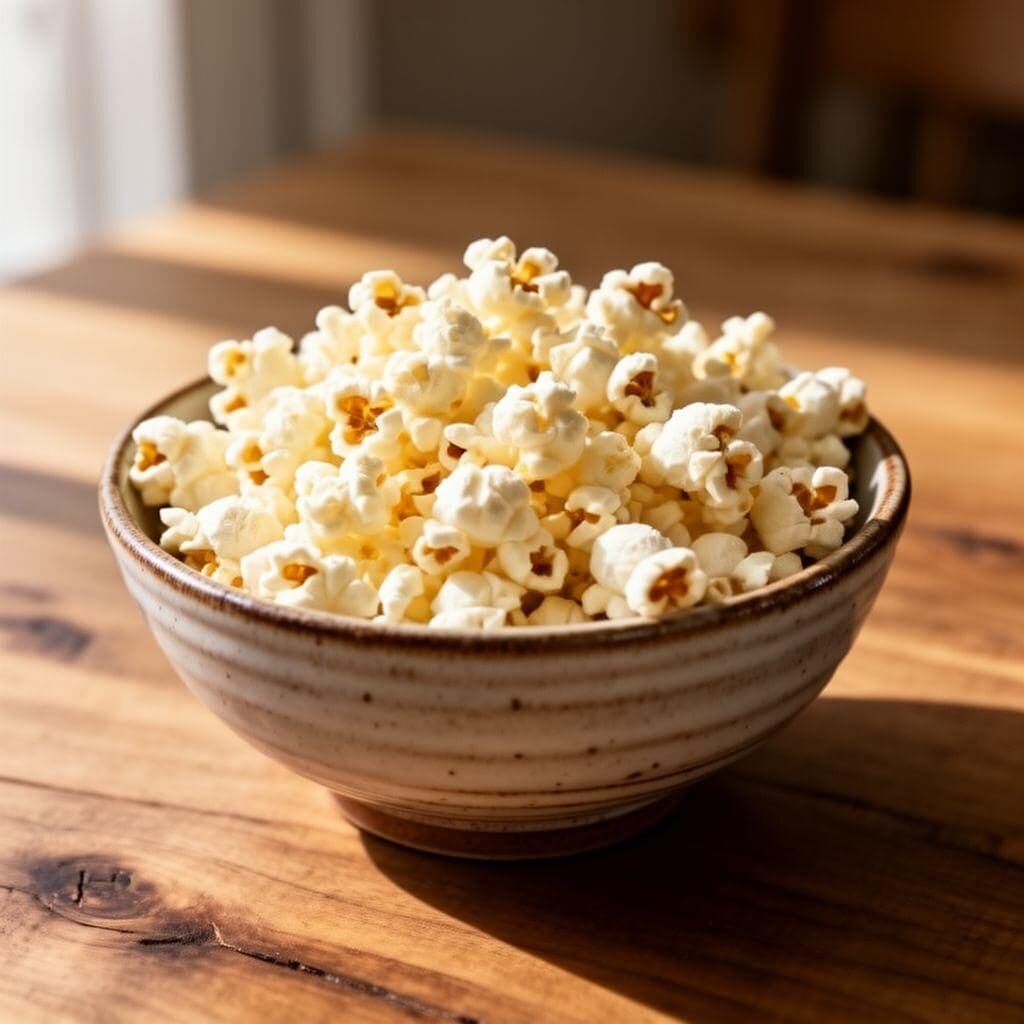
If you love popcorn, you’ve probably wondered whether air-popped or oil-popped is the smarter way to snack. The answer depends on what matters most to you-calories, flavor, or convenience. This guide breaks down everything from nutrition and taste to equipment and practical tips so you can make popcorn the way that fits your life.
Key Takeaways
- Air-popped popcorn is the lowest-calorie, lowest-fat option-about 30 calories per cup with almost no added fat-making it ideal for everyday healthy popcorn snacking.
- Oil-popped popcorn wins on flavor and texture, delivering richer taste and better seasoning adhesion, which is why it reminds people of movie theater popcorn.
- The cooking method is the single variable that separates the two: an air popper circulates hot air around popcorn kernels, while stovetop or kettle popping submerges them in hot oil.
- Plain popcorn is a naturally gluten-free, whole grain snack. Whether it stays “healthy” depends almost entirely on the cooking oil and toppings you choose.
- Health-conscious families, older adults, and caregivers often prefer air-popped popcorn for daily use, while movie night crowds and flavor-first fans lean toward oil-popped. This article covers nutrition, taste, equipment (air poppers, stovetop, air fryer), a practical verdict, and a Q&A.
Air-Popped vs. Oil-Popped Popcorn: The Core Difference
Every popcorn kernel contains a tiny pocket of moisture. When heat builds, that moisture turns to steam, pressure spikes, and the kernel explodes into fluffy popcorn. The only real question is how you deliver that heat-and the answer changes everything about calories, texture, and cleanup.
- In air-popped popcorn, a fan forces hot air around the kernels until they pop. No cooking oil ever touches the corn.
- In oil-popped popcorn, kernels sit in a thin layer of hot cooking oil on the stovetop or inside a machine. The oil conducts heat quickly and adds fat to the finished snack.
- Every other trade-off-health profile, taste, aroma, equipment choice-flows directly from this single cooking method difference.
How Air Poppers and Oil Poppers Actually Work
Both methods heat the kernel’s internal moisture until pressure ruptures the hull and the starch inside puffs outward. The difference is the medium that delivers that heat.
Air poppers:
- A built-in fan blows hot air at high speed around the popcorn kernels.
- Kernels tumble freely until they pop, then the popped corn is light enough to be pushed out of a chute into a waiting bowl.
- No oil is required at any stage, which is why air popcorn stays so low in fat.
- Cleanup is minimal-no greasy residue to scrub.
Oil popping:
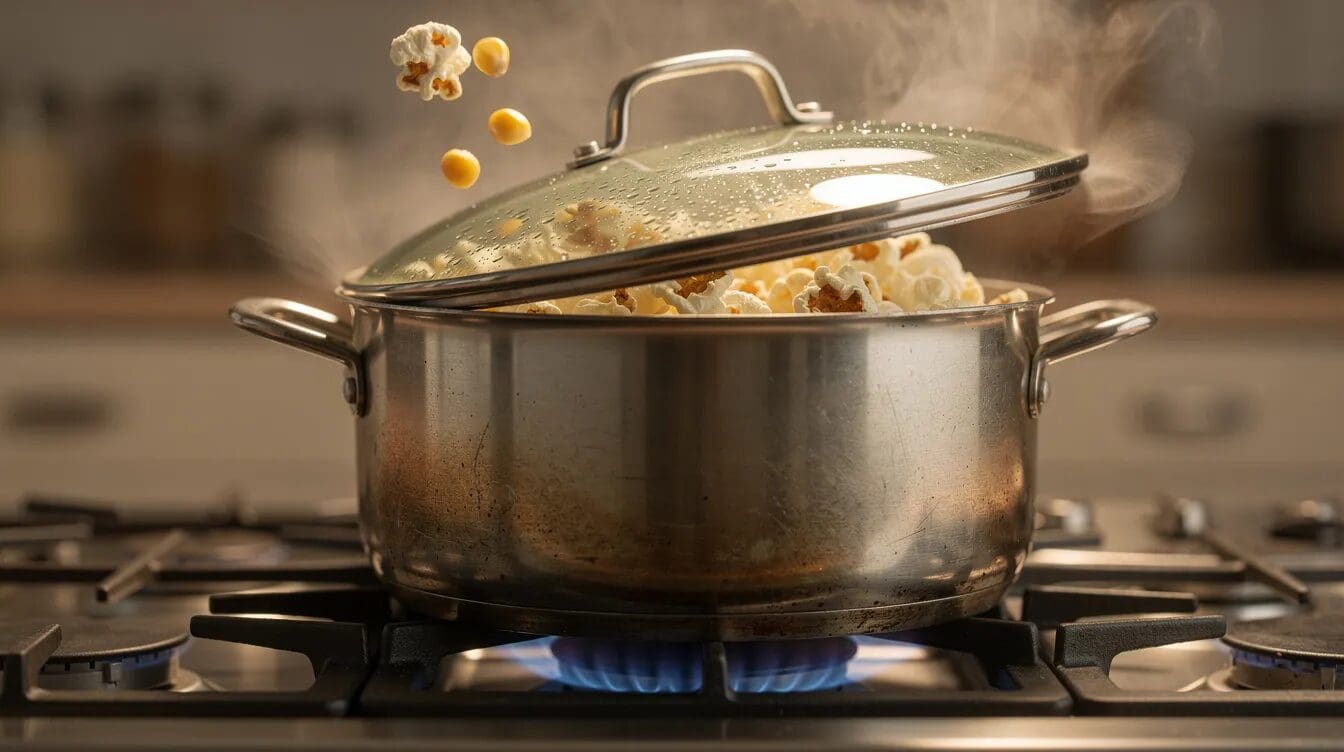
- You heat a thin layer of oil in a heavy-bottomed pot, a Dutch oven, or a dedicated popcorn popper over medium-high heat.
- As the oil reaches roughly 375–400 °F, the kernels begin popping. Gentle shaking or stirring keeps them moving so nothing scorches.
- Stovetop popcorn requires oil for both flavor and texture-it’s what gives the surface that satisfying crunch.
- Oil poppers and stovetop setups favor ultimate control over seasoning, while air poppers favor simplicity.
Taste and Texture: Which Popcorn Is More Satisfying?
For the millions of people who love popcorn, flavor and crunch matter just as much as nutrition. Here’s how the two methods compare on pure eating pleasure.
Oil-popped popcorn:
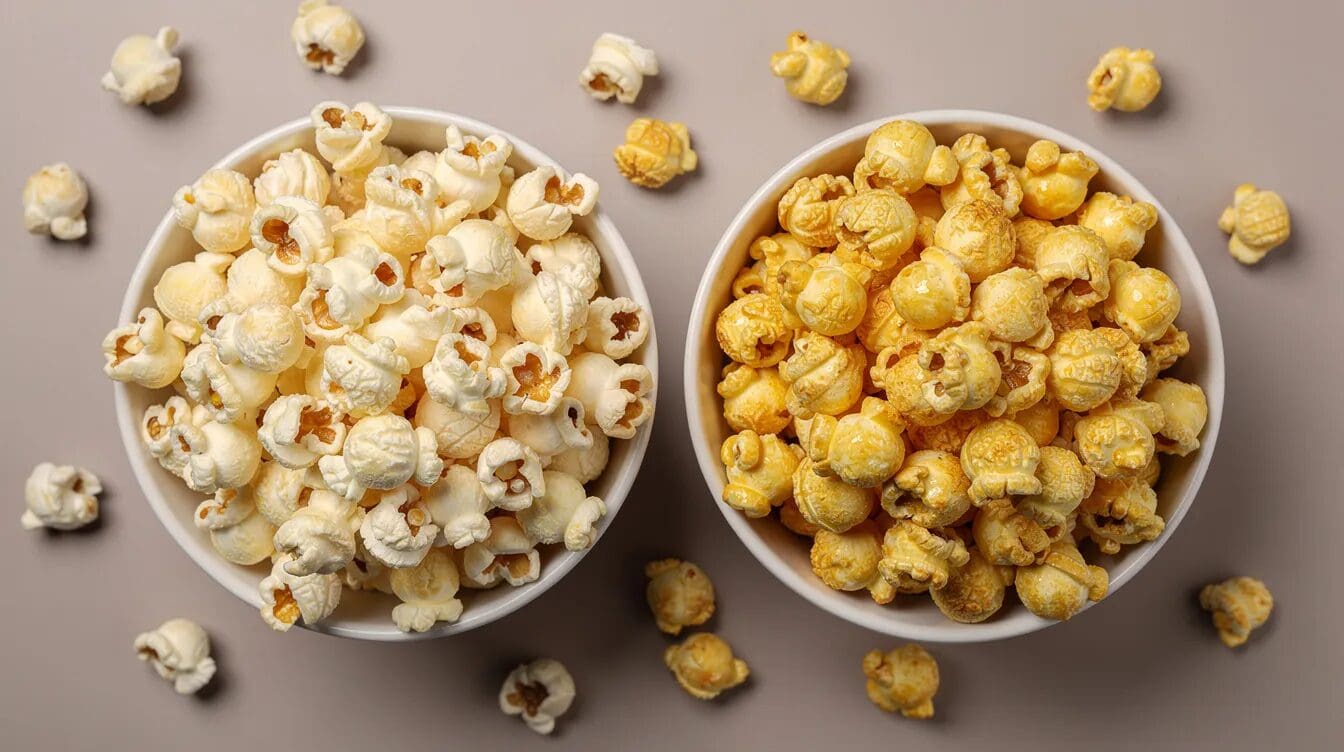
- Oil-popped popcorn has a rich and savory flavor from the cooking oil, with subtle browning (Maillard reactions) that deepens taste.
- Oil-popped popcorn provides a crispy and crunchy texture-a firmer exterior surrounding a tender interior.
- Seasoning clings better because oil carries fat-soluble flavors and creates a slightly tacky surface. Using oil can help seasonings adhere better to popcorn kernels of all shapes.
- Stovetop popcorn has a rich flavor and satisfying texture, and it retains its crunchiness longer than microwave popcorn.
Air-popped popcorn:
- Air-popped popcorn has a mild and clean corn flavor-naturally a tiny bit sweet, letting the kernel’s character come through.
- Air-popped popcorn is described as dry and can lack richness when eaten completely plain.
- Air-popped popcorn can be difficult to season due to its dry texture; powdered spices tend to slide right off.
Best of both worlds: Air-pop your corn first, then drizzle just a touch of olive oil or melted butter over the warm popped kernels, toss thoroughly, and season with fine salt, herbs, or black pepper. You get improved seasoning adhesion with a fraction of the fat of fully oil-popped batches.
Nutrition Showdown: Calories, Fat, and Fiber
Plain popcorn is a whole grain, and the big nutrition gap between air-popped and oil-popped comes down almost entirely to added fat.
- One cup of plain air-popped popcorn contains about 30 calories with less than half a gram of fat. A 3-cup serving runs roughly 93 calories and just 1 gram of fat. Air-popped popcorn is very low in calories and fat.
- Oil-popped popcorn contains about 55 to 70 calories per cup depending on oil type. A 3-cup serving made with a tablespoon of oil can reach 150 or more calories and around 8 grams of fat. Oil increases overall calories and can make popcorn more satisfying.
- Oil-popped popcorn has more calories due to the added oil, but the calorie count gap shrinks if you use just oil sparingly.
What stays the same regardless of method:
- Fiber content holds steady at roughly 3–4 grams per 3-cup serving. Both air-popped and oil-popped popcorn offer good fiber content.
- Popcorn is a whole grain and retains beneficial plant compounds regardless of oil method. Air-popped and oil-popped popcorn are both whole-grain snacks rich in fiber.
- Both versions are naturally gluten-free when you skip wheat-based toppings.
How toppings change the picture: Adding butter, caramel, or kettle corn sugar can double or triple the calorie count and pile on saturated fat. Lighter toppings-olive oil, herbs, nutritional yeast, or grated Parmesan-keep things reasonable and avoid empty calories.
Is Air-Popped Popcorn the Healthiest Popcorn?
In a word, yes. Air-popped popcorn is the healthiest option for snacking because it uses no oil by default, which means it has the fewest calories, requiring no oil at all.
- Zero added fat keeps the calorie count as low as physically possible for popped corn.
- Sodium stays low if you season with modest amounts of fine salt, herbs, or spices.
- Air-popped popcorn allows customization for toppings and flavors without added fat-you control exactly what goes on top.
- Air-popped popcorn can be better for weight loss due to lower calories, making it a genuine guilt-free treat for daily snacking.
Health tips:
- Choosing organic, non-GMO kernels enhances popcorn’s health benefits. High-quality organic popcorn farms focus on kernel freshness, which also improves popability.
- Avoid drowning air-popped popcorn in butter sauces-that erases the calorie advantage.
- Pair a bowl of air-popped popcorn with a protein snack like nuts or cheese for better satiety.
- For older adults and caregivers, air-popped popcorn can be a heart-friendlier, easy-to-share snack in households managing blood pressure or cholesterol.
When Oil-Popped Popcorn Makes Sense
Oil popping isn’t “bad”-it’s simply more indulgent, and it can still be a smart pop choice when done thoughtfully. Both popping methods can be part of a healthy diet depending on toppings used.
- Movie night or entertaining guests? Oil-popped popcorn delivers that classic cinema flavor and extra crunch.
- Need seasonings to cling? Oil creates the tacky surface that holds spice blends, cheese powders, and herbs in place.
- Stovetop popcorn can be healthy with moderate oil use-measure your oil instead of pouring freely.
- Oil-popped popcorn can provide healthy unsaturated fats when prepared with the right oil, such as avocado oil or a good olive oil.
Portion awareness:
- Measure your own kernels before popping so you know exactly how much popped corn you’ll end up with.
- Serve in small individual bowls rather than one communal bucket-it’s easier to enjoy the delicious treat without mindless overeating.
Equipment Options: Air Popper, Stovetop, Microwave, or Air Fryer?
Choosing the right tool for popcorn making depends on your kitchen, your schedule, and how much control you want over flavor.
Electric air poppers:
- Compact countertop machines designed specifically for air-popped popcorn. Pour in fresh kernels, press start, and popped kernels fly out into a bowl.
- Air-popped popcorn yielded 15 cups from just 1/2 cup of kernels in side-by-side tests-impressive volume for a no-oil method.
- A dedicated popcorn maker like this is the simplest way to pop popcorn with zero fat.
Stovetop oil popping:
- Use a heavy-bottomed pot or Dutch oven with a vented lid, or a specialty tool like the Whirley Pop. The Whirley Pop produced the fluffiest popcorn with fewer unpopped kernels in multiple comparisons-it also produces the fluffiest and crunchiest popcorn overall.
- Stovetop popcorn can pop 1/3 cup kernels to about 8.5 cups. Start at medium heat, add your cooking oil, drop in a few test kernels, and once those pop, add the rest. When popping slows to a couple of seconds between pops, pull the pot off the heat.
- The stovetop method gives you the most control over oil amount, heat, and seasoning timing. Keep the lid slightly ajar to let steam escape-this prevents soggy results.
Microwave options:
- The microwave method works with silicone or glass popcorn poppers and can be used with or without oil. You can also microwave plain kernels in a brown paper bag.
- Microwave popcorn can burn easily if overcooked by seconds, and microwave popcorn can have a slightly burned flavor if overcooked, so stay nearby and listen for the gaps between pops.
- Most flavored microwave popcorn bags contain artificial flavorings, excess salt, and chemical bag linings. Plain kernels in a reusable microwave popper are a cleaner alternative.
Air fryer popcorn:
- Some people make popcorn in an air fryer by lining the basket and adding a small amount of oil. Batch sizes are small.
- Results vary by model-there’s a real risk of loose kernels flying into the heating element or vents.
- Monitor closely, start with tiny test batches, and never leave popping kernels unattended in an air fryer.
One more note: Instant Pot popcorn left about 3.5 tablespoons unpopped from 1/2 cup kernels in testing-not the most efficient popcorn method if yield matters to you.
Cleanup, Smell, and Everyday Convenience
For people who eat popcorn several times a week, ease of cleanup and kitchen smell really affect which method sticks.
Air-popped reality:
- Almost no greasy residue-just a quick wipe of the air popper housing.
- Very light aroma that doesn’t linger in the house.
- Popcorn pops dry, so counters stay clean.
- Ideal if someone in your household is sensitive to strong food odors.
Oil popped reality:
- Oily film on pots, lids, and sometimes counters; you’ll need dish soap and hot water.
- Richer, longer-lasting popcorn smell-some people love it, others find it overpowering.
- Bacon grease or coconut oil leave an especially lingering scent compared to neutral oils like canola oil or safflower oil.
- If you use a Whirley Pop or similar crank popcorn popper, the enclosed design reduces splatter but still requires thorough washing.
Practical tips: Turn on a range hood fan when oil popping, use a vented lid so steam can escape cleanly, or pop smaller batches if cooking for someone sensitive to strong food odors. Store leftover popped corn in an airtight container to preserve crispness.
Popcorn for Health-Conscious Households and Seniors
Popcorn can be a gentle, familiar snack in health-conscious families, multigenerational homes, and senior living settings-but a few considerations matter.
- Watch for choking risk with very hard unpopped kernels, especially for older adults with dental issues or swallowing difficulties. Remove unpopped kernels before serving.
- Avoid excessive salt for anyone managing high blood pressure. Favor lighter oils if using oil-popped popcorn, and skip heavy butter coatings.
- Excess moisture in stored kernels leads to more unpopped husks-store kernels properly to keep them fresh.
Brain-healthy habits: Popcorn is a whole-grain alternative to cookies or chips during card games, movie afternoons, or music nights. Fiber and complex carbohydrates support steady energy without a sugar crash.
At Olde World, we encourage simple, familiar snacks like lightly seasoned air-popped popcorn when families want an easy, shareable treat that feels both nostalgic and mindful. A bowl of warm, freshly seasoned popcorn can turn an ordinary afternoon into a small celebration.
Making Popcorn Healthier: Smart Oils, Seasonings, and Portions
Here’s a quick checklist to turn either air-popped or oil-popped popcorn into a smarter snack.
Heart-healthier oils when you do use fat:
- Extra virgin olive oil is recommended for stovetop popcorn-it brings fruity depth without excessive saturated fat.
- Canola oil is a good alternative for popping popcorn: neutral flavor, high smoke point, and mostly unsaturated fats.
- Avoid corn, sunflower, and soybean oils for popcorn-they can impart off-flavors and tend to be heavily processed.
- Using ghee prevents soggy popcorn while adding buttery flavor, because the milk solids have been removed. Ghee has a higher smoke point than regular butter, which means less risk of scorching.
- Coconut oil is traditional but higher in saturated fat-use it sparingly if heart health is a priority.
Lighter toppings:
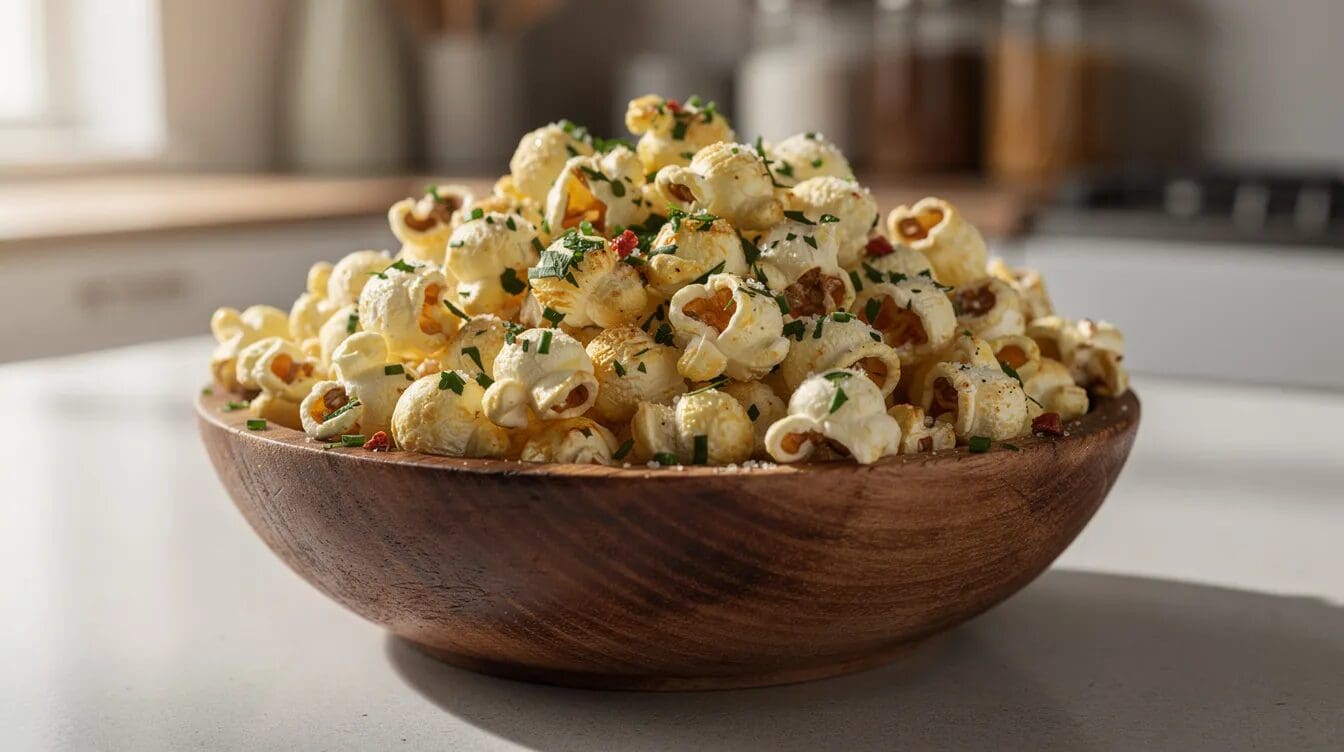
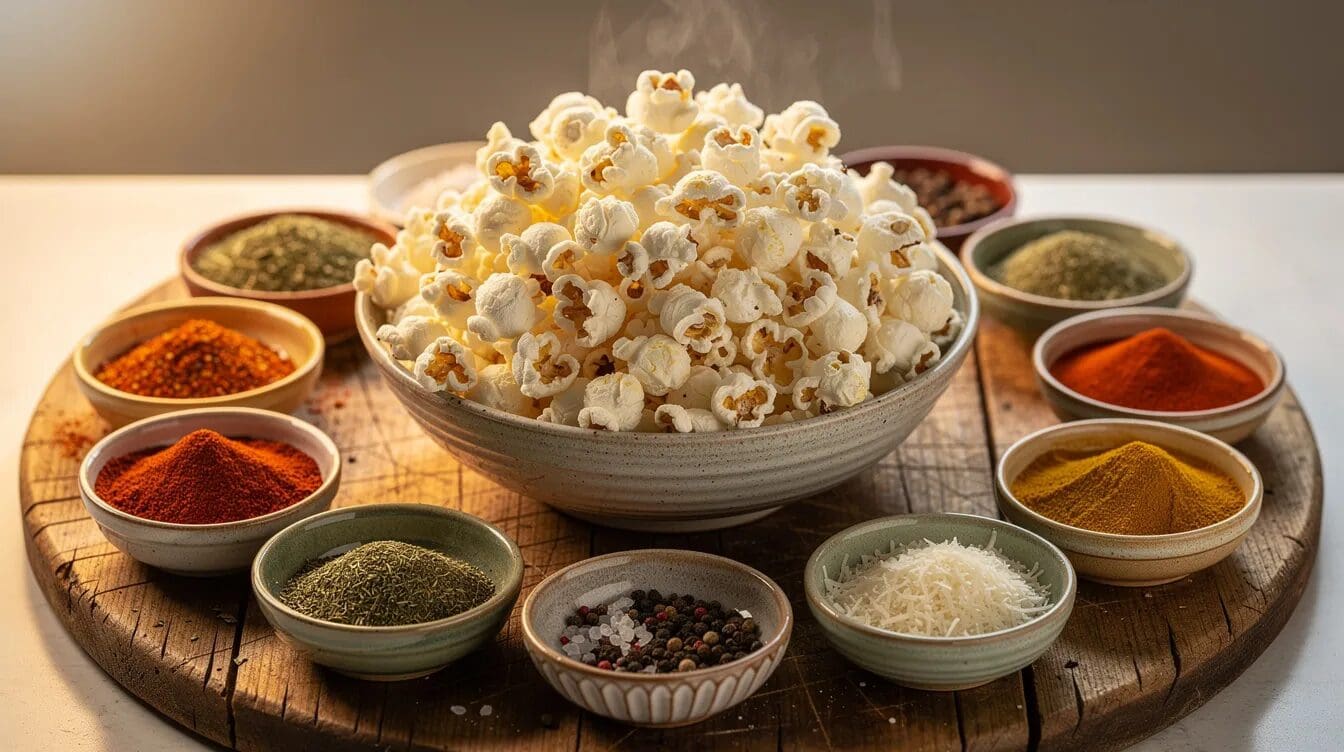
- Herbs and spices: smoked paprika, cinnamon for sweet popcorn, garlic powder, or just a touch of cayenne.
- Nutritional yeast delivers a cheesy, savory butter flavor without dairy.
- Grated hard cheese (Parmesan, Pecorino) melts slightly on warm popcorn for real flavor.
- A squeeze of hot sauce or a sprinkle of black pepper adds zero calories.
- Skip the heavy butter-adding habit- if you want buttery flavor, a thin drizzle of melted butter or ghee goes further than you’d expect.
Portions and frequency:
- Three to four cups of lightly seasoned popcorn fits easily into most eating patterns.
- Caramel corn and heavy kettle corn should be occasional desserts, not daily snacks.
- Popcorn cooked simply- whether air-popped or oil-popped- can be a satisfying, high-fiber alternative to chips or crackers.
Air-Popped vs. Oil-Popped for Special Diets (Gluten Free, Vegan, and More)
Plain popcorn kernels are naturally gluten-free and plant-based, making both air-popped and oil-popped methods flexible for many diets.
Gluten-free considerations:
- The corn itself is gluten-free, but cross-contamination can happen in shared equipment or packaged flavor mixes. Read labels carefully.
- If you pop your own kernels at home, you control the entire process.
Vegan and dairy-free options:
- Air-popped popcorn with olive oil and herbs is fully plant-based.
- Oil-popped popcorn with avocado oil and nutritional yeast gives a cheesy taste without dairy. Skip butter and cheese powders.
- For anyone missing that buttery flavor, look for plant-based butter sprays rather than artificial flavorings.
Low-sodium and heart-healthy diets:
- Favor air-popped popcorn, keep salt light, and use potassium-rich seasonings like dried herbs and citrus zest.
- Choose oils with unsaturated fats (olive, canola, avocado) when you do add fat, and keep portions to a tablespoon or less per batch.
Practical Scenarios: Which Method Should You Choose?
This section gives quick recommendations for real-life situations so you can decide between air-popped and oil-popped popcorn without overthinking it.
Everyday snack at home:
- Go with air-popped popcorn and minimal oil. It’s the fastest, lowest-calorie way to make popcorn on a regular basis.
- If popcorn tastes too plain, mist with a tiny bit of olive oil and season while warm.
Movie night or parties:
- Lean toward the stovetop method or a Whirley Pop for deeper flavor. Use a tablespoon of a healthier oil, and feel free to add just a touch of melted butter after popping.
- Movie theater popcorn is typically drenched in oil and buttery topping-you can get close to that experience at home with far less fat by using a medium heat approach and drizzling conservatively.
Snacks for kids or older adults:
- Air-popped popcorn with just enough oil or butter spray to help seasonings stick is a solid choice.
- Always remove unpopped kernels before serving to children or anyone with chewing or swallowing issues. Supervise closely.
- Homemade popcorn is always preferable to heavily processed bags for these groups.
There’s no one “right” way-rotate methods based on the occasion, your health goals, and what sounds satisfying that evening. A smart pop strategy uses both approaches in the right moments.
Honest Verdict: Air-Popped vs. Oil-Popped Popcorn
There is no universal winner in the air-popped vs. oil-popped popcorn debate. The best popcorn method depends on whether you prioritize health metrics, taste, or convenience on any given day.
Why air-popped popcorn is best for health:
- No oil needed means the fewest possible calories and virtually zero added fat.
- Cleanup takes seconds, making it easy to begin popping a fresh batch anytime.
- It’s the simplest path to perfectly popped popcorn that qualifies as a genuine guilt-free treat.
Why oil-popped popcorn is best for flavor:
- Richer mouthfeel, better seasoning cling, and that satisfying crunch closest to movie night theater popcorn.
- Oil carries flavor compounds that make every bite of fluffy popcorn taste more complex and complete.
- The stovetop method-especially with a crank-style popper-helps all the kernels pop more evenly and with fewer unpopped kernels.
A balanced approach:
- Use air-popped for most everyday snacking and save oil-popped for special nights.
- Thoughtful toppings matter more than the machine alone- even air-popped popcorn becomes a delicious treat with the right seasonings.
- Whichever way you pop popcorn, you’re eating a whole grain snack with legitimate fiber and minimal processing. That’s already a better choice than most packaged snacks lining store shelves.
FAQ: Air-Popped vs. Oil-Popped Popcorn
This Q&A covers common practical questions not fully answered above, to help you fine-tune how you make and eat popcorn at home.
Is air-popped popcorn always better than microwave popcorn?
Air-popped popcorn is usually healthier than most flavored microwave popcorn bags because it avoids artificial butter flavors, excess salt, and chemical bag linings. However, plain kernels microwaved in a glass or silicone popper can be a good middle-ground option. With a microwave popcorn bowl and a teaspoon or less of oil, you can get texture and convenience closer to air-popped without the additives of pre-flavored bags. Just keep in mind that microwave popcorn can burn easily if overcooked by even a few seconds, so listen carefully and stop the cycle when popping slows.
Can you make “movie theater” style popcorn with an air popper?
You cannot get identical movie theater flavor from a dry air popper alone because theater popcorn relies on oil plus buttery-style flavorings during the cooking process. However, you can get close: drizzle melted butter or flavored oil over air-popped popcorn, toss while warm so it coats evenly, and season with fine salt or theater-style seasoning. You’ll reduce total fat significantly compared with traditional movie theater popcorn while still capturing that buttery flavor. Some people also use ghee for a cleaner butter flavor without the sogginess, since the milk solids have already been removed.
Is popcorn safe and appropriate for older adults?
Many seniors can safely enjoy popcorn, especially lightly seasoned air-popped popcorn. However, those with dental issues, swallowing difficulties, or specific medical advice from a clinician may need to avoid it. Always remove unpopped kernels before serving, avoid very hard or heavily coated popcorn, and check with a health professional or caregiver if there are concerns about choking or digestive discomfort. Softer, well-popped corn with a light oil mist tends to be easier to eat than completely dry, hull-heavy batches.
What’s the healthiest way to eat popcorn if I love oil-popped?
Use one tablespoon or less of a heart-healthy oil like extra virgin olive oil, avocado oil, or canola oil for several cups of kernels. Skip heavy butter, and flavor generously with herbs, spices, garlic powder, or nutritional yeast instead of salt-heavy or sugar-coated toppings. Serve popcorn in individual bowls so it’s easier to keep portions moderate, especially if popcorn is a nightly habit. Oil-popped popcorn can provide healthy unsaturated fats when prepared with the right oil, so don’t feel guilty about using just oil in controlled amounts.
Can I use an air fryer instead of a dedicated air popper?
Some people successfully make small batches of popcorn in an air fryer by lining the basket and using a small amount of high-smoke-point oil, but results vary by model, and there is a risk of kernels flying into the heating element. Always follow your air fryer manufacturer’s guidance, start with small test batches of fresh kernels, monitor closely, and never leave popping kernels unattended. A dedicated air popper or stovetop setup will consistently produce more reliable, perfectly popped popcorn with fewer headaches-but if you already own an air fryer and want to experiment, keep batches small and stay in the kitchen the entire time.