

Most people reach for popcorn without thinking twice about what it does for their body. But this classic snack is more than just a crunchy comfort food. Popcorn is a whole grain food high in fiber, and when you prepare it simply, it can quietly support your digestive health in ways that chips, white bread, and refined crackers never will. This article, written from Olde World’s perspective, breaks down popcorn fiber content for older adults and caregivers looking for realistic, everyday ways to close the fiber gap.
Key Takeaways
Popcorn is a whole grain with its bran, germ, and endosperm intact, which means it naturally delivers fiber and essential nutrients in every handful. When air-popped with minimal toppings, it becomes one of the simplest gut-friendly snacks you can keep in your kitchen.
- Popcorn contains 1.1 grams of fiber per cup. Air-popped popcorn has about 31 calories per cup, making it a reliable low-calorie snack with real nutritional value.
- A typical 3-cup snack bowl of air-popped popcorn contains about 3.5 to 4 grams of dietary fiber and approximately 90 to 100 calories.
- The insoluble fiber in popcorn supports digestion and bowel regularity, working alongside other high-fiber foods like black beans, chia seeds, and berries to keep your gut healthy.
- Air-popped popcorn with light toppings such as olive oil, herbs, or a sprinkle of dark chocolate is far better for gut health than movie theater popcorn or heavily buttered microwave bags loaded with saturated fat and artificial flavorings.
- Whether you are managing your own nutrition or helping a loved one eat well, popcorn is one of the easiest ways to nudge daily fiber intake upward without overhauling your entire diet.
What Makes Popcorn a High-Fiber Snack?
Popcorn is a true whole grain. When the kernel pops, the bran stays intact, and that outer layer is where most of the fiber lives. Unlike refined grains that have been stripped down, popcorn keeps its full structure, which is why it packs a surprisingly high fiber content for something so light and airy.
One cup of air-popped popcorn delivers roughly 1.1 grams of fiber and only about 31 calories. That means you get a healthy dose of fiber without burning through your calorie budget. Per 100 grams, popcorn contains 15 grams of fiber, which puts it well ahead of most snack foods on a weight-for-weight basis.
A common at-home serving of about 3 cups gives you around 3.5 grams of fiber-roughly 12 to 15 percent of the daily fiber intake for adults. Popcorn can help meet daily whole grain intake recommendations easily, and high-fiber foods like popcorn can help with weight management by promoting fullness. The fiber is mostly insoluble, which means it adds bulk and keeps things moving through your digestive system. That complements the soluble fiber you get from foods like black beans, oats (rich in beta-glucan), and chia seeds.

How Popcorn Fiber Supports Gut Health
Fiber is one of the most important tools we have for maintaining a healthy gut. It feeds gut bacteria, keeps bowel movements regular, and helps the digestive system work the way it should. High-fiber diets improve digestive health across the board, and dietary fiber reduces the risk of heart disease over time.
Insoluble fiber from popcorn aids in digestion and promotes bowel regularity. For older adults whose gastrointestinal motility naturally slows, this kind of bulk-forming fiber is particularly valuable. It keeps stool soft and moving, reducing the constipation that so many seniors deal with quietly.
While popcorn itself is not a probiotic, the fiber found in popcorn supports a healthy gut microbiome by maintaining the environment where beneficial bacteria thrive. Pairing popcorn with foods that actively feed gut bacteria-like Greek yogurt, cottage cheese, or chia seeds-creates a stronger effect than any single food alone.
Research backs this up. A large cohort study found that men who ate popcorn at least twice per week had a 28 percent lower risk of diverticulitis compared to those who rarely ate it. Current clinical guidelines confirm that the old advice to avoid popcorn, nuts, and seeds with diverticular disease is no longer supported by evidence.
For people with sensitive digestion, portion size matters. Start with a small amount and increase slowly to avoid gas or bloating.
Popcorn Fiber by the Numbers: Daily Needs and Practical Portions
The recommended daily fiber intake is 25 grams for women and about 38 grams for men under 50. After age 50, targets shift to roughly 21 to 22 grams for women and 30 grams for men. Most people fall short-typical intake among older U.S. adults hovers around 18 to 19 grams per day, making low fiber intake a genuine public health concern.
Here is how popcorn stacks up in practical terms:
- Three cups of popcorn provide 3.3 grams of fiber with approximately 90 to 100 calories. That is about 12 to 15 percent of the daily target for many adults.
- Six cups (a generous bowl shared between two) delivers roughly 6 to 7 grams of fiber-still under 200 calories.
- By comparison, a small apple provides about 4 grams of fiber, but popcorn gives you more volume and crunch for a similar fiber payoff.
To reach your daily goal, combine an afternoon bowl of air-popped popcorn with other fiber-rich foods: a black bean salad at lunch, a chia seed pudding at breakfast, or a cup of mixed veggies at dinner. Fiber intake is linked to lower obesity rates, so building these habits matters beyond just digestive comfort. Popcorn alone will not cover your needs, but it is a reliable, easy snack that adds up meaningfully over the week.
Air-Popped Popcorn vs. Microwave and Movie Theater Popcorn
All plain popcorn starts with similar fiber content. The kernel does not change. But what you add during preparation changes whether popcorn stays a healthy snack or becomes a calorie bomb.
Preparation methods that keep popcorn low-calorie include air-popping or light stovetop techniques. An air popper produces popcorn with no added oil-about 31 calories and roughly 1.1 grams of fiber per cup, with negligible sodium. This is ideal for anyone watching weight, blood pressure, or digestive health.
Typical microwave popcorn bags often contain coconut oil or palm oil (both high in saturated fat), excess salt, and artificial flavorings. While the baseline fiber stays the same, the added fats and sodium reduce the overall health benefit significantly.
Movie theater popcorn is popped in oil and drenched in butter flavoring. A large tub can exceed 1,000 calories and contain extreme sodium levels, offering only modest extra fiber compared with air-popped. Diets rich in whole grains like popcorn are linked to better heart health, but those benefits disappear when you bury the grain under layers of saturated fat and salt.
For older adults and families aiming to protect heart health and digestive health, air-popped popcorn at home is the clear winner.
Gut-Healthy Ways to Top Your Popcorn
Toppings decide whether your popcorn stays a perfect snack or slides into junk food territory. The good news: you can add real flavor without sabotaging your gut.
Savory ideas:
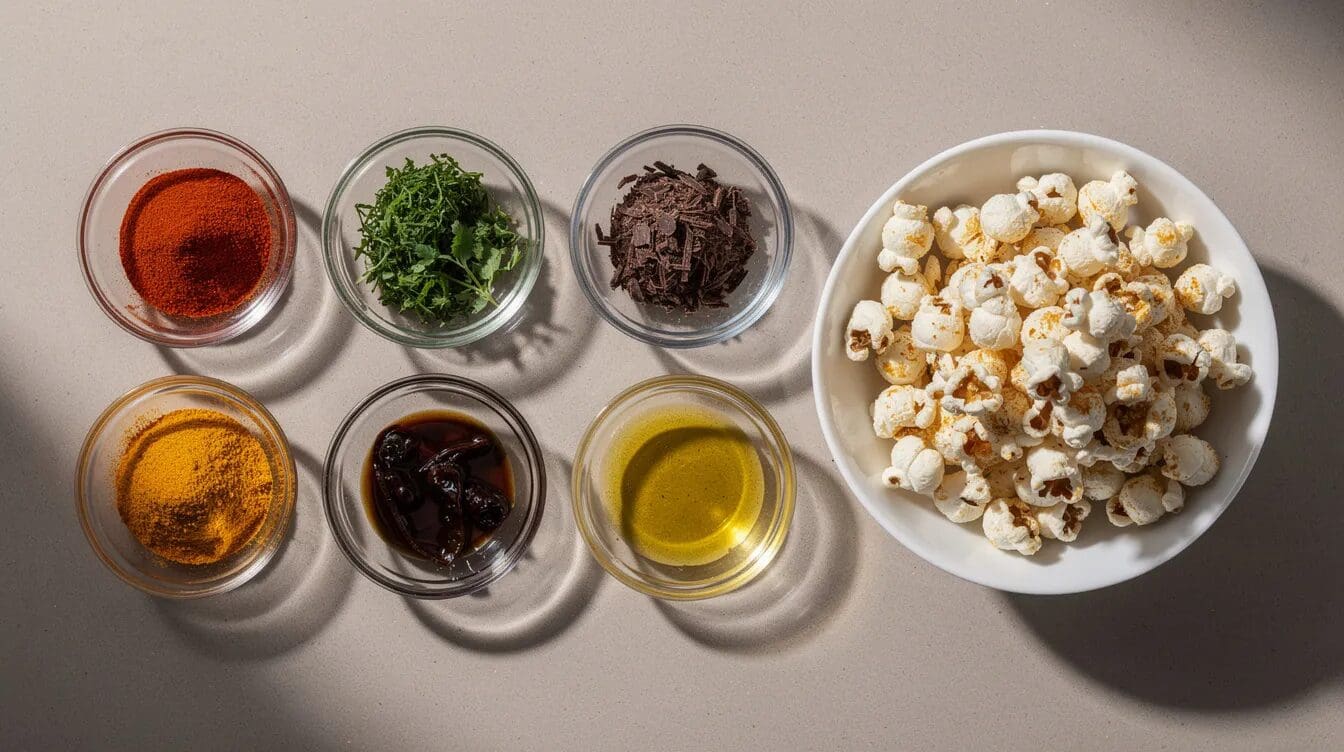
- A light drizzle of olive oil with garlic powder and smoked paprika
- Nutritional yeast for a cheesy flavor that also adds B vitamins
- A sprinkle of dried rosemary, thyme, or cumin
Slightly sweet options:
- Cinnamon with a dusting of cocoa powder
- Finely shaved dark chocolate melted over warm kernels
- Crushed freeze-dried berries for antioxidants without heavy sugar
Keep heavy butter, caramel coatings, and large amounts of cheese as occasional treats rather than daily habits, especially for older adults managing blood pressure or cholesterol.
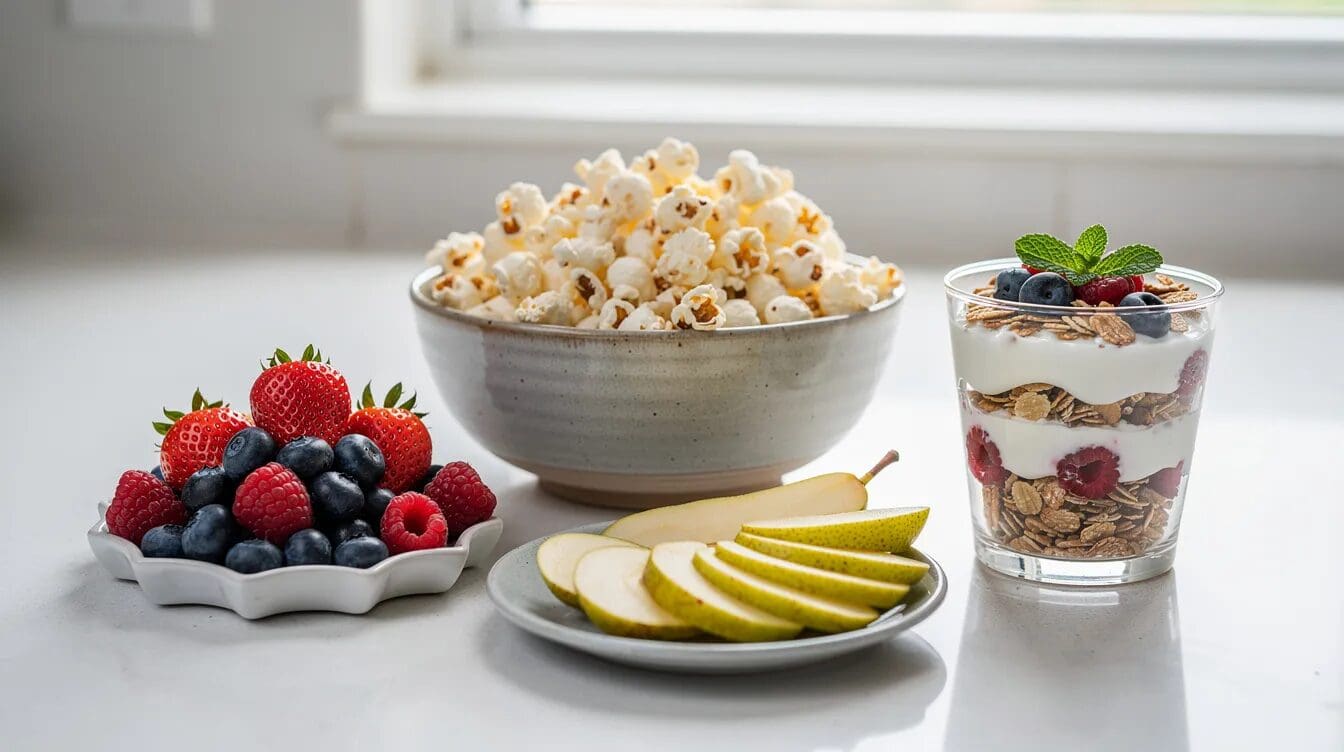
Pairing a small bowl of air-popped popcorn with a side of Greek yogurt, cottage cheese, or a handful of nuts rounds out the snack with protein and healthy fat, supporting steady blood sugar and a healthy gut. A few pumpkin seeds or roasted chickpeas on the side add plant-based protein and even more fiber to the mix.
Popcorn, Gut Bacteria, and Other High Fiber Foods
Your gut microbiome is a community of gut bacteria that helps break down food, supports immunity, and produces beneficial compounds. A healthy gut thrives on a mix of fiber types-not just one source.
Popcorn provides mostly insoluble fiber. To fully support your gut bacteria, pair it throughout the week with foods rich in soluble and fermentable fiber:
- Black beans contain 8.5 grams of fiber per half cup-a powerhouse for feeding beneficial microbes
- Chia seeds have 10 grams of fiber in just 2 tablespoons, easy to stir into puddings or smoothies
- Raspberries provide 8 grams of fiber in 1 cup, packed with plant compounds and vitamin C
- An avocado half adds both more fiber and heart-healthy fats
Snacks like Greek yogurt with fruit, cottage cheese with pears, or dark chocolate with seeds and nuts complement popcorn’s crunch while feeding gut bacteria from multiple angles. Think of popcorn as one reliable piece of a larger pattern of gut-healthy eating rather than the only fiber hero in your day. A good source of minerals and vitamins comes from variety, not repetition.
Popcorn, Aging, and Digestive Comfort (Olde World Perspective)
At Olde World, we know that many older adults struggle with constipation, reduced appetite, or difficulty preparing complex meals. Simple high-fiber snacks become especially valuable when cooking feels like too much effort or when eating large portions is unrealistic.
A small bowl of air-popped popcorn offers a familiar, nostalgic crunch that most seniors enjoy without resistance. It is a more filling snack than crackers or pretzels, yet gentle enough for most digestive systems when eaten in moderate portions. For those who resist bigger dietary overhauls, popcorn is a quiet on-ramp to better nutrition.
Caregivers can serve popcorn alongside other high-fiber snacks- prunes, mixed berries, or a Greek yogurt parfait-to build a more complete gut health routine without making meals feel clinical. These combinations deliver enough fiber to make a meaningful difference over time.
One important note: for those with chewing or swallowing difficulties, popcorn may not be appropriate. Unpopped kernels pose a real risk. Always consult a healthcare provider or registered dietitian before adding popcorn to an older adult’s routine if there are dental or swallowing concerns. Supporting whole-person wellness means matching the right foods to the right individual.
How to Add Popcorn to a High Fiber Day (Simple Snack Ideas)
Small, consistent changes work better than dramatic overhauls when you are trying to improve fiber intake. Here is how a high-fiber day might look:
- Breakfast: Greek yogurt and chia seed parfait with a handful of berries and a sprinkle of seeds
- Lunch: Black bean soup or a bean dip with whole grain avocado toast, which provides 8 grams of fiber per slice
- Afternoon snack: 3 cups of air-popped popcorn- the filling snack that bridges lunch and dinner
- Evening: A medium pear (5.5 grams of fiber), a few squares of dark chocolate, and a small serving of edamame, which offers 4 grams of fiber in half a cup
Quick combinations worth trying:
- Popcorn plus a handful of nuts for protein and healthy fat
- Popcorn with a small bowl of mixed berries for soluble fiber
- Popcorn followed by a serving of cottage cheese to balance fiber, protein, and nutrients
Increase fiber slowly over several days and drink plenty of water. Your gut needs time to adjust. Rushing the process leads to cramping and gas that can discourage people from sticking with it.
When Popcorn Might Not Be the Best Choice
While popcorn is high in fiber and generally gut-friendly, it is not the right fit for everyone.
- People experiencing inflammatory bowel disease flare-ups, severe diverticulitis, or certain post-surgical digestive conditions may need to avoid rough, bulky fiber temporarily. Follow your healthcare team’s guidance during these periods.
- Young children, individuals with swallowing difficulties, and some older adults with dental issues may struggle with kernels. Softer high-fiber foods- oatmeal with chia seeds, black beans, cooked veggies-are safer alternatives.
- Anyone with chronic digestive problems, unexplained abdominal pain, or major changes in bowel movements should talk with their doctor before significantly increasing fiber intake.
For most generally healthy adults, including older adults cleared by their provider, air-popped popcorn remains a smart and enjoyable part of a gut health plan. A contributing writer or nutrition expert on your care team can help personalize recommendations further.
FAQ: Popcorn Fiber and Gut Health
Does popcorn really count as a whole grain?
Yes. Popcorn is a true whole grain because the entire kernel-bran, germ, and endosperm-remains intact when it pops. This is why each serving naturally contains fiber, minerals, and other nutrients. As long as you are eating the popped kernels themselves and not just flavored coatings, every handful contributes to your daily whole grain and fiber intake.
Is popcorn better for fiber than chips or crackers?
Cup for cup, plain air-popped popcorn usually offers more fiber and far fewer calories than most potato chips or refined crackers. Popcorn delivers about 1.1 grams of fiber per cup at only 31 calories, while chips tend to pack over 150 calories per serving with minimal fiber. Some whole grain crackers can rival popcorn for fiber, but they are more calorie-dense, so popcorn often wins as a high-volume, high-fiber, low-calorie option and a more filling snack overall.
Can popcorn cause gas or bloating?
Any high-fiber food, including popcorn, can cause gas or mild bloating if you suddenly increase your fiber intake or eat very large portions at once. Start with a small amount-1 to 2 cups-chew well, and drink water. Gradually increase your portion size over several days so your gut can adjust comfortably.
What time of day is best to eat popcorn for gut health?
There is no single best time, but many people find popcorn works well as an afternoon or early evening snack. Its fiber supports comfortable digestion through the evening hours. Avoid eating a huge bowl right before bed if you notice reflux or discomfort. Pairing a moderate portion with protein-like Greek yogurt or cottage cheese earlier in the evening can help with steady blood sugar and satiety.
How does popcorn compare to foods like black beans or chia seeds for fiber?
Black beans and chia seeds are far more concentrated sources of fiber per ounce. Black beans deliver 8.5 grams per half cup, and chia seeds pack 10 grams into just 2 tablespoons. Popcorn cannot match that density. But popcorn is easier to eat in larger, satisfying volumes with fewer calories, making it a gentle and enjoyable base. Use grains like popcorn for everyday snacking, and rely on denser high-fiber foods- beans, seeds, fruits, and veggies-to fully meet your daily fiber goals and support a healthy gut.