Microwave popcorn is a whole grain snack that provides good fiber and contains small amounts of magnesium, iron, and zinc. But buttery, salt-heavy versions carry real nutritional trade-offs, and older packaging raised chemical concerns that are only now being resolved.
Key Takeaways
- Eating microwave popcorn occasionally is generally safe for most people, but frequent consumption of heavily flavored varieties increases intake of saturated fat, sodium, and (in older products) chemicals from food packaging.
- Older microwave popcorn bags made before roughly 2016 often contained chemicals called perfluorinated compounds (PFAS), which raised concerns about cancer risk and long-term PFAS exposure; modern regulations have phased out toxic long-chain PFAS in food packaging by 2024.
- Popcorn lung (bronchiolitis obliterans) was linked to diacetyl exposure in 2000 among factory workers, not home consumers; diacetyl was removed from most microwave popcorn by 2007.
- The largest current health risks for everyday snackers are high saturated fat and sodium, which can worsen high blood pressure, heart disease, and cognitive decline over time.
- Safer alternatives include air popping, making stovetop popcorn, or choosing lighter microwave brands; at Olde World, snack choices prioritize heart and brain health for seniors living with memory changes.
Is Microwave Popcorn Bad for You? (Quick Answer)
Modern microwave popcorn is safer than versions sold a decade ago, but it is not an ideal daily snack in its buttery, high-salt forms. For most healthy adults, eating microwave popcorn in moderation (a few times a month, lighter options) is unlikely to cause serious harm.
The main concerns today are nutritional (saturated fat, sodium, artificial flavors), historical packaging issues (past PFAS chemicals in popcorn bags and food wrappers), and occupational lung disease that does not apply to home use. The U.S. Food and Drug Administration confirmed in February 2024 that PFAS grease-proofing agents are no longer sold for food packaging in the United States. For older adults, frequent high-salt and high-fat snacking can raise blood pressure and stroke risk, both of which affect long-term cognitive health.
Does Microwave Popcorn Cause Cancer?
People worry about cancer risk because older microwave popcorn bags contained polyfluoroalkyl substances, a family of harmful chemicals used for grease resistance. These perfluorinated compounds could migrate into hot, fatty food during microwaving. One specific PFAS chemical, perfluorooctanoic acid (PFOA), is linked to cancer and health issues including kidney cancer, testicular cancer, and thyroid disease. Research suggests that several PFAS chemicals can accumulate in the body over time, and PFAS exposure has been associated with increased risk of adverse health effects on human health.
The FDA worked with companies to voluntarily phase out long-chain PFAS from food packaging between 2011 and 2016. By 2024, major popcorn manufacturers reported their bags were produced without those older PFAS formulations. PFAS also appear in nonstick cookware, fast food wrappers, and drinking water, so microwave popcorn is only one piece of total exposure.
There is no strong evidence that eating modern microwave popcorn directly causes cancer. Minimizing unnecessary exposure by choosing PFAS-free popcorn brands or alternative popping methods remains a sensible precaution, especially for older adults managing other health issues.
What Is “Popcorn Lung” and Should You Worry About It?
Popcorn lung is also known as bronchiolitis obliterans. It causes scarring of the lung’s air sacs, permanently narrowing the smallest airways. Popcorn lung symptoms include chronic coughing and wheezing, shortness of breath, and symptoms similar to other forms of lung disease.
Popcorn lung was linked to diacetyl exposure in 2000 when factory workers at a Missouri popcorn plant inhaled artificial butter flavoring vapors at concentrations averaging 18 ppm in the mixing room. That is an occupational hazard; eating microwave popcorn at home has not been shown to cause this disease. Diacetyl is safe to eat in small amounts. The danger comes from inhaling heated vapors at industrial concentrations.
Diacetyl was removed from most microwave popcorn by 2007 after major popcorn manufacturers reformulated their artificial butter flavoring. For home consumers, including older adults, the respiratory risk from modern microwave popcorn is negligible. Those with asthma or sensitive lungs should open bags away from the face and allow steam to dissipate.
Other Health Risks of Eating Microwave Popcorn
For most people, the biggest health risks from microwave popcorn are nutritional rather than chemical.
Saturated fat: Many “extra butter” varieties use palm oil. Microwave popcorn can contain up to 6 grams of saturated fat per serving (often just 3 to 3.5 cups), which is 20 to 30 percent of a typical daily value. Many commercial microwave popcorn varieties are loaded with trans fats in older formulations. Saturated fat raises LDL cholesterol, contributing to heart disease and increased risk of stroke.
Sodium: Microwave popcorn can have 250 to 300 mg of sodium per serving. One serving of Jolly Time popcorn has 340 mg of sodium. Most people eat the whole bag, pushing sodium toward or beyond the recommended daily intake of 1,500 to 2,300 mg. High sodium intake contributes to high blood pressure and cardiovascular issues, which also raise the risk of vascular dementia.
Additives: Some products contain artificial flavors and preservatives that can trigger migraines or reflux. Microwave popcorn can be unhealthy due to high sodium and unhealthy fats if heavily flavored; it can contain excessive sodium and saturated fats when loaded with buttery flavor and seasoning.
By contrast, plain microwave popcorn is virtually fat-free with 0.1 g per cup. Popcorn is naturally rich in polyphenols, beneficial plant compounds with antioxidant properties. It is high in dietary fiber and low in calories when prepared simply. At Olde World, dietary choices for residents are tailored to support heart and brain health, favoring whole grain snacks with moderate healthy fats and limited salt.
Safer Ways to Eat Popcorn (Air Popping, Stovetop, and Smarter Microwave Choices)
Popcorn itself is a whole grain, high-fiber snack. The preparation method determines whether it stays healthy.
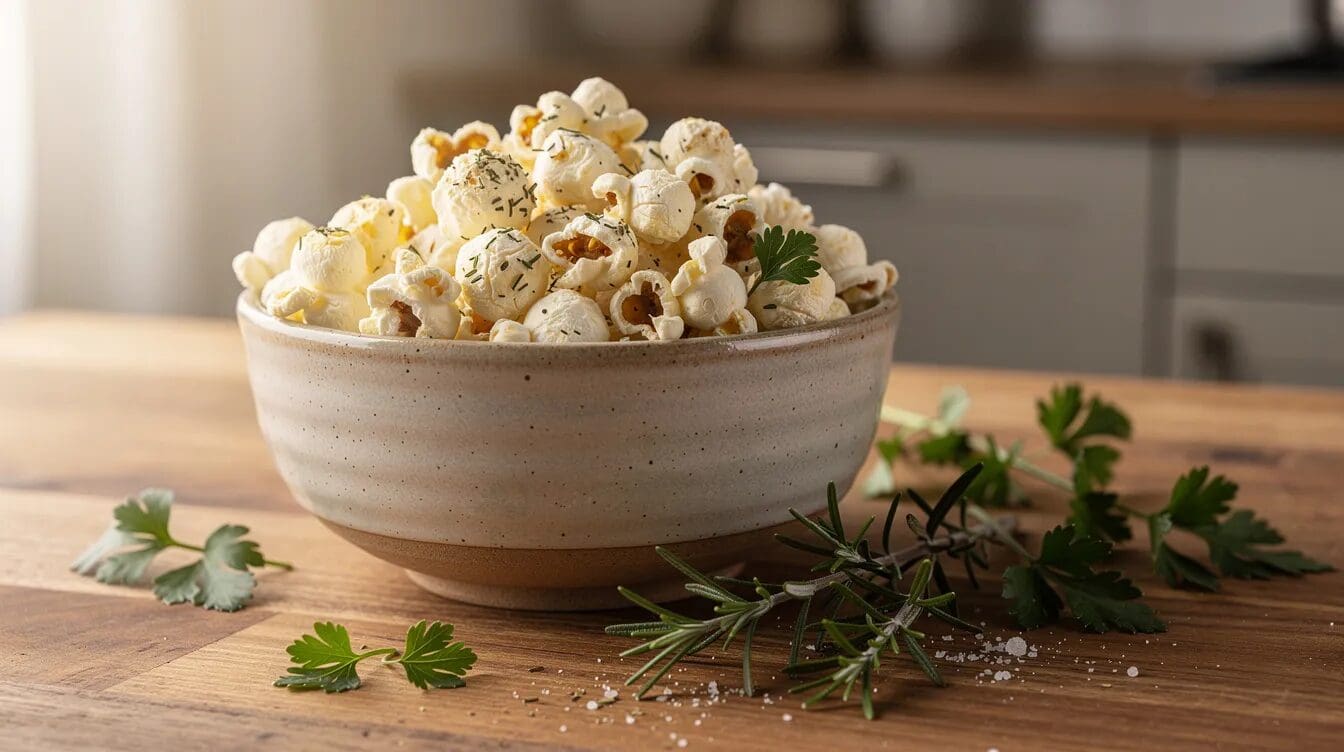
Air popping: Air-popped popcorn uses hot air instead of oil. Three cups of air-popped popcorn contain only 90 calories and less than 1 gram of fat. Three cups of air-popped popcorn contain only 1 gram of fat, making air-popped popcorn a healthier option as it is low in calories. Use an electric air popper or microwave-safe silicone popper to avoid grease-resistant bags. Top with a light drizzle of olive oil, herbs, nutritional yeast, or Parmesan instead of butter.
Making stovetop popcorn: Use about 2 tablespoons of oil (avocado oil or refined olive oil work well) in a lidded pot. Add half a cup of popcorn kernels and shake until popping slows. Stovetop popcorn lets you control the type and amount of unsaturated fat and avoids any toxic chemicals from packaging. Season with garlic powder, smoked paprika, or rosemary to keep sodium moderate.
Smarter microwave choices: Looking for brands labeled as PFAS-free can help reduce health risks. Choose “light” or “low sodium” versions with short ingredient lists. Plain popcorn kernels can be safely popped in a microwave using minimal oil inside a silicone popper. Homemade popcorn avoids harmful chemicals found in microwave popcorn, and popping your own popcorn allows for diverse flavor options.
How Often Can You Safely Eat Microwave Popcorn?
For most healthy adults, a single-serve bag of lighter microwave popcorn once a week or a few times a month is unlikely to raise health risks. Eating several large buttery bags per week adds substantial saturated fat, sodium, and caloric load.
People who should be more careful: older adults with hypertension, heart disease, or kidney disease; those on lipid-lowering or blood pressure medications; individuals with asthma or chronic lung disease. One snack rarely determines overall health. Balance a bag of microwave popcorn with lower-sodium meals and plenty of water that day. Caregivers should consult a loved one’s physician or dietitian about appropriate snacks if the person has liver damage risk, dementia, or cardiac conditions.
Practical Tips to Reduce Health Risks From Microwave Popcorn
- Check saturated fat: Aim for no more than 2 to 3 grams per eating occasion on the Nutrition Facts panel.
- Watch sodium: Choose options with less than 250 mg per serving, and account for how many servings you will actually eat.
- Read ingredients: Opt for products without artificial butter flavoring and with recognizable ingredients. Avoid artificial flavors where possible.
- Choose better packaging: Look for PFAS-free bags or use silicone poppers and air poppers to skip food packaging concerns entirely.
- Don’t overcook: Burnt popcorn generates acrid fumes. Follow the bag’s time guidelines, listen for slowing pops, and open the bag away from your face.
- Pour into a bowl: Sharing from a bowl prevents eating more than intended. For seniors with smaller appetites, 1 to 2 cups of lightly seasoned popcorn is plenty as a snack.
At Olde World, nutrition is one pillar of supporting residents’ cognitive and physical health, alongside activities such as music immersion and language exploration through The Learned Environment℠.
Microwave Popcorn and Senior Brain Health (Olde World’s Perspective)
High blood pressure, high cholesterol, and repeated tiny strokes damage the brain’s small vessels, contributing to vascular dementia and worsening Alzheimer’s symptoms. Regular intake of snacks high in saturated fat and salt, such as heavily buttered microwave popcorn, contributes to these conditions over time. Researchers found that dietary patterns matter for long-term cognitive outcomes, which is why the National Institute on Aging recommends heart-healthy eating patterns.
At Olde World, the nutrition philosophy favors whole grains, colorful fruits and vegetables, lean proteins, and moderate healthy fats. When residents enjoy popcorn, preparation methods mirror the healthier options above. Snack times can also be integrated into social or music-themed activities, turning a simple bowl of popcorn into a moment of engagement and connection.
Families supporting an older loved one at home can pop their own popcorn using air popping or stovetop methods, remove hard kernels to reduce choking risk, and keep portions modest. Small, consistent changes to how you prepare a snack like popcorn can be part of a broader strategy to protect heart and brain health as we age.
FAQ: Common Questions About Microwave Popcorn and Health
Can children safely eat microwave popcorn?
From a chemical standpoint, occasional eating of modern microwave popcorn is generally considered safe for children when brands are low in saturated fat and sodium. Unpopped kernels pose a choking risk for kids under 4 to 5 years old; caregivers should remove hard kernels and supervise closely. Favor air-popped or lightly seasoned options most of the time.
Is it safer to use a brown paper bag instead of store-bought popcorn bags?
Placing plain kernels in an uncoated brown paper lunch bag and microwaving them avoids PFAS-coated packaging. This method is not approved by all microwave manufacturers, and there is a minor fire risk if the bag overheats. A microwave-safe silicone popcorn popper or electric air popper is a safer, reusable alternative.
Does microwave popcorn contain GMOs or gluten?
Popcorn is naturally gluten-free. Some brands use GMO corn; consumers concerned about GMOs should look for “Non-GMO Project Verified” labels. Flavorings or factory cross-contamination may pose issues for people with severe gluten intolerance; those individuals should choose plain, certified gluten-free kernels.
Is reheated or leftover microwave popcorn safe to eat?
Leftover popcorn can be eaten within a day if stored in an airtight container at room temperature. Avoid reheating popcorn in its original bag, which increases burning risk. If popcorn smells burnt or has sat out uncovered for many hours, discard it and pop a fresh batch.
If I’m caring for a parent with dementia, should I avoid microwave popcorn entirely?
Banning microwave popcorn is usually unnecessary, but caregivers should consider choking risk from hard kernels, sodium and saturated fat content, and the person’s overall dietary restrictions. Air-popped or lightly seasoned stovetop popcorn in small portions, with tough kernels removed, is a better fit. Communities specializing in memory care, such as Olde World, consider both enjoyment and safety when offering snacks, and families can adopt the same principles at home.