In every town and city, the choice to support local farmers creates a ripple effect that extends far beyond the dinner table. When you buy from CSA farms, shop at farmers markets, or join the community supported agriculture (CSA) movement, you’re not only getting fresh and nutritious produce—you’re investing in your local economy, your health, and the future of sustainable food.
Supporting local farmers drives economic, social, and environmental growth in communities across the country, as the benefits of CSAs and local food systems are seen in diverse regions nationwide.
At Doudlah Farms, we believe that healthy communities start with healthy soil and people. By participating in community-supported agriculture, families connect directly with farmers, enjoy seasonal produce, and strengthen the bonds that hold our neighborhoods together.
Community Supported Agriculture: A Model for Stronger Communities
So, what is community-supported agriculture (CSA)? The CSA model connects the consumer directly with the farmer and producer, bypassing traditional food distribution systems. Members are active participants in the CSA organization, purchasing a share of the farm’s harvest in advance, which provides farmers with financial stability while guaranteeing families access to fresh, nutrient-rich farm products throughout the season.
Unlike large-scale food production systems, CSAs emphasize sustainability, human values, and community connections. This direct marketing approach not only reduces greenhouse gas emissions by shortening supply chains but also builds a sense of trust between producers and consumers.
Most CSAs typically offer weekly shares to their members, and the capacity of each farm determines how many members they can serve. The organization of a CSA ensures the availability of fresh produce throughout the season by coordinating production planning and distribution.
Benefits of Supporting Local Farmers
The benefits of choosing local farms and CSAs are wide-ranging:
- Fresher, high-quality foods with more nutrients – Because crops are harvested at peak ripeness, members enjoy a diverse variety of fruits, vegetables, and grains that taste better and retain more nutrients. CSAs often focus on providing locally sourced and sometimes organic foods, ensuring freshness and quality.
- A stronger local economy – Every dollar spent helps growers and producers reinvest in the community, creating jobs and preserving farmland.
- Environmental sustainability – Sustainable agriculture practices like cover crops, crop rotations, and reduced distribution distances mean healthier soil and lower environmental impact.
- Fair and balanced price – CSAs set a price to balance affordability for members with fair compensation for farmers. By paying up front, members often save money compared to buying produce week by week in most grocery stores, while supporting farmers’ economic sustainability.
When you buy local, you’re helping small farms stay in business while also protecting natural resources for future generations.
The Role of Farmers’ Markets and Local Produce

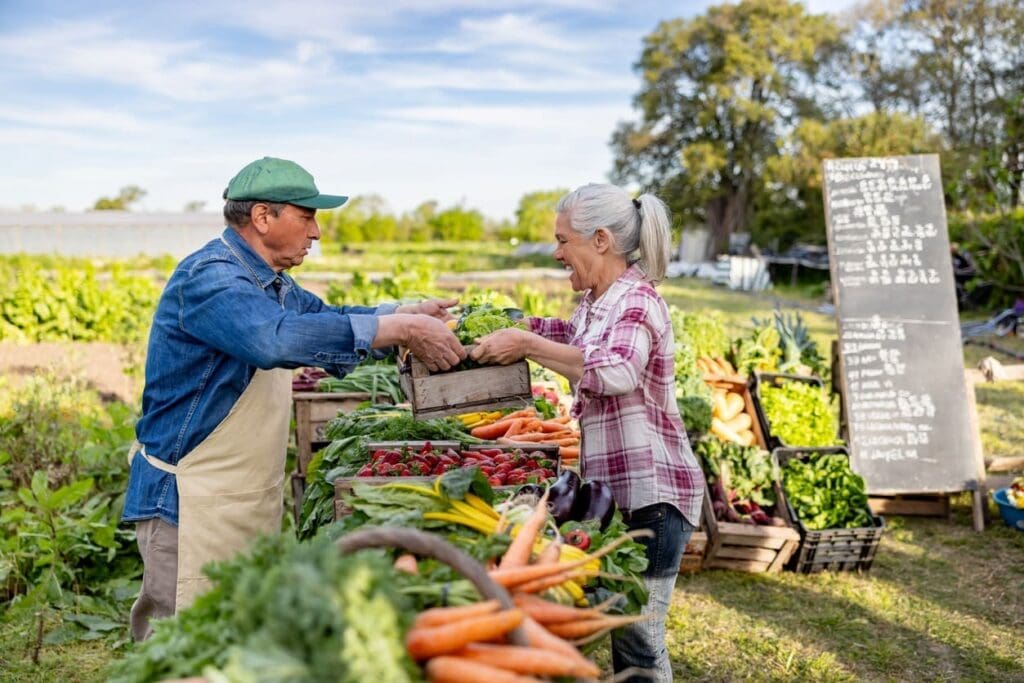
Beyond CSAs, farmers’ markets play a vital role in community agriculture. They give consumers the chance to meet local farmers, ask questions about farming practices, and explore the variety of local produce available. Farmers’ markets also serve as a market for CSA products and other local goods, providing a central place for producers and consumers to connect. Unlike large-scale food systems, these services emphasize transparency, quality, and meaningful community connections.
Purchasing directly from CSA farmers or at farmers’ markets also strengthens direct marketing channels, helping producers capture fair prices for their hard work and ensuring farm products are accessible to more households. CSA farmers often deliver produce directly to members, making sure it is delivered fresh and on time, which builds trust and reliability within the community.
Sustainable Agriculture Practices
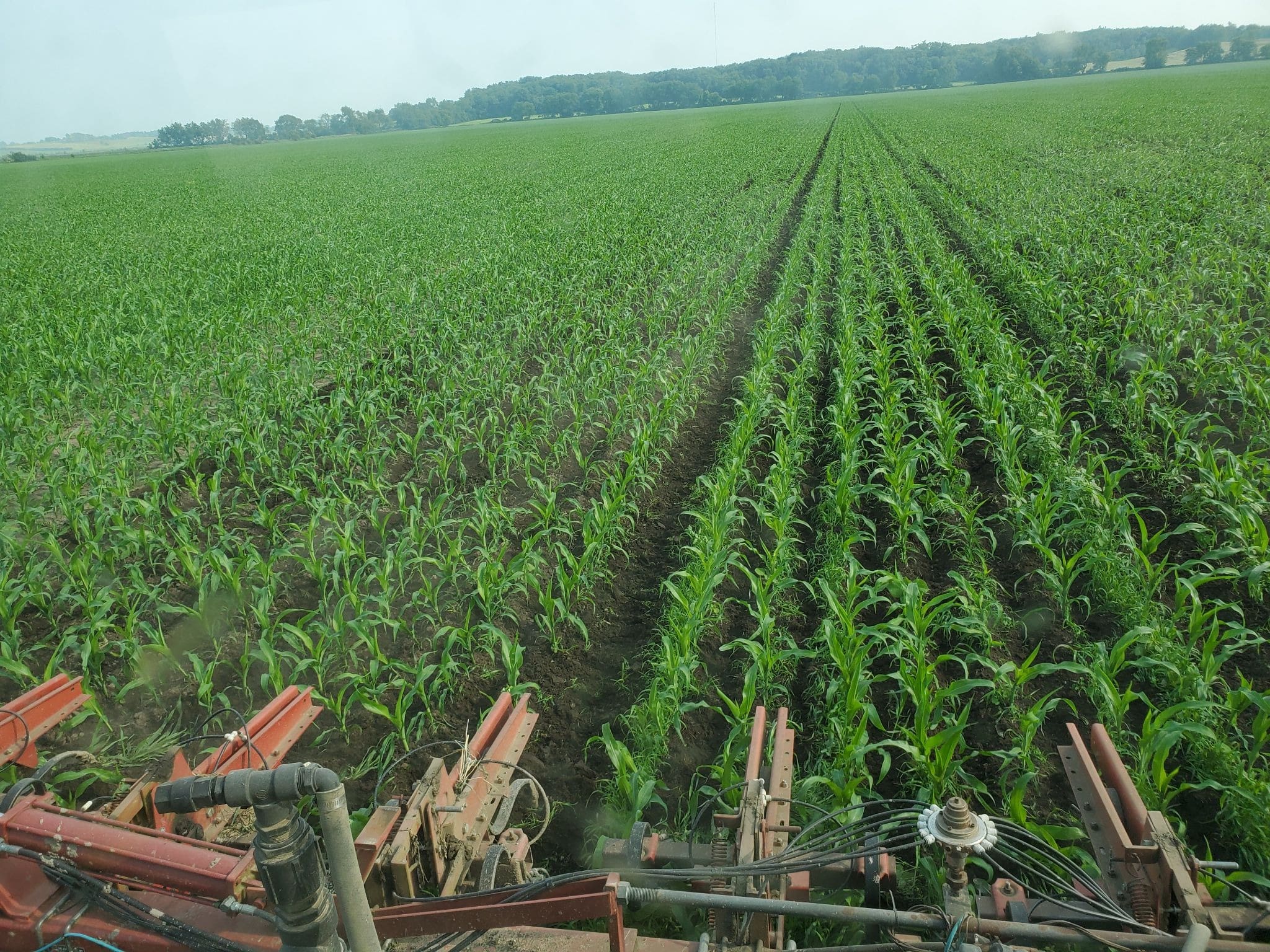
Sustainable agriculture is at the heart of community-supported agriculture (CSA) and is a key reason why supporting local farmers makes such a difference. CSA farms are dedicated to environmentally friendly farming methods that protect our natural resources and ensure a healthy future for both people and the planet. By prioritizing practices like crop rotation, organic farming, and reduced pesticide use, CSA farmers help maintain soil health, conserve water, and promote biodiversity right in your community.
A survey conducted by the USDA found that CSA farmers are more likely to embrace sustainable agriculture practices—such as composting, integrated pest management, and the use of cover crops—compared to other types of farms. These methods not only reduce greenhouse gas emissions and soil erosion but also support ecosystem services that benefit everyone. By growing a diverse range of vegetables, fruits, dairy, and other farm products, CSA farms help preserve genetic diversity and strengthen local food systems.
Supporting local farmers who use sustainable agriculture practices means you’re investing in a food distribution system that values quality, transparency, and community connections. Direct marketing through farmers’ markets and CSA programs allows consumers to buy local produce directly from the source, keeping money within the local economy and helping to preserve farmland for future generations.
The advantages of sustainable agriculture in CSA farms are clear: improved soil fertility, reduced reliance on synthetic fertilizers and pesticides, and access to fresh, nutrient-rich produce. These practices also foster a sense of community, as consumers become more aware of where their food comes from and how it’s produced. While there can be challenges—such as the need for upfront investments in equipment- the long-term benefits for the environment, local economy, and food quality are undeniable.
Examples of these sustainable practices include planting cover crops to protect and enrich the soil, using integrated pest management to minimize chemical use, and adopting organic farming methods that conserve water and promote soil health. By choosing to buy local and support CSA farms, you’re helping to build a more sustainable, resilient, and healthy food system for your family and your community.
As more consumers recognize the importance of sustainable agriculture, the demand for locally grown, organic produce continues to rise. By supporting the CSA movement and the farmers who lead it, you’re not just making a healthy choice for your table—you’re helping to secure a vibrant, sustainable future for your entire community.
Doudlah Farms: Leading the CSA Movement
At Doudlah Farms, we are proud to be part of the CSA movement in Wisconsin. As an example of a successful CSA model, our CSA farms approach provides fresh, organic crops directly to members, while also supporting long-term sustainability and environmental stewardship. Compared to other CSAs, Doudlah Farms emphasizes organic practices and a diverse selection of crops, while some other CSAs may partner with additional farms or offer a wider variety of farm-related goods.
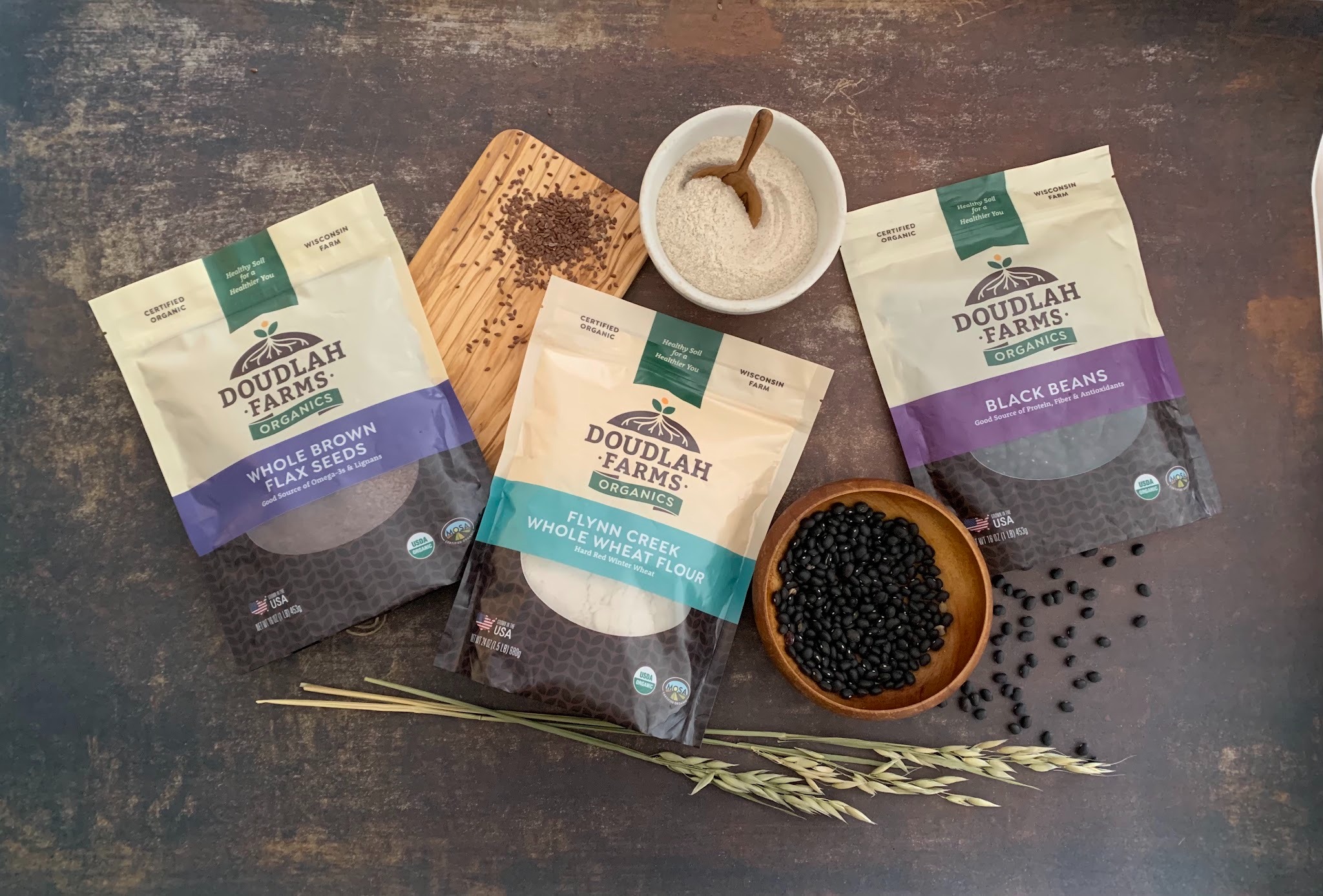
As CSA farmers, we grow with integrity—focusing on soil health, biodiversity, and responsible food production. Every bag of our organic popcorn or heirloom grains represents more than just farm products—it represents a commitment to the community, the environment, and a healthier future.
Building a Stronger Local Food System
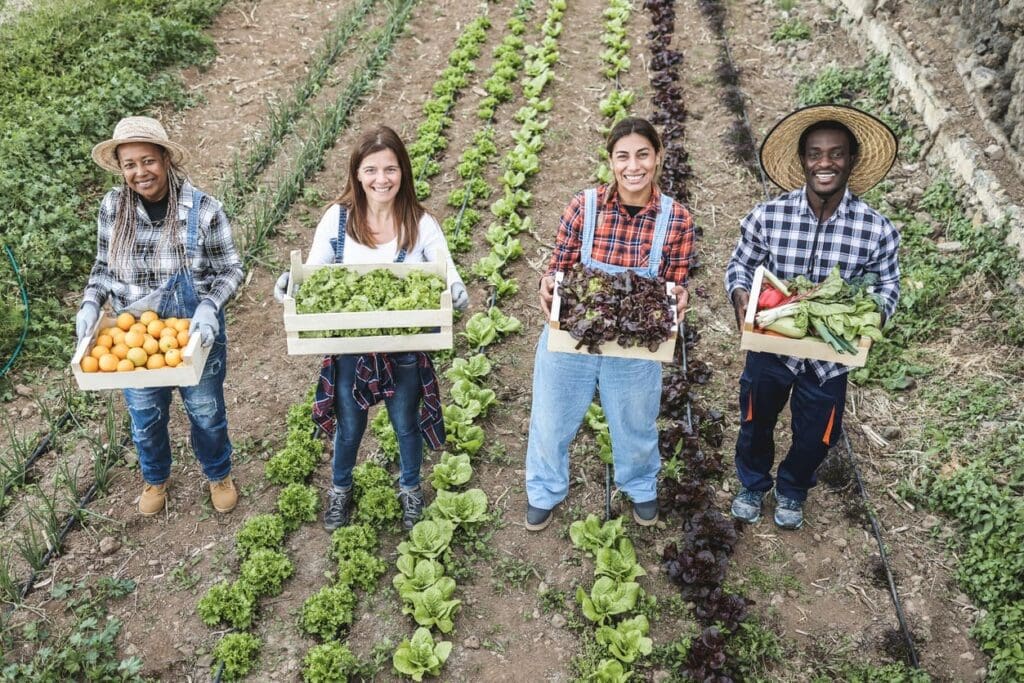
When you support local farmers, you’re strengthening the entire system of community-supported agriculture. You’re helping to create community connections, promote sustainable agriculture, and ensure that farm products remain available for generations to come.
As the local food system grows, it can drive local economic development, leading to improvements in public infrastructure and schools, which benefits the entire community.
Whether it’s through joining a CSA, shopping at farmers’ markets, or choosing local produce, your choices matter. Together, we can build a food system rooted in sustainability, support, and care for the land.
Final Thought About Community Supported Agriculture
Supporting CSA farmers isn’t just about food—it’s about investing in your community, the local economy, and the future of farming. At Doudlah Farms, we invite you to be part of this movement. Join us in creating a thriving organic economy built on trust, transparency, and a shared love for the land.
FAQs
1. What is a CSA and how does it work?
CSA stands for Community Supported Agriculture. Members buy a “share” of the farm’s harvest in advance, giving farmers financial stability while guaranteeing families fresh produce throughout the season. Most CSAs deliver weekly or bi-weekly boxes of seasonal food directly from the farm.
2. Why is buying from local farmers better than shopping at the grocery store?
Local farms harvest produce at peak ripeness, so it’s fresher, tastier, and more nutrient-dense than food shipped long distances. Plus, your dollars stay in the community, supporting jobs and preserving farmland.
3. How does supporting local farms benefit the environment?
CSA farms and farmers’ markets emphasize sustainable agriculture practices like crop rotation, composting, and cover cropping. These improve soil health, conserve water, reduce chemical use, and cut down greenhouse gas emissions by shortening the supply chain.
4. Is local food more expensive?
Not necessarily. While upfront CSA membership costs can seem high, members often save money overall compared to weekly grocery store trips because they get larger quantities of organic, in-season produce at fair prices for both farmers and families.
5. How can I support local farmers if I can’t join a CSA?
You can shop at farmers ‘ markets, buy direct from local farm stands, or look for local/organic labels in your grocery store. Even small choices—like swapping one pantry item for a local version—help strengthen your community’s food system.